

Herzog: Deal on ‘reasonableness’ clause within reach, sides must renew talks
At memorial for Theodore Herzl, president says Zionist movement’s strength came from consensus building, hints such lessons should be applied now; tells lawmakers to put egos aside
 Add ToI as a Preferred Source on Google
Michael Horovitz is a breaking news editor at The Times of Israel
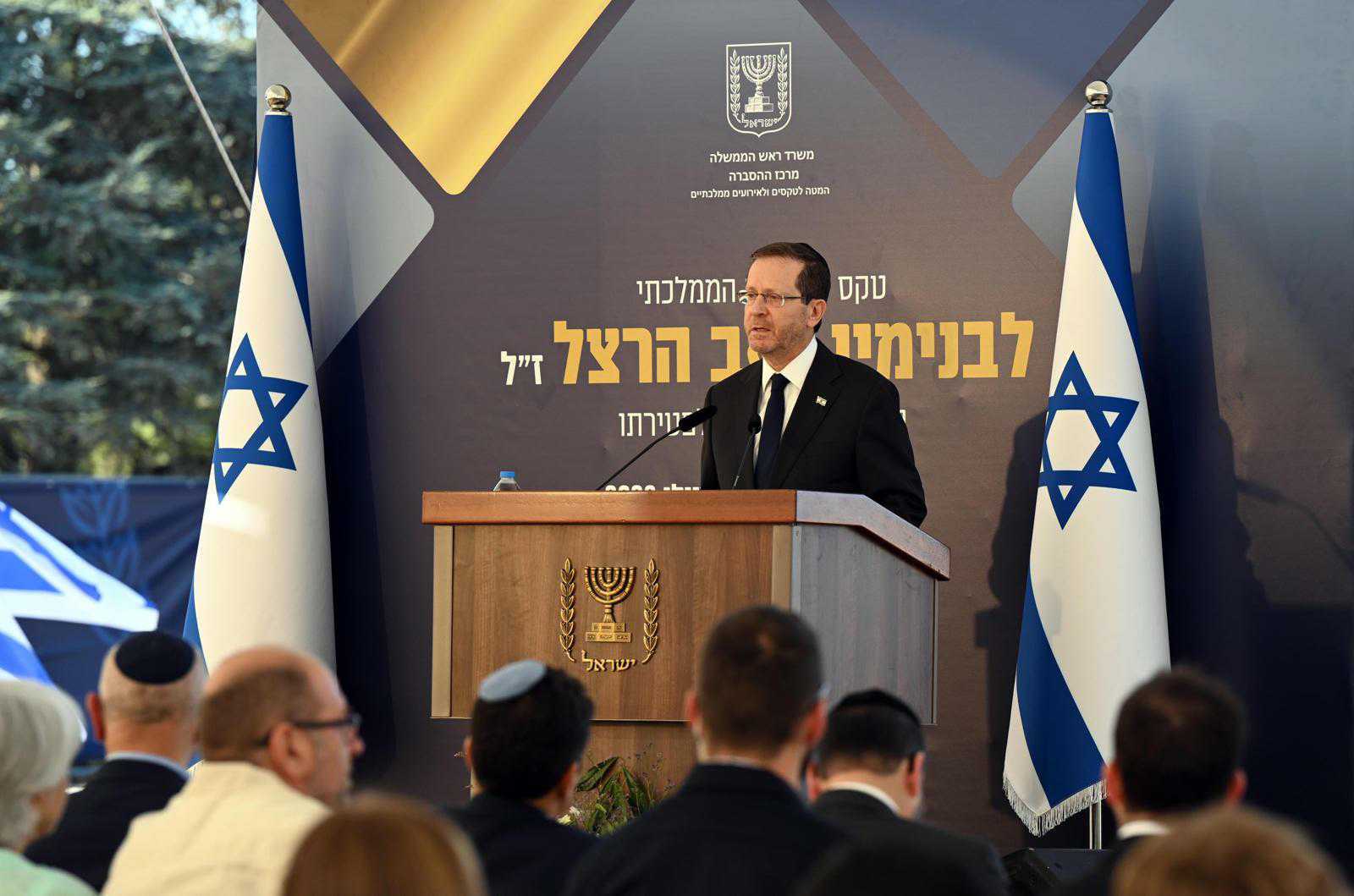
President Isaac Herzog on Sunday said compromises on the coalition’s controversial judicial overhaul efforts were within reach, and insisted negotiations with the opposition on the legislation should resume, as the government was set to push ahead unilaterally with a vote on one of its controversial bills.
Speaking at an annual memorial for the founder of modern Zionism, Theodor Herzl, in Jerusalem, Herzog linked the success of the Zionist movement to its leaders’ insistence on finding “consensual solutions” and to “bridge differences,” implying that such lessons should be applied to the battle over the judiciary.
“I can tell you agreements are possible — in general, and certainly on the specific issue of the ‘reasonableness clause,'” he said, referring to the highly contentious bill to scrap the use of the “reasonableness” test by the judiciary to review decisions made by elected officials.
“An agreement is attainable. And yet, still, no one is willing to sit down and talk, now, without preconditions. This is a blunder of historic proportions,” Herzog said.
The Knesset is expected on Monday to approve the first reading of the bill. Last week, the coalition also advanced a bill to strip away the Israel Bar Association’s power, including its representation on the panel that picks the nation’s judges. These measures are seen as previews of what is arguably the judicial overhaul’s main event: giving politicians greater power over appointing judges by restructuring the Judicial Selection Committee.
Noting public support for dialogue, Herzog urged politicians to “put egos aside” and sit at the negotiating table.
“Cease the terrible divisions. The people expect you to come to your senses, and quickly,” he added.
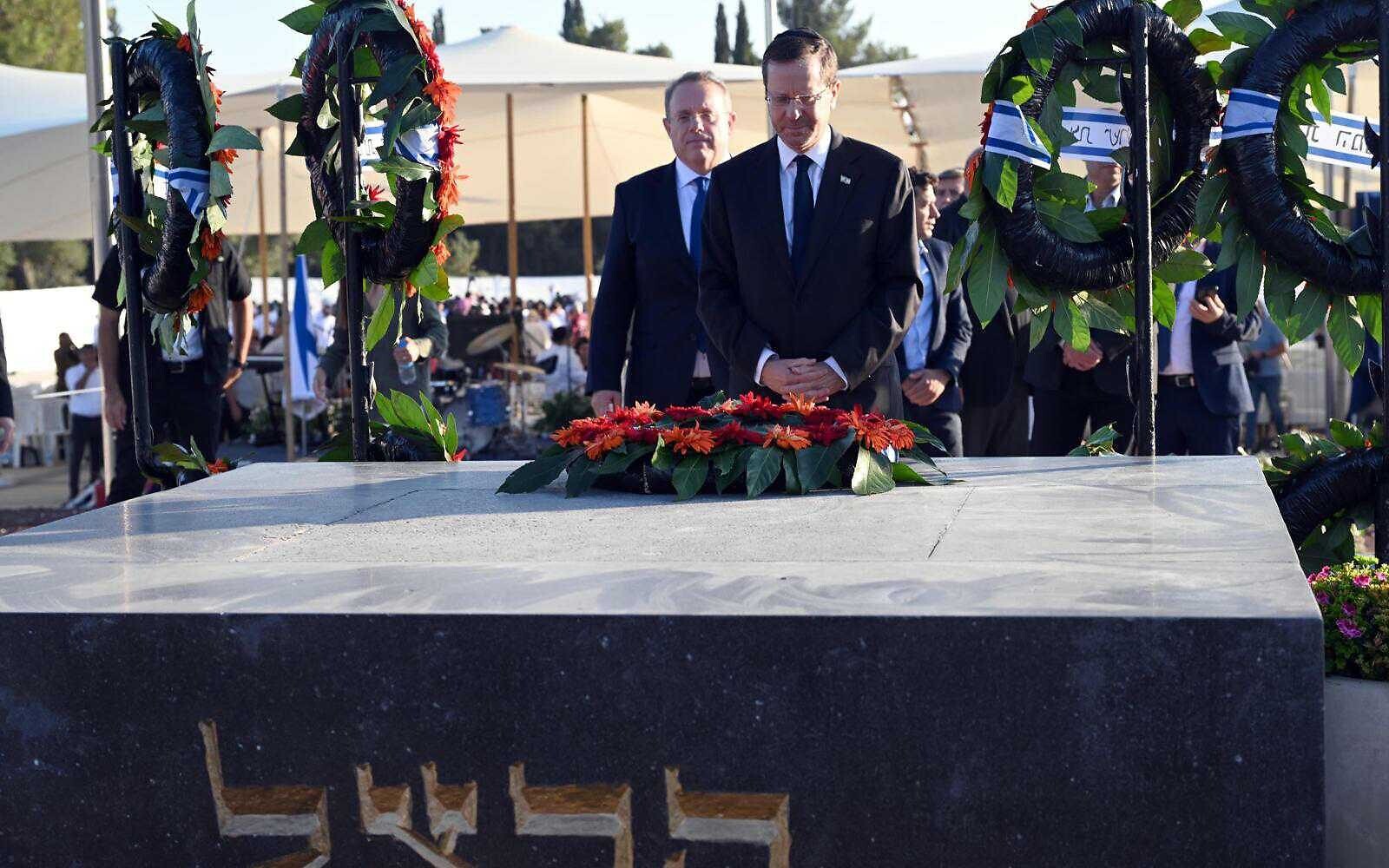
Benny Gantz, head of the opposition’s National Unity party, embraced Herzog’s call for renewed negotiations.
“We must return to dialogue. We must stop the one-sided legislation that’s tearing the people apart,” he tweeted.
Gantz issued a previous call on Thursday for the coalition to resume the talks, but protest leaders have reiterated their demand that they only take place when the judicial legislation is completely shelved.
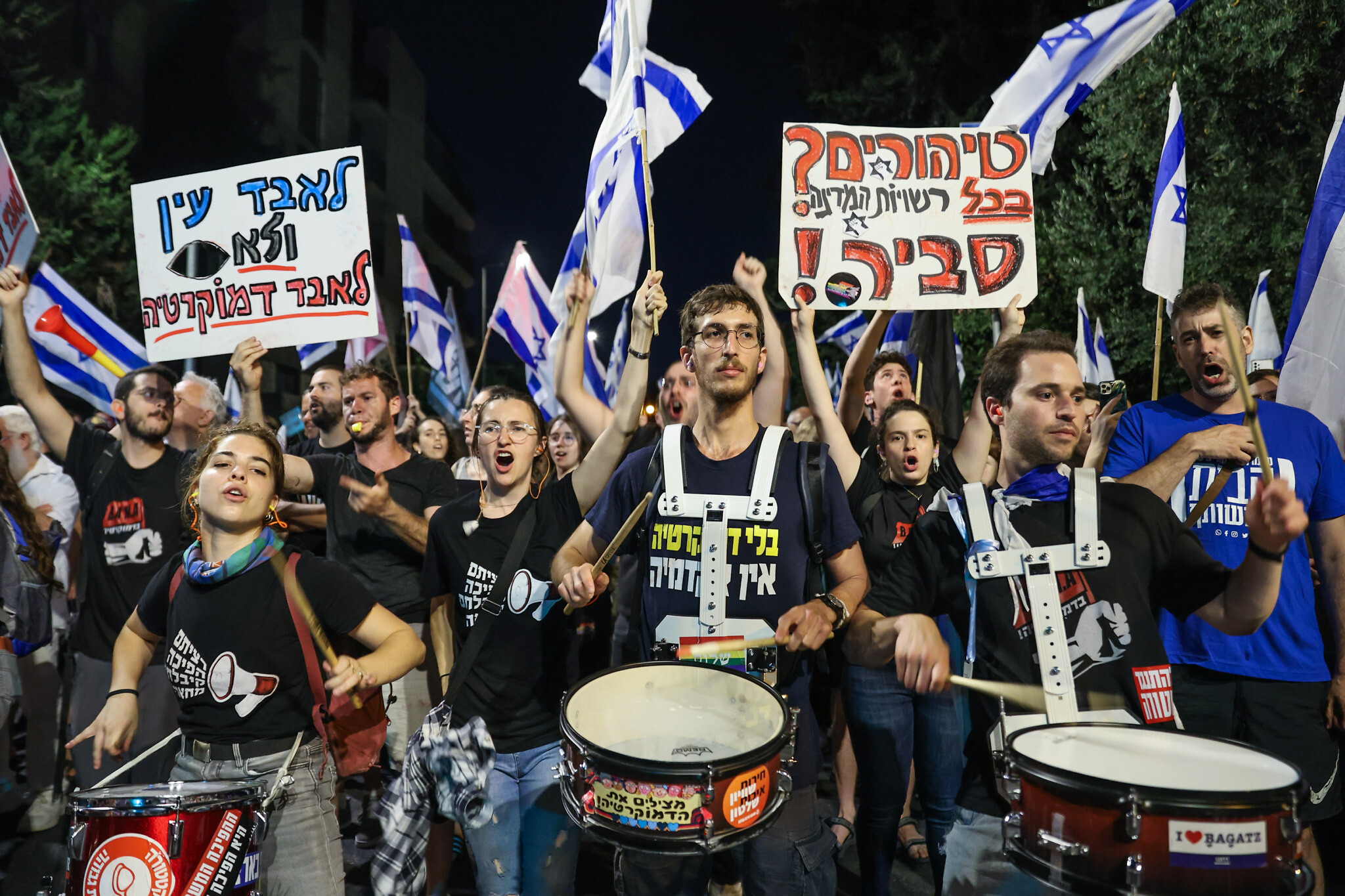
Protest organizers have announced plans for a major day of protests Tuesday if the “reasonableness” bill passes its first reading. Organizers said Saturday that it would be “July’s first Day of Resistance” and would include rallies, protest convoys, disruptions throughout the country and another large-scale protest at Ben Gurion Airport in the afternoon.
In his speech, Herzog mentioned the relevance of the “Three Weeks” (when the Jewish people remember the destruction of the Temples and other historic tragedies which befell the Jewish people), which religious Jews are currently observing.
The days “are marked by a clear cry against hatred, against polarization and factionalism, and in favor of Israeli unity. [They] demand of us to behave with dignity and responsibility on issues that directly impact the unity of Israel, and the cohesion of Israeli society,” Herzog stated, noting that families and friends were being “torn apart” by the current divisions.
“We all know the historical examples from the ‘Three Weeks,’ but this is not history – this is our ‘here and now,’ and it speaks for itself. This shocking and dangerous reality is happening before our eyes,” he said.
“I can tell you that so many people are appealing to me, not only from the public, but also from the world of politics and from all sides. They say to me: ‘What a waste. What a tragedy.’ And it is true,” he added.
The opposition’s National Unity and the Yesh Atid parties quit the talks in mid-June after Prime Minister Benjamin Netanyahu attempted to delay the vote on MK representatives to the Judicial Selection Committee. They said the coalition must staff and convene the committee and refrain from unilaterally advancing legislation.
The coalition has yet to meet any of their conditions, and Likud has placed the blame for the dialogue breakdown on the opposition’s shoulders.
Israel has been rocked by mass demonstrations since early January when the government unveiled its far-reaching contentious plans. Protesters have warned that the proposals will weaken Israel’s democratic character, remove a key element of its checks and balances and leave minorities unprotected. Supporters claim it is a much-needed reform to rein in an overly activist court.
Times of Israel staff contributed to this report.





The Times of Israel Community.