 Add ToI as a Preferred Source on Google
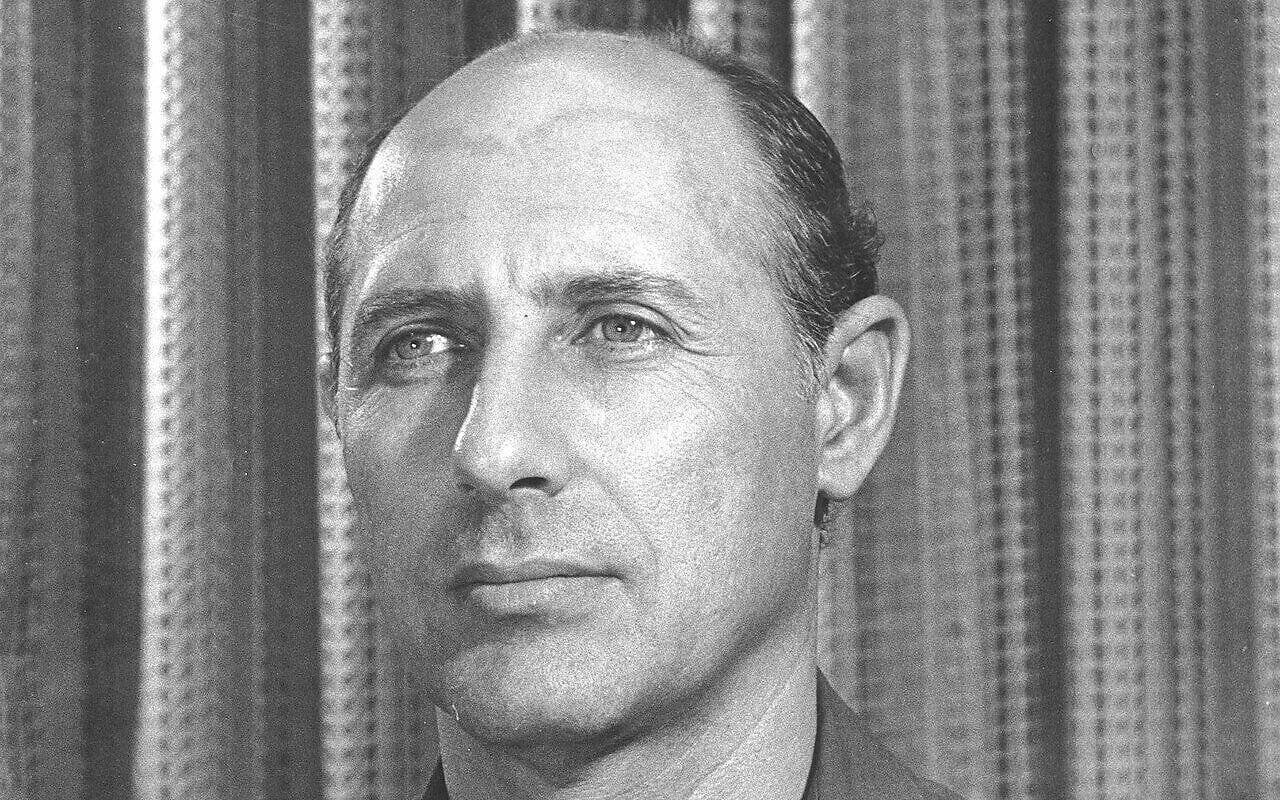
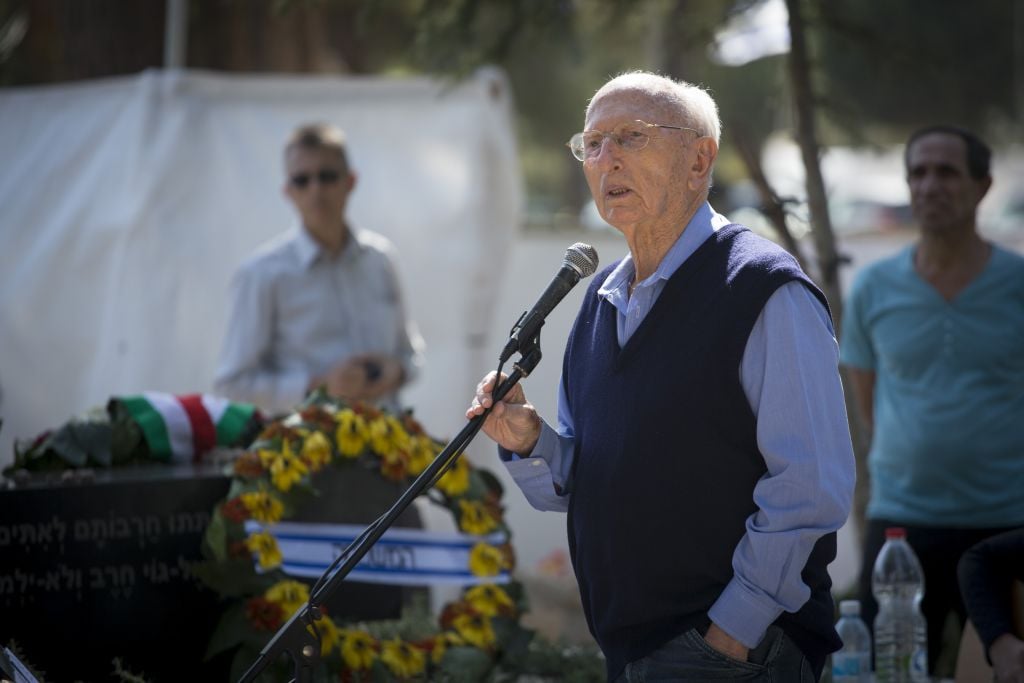
When Maj. Gen. Eli Zeira died last month at age 97, it was the passing of the longest-lived and most contentious of the generals who led the Israeli army in the 1973 Yom Kippur War. As head of the Military Intelligence Directorate, Zeira stubbornly blocked mobilization of the reserves until a surprise attack by Egypt and Syria shattered Israel’s sparsely manned front lines and rocked the country’s sense of security for years to come.
Zeira’s early military career had marked him as a future chief of staff in the eyes of many. An aide-de-camp to defense minister Moshe Dayan, he went on to command a paratroop brigade before being sent to Washington as military attache.
Upon his return in October 1972, a year before the Yom Kippur War, he was appointed head of military intelligence, a significant step up the career ladder. Six months later, his nerves and judgment were tested when reports indicated that Egypt was planning to attack in mid-May in an effort to regain the Sinai Peninsula, lost in the Six Day War. Dayan and IDF chief of staff David Elazar moved to prepare the Israel Defense Forces for war, a redeployment dubbed Blue-White. Zeira, however, demurred. He said the Arabs would not go to war because they knew that they were not ready for it. Shortly afterwards, the Egyptian army stood down.
Zeira was hailed by insiders as the one general who had kept his cool. Neither Dayan nor Elazar would readily challenge his analyses thenceforth. However, some officers had other views.
After his appointment as intelligence chief, Zeira had given a lecture to senior officers from all branches, among them Col. Danny Matt, battle-hardened commander of a paratroop brigade. He detected in Zeira’s talk an overweening self-confidence. Leaving the hall, he said to a general walking alongside him, “I would have preferred an intelligence chief less certain about things.” A widely respected officer who had worked with Zeira long before the war would say in a post to friends: “This man is dangerous. Facts don’t concern him. What arrogance.”
‘I would have preferred an intelligence chief less certain about things’
It would emerge after the war that while Zeira had been right in the Blue-White episode, it was for the wrong reasons. Egyptian president Anwar Sadat had indeed intended to go to war in May, but had bowed to a request for delay from his partner in the planned attack, Syrian president Hafez Assad. The Soviet Union had agreed to provide Assad with advanced weaponry, including anti-aircraft missiles and tanks, and he needed a few months to absorb them into his armed forces.
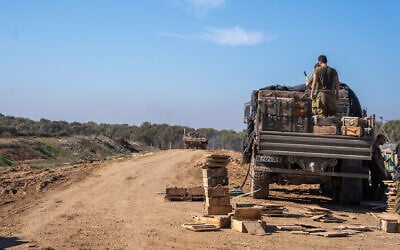
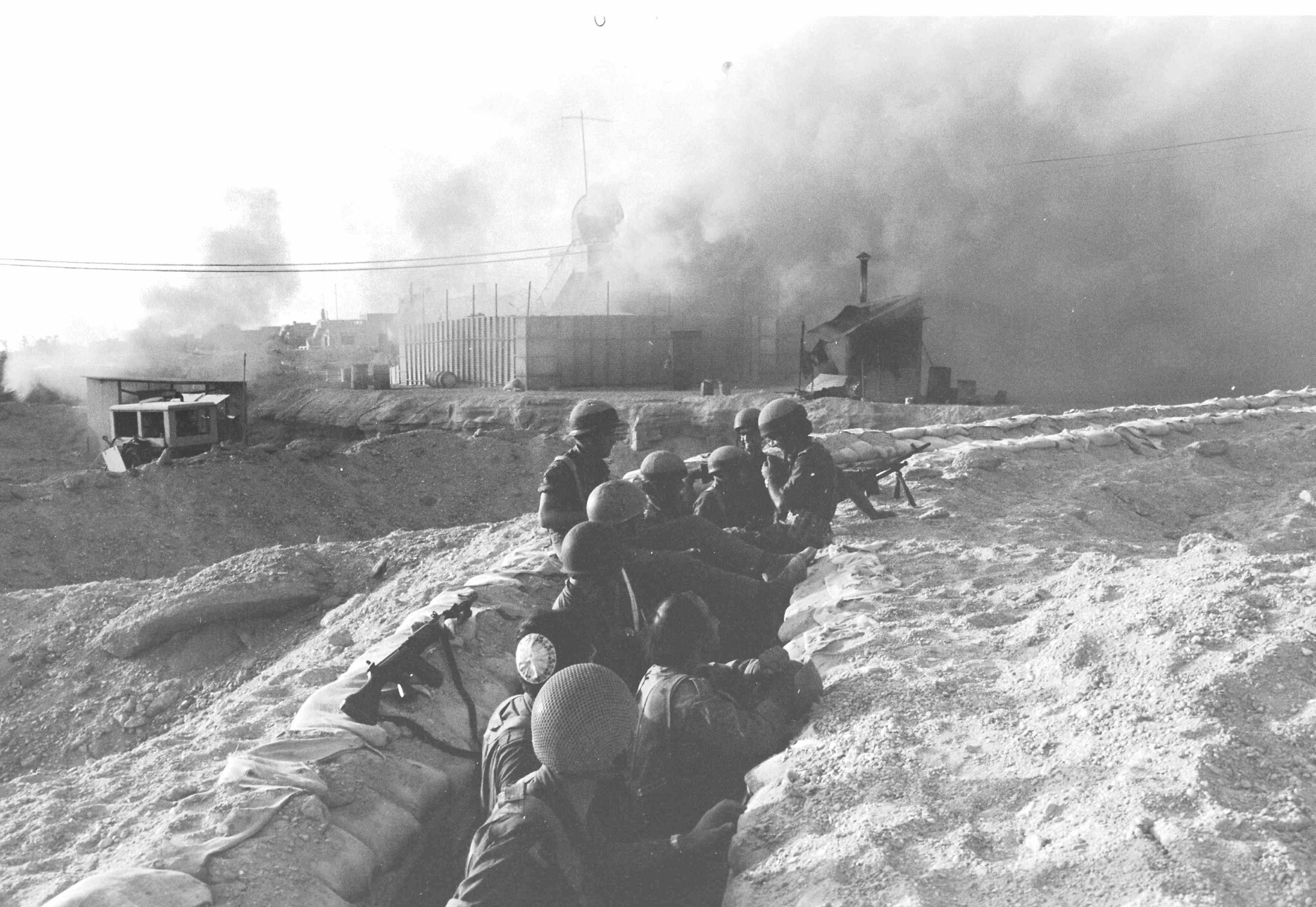
Towards the end of September, Cairo announced that a military exercise would be held in the Suez Canal zone, from October 1-7 (Yom Kippur fell on October 6). Large convoys began arriving every night behind the sand ramparts shielding the Egyptian rear from direct observation. The noise of tractors and other heavy equipment kept Israeli troops manning the Bar-Lev Line awake much of that and the ensuing nights.
On September 25, a helicopter landed outside a Mossad installation near Tel Aviv. “Your majesty,” said prime minister Golda Meir, as Jordan’s king Hussein descended and offered his hand. In the hope of not being drawn into a war with Israel again, he had come to warn that Egypt and Syria were planning a joint attack. He wanted to make clear that he did not intend to join them. Israel had already received 11 war warnings from foreign intelligence sources in September.
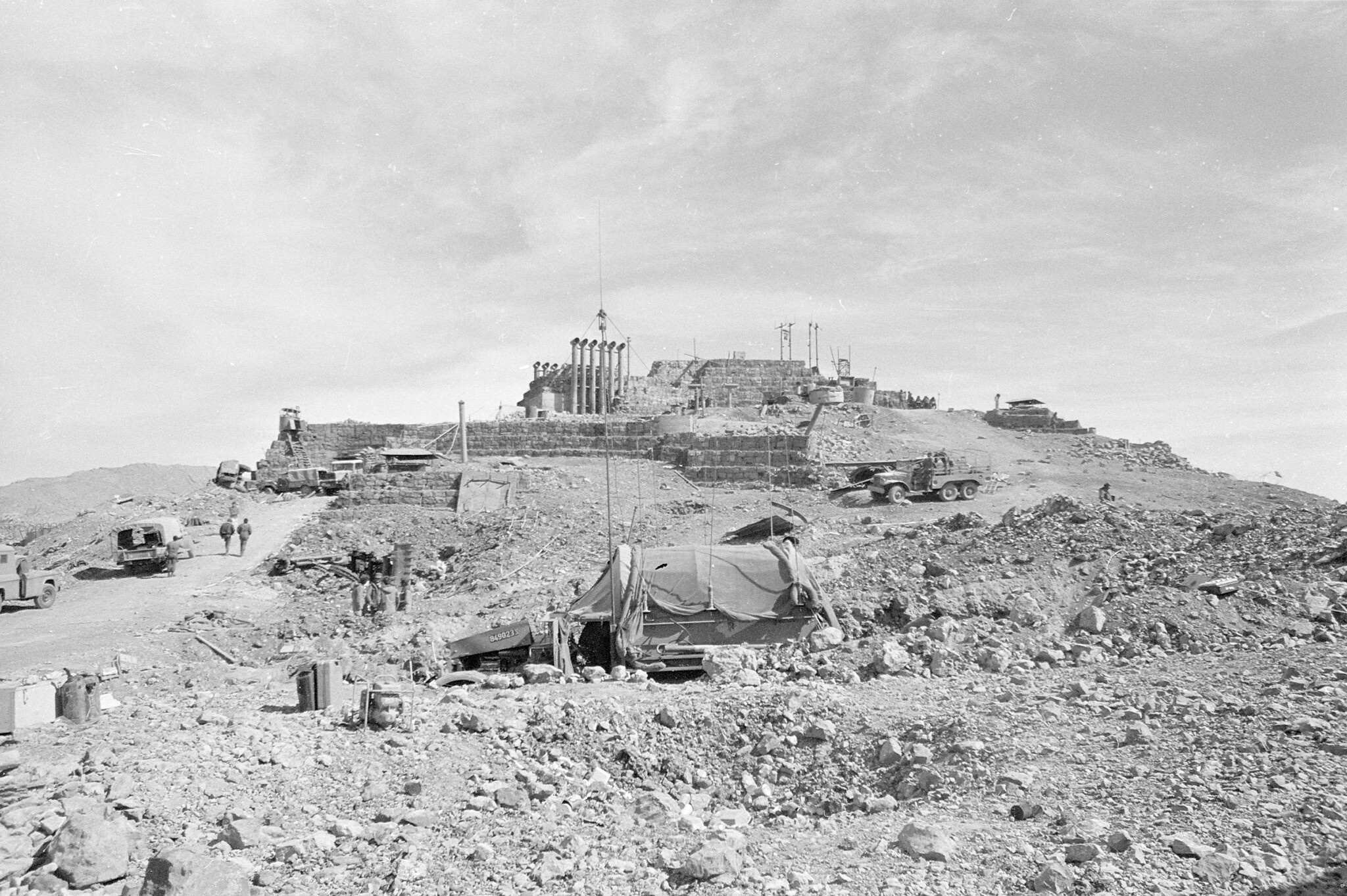
A year before, the IDF had created what it believed was a fail-safe warning system of its own. Technicians, guarded by a commando team, were flown by helicopter after dark to a hilltop beyond enemy lines, the site of an Egyptian communications hub. The technicians attached listening devices to lines serving military bases likely to be involved in any surprise attack. The system, dubbed “Special Means,” was briefly tested and then shut down to prevent detection. It was activated during the Blue-White episode and confirmed that the Egyptians were not going to war.
Elazar was unaware that many intelligence officers under Zeira’s command disagreed with his constant downplaying of the chances of war in the face of contrary signs. Twice during the week before Yom Kippur, Elazar asked Zeira if he had activated Special Means, despite the IDF Intelligence Directorate’s ongoing reading of “low probability” of war. Zeira gave Elazar to understand that he had activated the system. But he hadn’t — he wanted to avoid the danger of the Egyptians detecting the transmissions. When Dayan asked the same question, Zeira had the system turned on for about 10 hours, but it detected only innocuous conversations.
Heightened concerns
Col. Yoel Ben-Porat, the veteran commander of the Intelligence Directorate’s signals intelligence section, which monitored the Arab world and beyond, was increasingly disturbed by what his team was picking up. He called Zeira at home, from where he had been calling in sick for several days, to request permission to mobilize 200 Intelligence Directorate reservists to assist in the monitoring. Zeira’s reply was firm: “Yoel, listen well, I don’t permit you to think about mobilizing even a fraction of a reservist. It is [the Intelligence Directorate’s] job to safeguard the nation’s nerves, not to drive the public crazy, not to undermine the economy.” Despite the annoyance in Zeira’s voice, Ben-Porat persisted, asking for activation of Special Means. Zeira refused.
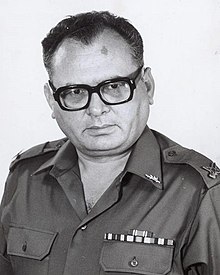
“What does Special Means exist for,” asked an exasperated Ben-Porat, “if not for situations like the one we’re facing.”
“The situations you see,” replied Zeira, “are not the ones I see.”
What Zeira was seeing was the perspective he had inherited from his predecessors, who had information that former Egyptian president Gamal Nasser had been determined to recapture Sinai — but only after the Soviet Union provided planes capable of bombing Israeli air bases and Scud missiles capable of hitting Tel Aviv, the latter a deterrent against an Israeli attack on Cairo. Since the Soviets had not yet made available the planes or the missiles, Zeira adhered to his “low probability” of war forecast.
Another senior officer troubled by the failure to mobilize was Gen. Israel Tal, deputy to the chief of staff. He telephoned Zeira in his office, one flight above Tal’s in army headquarters, and asked whether he could come up to talk to him. Zeira assented. Tal said that Elazar was ready to order mobilization but could not do so as long as the IDF Intelligence Directorate was issuing its “low probability” assessment. How could he justify mobilization if it was insisting that the chances of war were low? Tal implored Zeira to change his assessment. Regarding the assessment of enemy intentions, Zeira replied, he and not Tal was the expert. Tal, a longtime commander of the armored corps, said he was the expert on tank warfare, and if the Syrians were to attack with three divisions as seemed likely, the Israeli tank force currently on the Golan had no chance. Zeira remained adamant.
Zeira’s major critic was the head of the Mossad, Maj. Gen. (ret.) Zvi Zamir. The two men had a relationship that was more rivalry than fruitful collegiality. As intelligence chief, Zeira was an integral part of the army’s command structure, while Zamir was not. He reported only to the prime minister and occasionally to Dayan. Zeira chose to view the Mossad’s major source of information about the Arab world — Nasser’s son-in-law Ashraf Marwan — as a double agent despite the invaluable material he continued to supply.
One of Zamir’s major complaints about Zeira was that he never cited his sources when he made assessments, even in official forums such as the General Staff. He would not even provide reasons for his frequent evocation of “low probability” of war. In his memoirs, Zamir wrote: “It would never occur to me in meeting with the prime minister or defense minister not to tell them on what my assessments were based and my evaluation of the credibility of those sources.” Zeira, he wrote, would say “from a logical point of view it would be a mistake for Egypt to launch a war, without spelling out what Sadat’s logic might be.”
Sadat makes his own ‘concept’
Sadat came to view his predecessor Nasser’s plan as unrealistic. At the beginning of 1973, he and his generals formulated a new plan — a massive crossing of the canal and establishment of powerful defenses several kilometers inland, there to await international diplomatic intervention under an umbrella of formidable Soviet-made anti-aircraft missiles. And so it would be, at least for a while.
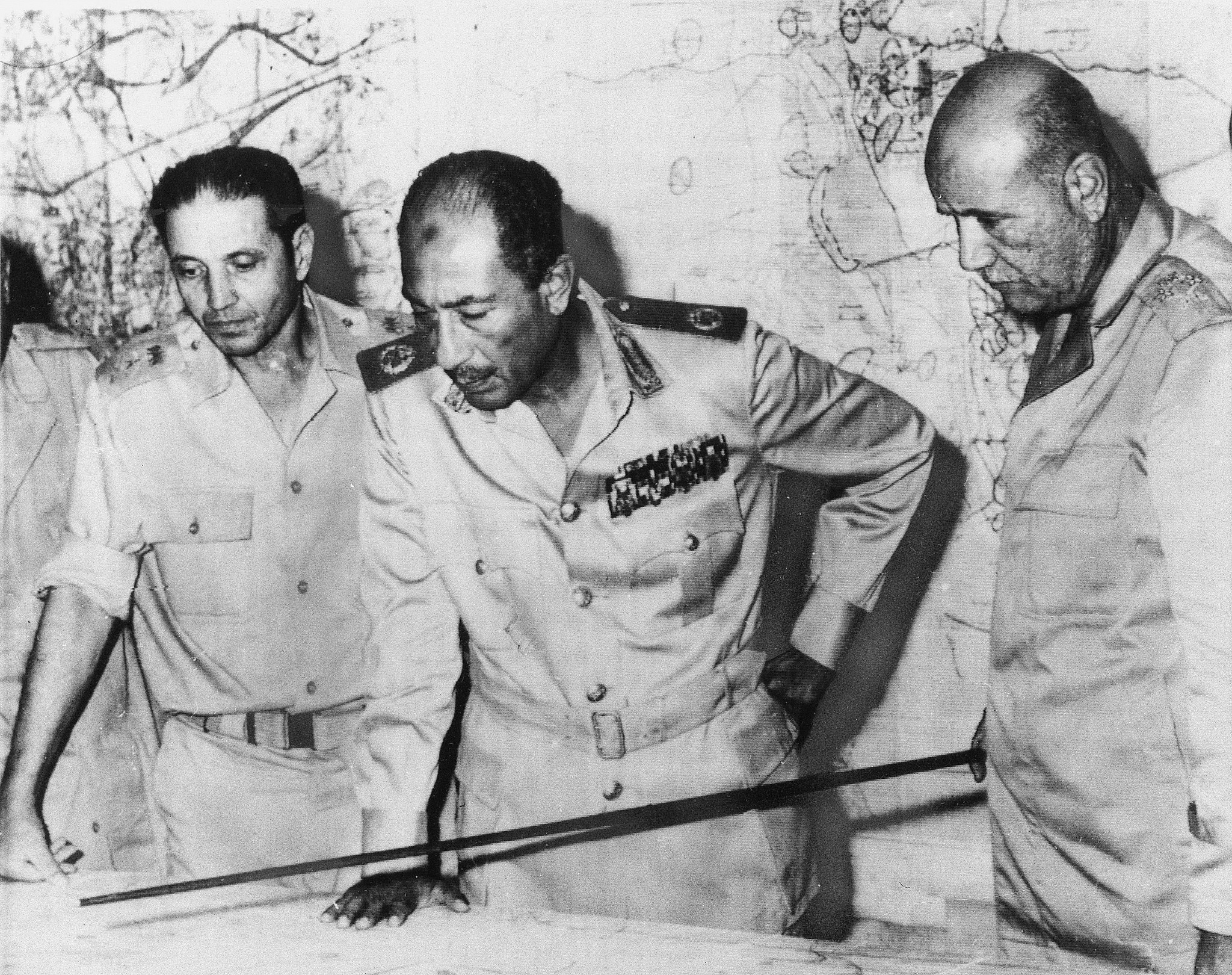
This new Egyptian “concept,” as the Israelis called it, was revealed to the Mossad by Marwan in February and passed on to Aman. However, Zeira convinced himself that the only “logical” Egyptian plan was Nasser’s, and he did not relate to Sadat’s plan brought by Marwan, whom he labeled a double agent.
Sadat was intent on going to war with what he had in hand to advance his political objectives. Nasser’s original concept involved a lengthy arms acquisition stage. But the IDF Intelligence Directorate continued to focus on Nasser’s concept, which accounted for its “low probability” mantra since the needed Soviet weaponry was not in Egypt’s hands.
As the Agranat report would put it: “[The Intelligence Directorate] didn’t manage to understand the strategic logic and the operational implications of the possibility that Egypt would make do with limited gains on the ground to achieve political gains.” In a letter written by Zeira to the Agranat Commission after his grilling, he said, “We did not evaluate the news [about Sadat’s new ‘concept’] as adding anything to the existing assessment, and may have hoped to receive more significant news soon.”

The Israeli public was unaware of all this. It was unaware that a massive enemy buildup was underway on both the Egyptian and Syrian fronts and that there was tension in high places in Jerusalem and Tel Aviv. The Cabinet, too, was unaware that war was being mooted, except for two veteran ministers with military backgrounds who were Meir’s longtime advisers.
On the night of Thursday, October 4, just 30 hours before the Arab attack, the General Staff had a scheduled meeting with just one subject on the agenda: discipline in the army, with an emphasis on dress codes. The press was also quiet, except for a puzzling few paragraphs on the front page of Ma’ariv published a few hours before Yom Kippur eve, mentioning mounting tensions on the Golan Heights. The military affairs reporter who wrote it was the brother of a tank battalion commander on the front line facing a massive Syrian deployment that would, in the coming hours, overwhelm his battalion, as Tal had predicted, and open the way for the Syrians into the Golan.
‘Let’s act as if there will be a war’
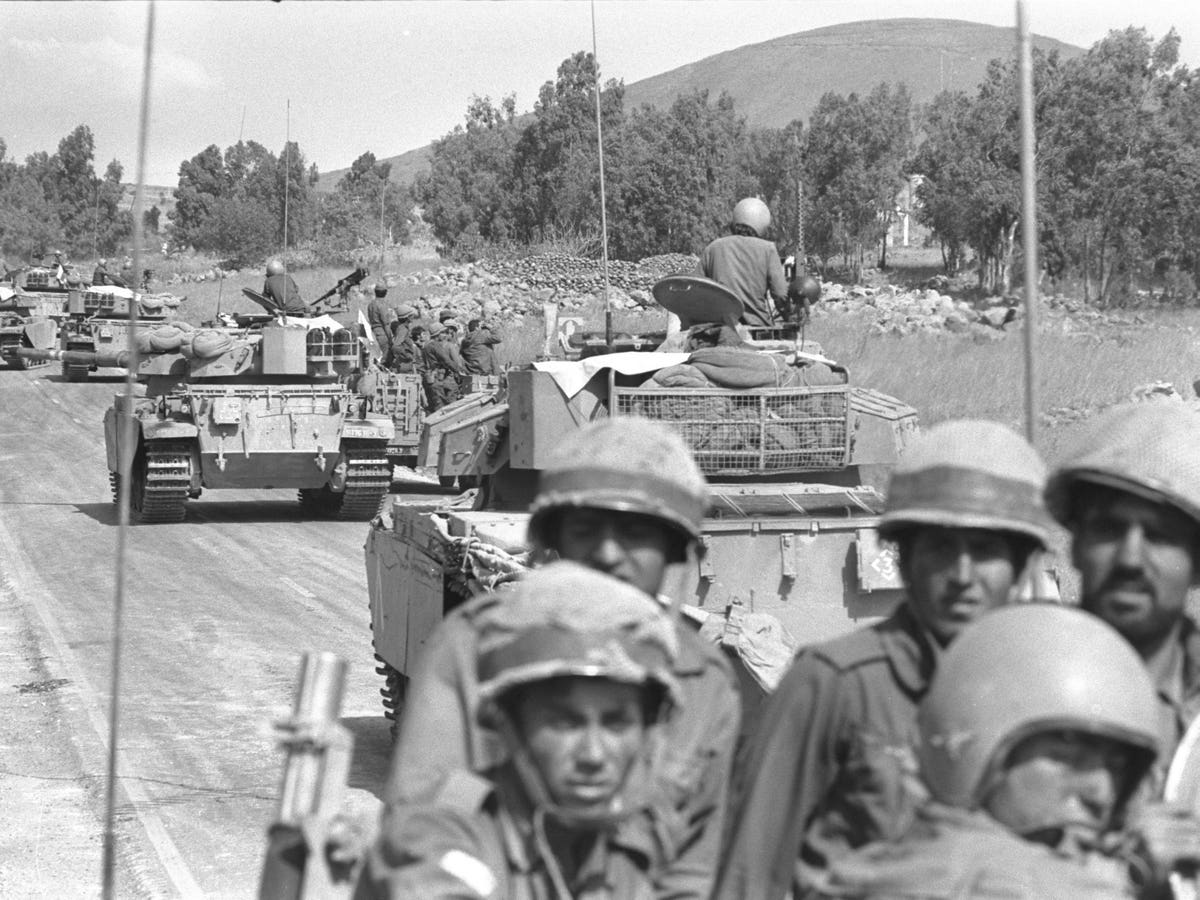
At 12:30 on Friday, the IDF Intelligence Directorate issued its last pre-war bulletin. It noted extensive military preparations in Egypt and Syria and reports that war was imminent. “However, we assume that the strategic level in Egypt and Syria is aware of the absence of any chances of success.” Along the Suez Canal, 450 Israeli soldiers waited in the Bar-Lev line forts, backed by 90 tanks. Across the canal, not yet visible behind the ramparts, were 100,000 Egyptian soldiers and 1,350 tanks. Similar odds prevailed along the front line on the Golan. The odds would become somewhat more balanced when Israel’s reserve divisions reached the battlefields in the next two days.
It would be the Mossad’s Zamir, not Aman’s Zeira, who would bury “low probability” after a midnight meeting in London on Yom Kippur eve with Marwan, who reported that war would break out the next day on two fronts. Arriving early the next morning at IDF headquarters, Elazar encountered Zeira, who insisted that Sadat would not go to war. The chief of staff chose to humor him. “Let’s act as if there will be a war.”
One of Elazar’s earliest moves after war broke out was to reassign the officers in the Intelligence Directorate closest to Zeira, though he kept Zeira in place for reasons not clear. On the fifth day, Elazar said, “This war can’t be won.” By the 18th day, the IDF was on the road to Cairo and shelling Damascus, and there it ended. Zeira competently served as the army’s chief intelligence officer during its two-pronged drive. But the Agranat commission was waiting for him.
The Commission recommended dismissal of Zeira as chief of intelligence “for grave failures.” The IDF as a whole was chastised for permitting its military doctrine to “stagnate” since the Six-Day War. Chief of Staff Elazar was likewise obliged to leave the army despite the respect of those around him for his stalwart leadership during the war.
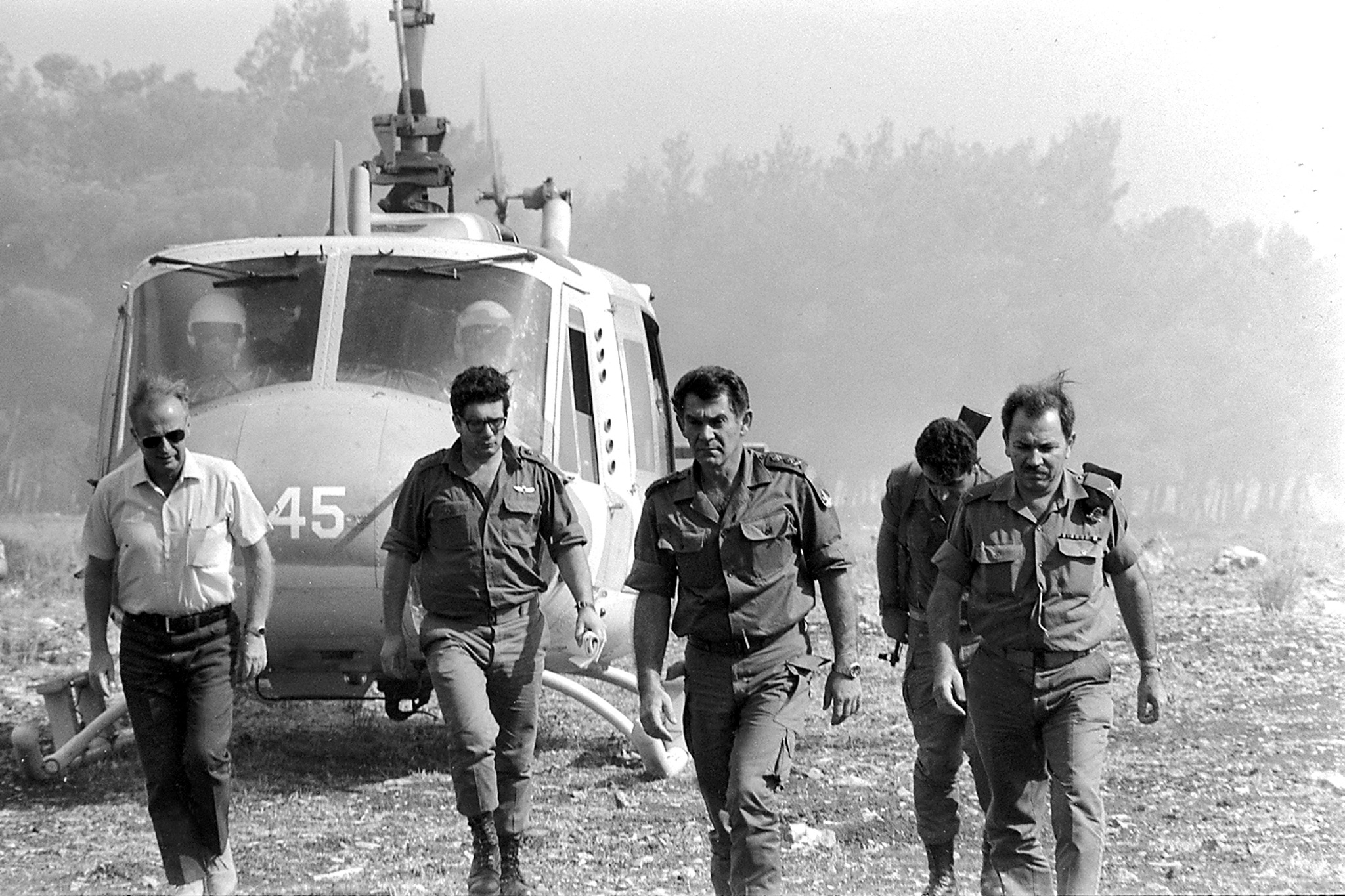
Zeira traveled to Stanford University for a year of study and then resigned from the army. He subsequently served as a consultant to foreign governments. He continued to describe Marwan as a double agent, but few in the intelligence community agreed. Marwan, in fact, continued providing intelligence for Israel from the Arab world for years after the war for handsome fees. The Israeli public regarded Zeira with disdain for blocking mobilization and for his attempts to minimize his role by saying that other people, including political figures, shared responsibility for what happened on Yom Kippur.
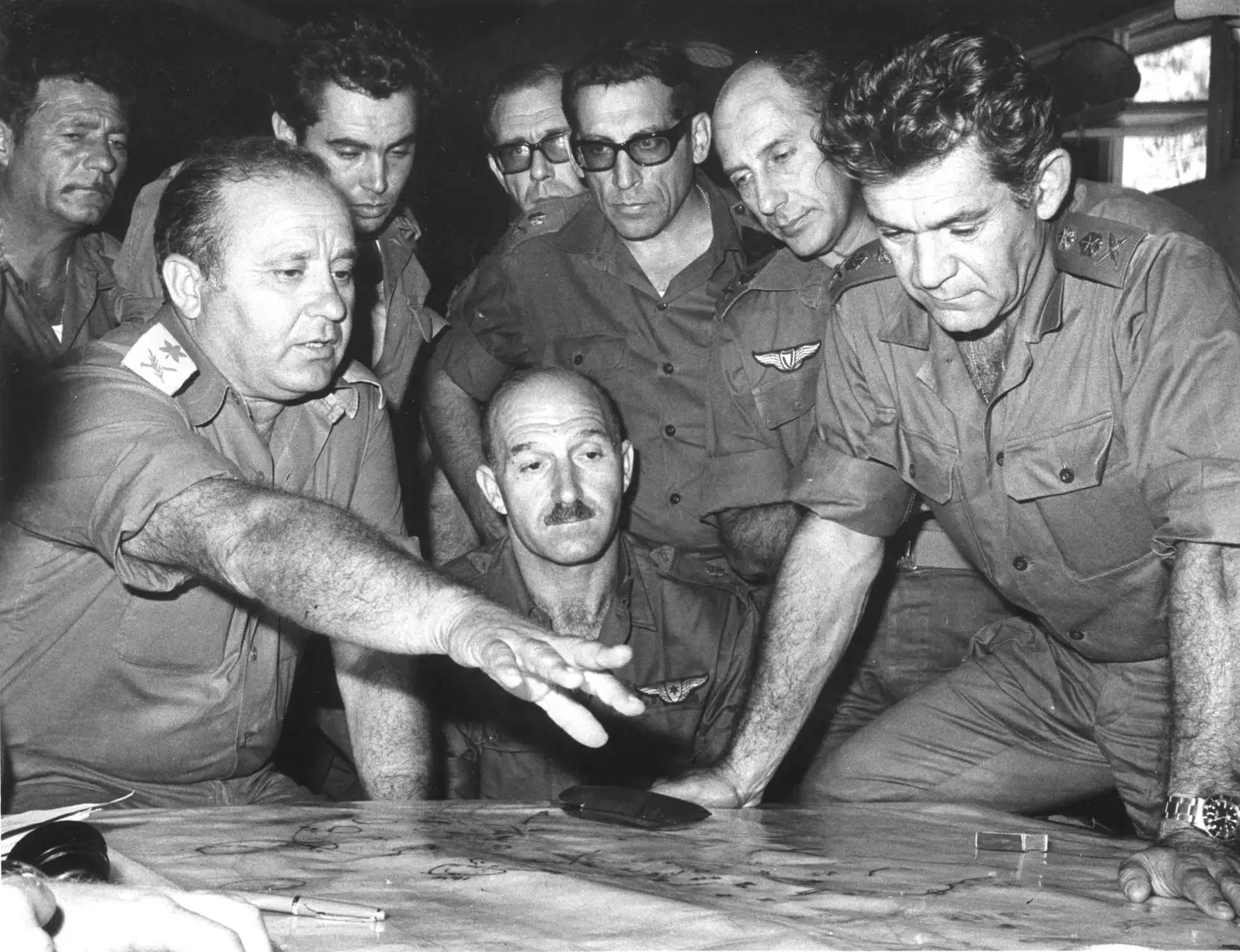
His had been too big a blunder with too facile a motive for one man to take upon himself. And it was not his last mistake. Decades after the war, he leaked to reporters the identity of the Egyptian spy who had long been the best source for Israeli intelligence. The story was picked up by the Egyptian press, and not long afterward, Marwan jumped — or was pushed — from his London balcony to his death.
Israeli historian Aviram Barkai, in what may have been the last interview the former intelligence chief gave, quotes Zeira as saying that his actions on the eve of the Yom Kippur War were “the biggest mistake of my life.”
The writer is the author of “The Yom Kippur War” (Schocken), “The Boats of Cherbourg” and “The Battle for Jerusalem.”

The Times of Israel Community.