

6 wounded after Hezbollah rocket impact sparks fire in northern Israel
IDF begins ‘targeted ground op’ to expand south Lebanon buffer against Hezbollah; Katz says displaced Lebanese will not return to area until residents of Israel’s north are safe
 Add ToI as a Preferred Source on Google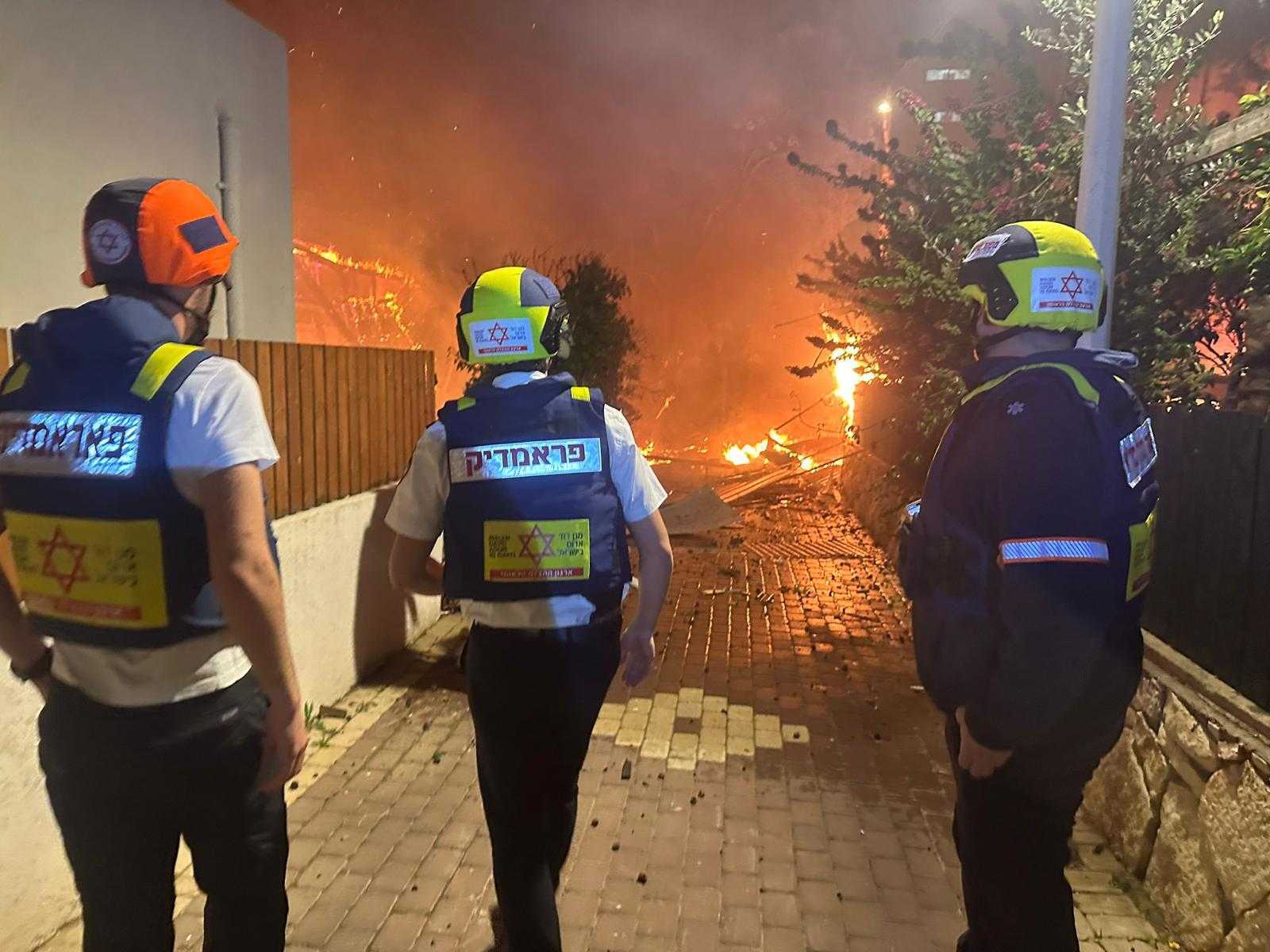
A Hezbollah rocket impacted in northern Israel on Monday evening, sparking a fire and wounding several people, hours after the IDF announced it was deploying troops further into southern Lebanon.
Rocket and drone fire from the Lebanese terror group rained down on northern Israel throughout the day, with a rocket impacting in Nahariya shortly after 6 p.m.
According to the Magen David Adom ambulance service, the rocket in Nahariya wounded six people, including two adults and four minors who were treated for signs of smoke inhalation after a fire was sparked by the impact.
All six were listed in good condition after being treated.
At another impact site, near Kibbutz Kabri, a man in his 40s was listed in light-to-moderate condition after being hit by a blast, MDA said.
Throughout Monday morning, sirens had sounded in the Galilee Panhandle and in communities near the Lebanon border, amid rocket fire by the terror group. There were no reports of injuries in those attacks.
תיעוד: פגיעה ישירה בנהריה, מד"א מטפלים בנפגע אחד לפחות@ItayBlumental @CBeyar pic.twitter.com/q0JRECqvt5
— כאן חדשות (@kann_news) March 16, 2026
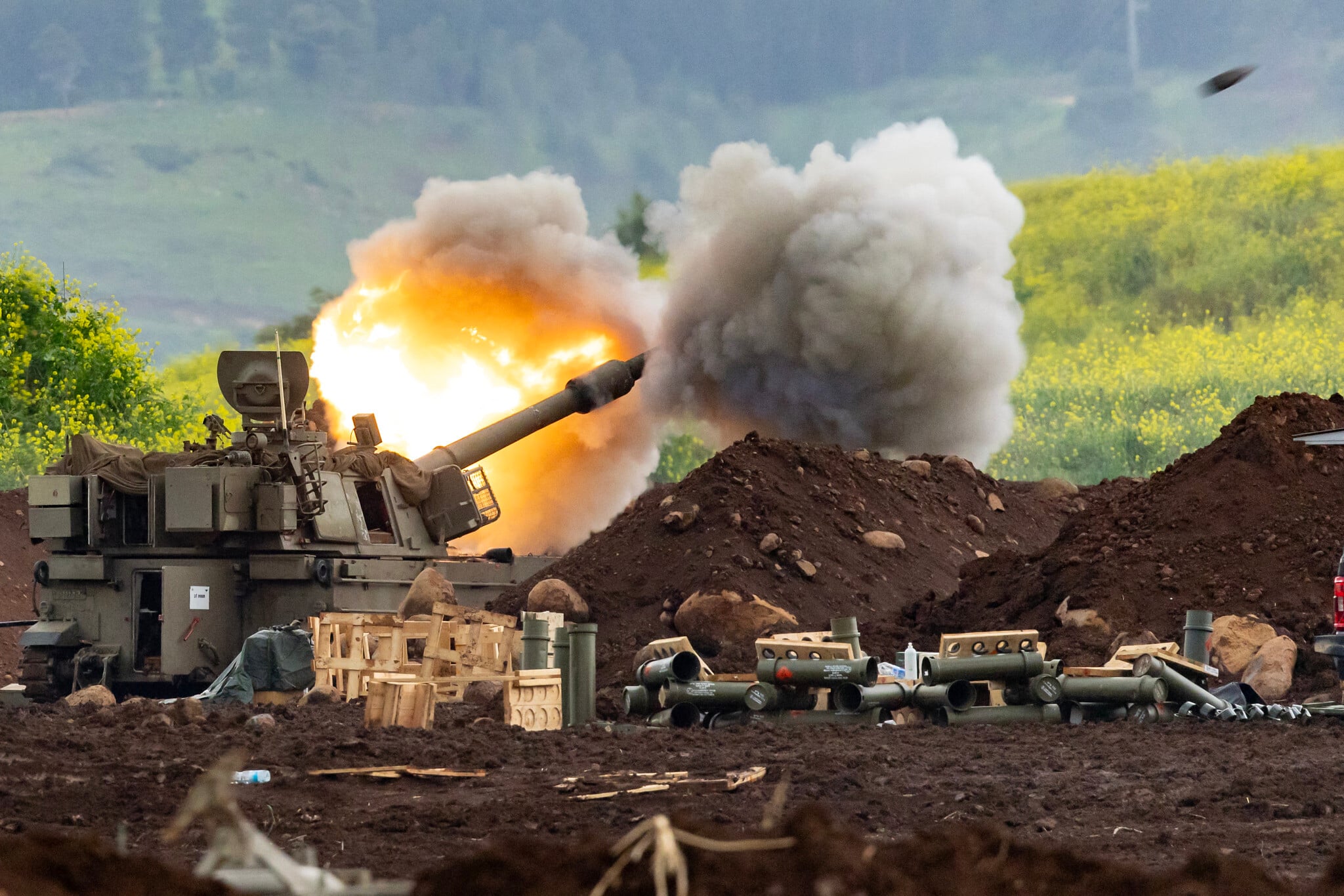
The IDF said earlier Monday that it had begun a “targeted ground operation against key targets” in southern Lebanon, pushing more forces deeper into the area as part of an expanded buffer zone, after Hezbollah began attacking Israel earlier this month amid the US-Israeli war with Iran.
Defense Minister Israel Katz said the operation would continue until Hezbollah no longer poses a threat to the residents of northern Israel, and said displaced Lebanese would not return to their homes until then.
The 91st “Galilee” Regional Division began a raid late Saturday in the eastern sector of southern Lebanon, during which troops encountered and killed several Hezbollah operatives, according to the military.
The IDF said the operation was aimed at expanding “the forward defense area.”
“This operation is part of the effort to establish forward defense, including the destruction of terror infrastructure and the elimination of terrorists operating in the area, to remove threats and create an additional layer of security for residents of the north,” the military said.
Before the troops pushed into the area, the IDF said it carried out massive airstrikes and artillery shelling “to remove threats.”
Meanwhile, the 146th Reserve Division remains deployed to the western sector of southern Lebanon, and the 36th Division has been carrying out a raid in the eastern sector.
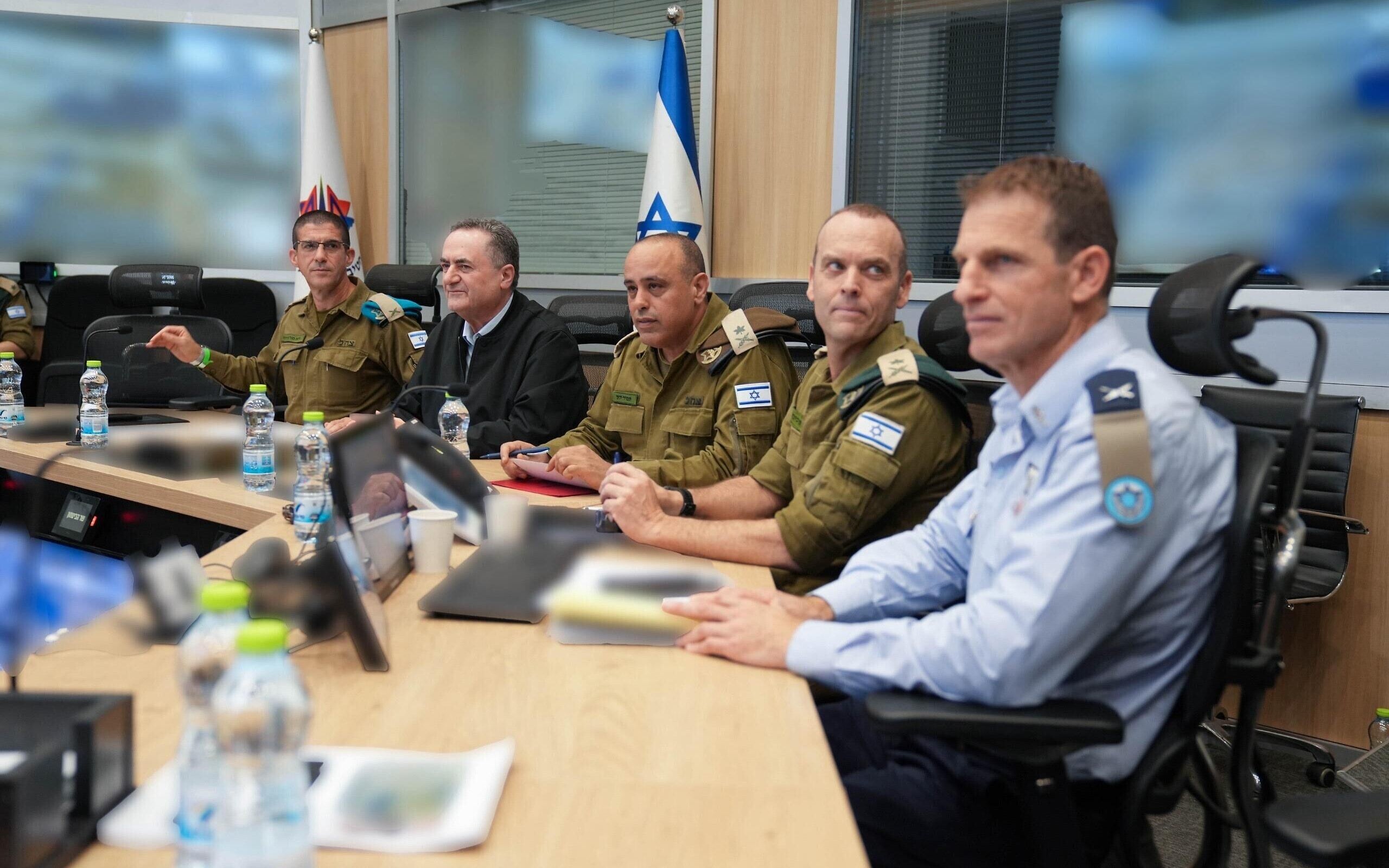
The defense minister, after holding an assessment with army brass, said: “The IDF has begun a ground maneuver in Lebanon to remove threats and protect the residents of the Galilee and the north.”
“Hundreds of thousands of Shiite residents of south Lebanon who have evacuated and are evacuating from their homes will not return to the area south of the Litani [River] until the safety of the residents of the north is guaranteed,” Katz said.
He added that the operation in south Lebanon is meant to resemble the military’s operations in Gaza during its two-year war against Hamas.
Katz said that he and Prime Minister Benjamin Netanyahu have told the military to destroy terror infrastructure close to the border in order to prevent Hezbollah’s return, “just as was done against Hamas in Rafah, Beit Hanoun, and the terror tunnels in Gaza.”
The defense minister vowed to restore a sense of security to the residents of northern Israel, saying that Hezbollah leader Naim Qassem is hiding underground as his actions make over a million Lebanese “refugees in their own country.”
Katz said that if the Hezbollah chief misses his predecessor Hassan Nasrallah and former Iranian supreme leader Ali Khamenei, both of whom were killed by Israel, “he will soon be able to meet them in the depths of hell.”
Hezbollah will pay a “heavy price” for its efforts to destroy Israel, Katz said.
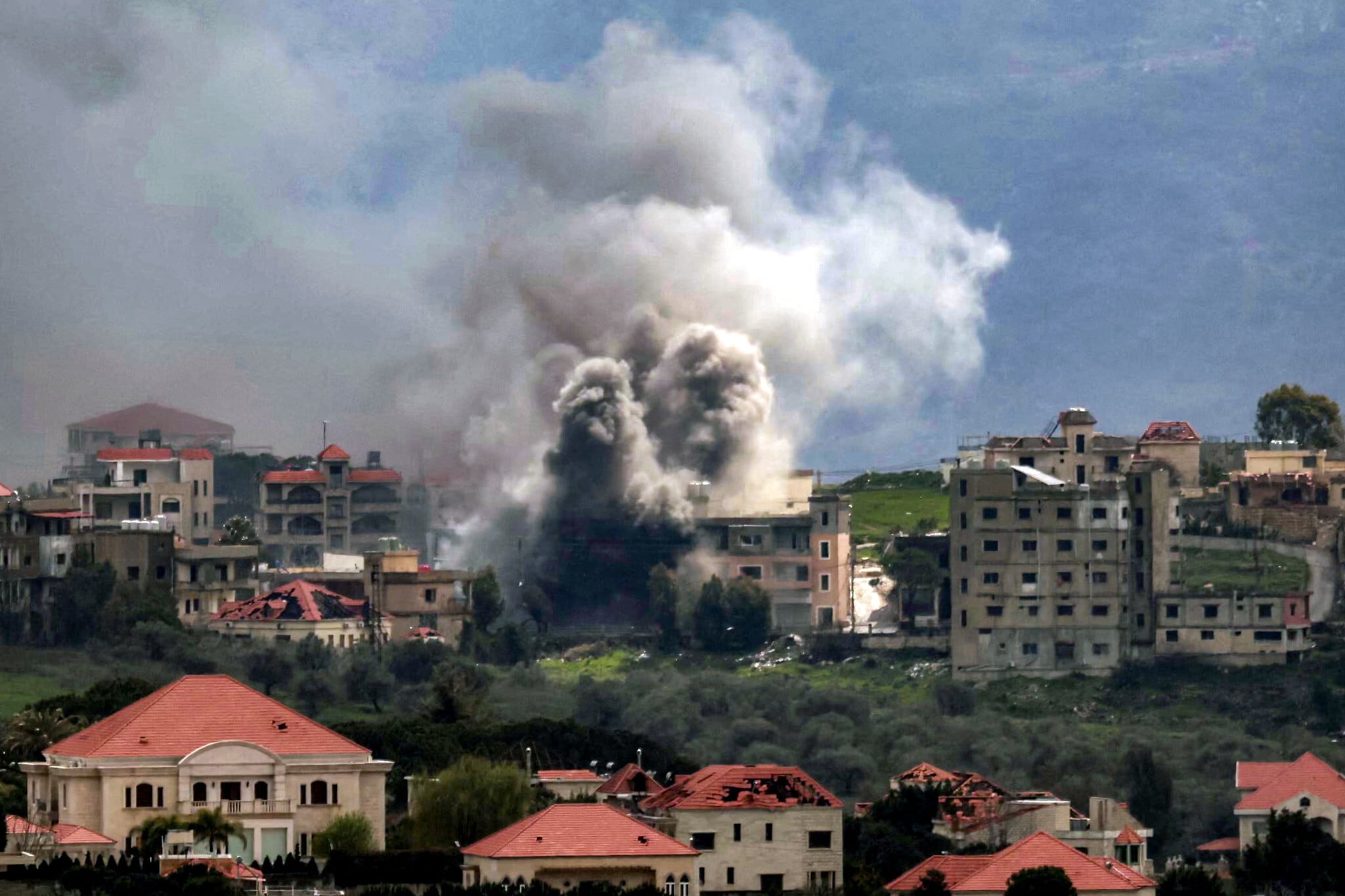
The IDF has been preparing to deploy more forces in southern Lebanon and further expand its buffer zone to push away the threat of Hezbollah from the border.
Multiple recent reports have indicated that Israel is planning a large-scale ground operation in southern Lebanon aimed at uprooting Hezbollah. Defense Minister Israel Katz has even threatened to seize territory there.
In recent days, there have also been several reports of plans for direct talks between Israel and the Lebanese national government, which has previously pledged to crack down on the terror group. Foreign Minister Gideon Sa’ar has denied such plans, despite reports citing Israeli officials.
Since March 2, when Hezbollah began attacking Israel in response to the killing of Iran’s supreme leader Ali Khamenei, the terror group has launched around 100 rockets a day, according to the IDF, as well as more than a hundred drones over the entire period.
The IDF has said that Hezbollah is launching most of its attacks from deeper within southern Lebanon, and not from close to the border.
The attacks came following a period of relative quiet after a November 2024 truce agreement mostly ended a previous round of fighting, which had begun when Hezbollah attacked Israel on October 8, 2023.
Overnight Sunday-Monday, the IDF said it had launched a new wave of airstrikes against Hezbollah infrastructure in Beirut.
No further details were given by the military.
Earlier, the IDF had repeated an evacuation warning for several neighborhoods in Beirut’s southern suburbs, a Hezbollah stronghold.
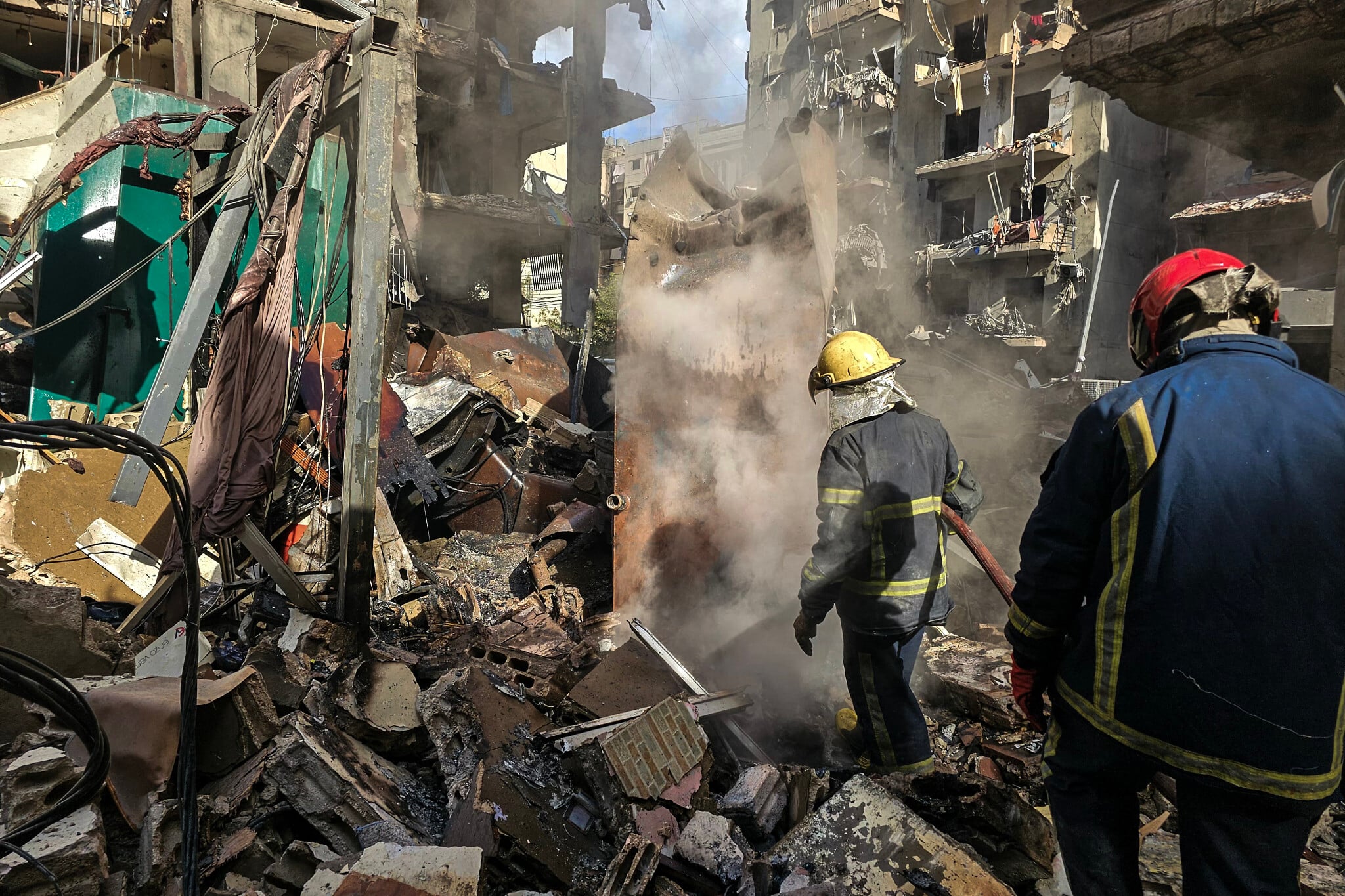
Meanwhile, after Lebanon outlawed Hezbollah military activity earlier this month following the terror group’s renewed fighting against Israel, a Lebanese judge began legal proceedings against four Hezbollah members for weapons offenses on Monday.
A Lebanese judicial official told AFP, speaking on condition of anonymity, that two of the four Hezbollah members “were arrested while transporting rockets towards south Lebanon,” while the others were found in possession of “unlicensed military weapons.”
The judge has referred the case “to the first investigating judge in Beirut… requesting they be questioned and arrest warrants issued,” the official added.
Earlier this month, three Hezbollah members were released on bail of around $20 after being questioned in the military court over the alleged possession of unlicensed military weapons, in a move that sparked controversy and anger.

The Times of Israel Community.