

Sa’ar denies reports of talks with Lebanon as Hezbollah keeps up fire on Israel
Energy minister says Israel could cancel the ‘horrible and illegitimate’ 2022 maritime border deal with Lebanon, as government criticizes Beirut for failing to rein in terror group
 Add ToI as a Preferred Source on Google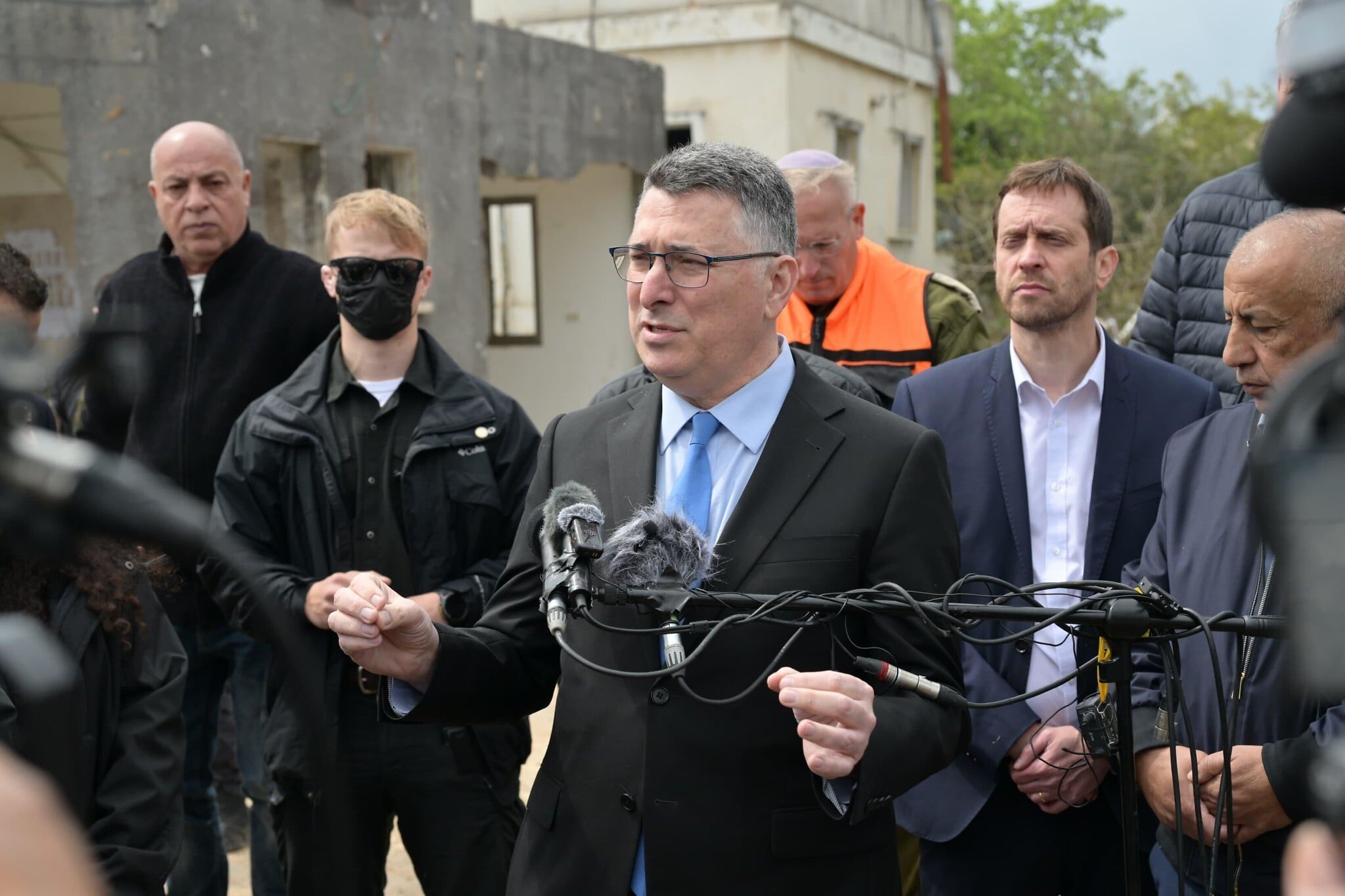
Foreign Minister Gideon Sa’ar denied reports on Sunday that Israel and Lebanon are set to hold direct talks in the coming days amid the fighting with Hezbollah, and demanded that Beirut first act against the terror group on its soil.
Sa’ar’s comments, made as he visited the site of an Iranian missile impact in the northern Bedouin town of Zarzir, came as Hezbollah continued to fire rockets and drones at Israel, setting off warning sirens as far south as Tel Aviv and sending large swaths of the country running for shelter.
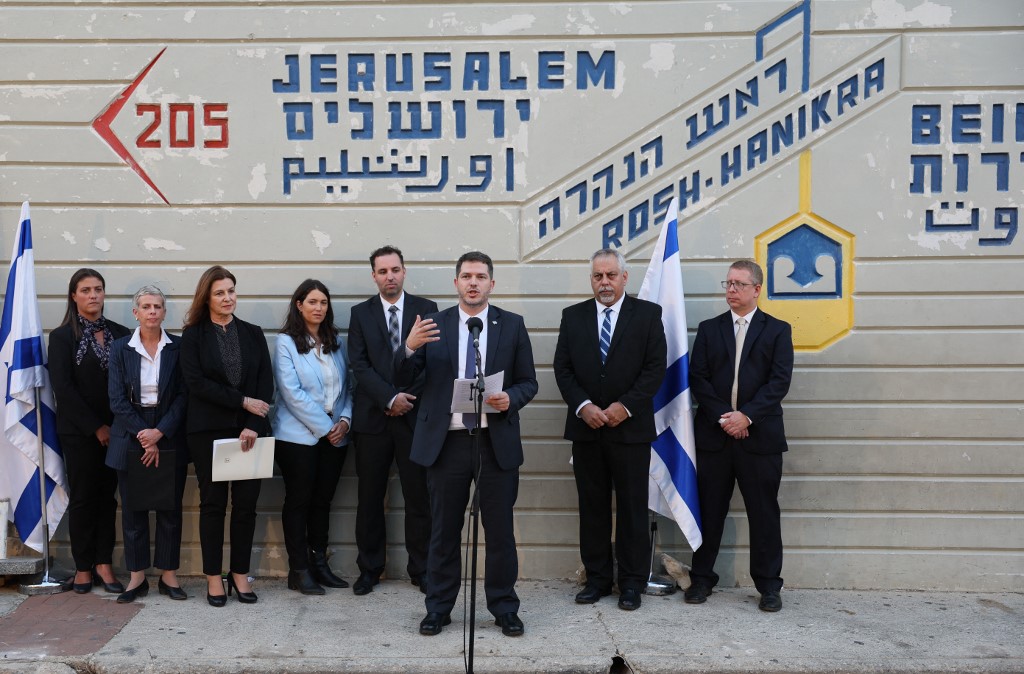
Israel, meanwhile, continued to strike at Hezbollah targets in Lebanon, with reports saying it was eyeing a wider offensive in the country’s south.
Sa’ar’s appearance followed reports that Beirut and Jerusalem are expected to discuss an agreement on confronting Hezbollah and possibly on broader cooperation. Asked by a Reuters reporter if he could confirm those reports, the foreign minister said, “No.”
“If the Lebanese government and the Lebanese army want to change something, they should do something in order to stop the attacks being done by Hezbollah from Lebanese territory,” Sa’ar said. “Until now, they hadn’t done anything significant in order to stop” Hezbollah’s attacks.
Lebanon has urged Hezbollah to disarm and drew up a plan to get the terror group to lay down its weapons. But Sa’ar claimed that ever since the November 2024 US-brokered ceasefire with the Iran-backed terror group, “Lebanon hadn’t really done what it should have done in order to dismantle Hezbollah, and we see now the results. And we also expect to take some serious steps from their side to stop the shootings on Israel. This is the practical thing to do right now.”
“We are all for peace and normalization in the future, including with Lebanon. I think the problem in Lebanon is Hezbollah. We don’t have real disputes with the state of Lebanon. We have some minor border disputes that can be solved quite easily. But the problem is Hezbollah,” he added.
Sa’ar’s comments appeared to conflict with a report Sunday from Army Radio that former strategic affairs minister Ron Dermer, a close aide of Prime Minister Benjamin Netanyahu, recently visited Saudi Arabia to discuss with senior Saudi officials an initiative for a possible agreement with the Lebanese government.
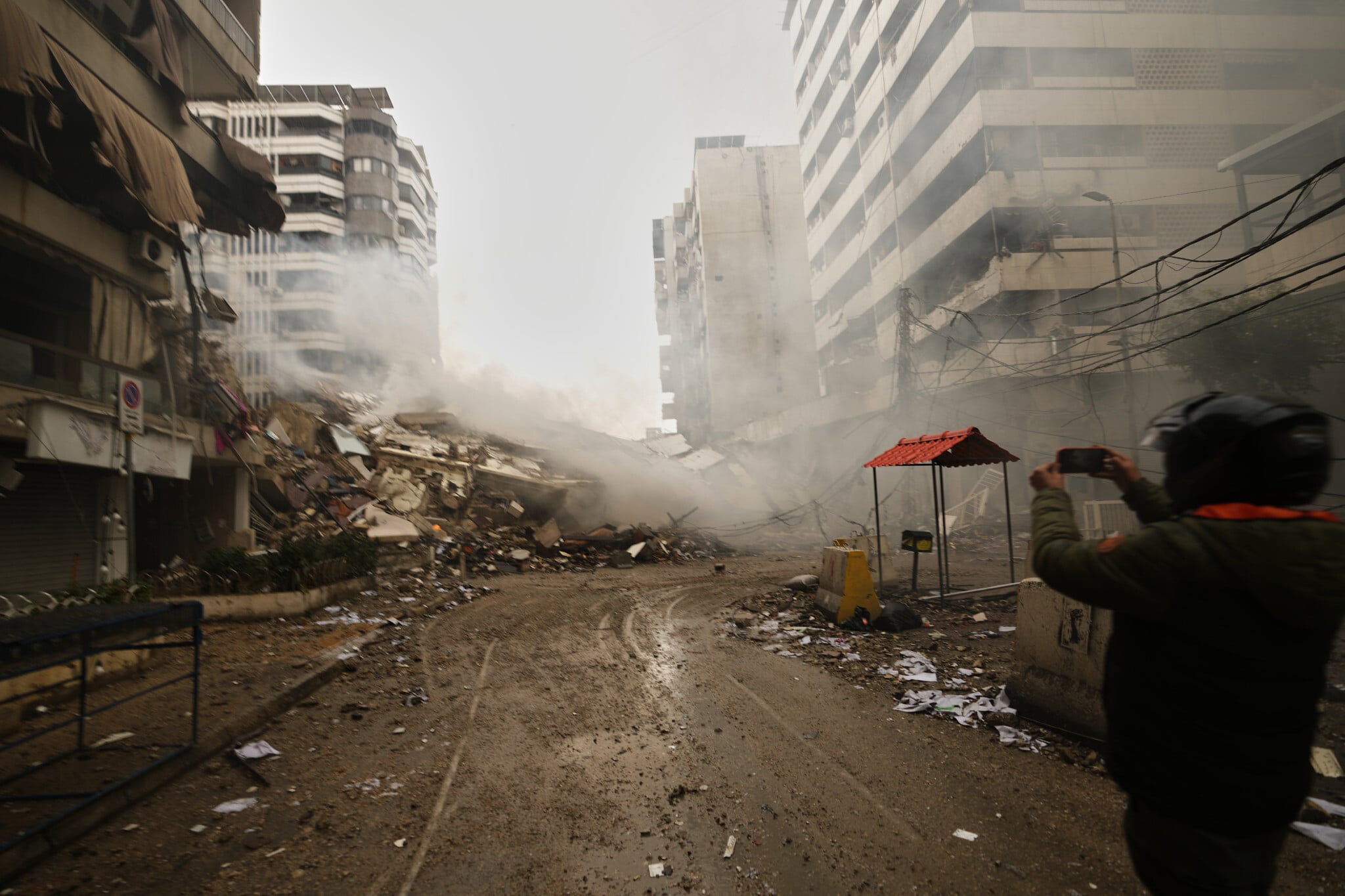
Dermer has reportedly been enlisted to head the Lebanon file for the prime minister. According to Army Radio, Lebanon, the US, and France are involved in the efforts to agree on what the Lebanon-Israel relationship could look like after the conflict with Hezbollah ends.
The anti-Hezbollah government in Lebanon wants to hold direct talks with Israel in a third country, said the report.
Energy Minister Eli Cohen also downplayed the chances of a Lebanon-Israel agreement, telling Army Radio on Sunday that he was “skeptical” one could be reached. He also called on the Lebanese government to do more to combat Hezbollah.
“We know there’s an almost wall-to-wall coalition… against Hezbollah,” he said. “We know that the president of Lebanon and the army of Lebanon want to disarm Hezbollah, but they can’t, so if you make an agreement with the government of Lebanon, but the military power stays in the hands of Hezbollah, which is controlled from Tehran, it’s hard to see this happening practically.”
Cohen added that the cabinet is considering rescinding the 2022 agreement between Israel and Lebanon that set a maritime border between the two countries. The agreement was inked under the leadership of former prime minister Yair Lapid, and since returning to office, Netanyahu has criticized it as a “surrender” that yielded too much to Lebanon.
Cohen, a member of Netanyahu’s Likud party, echoed that criticism in his interview, calling the agreement a “surrender document” and claiming that it was “born in sin on the eve of elections.”
“It’s a horrible and illegitimate agreement, and so from my standpoint, we must act and cancel this gas agreement,” he said. “This has come up in the cabinet and certainly this matter is being considered, and we must act on it. It never should have been signed.”
Hezbollah fires 10 rockets at Haifa area, one at Tel Aviv
Early Sunday morning, a long-range rocket launched by Hezbollah from Lebanon at central Israel was intercepted by air defenses, according to initial IDF assessments. There were no reports of injuries.
In a barrage later in the morning, Hezbollah fired approximately 10 rockets at the Haifa area on the northern coast. There were no reports of injuries. Shortly afterward, sirens sounded in Acre and the surrounding towns amid more Hezbollah rocket fire.
The terror group continued to fire rockets and drones at Israel throughout the morning and into the afternoon.
Hezbollah began to fire missiles and drones across the border on March 2, two days after the US and Israel began strikes on the terror group’s sponsor, Iran. Since then, it has launched some 100 rockets a day, according to the IDF.
The IDF says two-thirds of those rockets have been aimed at Israeli forces operating in southern Lebanon and along the border, while a third have been aimed at Israel.
In addition, Hezbollah has launched more than 100 drones at Israel since the hostilities escalated, the vast majority of which were shot down by the Israeli Air Force, according to the military.
IDF kills Hamas official, terror group says
An Israeli strike in south Lebanon’s Sidon area Sunday killed a Hamas official, a source from the Palestinian terror group said.
The source, requesting anonymity, said the strike killed Hamas official Wissam Taha. State media had reported a strike on an apartment in a residential building in a northern district of Sidon.
In addition, the IDF said that during a wave of airstrikes in Lebanon Saturday, it struck Hezbollah rocket launchers and other infrastructure.
In the al-Qatrani area of south Lebanon, the military said, it struck several Hezbollah rocket-launching sites where operatives had planned “imminent” fire on Israel.
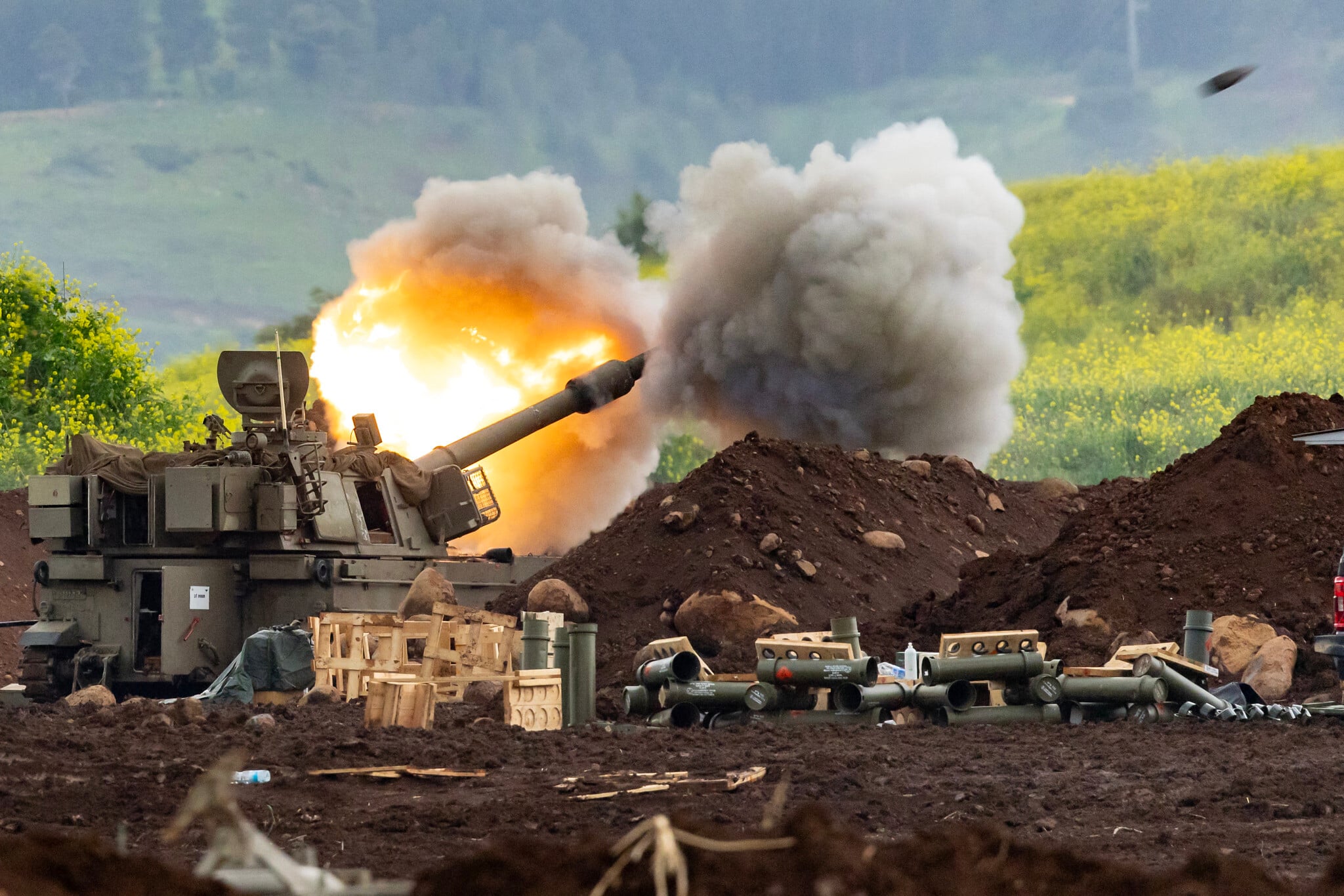
In Beirut, the IDF said it struck and destroyed command centers of Hezbollah’s elite Radwan Force, where operatives had been “advancing terror attacks against Israel and its citizens.”
Separately, the military announced that a Palestinian terror operative who was working on behalf of Iran had been killed in an airstrike in Lebanon on Friday.
According to the military, Muhammad Majed Abd al-Salam Tawfiq Zidan was a “key Palestinian terrorist who operated under the intelligence of the Iranian terror regime and attempted to advance terror attacks” against Israel.
צה"ל ושב"כ חיסלו מחבל מרכזי בלבנון שפעל במודיעין משטר הטרור האיראני
בפעילות משותפת של צה״ל ושב"כ חוסל בלבנון בסוף השבוע מחמד מאג׳ד עבד אלסלאם תופיק זידאן, מחבל פלסטיני מרכזי שפעל תחת המודיעין של משטר הטרור האיראני וניסה לקדם מתווי טרור בתוך שטח מדינת ישראל.
משטר הטרור האיראני… pic.twitter.com/PUt1UPJw0g
— צבא ההגנה לישראל (@idfonline) March 15, 2026
Lebanon’s health ministry said in an updated toll on Sunday that 850 people had been killed in the country since fighting between Israel and Hezbollah renewed some two weeks ago.
The ministry statement said the toll included 66 women, 107 children, and 32 health workers, with 2,105 other people wounded. The statement did not distinguish between combatants and civilians.
AFP and Times of Israel staff contributed to this report.







The Times of Israel Community.