

IDF chief tells parents of last hostage Ran Gvili there’s ‘room for optimism’
Supporters demand no progress on Gaza ceasefire before Gvili’s body is returned; family says they are encouraged by continued, ongoing support from the public
 Add ToI as a Preferred Source on Google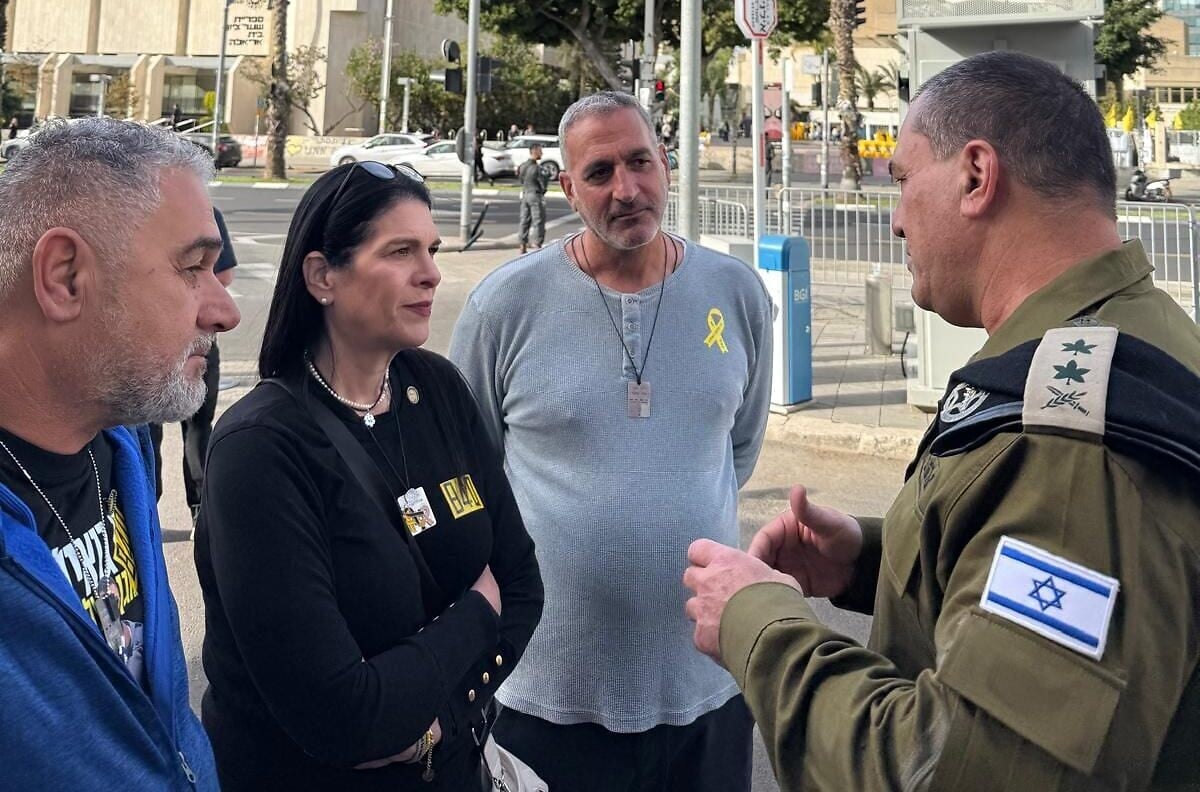
IDF Chief of Staff Lt. Gen. Eyal Zamir stopped at the weekly Friday rally held by the family of deceased hostage Ran Gvili, the last Israeli held by Hamas in Gaza, and told his parents that there was “room for optimism” for their son’s return, according to Channel 12.
Zamir stopped his vehicle at the military headquarters’ entrance across the street from Hostages’ Square in Tel Aviv, and made his way to Gvili’s parents who were leading the rally demanding no progress on the Gaza ceasefire until his body is returned.
“The chief of staff emphasized that the mission to return him is at the forefront of the minds and hearts of all IDF soldiers, from the chief of staff to the very last soldier,” and that the IDF is “constantly working across all efforts to bring him home as soon as possible,” the military said in a statement.
In footage released by the military, Gvili’s mother Talik could be heard telling the general: “We trust you, really. We trust you a lot.”
Gvili, a 24-year-old policeman, was killed defending Kibbutz Alumim in southern Israel during the Hamas-led onslaught of October 7, 2023, which sparked the war in Gaza. He rushed to the fight even as he was awaiting surgery for a shoulder injury.
When he became the last remaining hostage in December, his family announced they would discontinue Saturday night rallies for the hostages and instead attend the Kibbutz Movement’s Kabbalat Shabbat services at Hostages’ Square on Friday afternoons.
At the gathering this Friday, Gvili’s younger sister Shira said she was doing everything in her power to ensure his return, and that she was “surprised anew every time” at how many people show up to support her family at the gatherings.
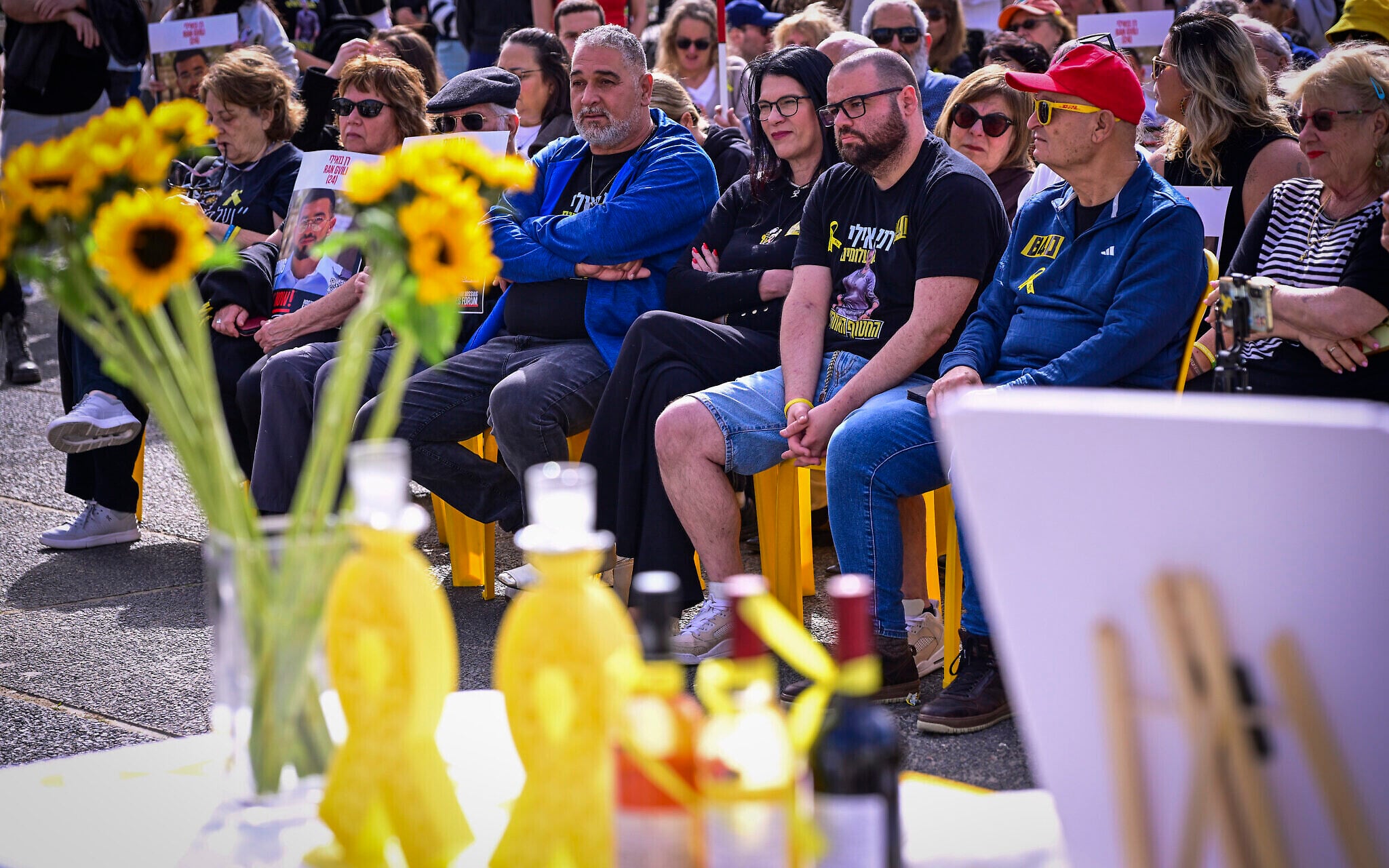
“It’s hard for me to come to all these events,” she said. “It’s become a routine.”
“My one request is that we remain united, in solidarity, like we are here today,” she said.
This Friday’s service was hosted by Kibbutz Ein Tzurim and was attended by former hostage families as well as Segev Kalfon and Eitan Horn — two of the 20 last living hostages who were released from Hamas captivity on October 13 under the ceasefire deal that was reached four days prior.
Kalfon, who was abducted from the Re’im-area Nova music festival, said Gvili was one of the many “superheroes” who have emerged in Israel amid the war with Hamas.
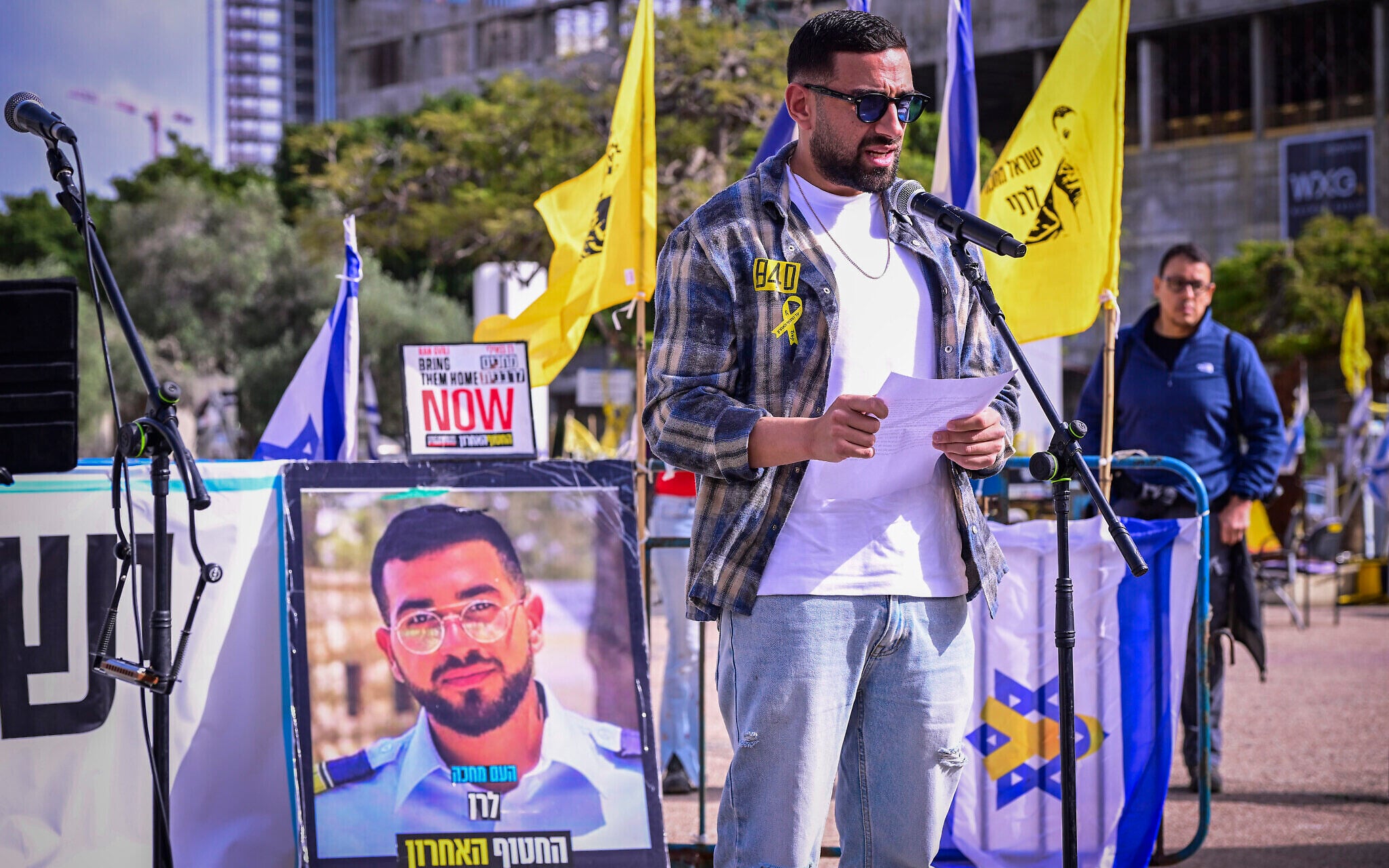
“I’m Segev, and I’m home, and I came back to life 102 days ago,” said Kalfon. “I’m learning to live again, and I’m also learning about everything that happened here, and about the many superheroes in this country.”
“Ran rushed to the rescue even though he was injured, and you could even say he tried to save me,” said Kalfon. “I see the pictures of Ran… and I know we could have been friends.”
“Ran should have come back long ago,” said Kalfon. “Now everyone’s talking about phase two, and Ran’s still there.”
Under US President Donald Trump’s Gaza peace plan, the second phase of the ceasefire, which includes further Israeli withdrawals and the opening of the border crossing with Egypt, was not supposed to begin until the return of all hostages, living and dead. Nonetheless, the US announced earlier this month that the second phase had begun. Gvili’s family has demanded that Israel not make any concessions before his body is returned.
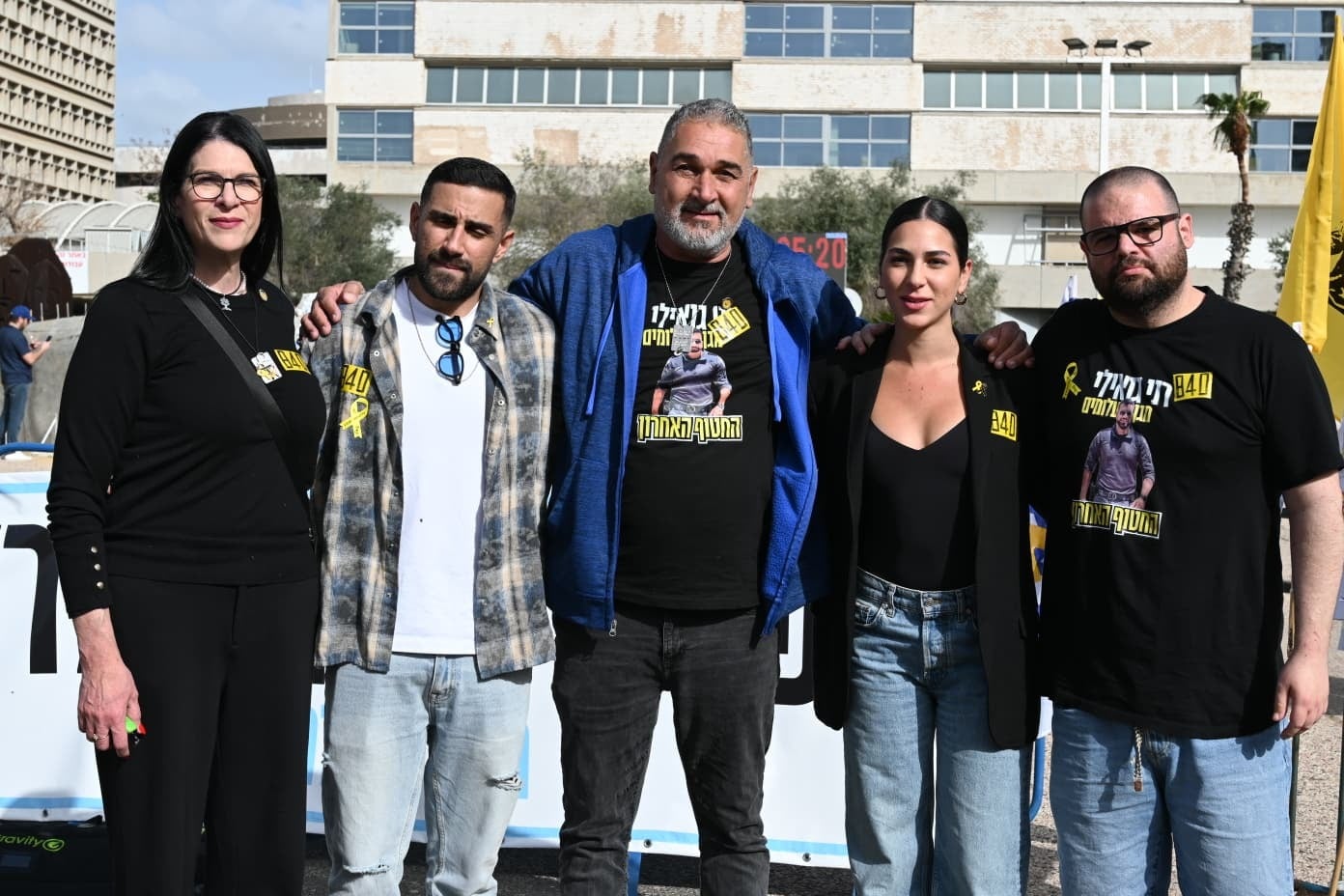
Hadassah Lazar, sister of slain hostage Shlomo Mantzur, also called for a halt to phase two of the Gaza ceasefire until Gvili’s body is returned home, “as promised to his family.”
“We demand Ran’s return home, to the country he defended,” she said. “We demand Ran’s return, not as a gesture or a favor, but as a moral duty.”
Mantzur, who was the oldest hostage in Gaza, was 85-years-old when he was murdered at his home in Kibbutz Alumim, and his body was abducted to Gaza during the October 7 attack. His sister said Mantzur knew the Gvili family, having met Ran’s father, Itzik, when Itzik was stationed in Kissufim as a soldier.
“We buried Shlomo at Kissufim with a broken heart,” she said. “The broken hearts pass from generation to generation.”
Times of Israel staff contributed to this report.









The Times of Israel Community.