

In rare find, Israeli archaeologists discover intact 4,000-year-old lamp wicks
While commonly in use during Bronze Age, wicks usually do not survive as they either were burned or decompose in soil
 Add ToI as a Preferred Source on Google
Israeli archaeologists discovered rare preserved lamp wicks believed to be some 4,000 years old during excavations for a new neighborhood in Yehud, in central Israel, the Israel Antiquities Authority announced on Sunday.
The wicks, which are among the oldest discovered in the world, are a rare find, the IAA said in a study they published in ATIQOT on Tuesday, because wicks were either burned while in use or have decomposed in the soil, especially in Mediterranean climates.
When they do survive and are discovered in archaeological digs, they cannot be definitively classified as wicks unless they are found in lamps because they are otherwise indistinguishable from scraps of material.
Although wicks were a common product in the ancient world, IAA researchers Dr. Naama Sukenik and Dr. Yonah Maor said in the statement that it was “a unique discovery that we did not expect could ever be found in the moist Mediterranean climate,” adding that “these wicks are among the few of their era known to us in the world.”
The IAA’s three wicks were found in oil lamps from Newe Efrayim tombs dated to 2500-2000 BCE. The researchers said this was because oil lamps were commonly placed in tombs at the time.
Excavation directors Dr. Gilad Itach, Yossi Elisha, and Yaniv Agmon explained that “while these lamps must have been used to illuminate the underground dark burial space during the burial ceremony itself, it seems that this was not their only function.”
“The fire burning in a lamp has been associated with magical power since the dawn of humankind, thanks to its ability to provide light and heat, and its ability to transform materials in various ways, including burning, melting and firing,” they said.
They added that while there are no writings from the era in Israel, sources from the Near East “demonstrate the central role of fire in burial ceremonies. Just like today, thousands of years ago, the fire burning in a lamp symbolized the human soul.”
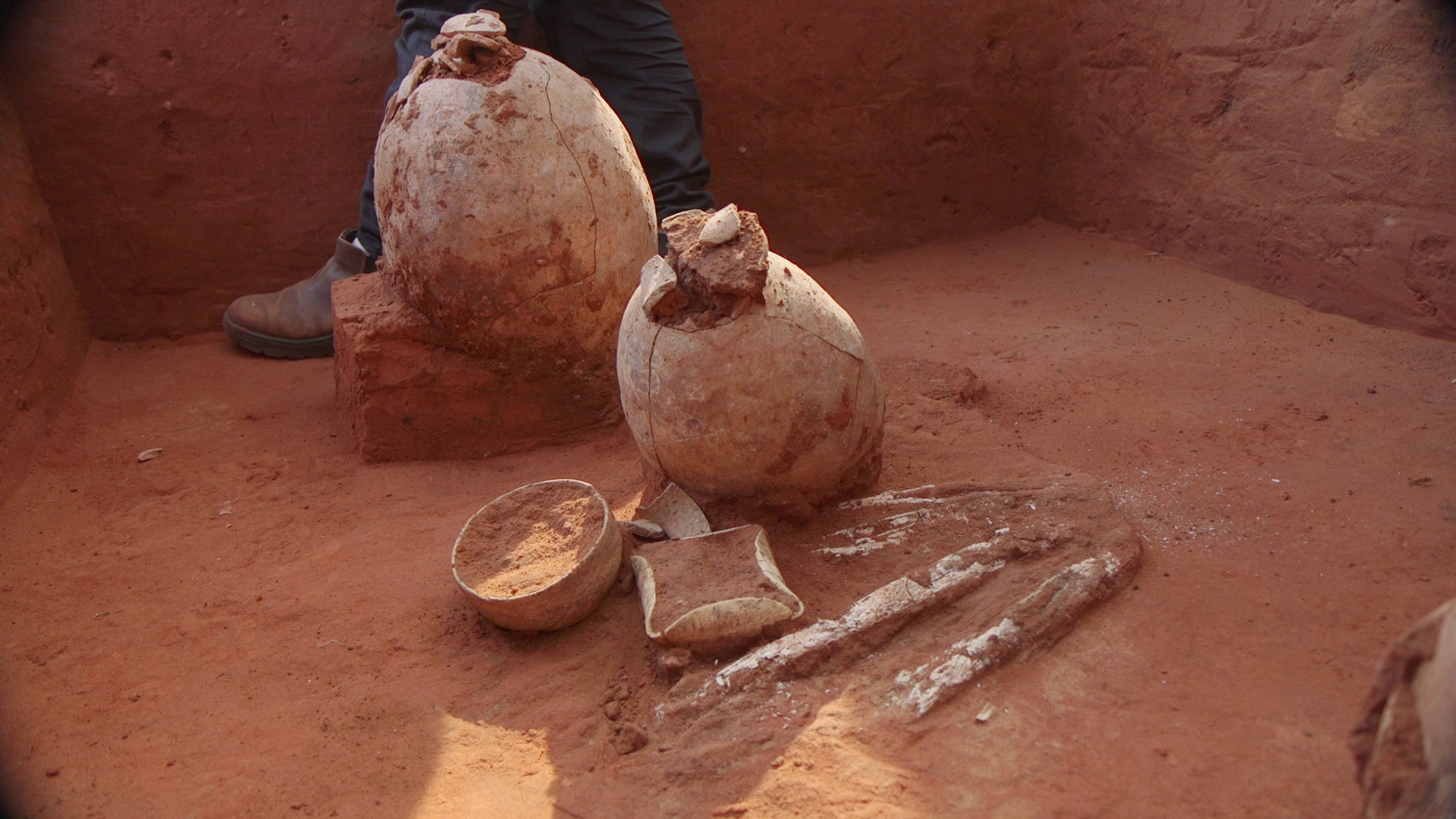
Two of the wicks were found while their lamps were undergoing preliminary cleaning after their excavation, and a third was discovered during conservation work at the IAA’s laboratories.
The wicks were made of woven textile, which the researchers believed was linen due to common practice in the era and linen’s higher efficacy for burning, but the researchers stressed that they could not be sure.
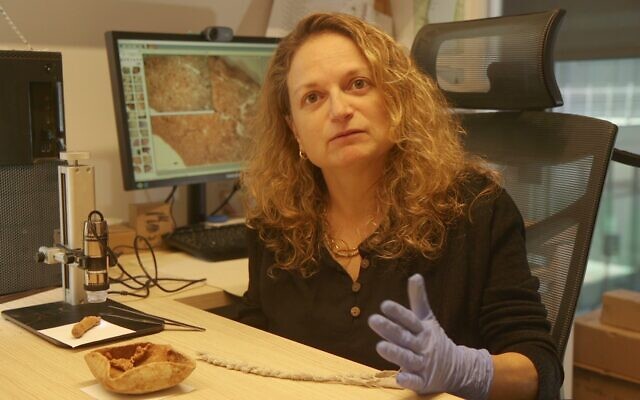
They did say, however, that the wicks bore evidence that they were originally part of garments that had been mended multiple times before being cut down to be used as wicks.
One of the wicks was burned on both ends, leading researchers to believe that it had failed to light.










The Times of Israel Community.