

Iranian rial plummets as sanctions take hold
Currency hits lowest level ever against dollar in street trading
 Add ToI as a Preferred Source on Google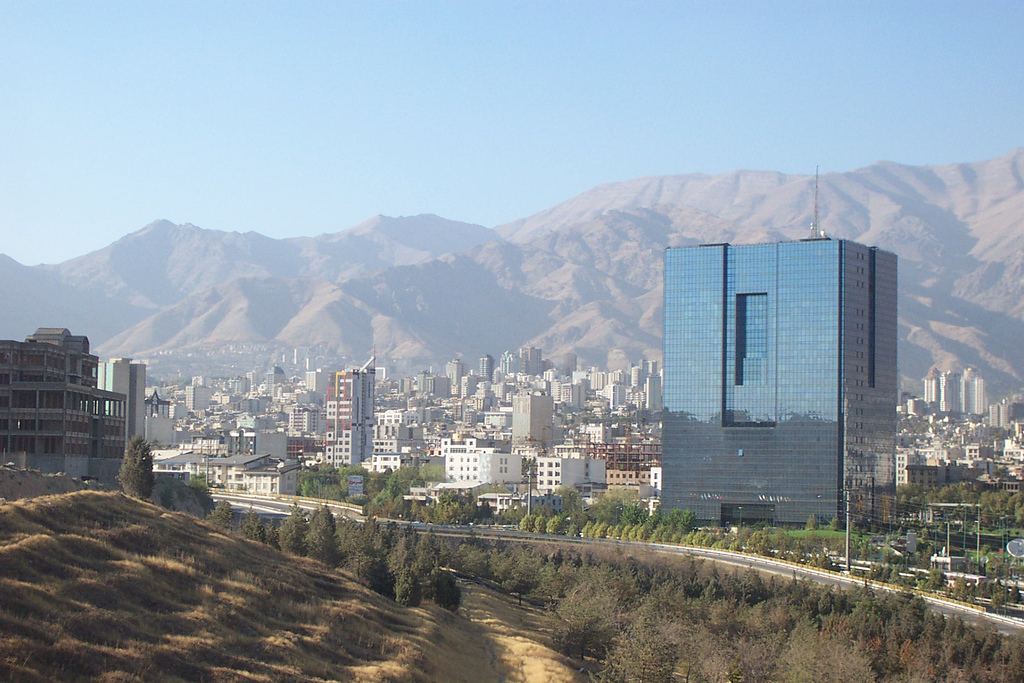
TEHRAN, Iran (AP) — Iran’s currency hit a record low against the U.S. dollar in street trading, the semiofficial Mehr news agency reported Sunday.
Mehr says the rial dropped nearly 7 percent in a single day, to 24,300 rials to the dollar. Street traders say the rial rose slightly later on Sunday to around 23,900 rials to the dollar.
The collapse of the currency is a sign of the effect of Western sanctions over Iran’s nuclear program. The West suspects Iran is aiming to build nuclear weapons, a charge Iran denies.
On July 1, the European Union banned import of Iranian oil, and the U.S. tightened sanctions against Iran’s banks.
On Friday, Canada cut diplomatic relations with Iran over its nuclear program, support for Syrian President Bashar Assad’s regime and the country’s poor record on human rights issues.
Governor of Iran’s central bank, Mahmoud Bahmanai, said the plunge of the rial was the result of a rush on the market by buyers seeking to obtain the dollar, rather than other economic reasons.
The current official rate is 12,260 rials to the dollar, used only for special purposes such as importing food and medicines.
Last week, President Mahmoud Ahmadinejad said Iran faced “barriers” to transfer its oil revenue into the country because of the sanctions. Crude export account for about 80 percent of Iran’s foreign currency revenue.
Also Sunday, lawmaker Ahmad Tavakkoli criticized the government for allegedly failing to provide enough hard currency. He said that for the past two weeks, the Ahmadinejad administration refused to supply the market with hard currency.







The Times of Israel Community.