

Israel Museum visit offers audiences a chance to be moved, literally
Jerusalem institution launches dance program meant to uplift visitors physically and spiritually
 Add ToI as a Preferred Source on Google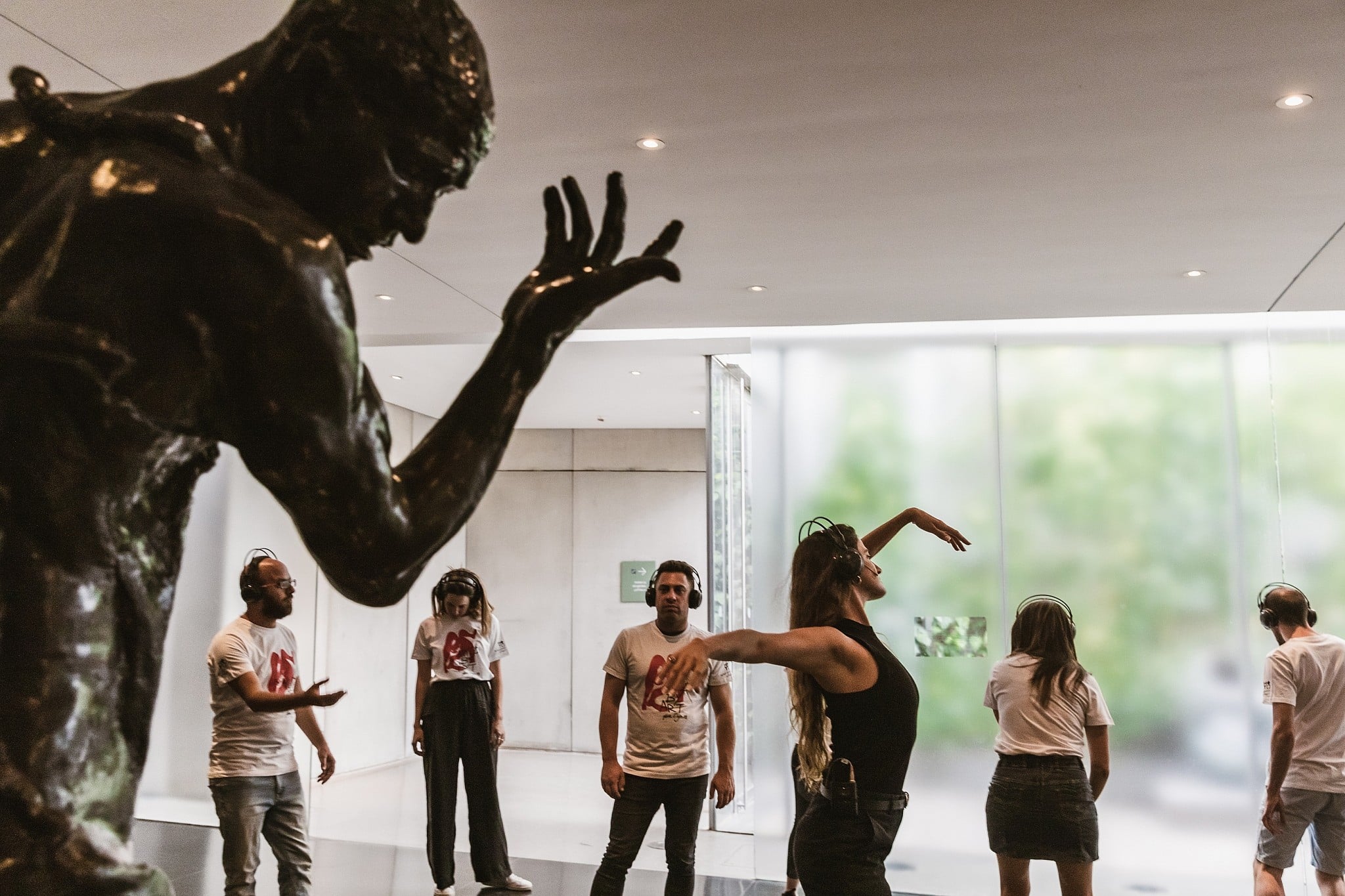
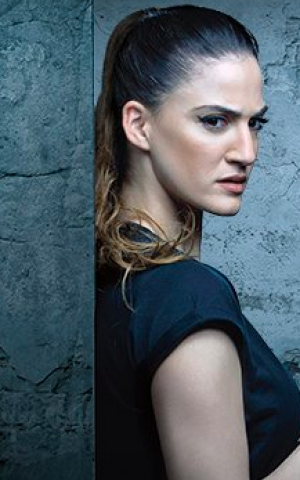
A Rodin bronze sculpture and ancient sarcophagi from Gaza at the Israel Museum in Jerusalem offered a very different backdrop for “Fauda” actress Rona-Lee Shim’on on a recent night.
Rather than her usual garb as the only female in a crew of undercover agents infiltrating the West Bank, Shim’on was dressed in loose clothing and sneakers, moving sinuously around classic sculptures, modern paintings and ancient archaeological pieces in the national museum.
She wasn’t dancing alone, either.
Shim’on was encouraging a group of visitors to move creatively between, among, and around the permanent treasures of the museum’s vast collection, while listening through headphones to a combination of narration and cross-genre music she had chosen for the purpose of carrying people from one artwork to the next.
“I trusted my body to kind of immerse itself into what I saw, but I also wanted to leave a lot of it to the audience,” said Shim’on.
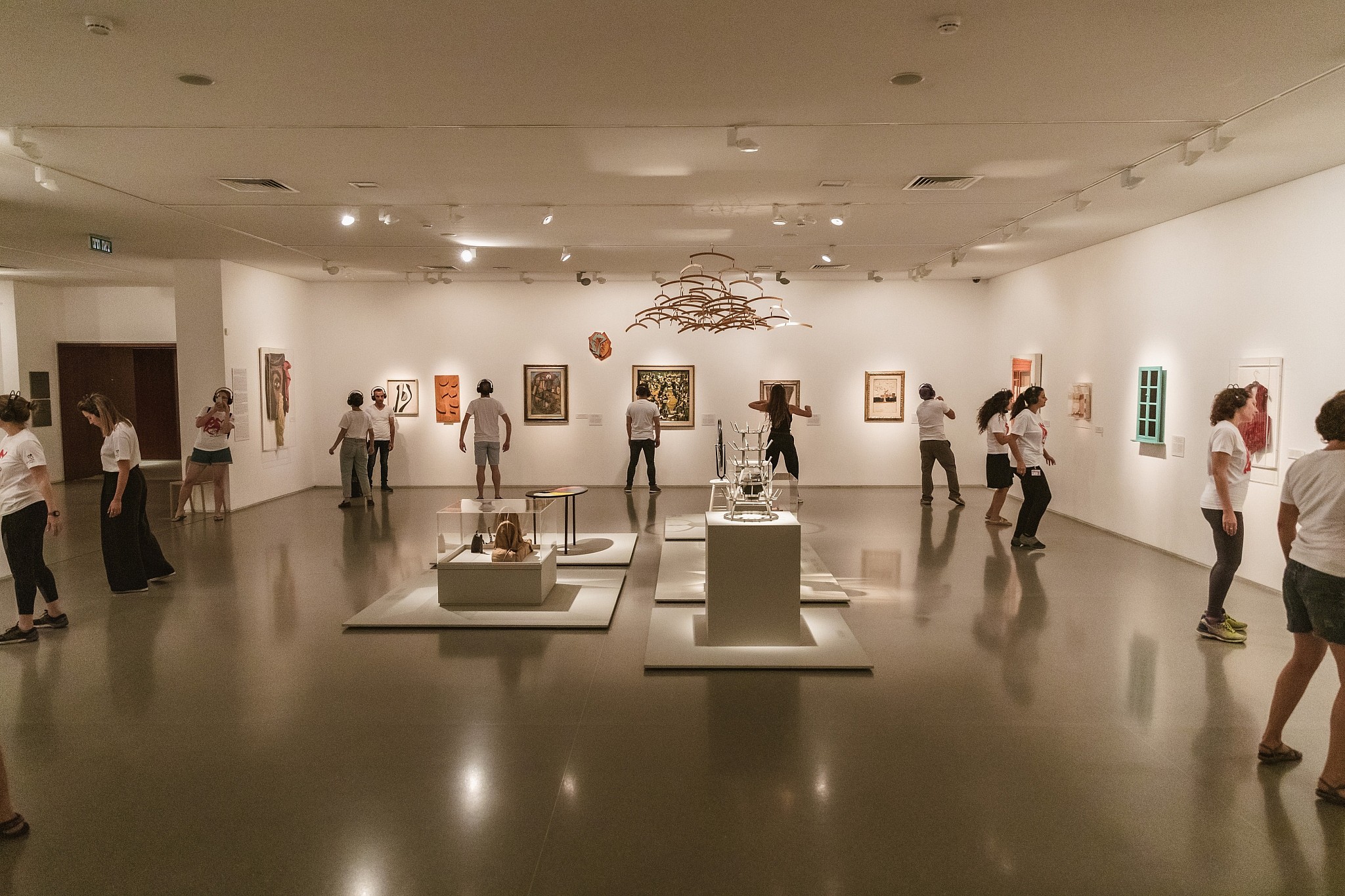
Throughout the evening, she sought different expressions, twisting for the movement visible in the shape of a sculpture, standing still to echo the perceived peacefulness in a painting, or shaking her body while representing the apparent chaos of another artwork.
The actress and classically trained dancer was launching a pioneering program supported by the Jerusalem Foundation called “Moved by Art,” part of the Israel Museum’s effort to show that art and historical artifacts can move their observers both spiritually and physically.
Wearing sneakers that seemed to let Shim’on bounce high into the air, she had a concentrated and almost trance-like look on her face throughout the session.
Shim’on, 36, has danced all of her life, working consistently with different professional choreographers.
This event, however, was a first for her.
“I keep challenging myself with things that are out of the box for me,” she said.
The goal of “Moved by Art” was to encourage participants to let go of the static experience of viewing art, where people stop and look at the artworks, and instead to inspire them to use the natural flexibility and fluidity of the body to individually interpret the artistic creations.
“When you let an artwork go through your body, it changes it automatically,” said Shim’on.
This wasn’t a solo performance for Shim’on, as she attempted to guide the audience. She wanted her viewers to allow the art to stimulate their emotional and intellectual senses, and let that trigger movement.
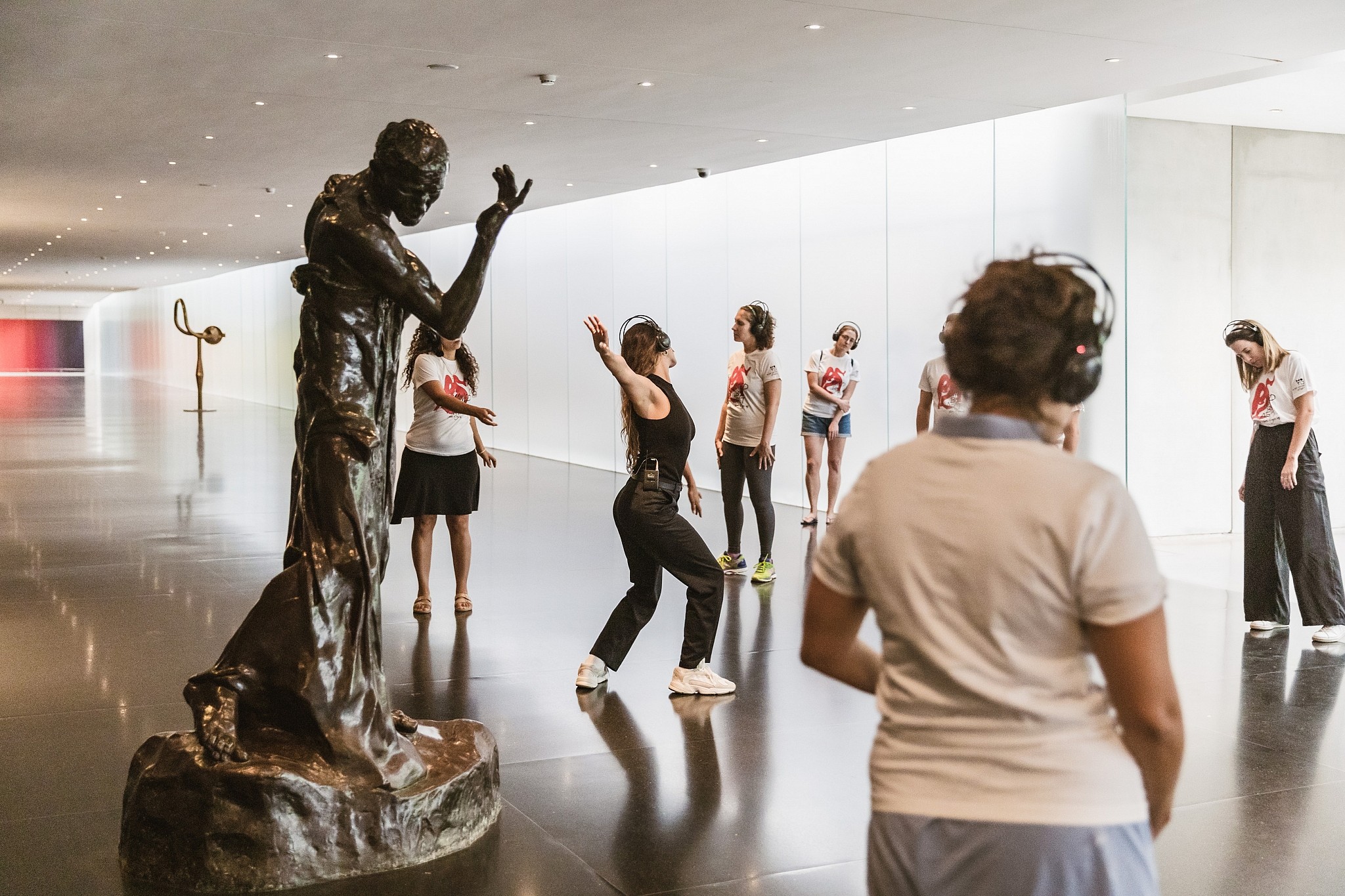
The audience did seem to leave their comfort zones, trying out ambitious moves despite the sloping entrances to many of the museum’s galleries.
The program covered seven stations throughout the museum that were chosen for their potential inspiration, and began with breathing exercises in the outdoor sculpture garden. With deep, long inhalations, and with the eyes directed at the darkening evening sky, people collected themselves while contemplating founder Boris Schatz’s idea of the Jerusalem museum as a secular temple.
When they encountered the museum’s Jewish ritual artifacts for circumcision, bar mitzvah, wedding and funeral ceremonies, the group gathered for a circular hora folk dance.
Shim’on was at her most ecstatic in the Dada galleries, which showcase pieces from the European avant garde art movement of the early 20th century, and by that point, people seemed to have lost their inhibitions against moving and dancing in public.
“Dada is complete destruction of the self and what we know to be true,” Shim’on said, jumping up and down. “And the fact that we experience the theory in the body changes everything that’s happening in the gallery space.”
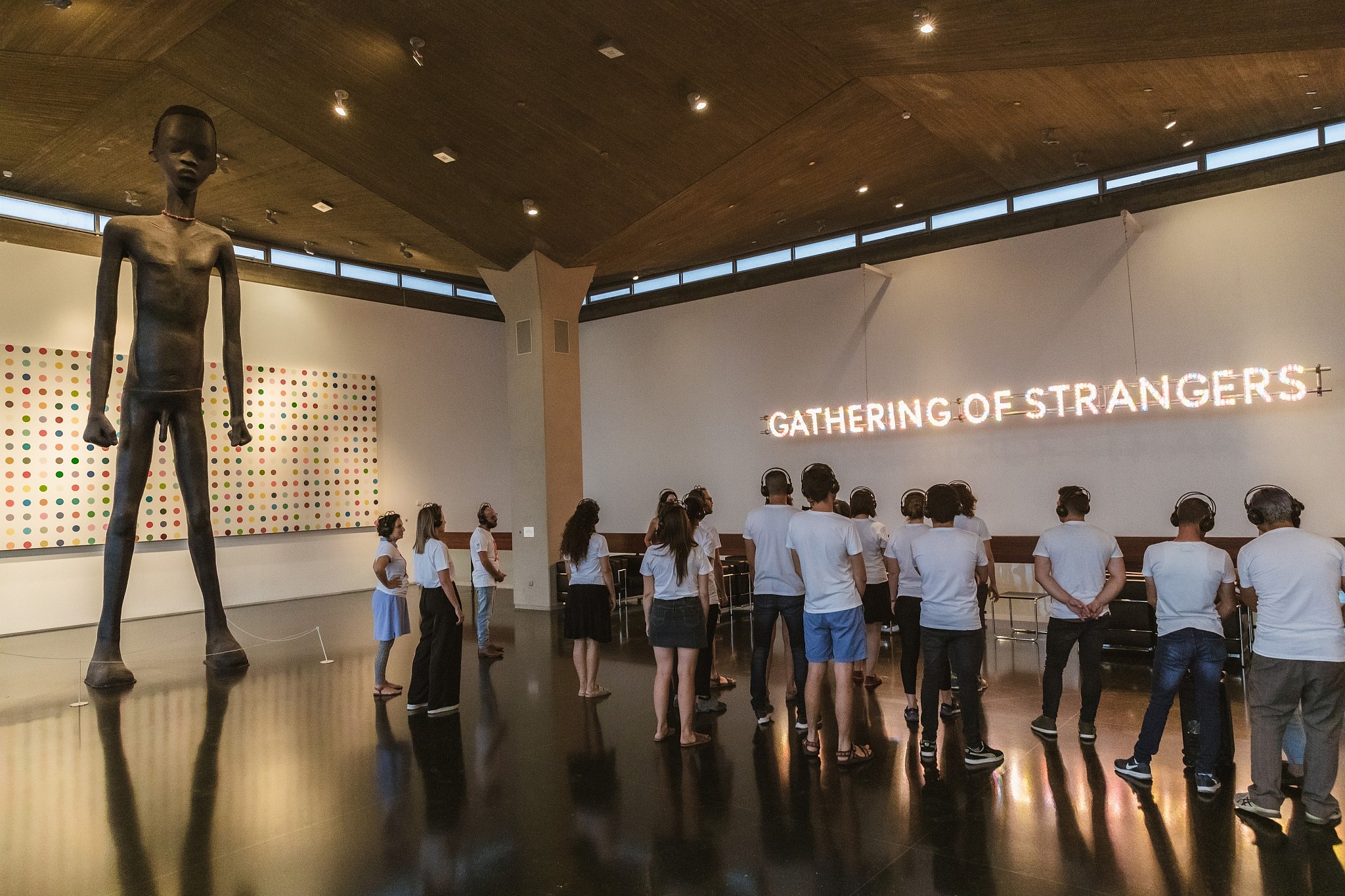
And under Nathan Coley’s “Gathering of Strangers” (2007), made out of colorful, bright light bulbs, Shim’on invited the participants to engage in one final dance that felt a lot like a party.
“Moved by Art” will initially run as a pilot series throughout August 2019, and will offer two sessions per evening.








The Times of Israel Community.