

Israel is top of the world in fire safety, says fire chief
Just nine people died from fires nationwide in 2015, fire and rescue commissioner Shahar Ayalon tells Knesset
 Add ToI as a Preferred Source on Google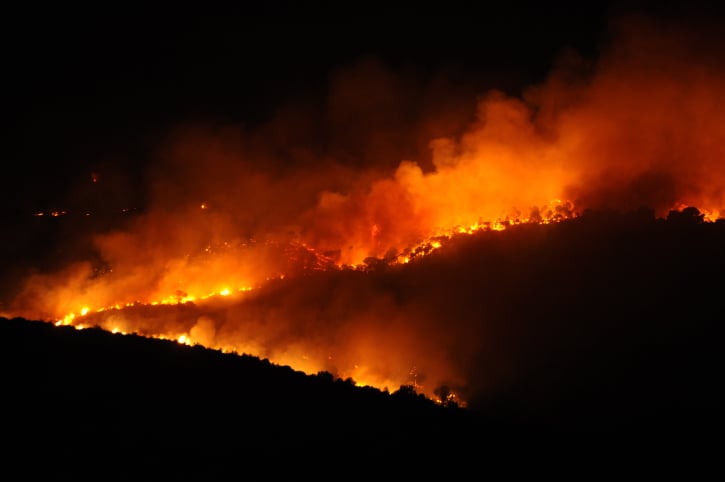
Israel is the safest country in the world when it comes to deaths by fire, the nation’s top firefighter told the Knesset on Tuesday.
“In 2010, there were over 70 killed in fires; in 2011, 23; in 2013, 17 killed; and in 2015, nine,” Fire and Rescue Services Commissioner Shahar Ayalon told the Knesset Interior Committee.
“We are today the safest country in the world in terms of casualties from fire.”
Ayalon ascribed the improvement to massive investment in the nation’s firefighting service following the 2010 Carmel forest fire, in which 44 died, most of them Prisons Service guards on their way to evacuate a nearby prison as the fire approached.
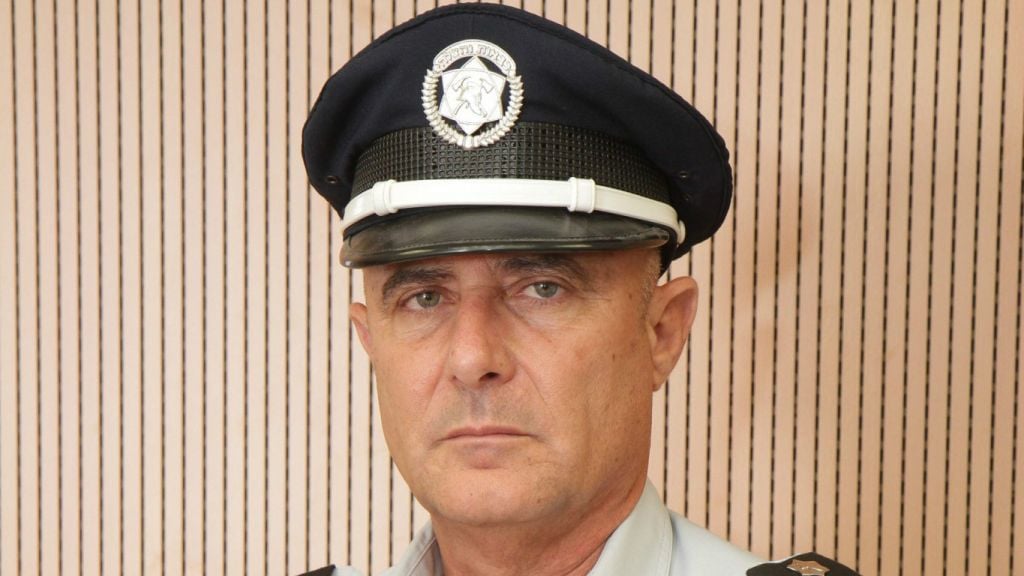
“We have hired hundreds of firefighters, invested NIS 2 billion ($505 million). Our [average] response time was 14 minutes in 2010, and it went down to six minutes in 2015. Since the Carmel disaster, not one person has died in a forest fire,” Ayalon said.
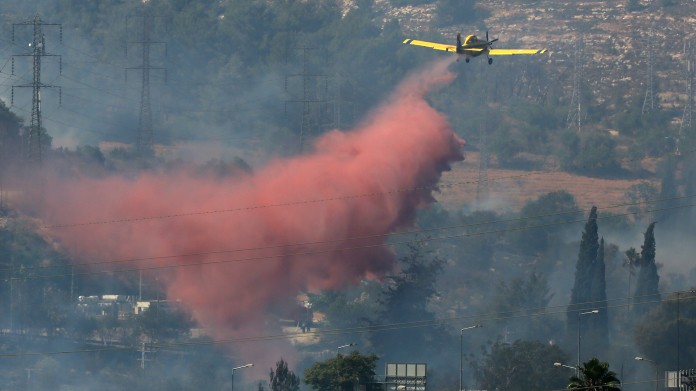
A State Comptroller report issued in the wake of the Carmel fire recommended that buffer zones without trees or shrubs surround inhabited areas near forests.
The recommendation was never implemented, lawmakers heard on Tuesday, after local authorities charged with carrying out the recommendation said they did not have the funds to do so.
Jewish National Fund chair Danny Atar, who attended the Tuesday meeting, said his organization could step in to provide the missing funds, allocating up to NIS 250 million ($63 million) for the creation of the buffer zones.
“This is an opportunity to address a difficult issue in a professional manner,” Atar said. “There are 450 communities that are surrounded by trees, and are in danger” of fires entering the residential areas.







The Times of Israel Community.