

Israeli historian Yuval Noah Harari’s ‘Sapiens’ to get screen adaptation
Director Ridley Scott, documentarian Asif Kapadia will work together to bring bestselling book on origins of humanity to life
 Add ToI as a Preferred Source on Google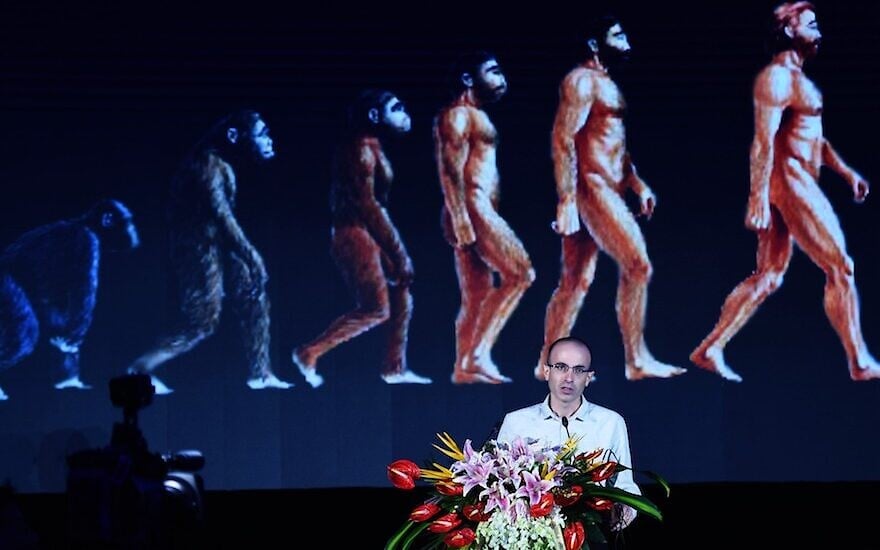
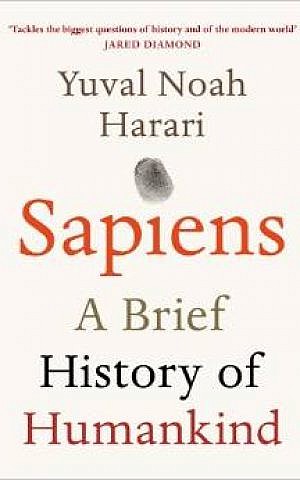
Israeli historian Yuval Noah Harari’s bestselling book “Sapiens: A Brief History of Humankind” will be adapted to the screen by American director Ridley Scott and British documentarian Asif Kapadia, according to The Hollywood Reporter.
Harari’s nonfiction book tells the story of human evolution through the three major revolutions, Cognitive, Agricultural and Industrial.
The book, originally published in 2011, was intended as a textbook for his Hebrew University history students, but has since gone on to achieve international success, selling 8 million copies worldwide and now available in 30 languages.
Scott, whose credits include “Alien,” “Gladiator” and “Blade Runner,” will serve as producer on the project. Kapadia, who won an Academy Award for the film “Amy” about Jewish singer Amy Winehouse, will direct.
The format and platform of the project has not yet been announced.
“It is a book that changes how you see the world and our adaptation should do the same, to serve as a wake-up call for who we are, where we have come from and where we are heading,” Kapadia said in a statement.
Scott said the project “has all the elements to be massively entertaining as well as historically important.”
Harari said the production will hope “to mix science, fiction, history, drama and genius in order to bring to life the incredible journey of our species, that began as an insignificant animal and is now on the verge of becoming a god.”










The Times of Israel Community.