 Add ToI as a Preferred Source on Google
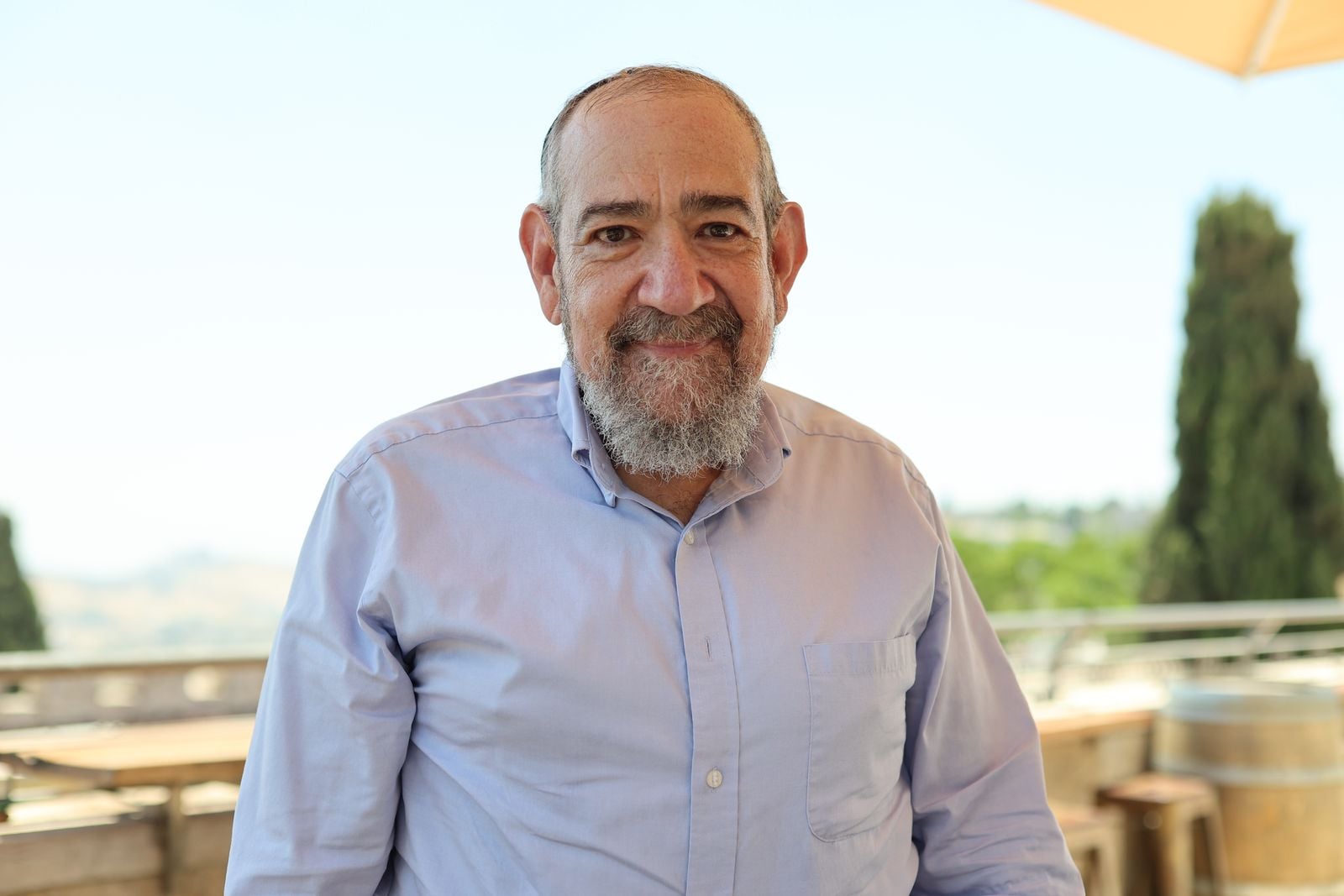
Historian Jeffrey Woolf’s connection to Israel began with family stories. Sitting near the walls of Jerusalem’s Old City by the old Montefiore windmill, Woolf shares that his family first came to the Land of Israel in 1882 during the First Aliyah.
“My great-great-grandparents packed everybody up, walked to Odessa, took the boat to Jaffa — there was no Tel Aviv — and came here.”
His family moved back and forth between the Land of Israel and the United States. Woolf grew up in Boston hearing stories from his grandmother about her childhood here in the early 20th century.
One stayed with him.
His grandmother first arrived in 1905, when she was about 10 years old, and she recounted it took her three days to get from Jaffa to Jerusalem.
For years, Woolf wondered why the journey took so long.
Later, as a historian, he began to piece it together. The family would have stayed overnight in Jaffa, traveled by donkey or camel toward Sha’ar HaGai, spent another night near what is today Mevaseret Zion, and finally made the climb into Jerusalem.
“Well, don’t forget that the Ottomans pretty much enforced the restrictions that were made by the Pact of Omar, and Jews generally were restricted to donkeys and mules and camels. So, the first night’s stop was at a khan [a roadside inn] at the beginning of Sha’ar HaGai, opposite where the gas station is today. The gas station, by the way, was already there. That’s an Ottoman gas station. Yeah, isn’t that crazy? So, they stayed overnight there. And then the next day they would come to Jerusalem, and they would see these walls,” Woolf says.
His grandmother’s recollections also gave him a personal map of the city.
His family owned property in Mea Shearim, Agripas Street and the area that later became Mamilla. His grandmother attended what is now the Evelina de Rothschild School. Years later, one of Woolf’s daughters attended the same school.
For Woolf, that was a sgirat ma’agal, the closing of a circle.
His great-grandmother had once owned several properties in Jerusalem but gave them away to charity because she did not believe any of her descendants would return.
His grandmother tried to convince her to keep at least one.
“Maybe some of the grandchildren or great-grandchildren would want to come back,” Woolf says she argued.
His great-grandmother refused.
“So, P.S., first we came in August 1993, and then my brother made aliyah with most of his children. And so she was proven wrong.”
Woolf, where art thou?
Woolf grew up in a traditional Jewish home in Boston and received an intensive Jewish and Hebrew education.
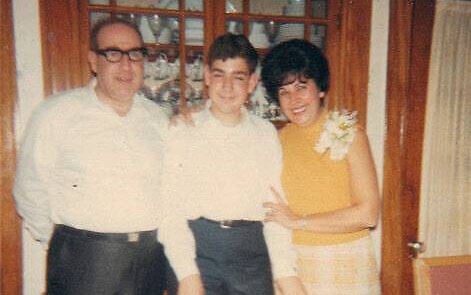
“I came to Israel totally fluent in Hebrew,” he says.
In fact, his Hebrew was initially almost too formal. After moving here, he began listening to Israeli radio and learning slang through popular music.
Music also became a way for Woolf to understand the country.
Like many Israelis of his generation, he loved the 1970s pop band Kaveret. He listened to Yehoram Gaon and Arik Einstein, learned the songs of Ehud Manor, and knew the old songs of the chalutzim, the pioneers, written well before his birth.
Years later, he went to hear Kaveret’s Efraim Shamir perform in Jerusalem and watched teenagers in the audience remind Shamir of the lyrics to his own songs.
“There were these 15-year-old, 16-year-old kids telling him what the words were because he didn’t remember,” Woolf says.
For him, it was a small but telling example of the shared culture that can connect Israelis across generations.
Woolf studied history at Boston University, continued his Jewish studies at Hebrew College in 1971-1975, and later began a doctorate in Jewish history at Harvard, and graduated in 1991. He also was a disciple and aide to Rabbi Joseph B. Soloveitchik in 1973-1982.
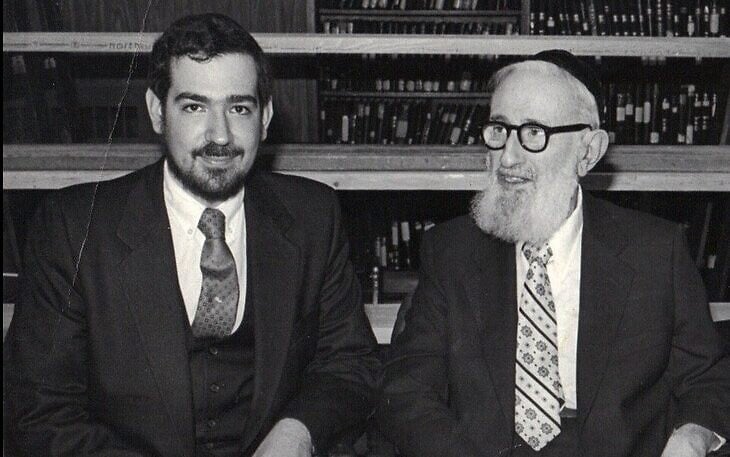
For a while, Woolf assumed he would remain in the United States.
Then a fellowship brought him to Hebrew University in 1983, and within days, he knew he wanted to stay.
“I decided, that’s it. I don’t want to live anywhere else.”
Ask not what your country can do for you…
There were years when circumstances took him back to America, but the pull remained.
“It was physically painful not being here,” he says.
Woolf has now lived continuously in Israel for 33 years. He taught for more than 30 years at Bar-Ilan University and, although he was exempt from military service, spent 11 years in the Jerusalem Tourist Police Unit from 1994 until 2001.
“Everybody’s doing something,” he says. “I have to do something also.”
That sense of responsibility shapes the way Woolf talks about immigrating to Israel today.
He believes Jews from the United States and elsewhere should consider moving to Israel, but he does not think the argument should be based primarily on fear or predictions about the future of Jewish life abroad.
Instead, he focuses on what immigrants can contribute.
Woolf believes new immigrants should make a serious effort to become part of Israeli society: learn Hebrew, meet Israelis and understand how the country works.
At the same time, he argues that they should bring with them the best parts of the cultures they come from.
American Jews, he says, can contribute ideas about free speech, individual rights, mutual respect and the ability to disagree without treating the other side as an enemy.
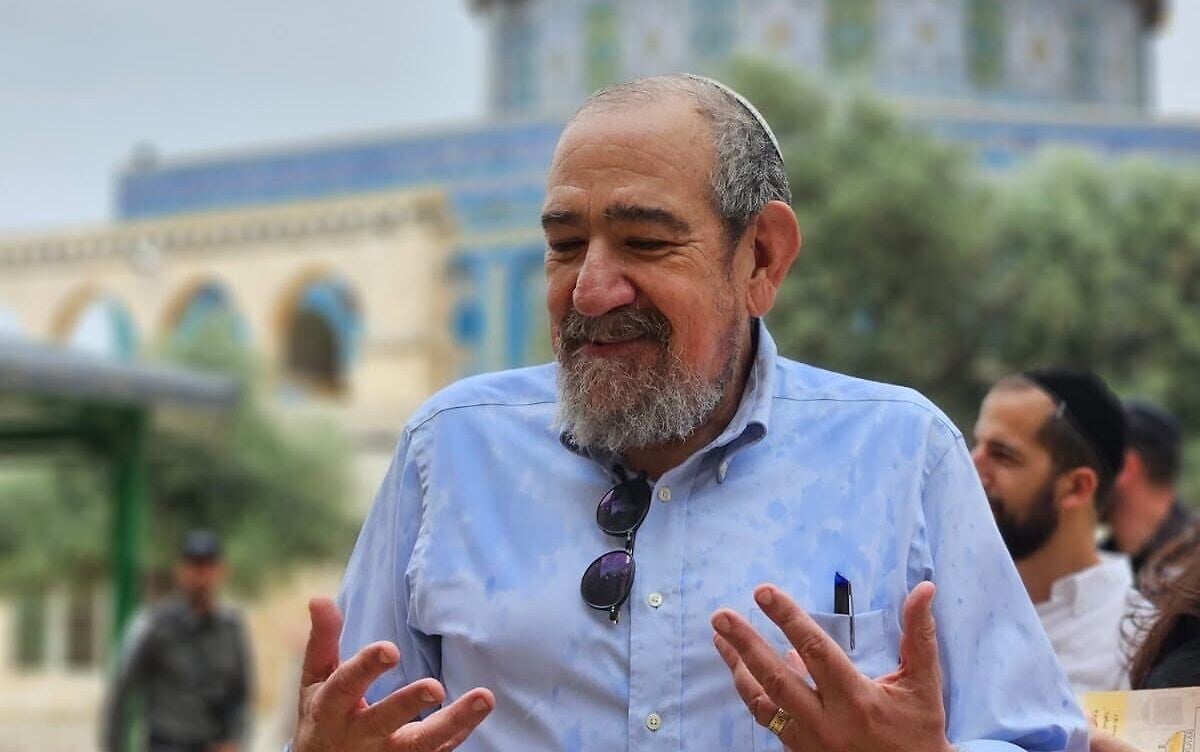
That matters especially now.
Woolf has spent years involved in dialogue and unity efforts, and he believes one of Israel’s central problems is that different groups increasingly lack a common cultural and Jewish language.
“There’s nothing more frustrating than having a conversation with somebody and it being a dialogue of the deaf.”
He points to the period before October 7, when the country was bitterly divided over judicial reform. Then, immediately after the attacks, he watched people from opposing political camps stand together collecting clothing and supplies for displaced Israelis.
“The same people,” he says.
For Woolf, that showed that the divisions are real, but so is the foundation underneath them.
“We’ll disagree,” he says. “That’s the Jewish way. Can’t help that.”
The challenge, he believes, is learning how to disagree while still understanding and respecting one another.
A ‘stringed’ birthday
And perhaps that brings Woolf back to something he has loved since childhood: music.
As a boy, he briefly studied violin before his mother decided three months of screeching was enough. He switched to piano but never lost his love for the violin. About a decade ago, he finally returned to it.
“I’m in love with violin. I could listen to the opening part of Mendelssohn’s violin concerto, like, over and over again, forever. And I would — whenever somebody would play violin beautifully, I would say, ‘Gee, I wish I could play that.’ And finally, about 10 years ago, my wife said to me, let’s have a stringed birthday.” And so, she learned guitar and Woolf picked up the violin again.
For a historian and scholar who has spent his career working with words, Woolf says music gives him something language cannot.
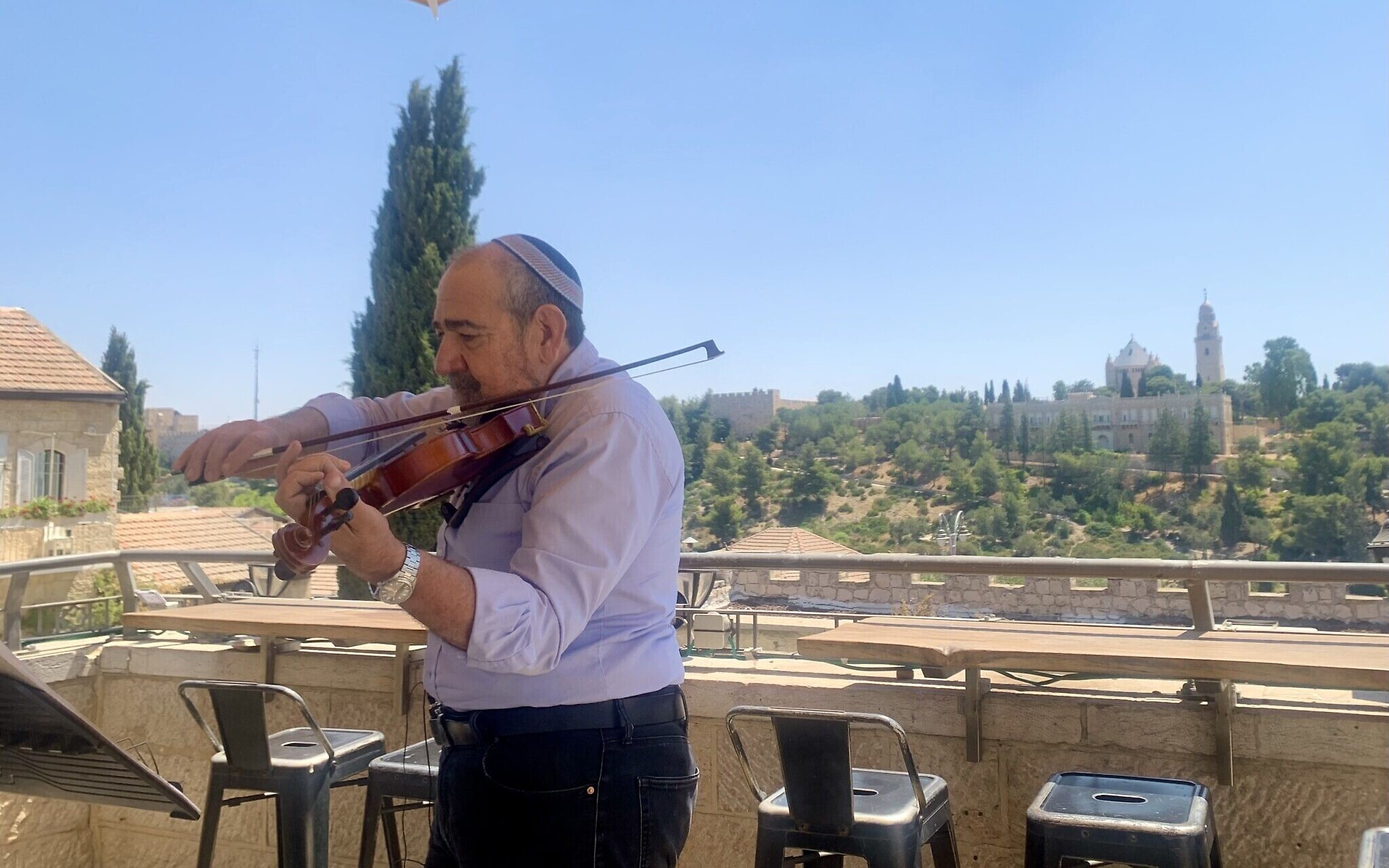
“Language always breaks down when you try to talk about your deepest emotions,” he says.
Music, he believes, can sometimes express what words cannot.
It is an interesting observation from someone whose life has been shaped by stories: the stories his grandmother carried from Jerusalem to Boston, the history he later studied professionally, and the conversations he believes Israelis still need to have with one another.
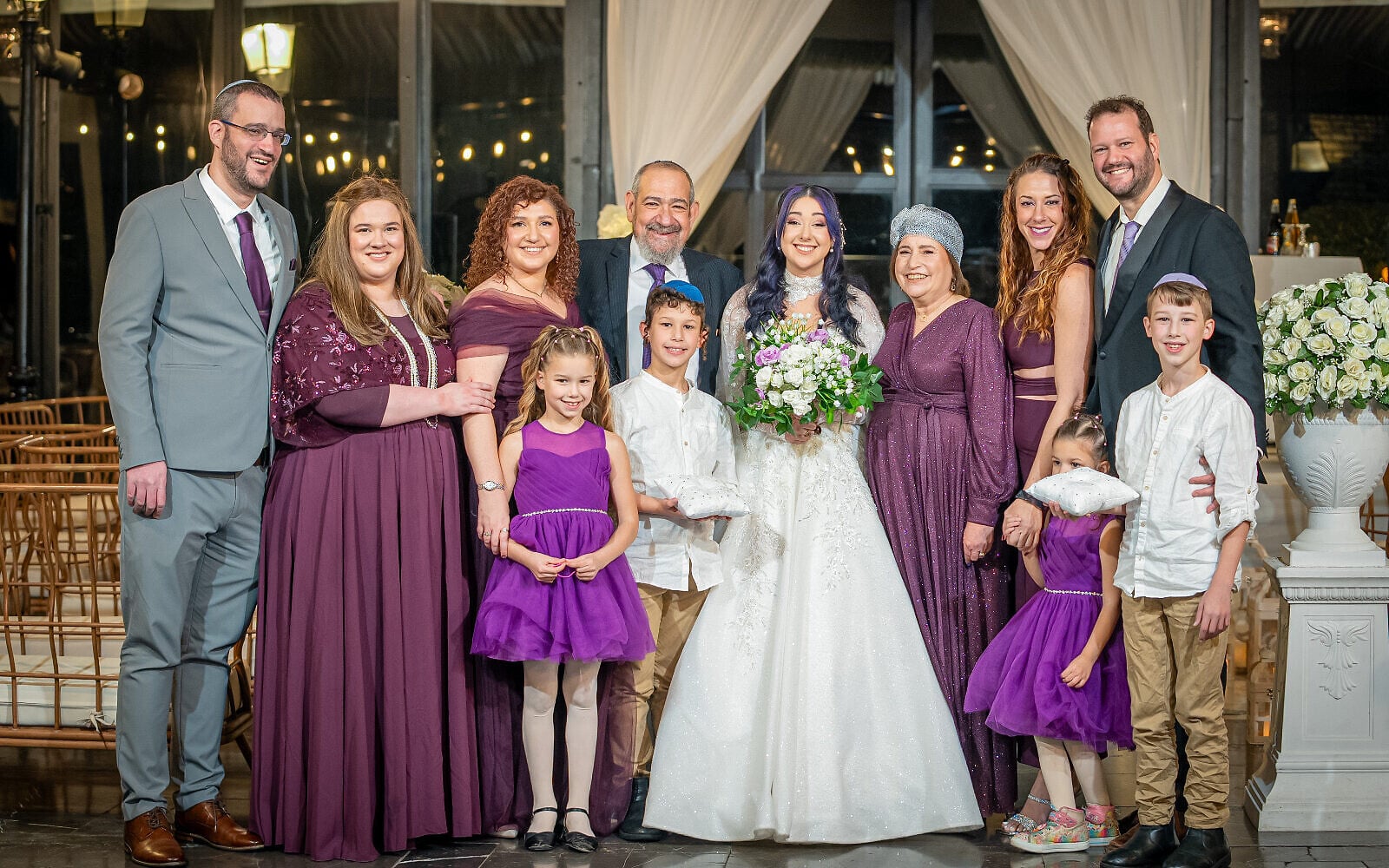
More than a century after his grandmother first saw the walls of Jerusalem at the end of a three-day journey from Jaffa, Woolf is still here, the proud head of a growing family, carrying those stories forward — and adding his own.

The Times of Israel Community.