

Jewish medical student helps reduce racial disparities in US coronavirus testing
Tal Lee volunteers to administer up to 300 tests daily as part of an initiative to combat disproportionately high COVID-19 death rates in the African-American community
 Add ToI as a Preferred Source on Google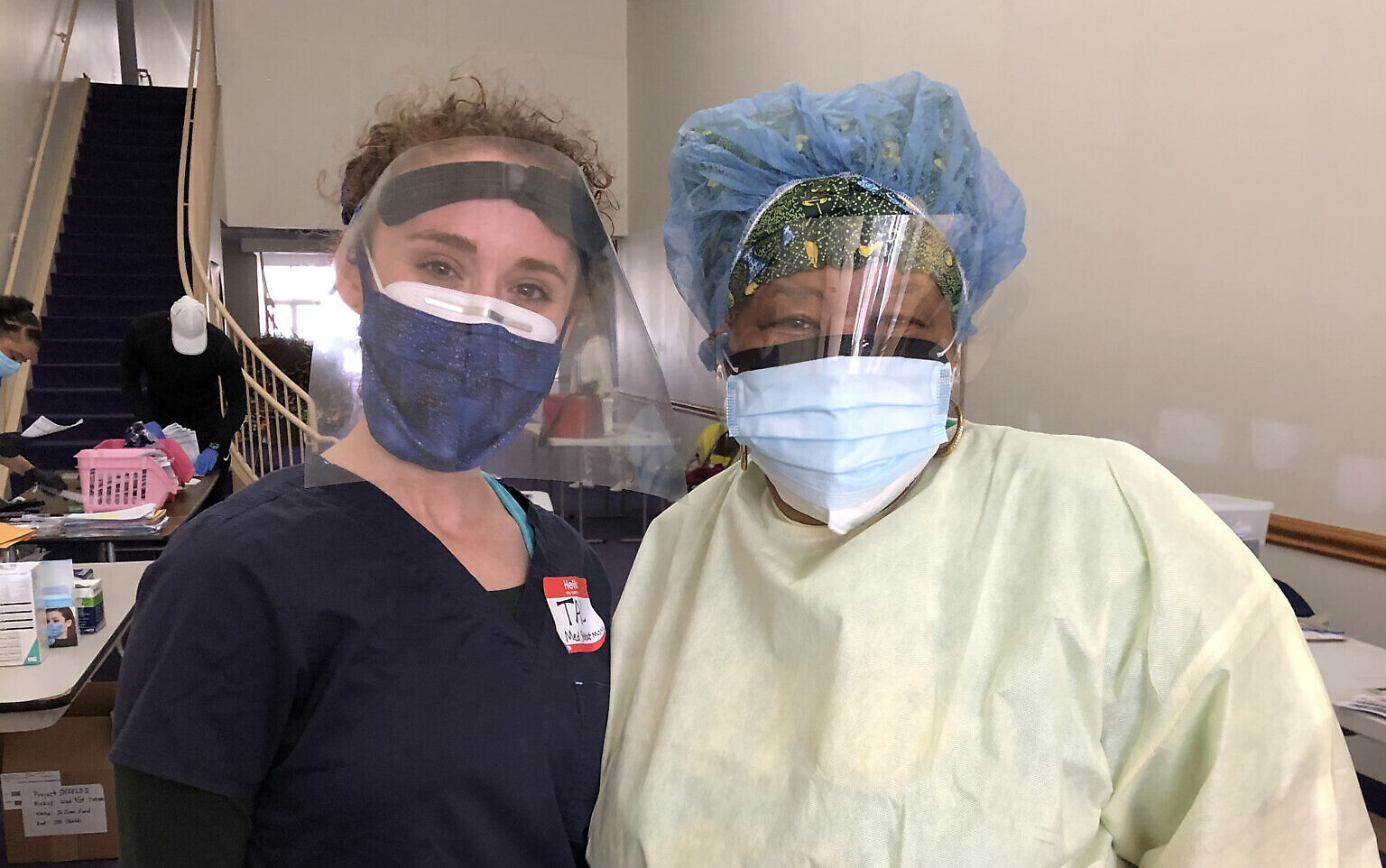
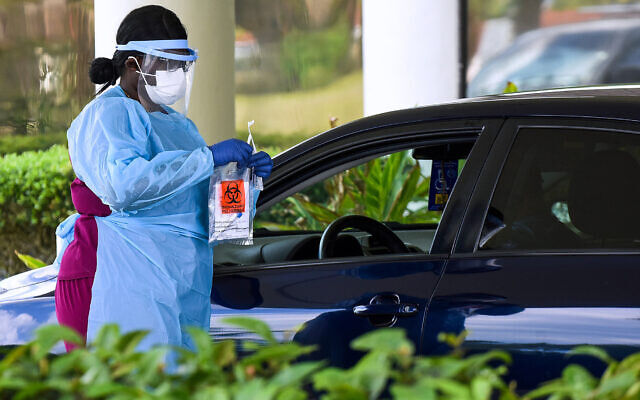
JTA — At the beginning of her day, Tal Lee will see as many as hundreds of cars snake around the church parking lot where she is helping to conduct coronavirus tests.
Dressed in two face masks, a face shield and scrubs, Lee works alongside doctors, nurses and medical students like herself to conduct as many as 300 coronavirus swabs a day in predominantly African-American neighborhoods in Philadelphia. They are brought together by the Black Doctors COVID-19 Consortium, an initiative founded by a local surgeon to combat the coronavirus pandemic’s high death rate among African-Americans.
Signing onto the initiative was a natural choice for Lee, a fourth-year medical student at the Philadelphia College of Osteopathic Medicine who plans to work as an OB-GYN treating under-served populations.
Before beginning medical school, she spent a year working on a mobile medical van through Avodah, a Jewish social justice fellowship in New York, providing street-side health care, including preventive treatments and HIV testing, to homeless people and undocumented immigrants.
Lee, 28, said Jewish values inspired her to take action when her in-person rotations were canceled due to the pandemic.
“It’s one of the biggest reasons why I am doing this,” she said. “I think living your values and beliefs is very important. It’s something to talk about it, to learn about it, but it’s another thing to actually put beliefs and values into action.”
Jewish communities were among the first hit by the coronavirus pandemic in the United States. But as the pandemic has worsened, it has become clear that African-Americans are far over-represented among cases and deaths across the country. In Philadelphia, African-Americans represent 54% of coronavirus deaths despite making up 40% of the population.
Many factors contribute to those disparities, but unequal access to coronavirus testing is likely playing a role. So Dr. Ala Stanford decided to take things into her own hands and has raised more than $150,000 online to cover the cost of testing, personal protective equipment and educational materials provided by the consortium. Many who come for the free testing do not have health insurance or access to a primary care provider.
Stanford said she was inspired to found the consortium after hearing officials talk about the high death rates among people of color without taking action.
“I got tired of watching it,” she told the Philadelphia Inquirer, “so I called local officials, I called the state and said, ‘What are we doing in our hard-hit communities? I want to help.’ I got crickets. Because there was nothing happening.”
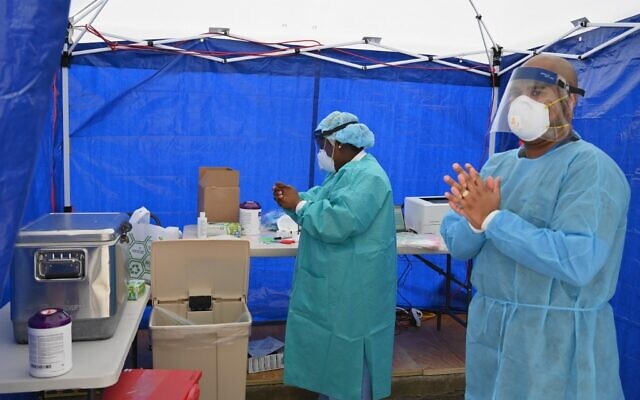
Lee helps patients fill out paperwork, talks to them about their symptoms and helps prepare the nasal swabs before a doctor or nurse conducts the test.
The team works eight-hour days — rain or shine — wearing multiple layers of protective gear. Lee initially worried about potentially contracting the virus from her patients.
“This person standing in front of me could have coronavirus,” she remembers thinking. “It is nerve-wracking, I’m not going to say it’s not.”
But Lee says patients’ relief at being able to get tested more than makes up for the worry. She recently helped test a mother and her four daughters, several of whom had preexisting health conditions that put them at greater risk of contracting and sustaining complications from the coronavirus.
“Just seeing how happy the mom was to just know the status of her children, it’s very nice to be able to give that to someone,” Lee said.
In addition to volunteering with the initiative once or twice a week, Lee has also been helping with a local multi-faith initiative to deliver food to local people in need.
“This is my time,” she remembers thinking when she heard about the Black Doctors COVID-19 Consortium. “This is what I’m wanting to do and it’s presenting itself.”








The Times of Israel Community.