

Keeping Holocaust skeletons in the closet protects no one, says playwright
New one-act play by Anne Marilyn Lucas speaks about lingering hereditary impacts of trauma — and why it’s best to talk about it
 Add ToI as a Preferred Source on Google
Reporter at The Times of Israel
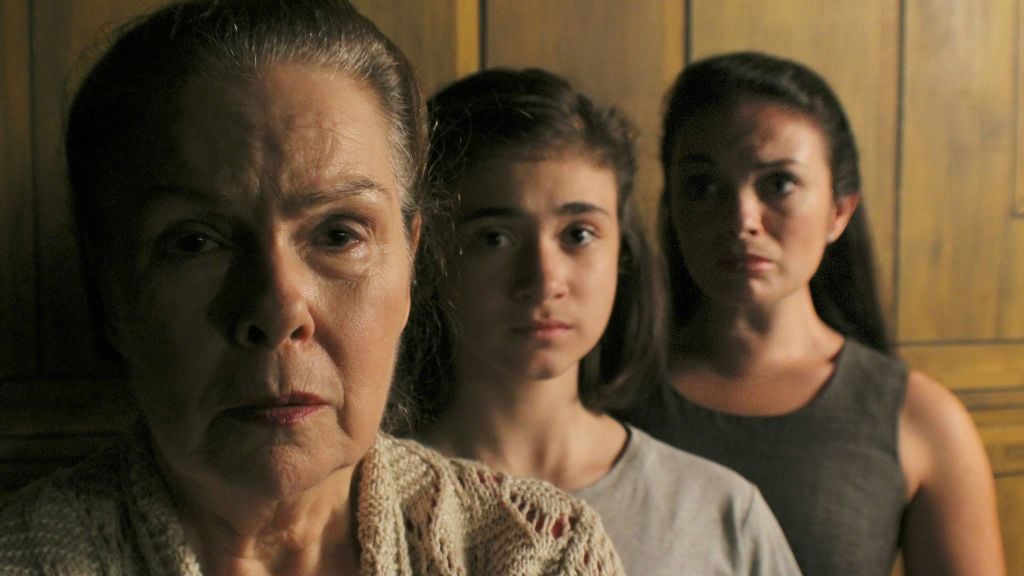
NEW YORK — “Your life experience is part of my heritage,” says the character Deborah to her mother Esther, a Holocaust survivor.
Those eight words capture the essence of “From Silence,” a new one-act play by Anne Marilyn Lucas that explores how the trauma of the Holocaust gets passed on from one generation to the next. The play delves into how the particular horrors survivors endured can manifest themselves in their children and grandchildren. And, perhaps more broadly, how the life experiences of Holocaust survivors has become an inextricable part of Jewish heritage.
“As our survivors die, their message cannot die. I see this play as a continuation of that legacy,” Lucas said in a telephone interview with The Times of Israel from her Marblehead, Massachusetts, home.
The 90-minute play revolves around Esther Gold, a rigid but loving grandmother, who kept her wartime experiences secret for the sake of her own mental stability. But when a terrorist threat forces local authorities to put the synagogue on lockdown while her granddaughter is inside, her carefully constructed world teeters on the edge of destruction.
As she waits for the all-clear signal, Esther finds herself doing a bit of time travel in her mind. She relives her years in Ravensbrück, Hitler’s concentration camp for women. She revisits the many times her daughter and granddaughter pleaded with her to talk about her wartime experiences. She also ponders her decision to remain silent about the Holocaust and its effect on her family. Finally, she realizes she must speak out, but wonders if it’s too late.
“It speaks to what fear and anxiety do when you don’t speak your truth. That is a common thread in a lot of families in America,” said Peter Zachari, the play’s director.
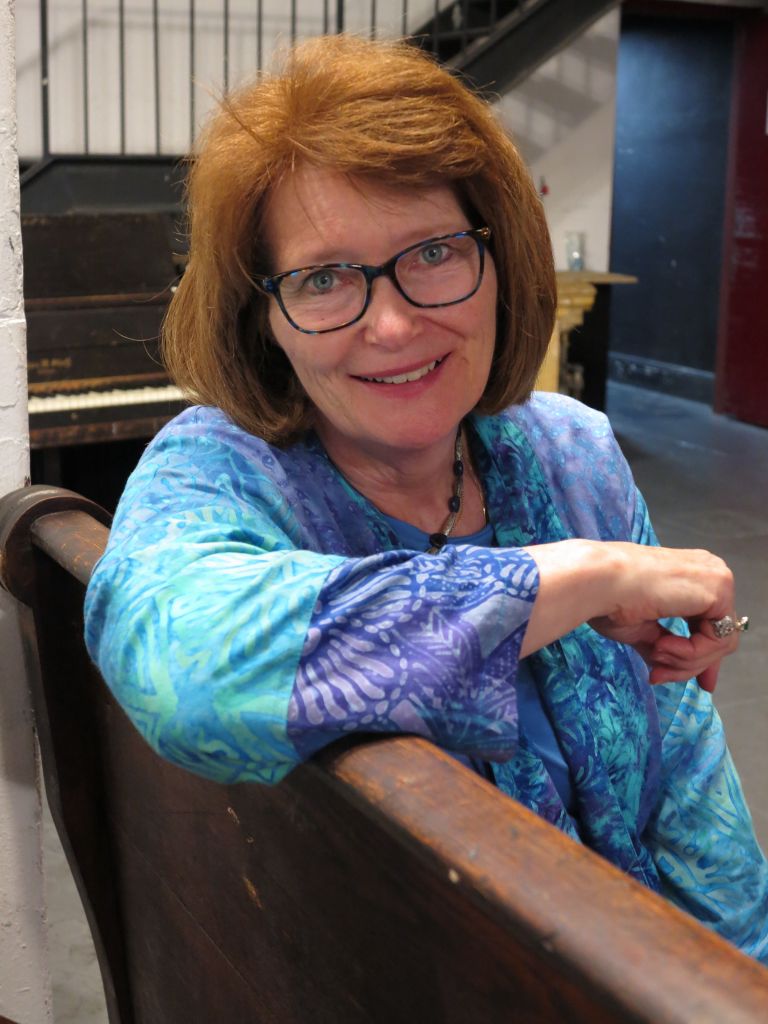
Zachari said he was quite impressed with “From Silence” and encouraged Lucas, with whom he once taught at Salem State University, to bring the play to production. The world premier was performed at Theater for the New City, where the play runs from November 4 – 20. The Lower East Side theater has gained a reputation for staging radical political plays, and draws the socially conscious theatergoer.
“When you are born, whether you are white, Jewish, gay, or black it is almost as if you are inducted into a community. You can’t escape it or how the world sees you,” said the Queens-based playwright/director. “Denying a piece of your heritage, especially if it’s terror-filled, will only fuel anxiety and can lead the next generation to fill in the gaps. You start forming your own fears of what might have been.”
Many survivors have never spoken of their experiences in an effort to protect their children. As Esther tells her daughter Deborah: “It is not a picture of me I want you to have.”
Yet, learning of their parent’s trauma might help a child more completely understand their own place in the world. Additionally, there is some evidence that the legacy of the Holocaust isn’t only emotional.
Children of mothers with PTSD are three times as likely to have it versus other children, and are nearly four times more likely to be depressed and anxious, according to studies by Rachel Yehuda, PhD, a psychiatrist and neuroscientist at Mount Sinai School of Medicine in New York. Additionally, children of survivors often have unusual levels of cortisol, a hormone released in response to stress.
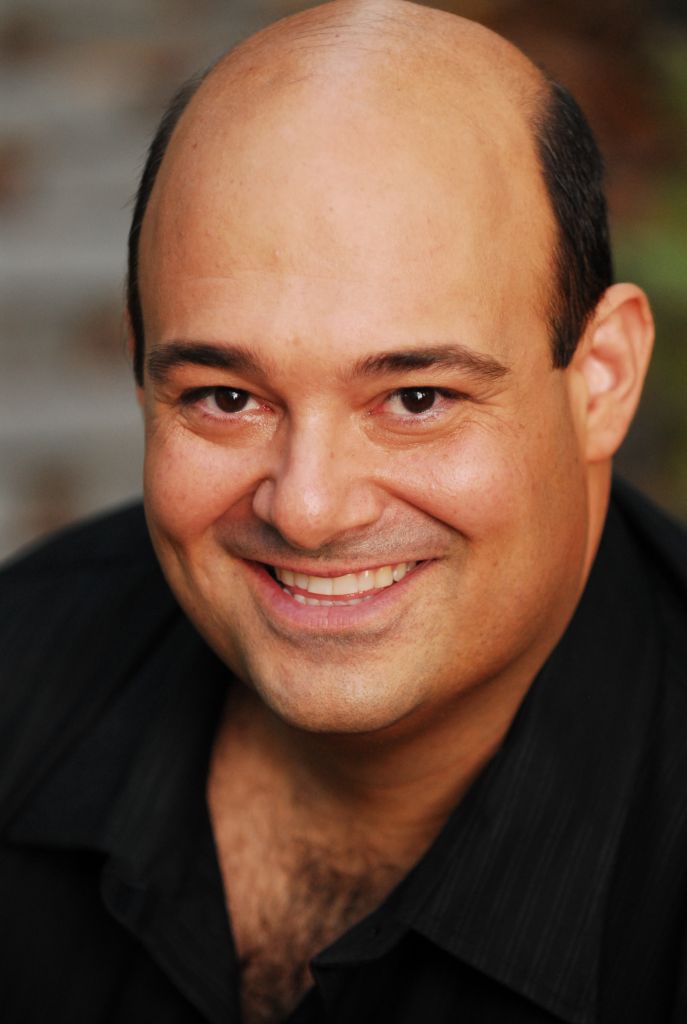
As part of her research for the play Lucas interviewed many second-generation survivors and, through them, learned about their parents.
“I learned all the different ways they handled that experience when they came to this country. The Holocaust survivors are dying but their legacy of pain and suffering is not,” Lucas said.
Judith Sherman’s book “Say the Name” inspired Lucas. The book describes Sherman’s experience as a 14-year-old girl imprisoned at the Ravensbrück concentration camp. Like the protagonist in “From Silence” Sherman didn’t speak of her experience for decades.
Lucas met Sherman, her daughter and granddaughter at Harvard in 2010 at a program connected to the book. She felt drawn to Sherman’s story and work and decided to adapt the book for the stage. With Sherman’s cooperation Lucas staged the play “Say the Name” in 2013 at Harvard. That play was also used as teaching material in the Harvard Divinity School.
“I am deeply grateful to Judith Sherman and her family for sharing such a deep and personal experience so that other people can wake up,” she said.
‘The Holocaust survivors are dying but their legacy of pain and suffering is not’
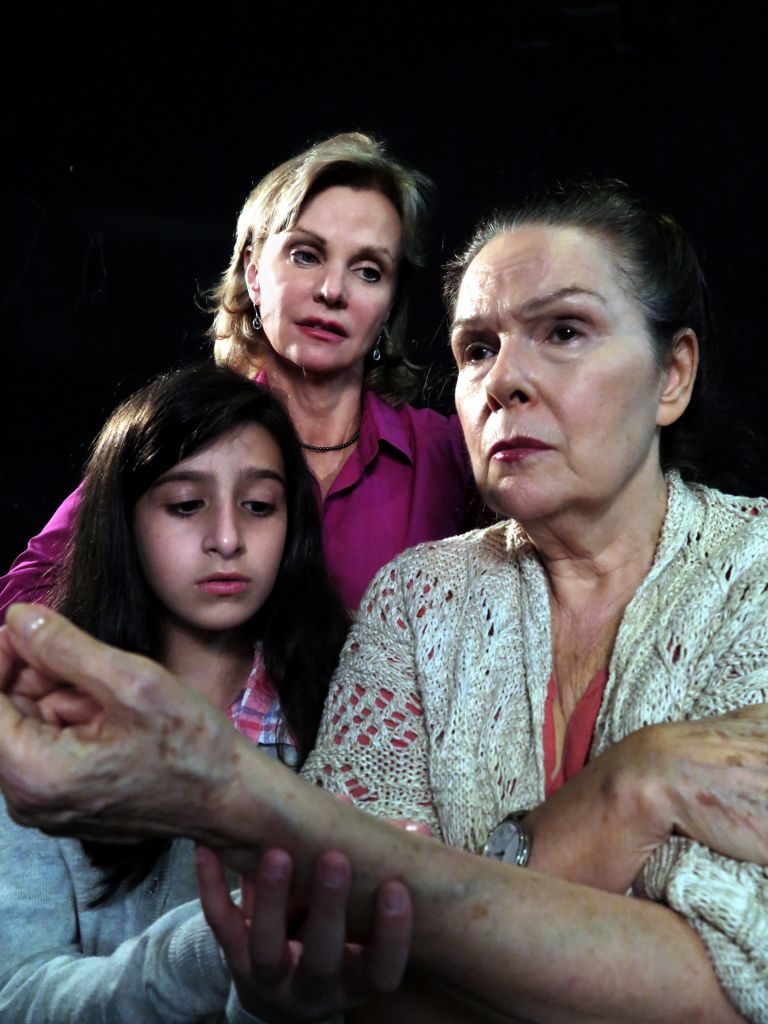
While the background story of Esther draws from Sherman’s experiences at Ravensbrück, the elderly protagonist is a composite of survivors. And to better illustrate her internal conflict, three actors actually portray Esther. There is her 11-year-old inner child who urges her to talk about her past, but her 40-year-old alter ego forbids her, arguing that silence is safer.
Among the characters in her memories of Ravensbrück are fictional fellow prisoners and an actual historical figure, Erika Buchmann, who was imprisoned there as a political dissident from 1939 to 1945. Buchmann saved the lives of many Jewish women in her barracks and after the war she helped create a Holocaust museum at Ravensbrück and the National Memorial in Berlin.
A professor in the theater department of Salem State University for 10 years, Lucas was initially trained at Webber Douglas Academy of Dramatic Art in London and The Royal College of Music, and studied voice at Cleveland Institute of Music. She earned an MFA at Boston University in Theatre Education and an MFA in Creative Writing from Lesley University in Cambridge, Massachusetts.
Lucas chose to focus on the lives of women because of a life-long interest in the phenomenon of matriarchal lineage and how women stand on the shoulders of the women who came before them.
“I’ve thought pretty deeply about the woman I’ve become. I felt both my grandmothers’ huge presence and my mother was a giant figure in my life, as most of our mothers are,” Lucas said.
Lucas used flashback sequences throughout the play to portray Esther’s memories of the camp, but also as a way to illustrate her long journey from thinking that simply surviving was enough. Instead she comes to realize that only through speaking out can she repair her family. It is, Lucas said, her own “tikkun olam.”
“Keeping the skeletons in the closet doesn’t keep the family safe,” Lucas said. “It is so much better to open the closet and know what you are dealing with.”








The Times of Israel Community.