 Add ToI as a Preferred Source on Google
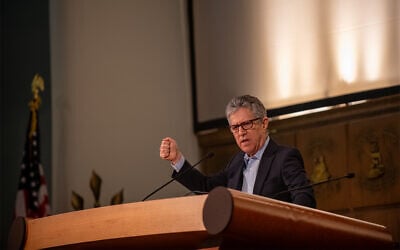
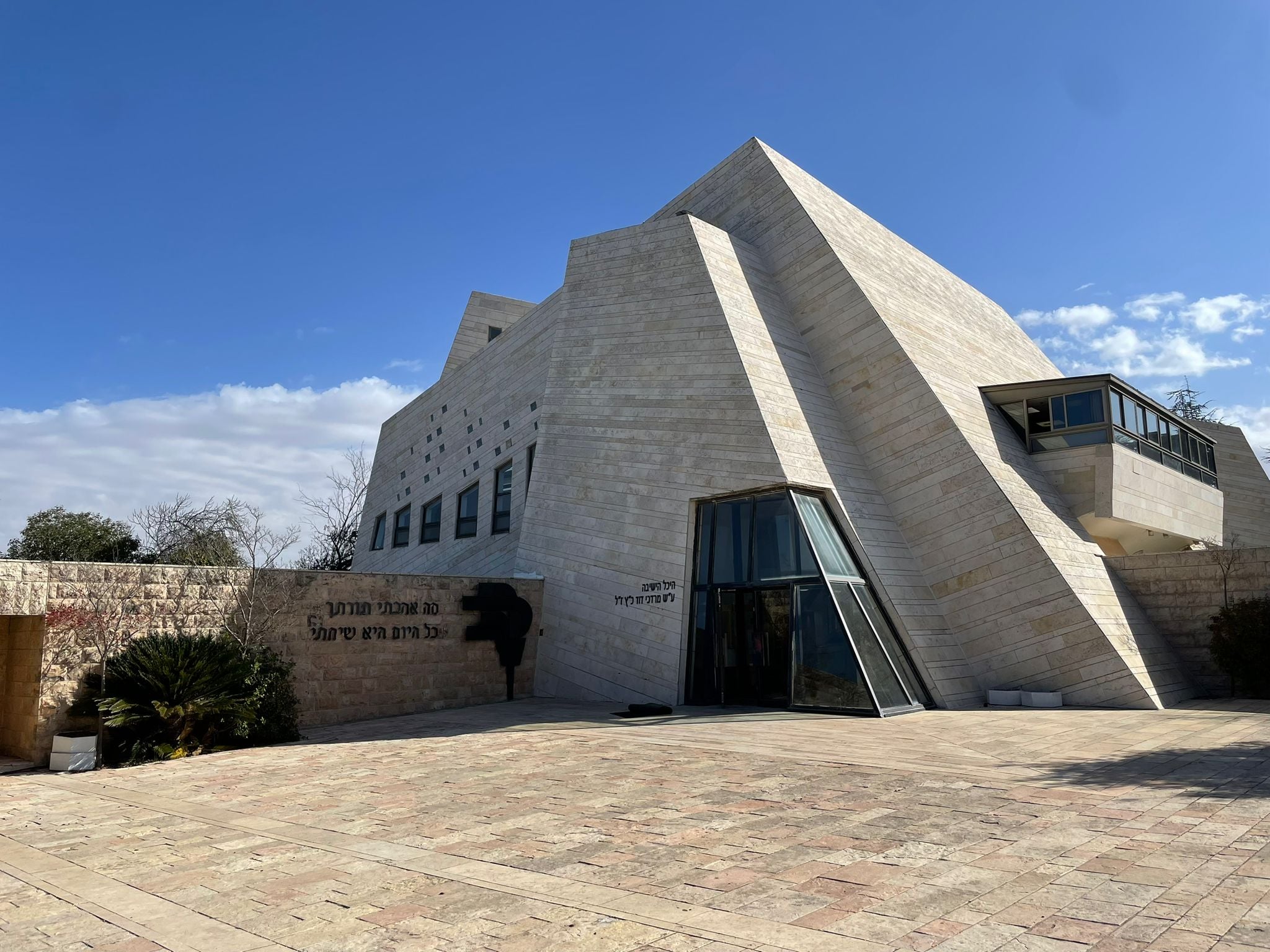
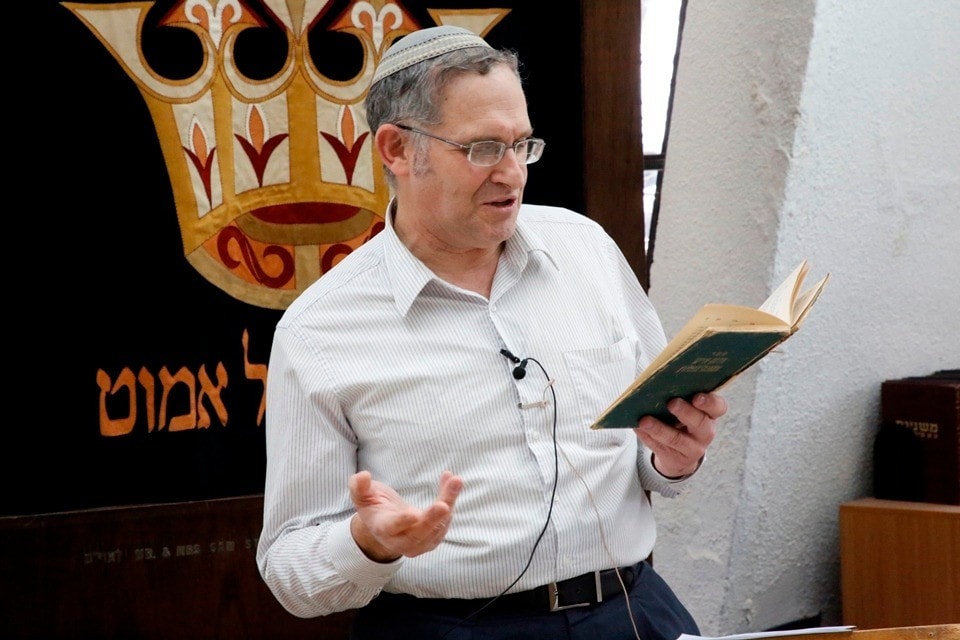
More than two years after hundreds of its students were hurried into active military service following the Hamas-led invasion of southern Israel on October 7, 2023, life at Yeshivat Har Etzion in the West Bank settlement of Alon Shvut is starting to regain some sense of normalcy, says one of the institution’s head rabbis, Mosheh Lichtenstein.
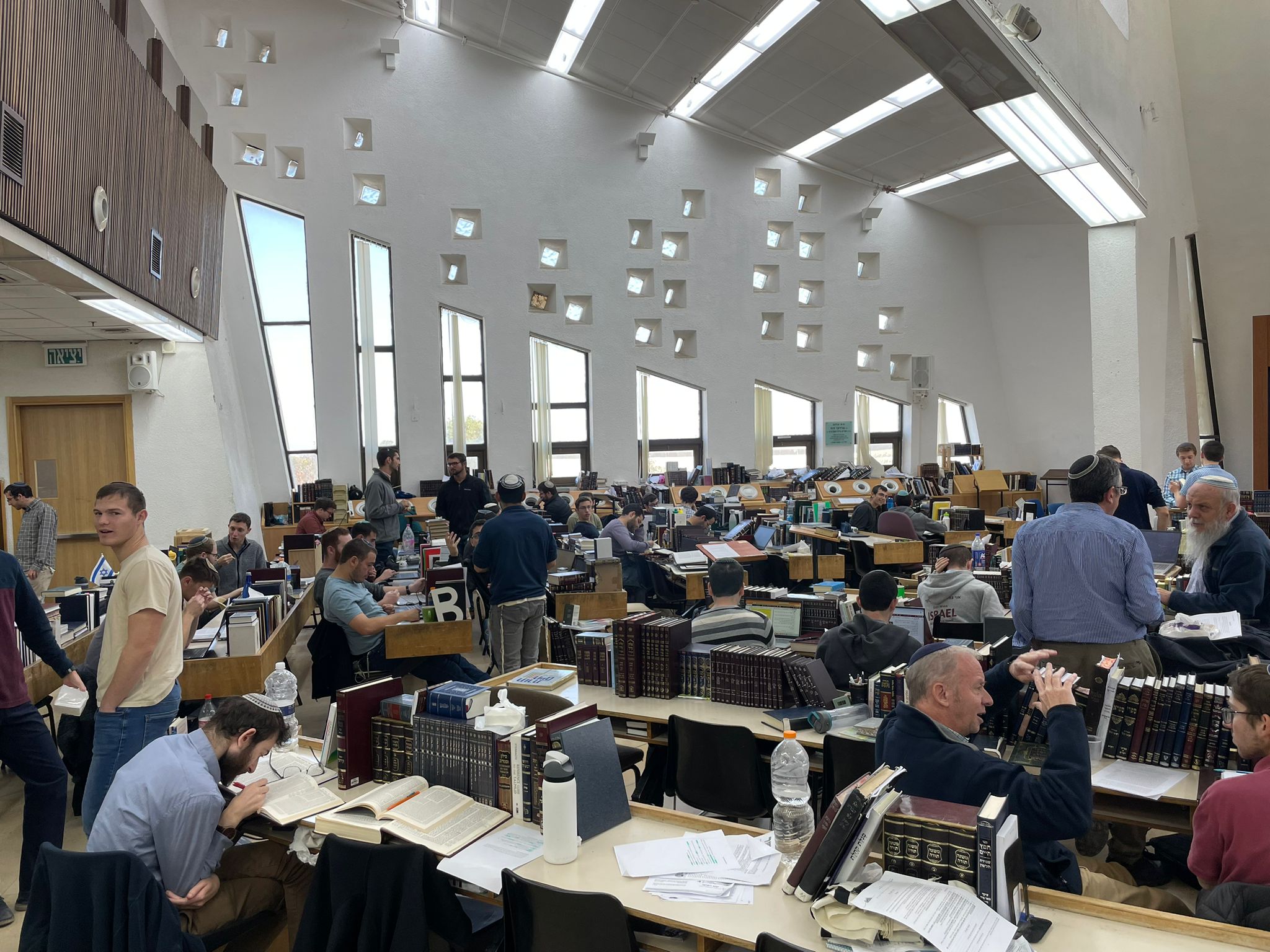
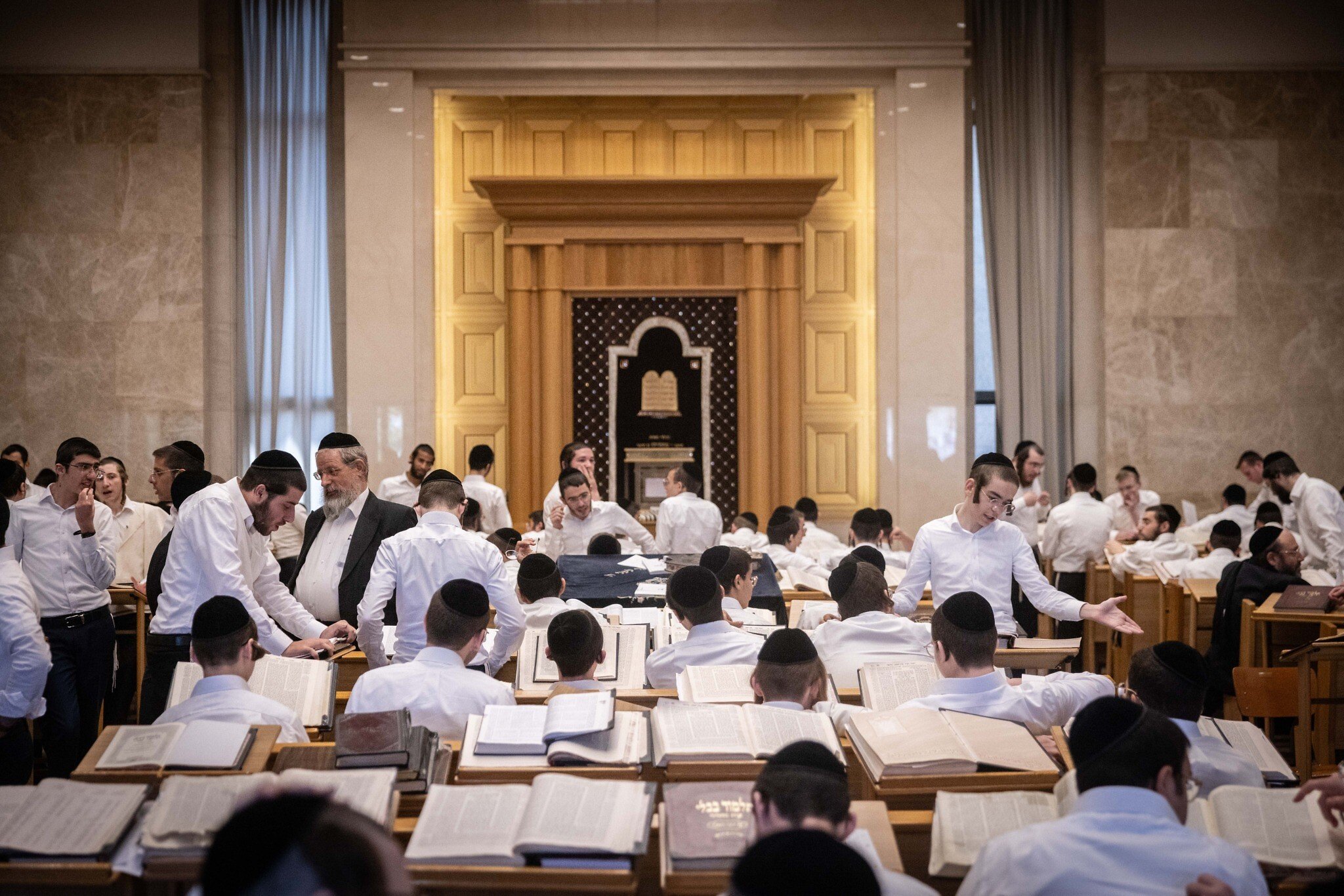
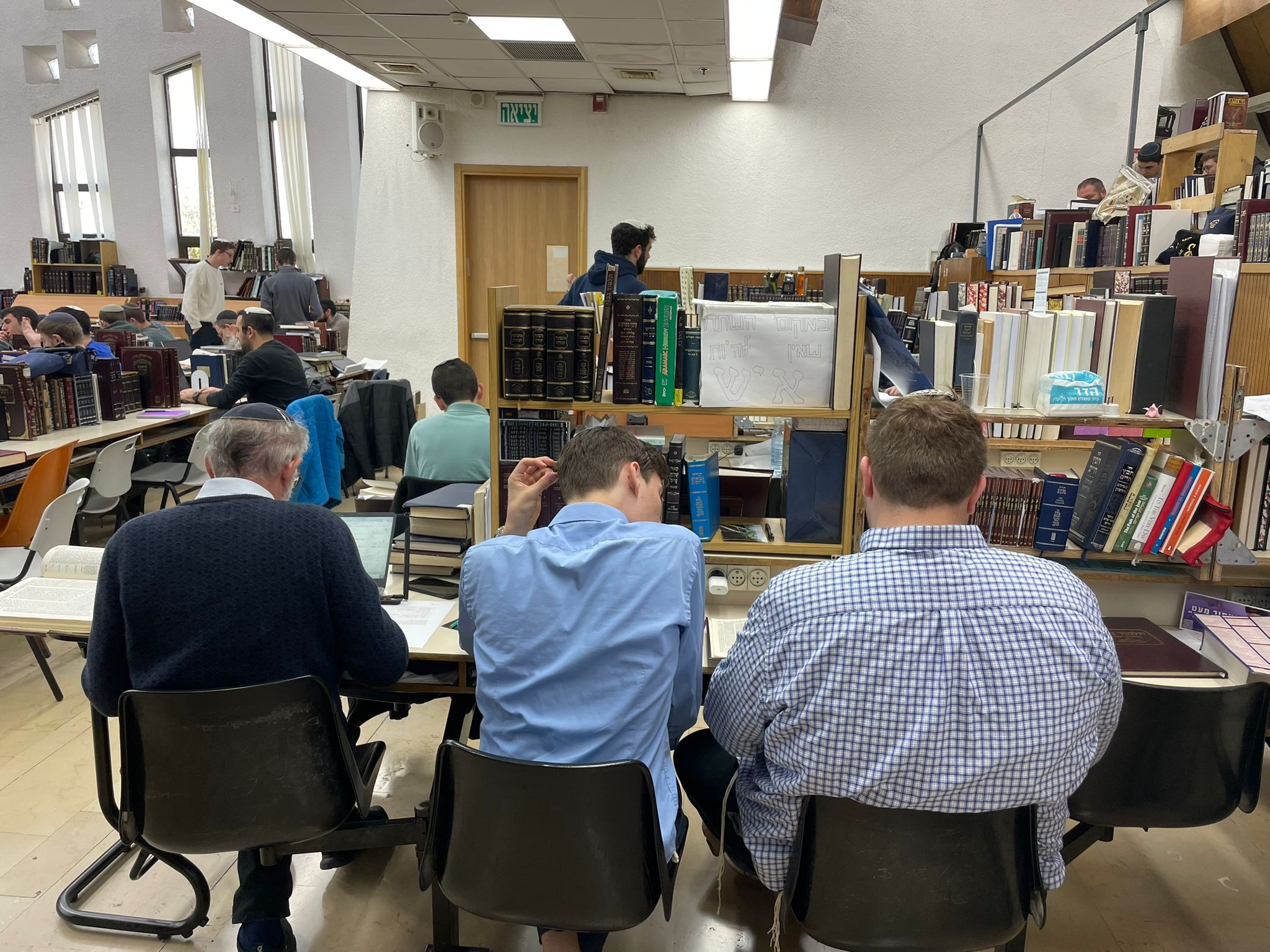
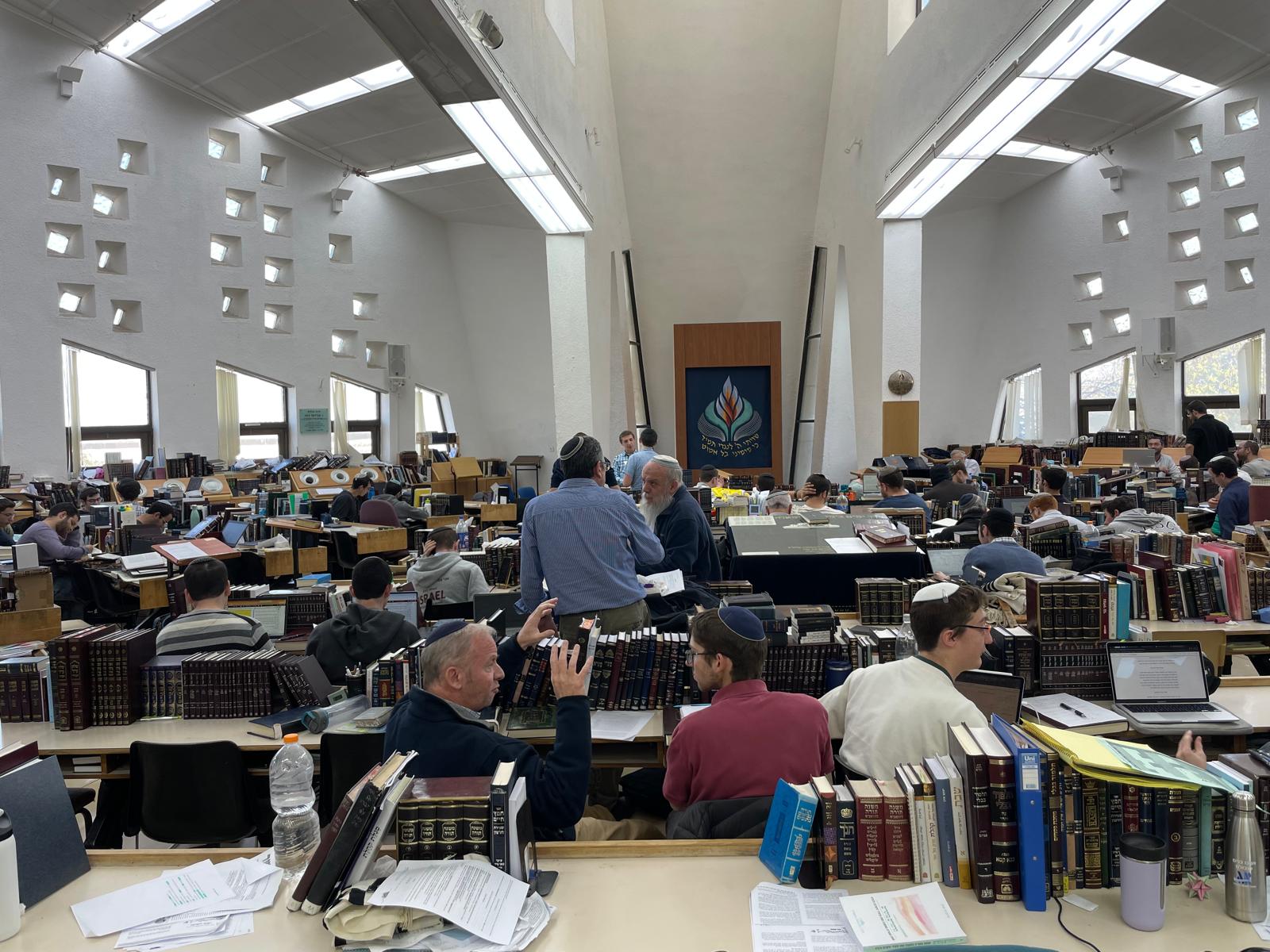
On a chilly but sunny winter day, young men walked through the halls of the imposing building located in the Etzion Bloc, or Gush Etzion, a cluster of Israeli settlements south of Jerusalem in the West Bank. Some held cups of coffee, others carried books as they made their way to the bright beit midrash, or study hall, which was filled with the sound of study partners animatedly debating the finer points of the Talmudic tractates and other ancient Jewish texts they were studying.
Colloquially known as “the Gush,” the yeshiva is renowned for its intellectual rigor and is an influential institution in the Religious Zionist movement in Israel and in Torah studies worldwide. It operates a flagship hesder program that combines Torah study with military service, as well as a post-high school program for overseas students and a full-time advanced study track for older men.
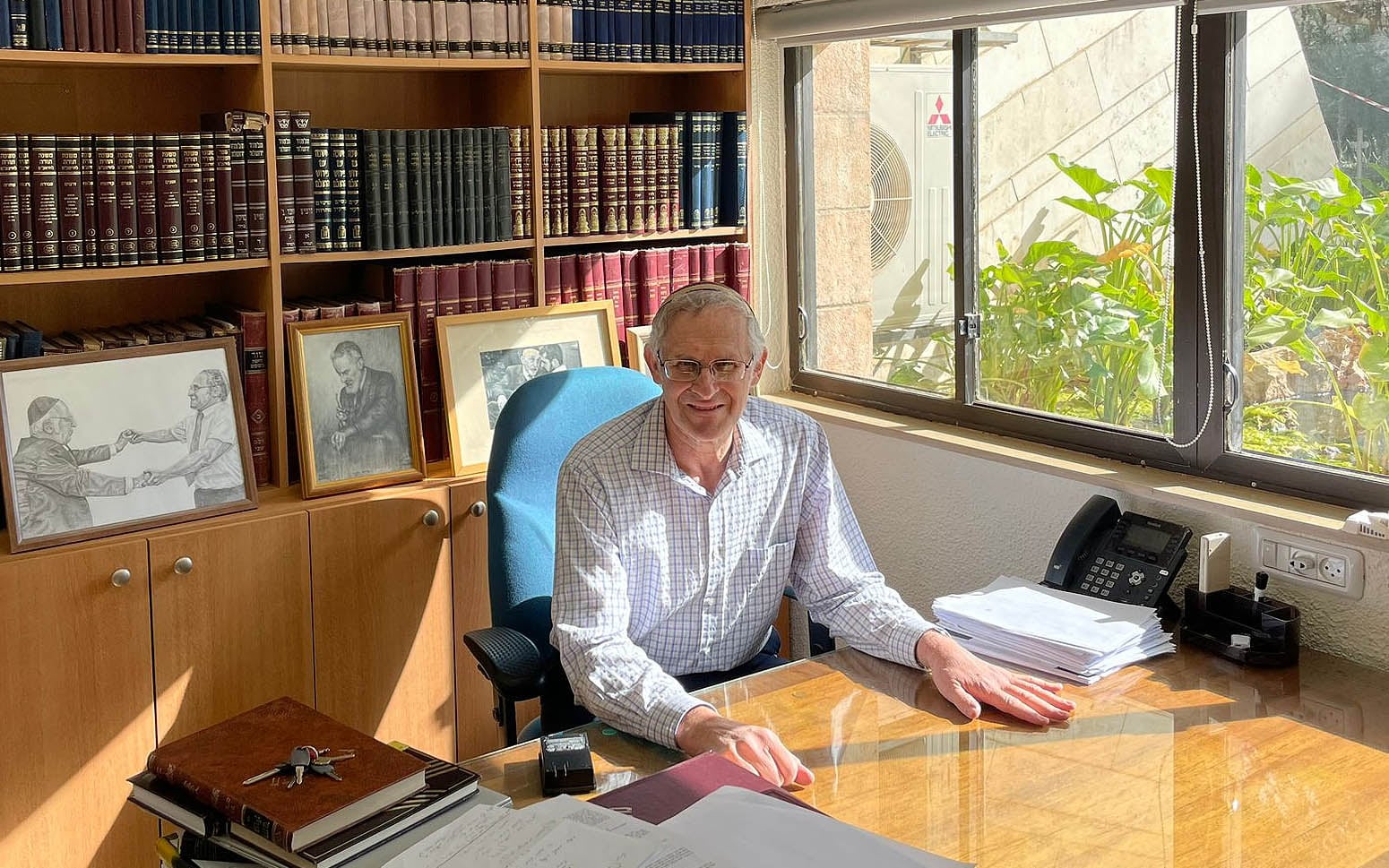
Sitting for a wide-ranging interview in his office, Lichtenstein described the pride and pain in seeing students and alumni mobilizing and facing tremendous challenges, including the heartbreaking loss of six in the two-year war.
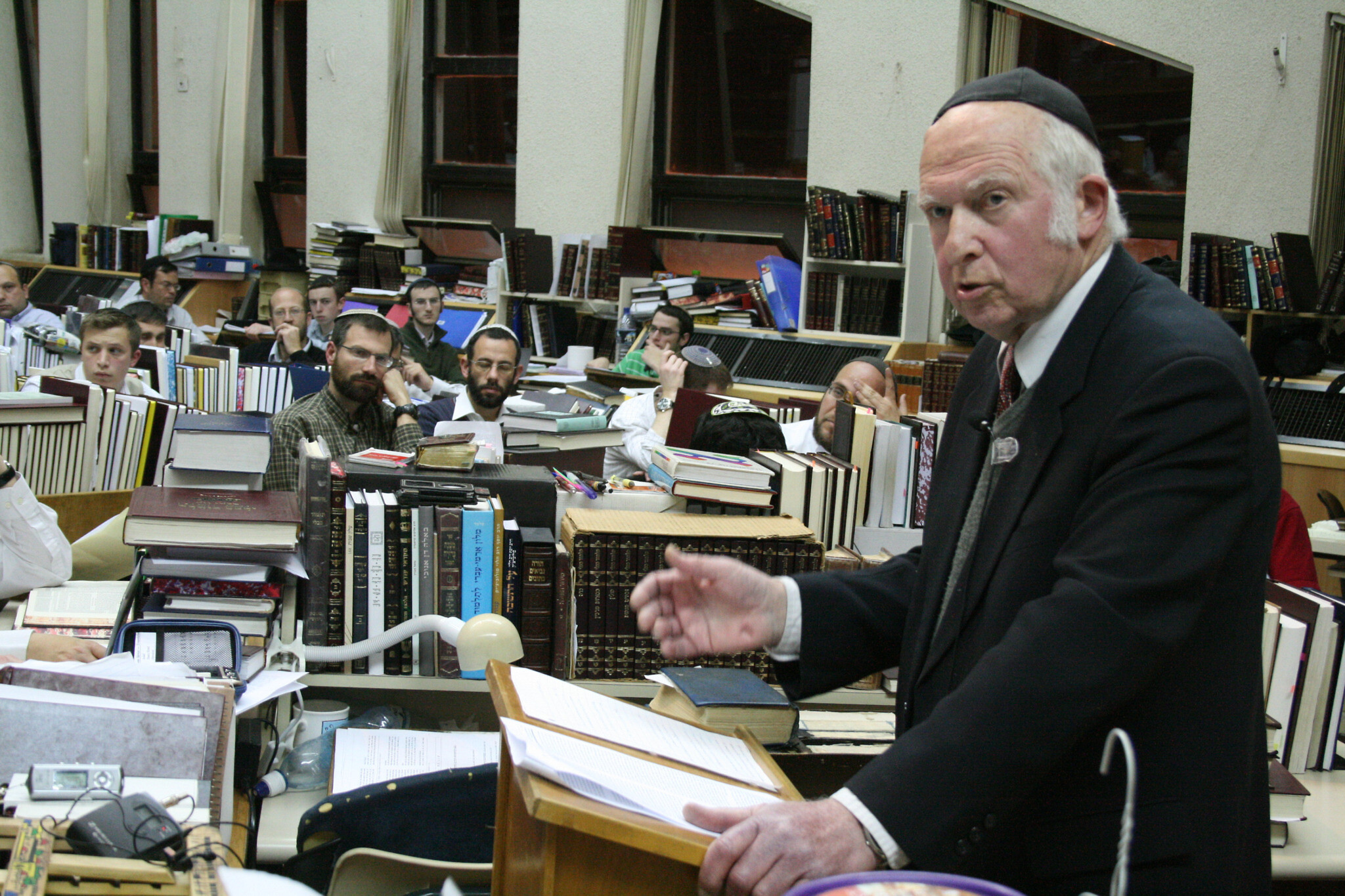
Yeshivat Har Etzion was established in 1968 by Holocaust survivor Rabbi Yehuda Amital. Three years later, he was joined by prominent American rabbi Aharon Lichtenstein, Mosheh’s father, who was married to Tovah Soloveitchik, the daughter of Rabbi Joseph B. Soloveitchik, the spiritual leader of the US Modern Orthodox movement.
At the time of the move, the younger Lichtenstein was 10. He went on to study at the yeshiva, then earned a degree in English literature from the Hebrew University of Jerusalem and rabbinical ordination from the Chief Rabbinate. He became co-head of the yeshiva in 2008.
Soloveitchik’s worldview, rooted in the relationship between man and God, and in the balance between Judaism and modernity, still profoundly influences the yeshiva, which is known for these values more than many other Israeli institutions of Torah study.
At the same time, the yeshiva remains deeply immersed in the Religious Zionist project, sitting in a settlement and educating some of the community’s best and brightest.
“[After October 7], we made a policy decision that the learning should continue as much as possible with those who were here,” said Lichtenstein. “I told the students they owed it to themselves, to Jewish history, to Torah, and to God that, in such times, the flame of Torah should continue to burn and express itself even stronger.”
The rabbi also addressed some of the most pressing questions facing the Religious Zionist community and the State of Israel as a whole.
Addressing a recent uptick in settler violence (as of last month, the IDF had recorded over 752 incidents of nationalistic crime and extremist settler violence against Palestinians in the West Bank since the start of the year), he insisted that ultimately, the mainstream Religious Zionist community and leaders carry the responsibility to stop it.
“The violence that is going on is horrible and is morally and ethically wrong,” he said.
“The perpetrators do these things because, to a large extent, society will tolerate it,” he charged. “The degree to which members of the community will believe that [this violence] is a desecration of God’s name or is just unfortunate behavior is a function of what mainstream Religious Zionist communities will hear on Friday night in their rabbis’ sermons. If they hear harsh condemnation, it will create a certain dynamic.”
The following interview has been lightly edited for clarity and brevity.
The Times of Israel: Two years after October 7, how is the yeshiva doing, and how are the students doing?
Mosheh Lichtenstein: It’s been a long two years, with many different feelings. On October 7, the yeshiva was entirely mobilized: the overseas students and the young Israelis who hadn’t yet been trained [as soldiers] stayed, but anyone who had been in the army was called up.
The yeshiva emptied out. Normally, we have hundreds of people here, but from October 7 onwards, people from the third year above were in the single digits. On one level, it was inspiring. A major component of the hesder paradigm and its justification of a shorter service is that everyone serves in combat units, unless they are physically disqualified by the army, and that when there’s a war, everyone goes at a moment’s notice. I am convinced that we fulfilled our mission and justified the rationale for the dual track that combines safra and saifa [Aramaic for book and sword].
We made a policy decision that the learning should continue as much as possible with those who were here. I told the students they owed it to themselves, to Jewish history, to Torah, and to God that, in such times, the flame of Torah should continue to burn and express itself even stronger.
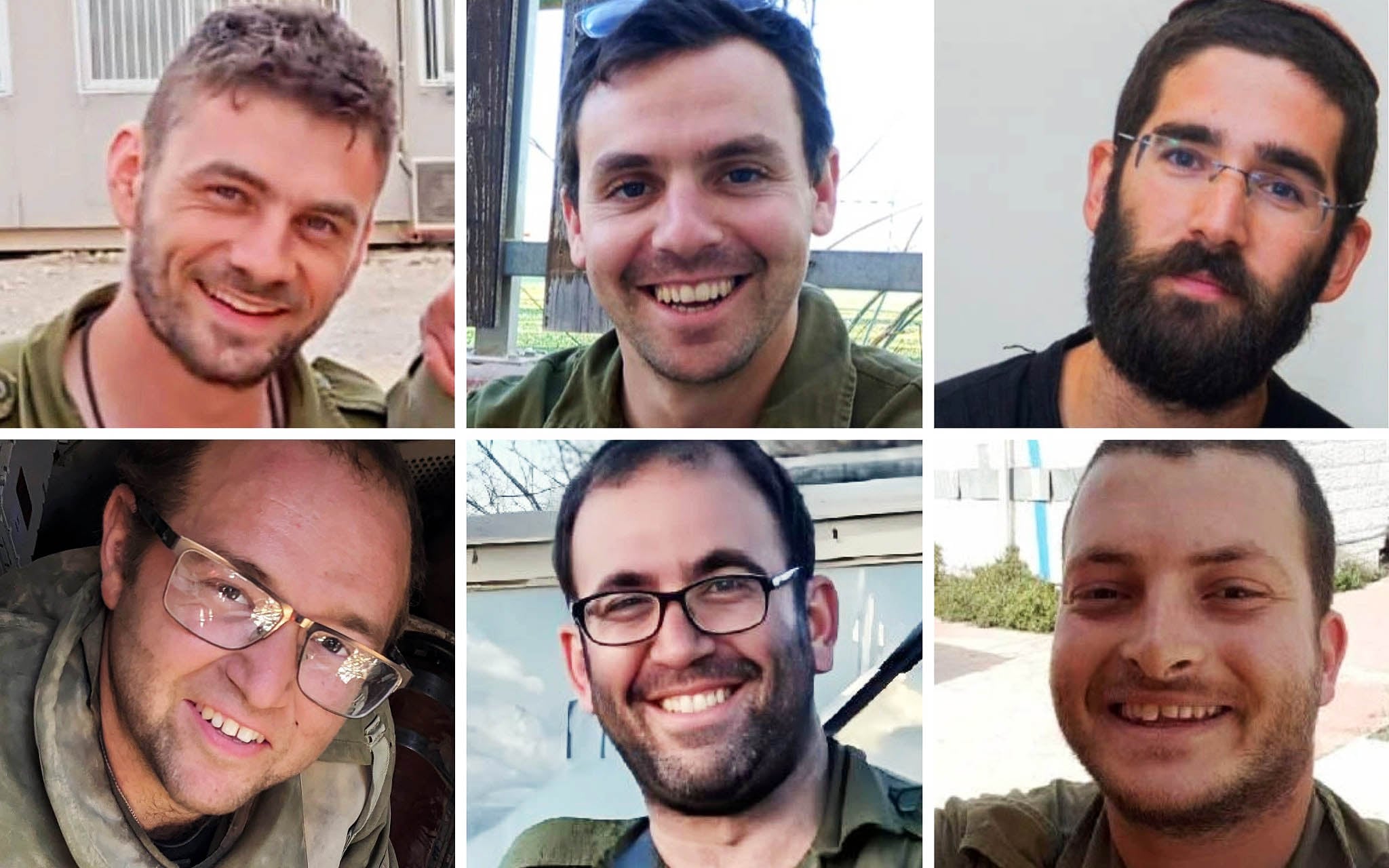
On another level, there has been a lot of pain. An additional element of the hesder model is that the vast majority of hesder students continue to serve in reserve duty for many years. Therefore, we had hundreds of students and alumni in combat units, and we suffered serious losses; six students and alumni were killed. All these students also had to deal with the pain and trauma that they experienced, as well as the need to struggle with the many moral and ethical dilemmas that they encountered.
We are not health professionals; the army provides those, but for many people, talking and receiving advice and support about these experiences from their spiritual mentors is an important element of their emotional needs when they deal with trauma. When someone encounters tragedy, seeking an anchor and connection to God and to Torah is a spiritual and emotional need. I have had several students like this.
One of the issues currently at the center of Israeli public discourse is the question of the ultra-Orthodox draft. Based on what you described, it’s hard not to notice the different approach. What is your opinion on the issue?
My main role is an educator, and an educator has to focus on what he believes he can change. You can change your community because you have a relationship with them and share a common approach to the issues you address. If I go preach to the Haredim, it may be very self-satisfying, but it won’t move the needle. I definitely have a lot of criticism, but I think the more [Haredim] feel under attack, whether justifiably or unjustifiably, the less likely something will change.
Now, if you ask me what I think the Torah wants from us, the fact that I’m in hesder says it all, and I obviously do not accept their attacks upon the ability to both learn [Torah] and serve [in the army], or to observe mitzvot in the army.
This yeshiva is considered a representation of the Religious Zionist segment of Israeli society. Do you think it makes sense to describe Religious Zionist Jews in Israel as one community?
Sociologically, in the broadest sense, the Religious Zionist community is one community, but Religious Zionism has very ideologically different groups, and I think it’s important for us and for the general public, the non-religious community, to recognize that.
We can think about those we can call the founding fathers [of the movement]. Rabbi [Abraham Isaac] Kook’s metaphysical philosophical world is starkly different than that of Rabbi [Joseph] Soloveichik. Eventually, it trickles down into how you live your life and how you approach reality.
Can you explain the difference between these worldviews?
Rabbi Kook basically sees the manifestation of divine glory as the central point of religious life.
For Rabbi Soloveichik, the focus of religious life is the man-God relationship. This translates into many things. [Rabbi Kook believes] the State of Israel is the foundation of God’s glory. Rabbi Soloveichik sees [the state] as important but utilitarian and functional.
We can use a metaphor: if we think of building a structure, for instance, a house, its main purpose is for you to live there, to express your love for your spouse and children. Now the house enhances the family, but without it, the family remains. On the other hand, you can think about a building differently, as an artistic and spiritual statement. That’s sort of how Kook views the world, as God’s spiritual statement, where the building matters.
What do you feel is the impact of having a political party that calls itself Religious Zionism, like the community?
If you want to make Religious Zionism a positive force, the main tool is education. Your main message has to come through education, and that’s where you should put your efforts and energy. Political parties are an expression of how you’re educated and what your values are.
However, it’s a misrepresentation to take the name of a movement which, as I said before, encompasses many ideological approaches and use it for a particular political party. I think that usurps the name.
In recent times, the general public has often heard about the Religious Zionist community because of the hilltop youth and the violence connected to it. What is your perspective?
The violence that is going on is horrible and is morally and ethically wrong. We can debate exactly where the line between violence and self-defense runs, but there is no doubt whatsoever that a lot of [what is happening] is violence.
The [great medieval Jewish sage] Ramban states that in the book of Genesis, when our foremother Sarah tormented Hagar [Genesis 16:6], all of our suffering throughout the generations at the hands of Ishmael’s descendants, meaning the Arab world, is a result of that. He wrote it in the 13th century. It remains as relevant now as it was then.
In religious terms, I think this violence can cause us, God forbid, to forfeit our claim and our privilege to have the land.

However, an important point I do not think is stressed enough is that 10 years ago, people denied there was a problem. Today, people recognize there is a problem, even people who are much closer ideologically to these [perpetrators]. However, they tend to diminish its severity by excusing them as wild and disturbed youth, and, therefore, the mainstream views the violence as an educational and not a moral problem.
Let me quote the Ramban again. Ramban says that Sarah sinned, but Abraham also did not prevent Sarah from doing it, and that is the crucial point. I have spoken with quite a few people, and they say it is pointless to talk to [these youth], they will not listen. However, I do believe that the extremes are influenced by where the mainstream stands. If the rabbis condemned this in mainstream venues, it would have an impact. To put it differently, the perpetrators do these things because, to a large extent, society will tolerate it.
The degree to which members of the community will believe that [this violence] is a desecration of God’s name or is just unfortunate behavior is a function of what mainstream Religious Zionist communities will hear on Friday night in their rabbis’ sermons. If they hear harsh condemnation, it will create a certain dynamic. I think at the moment, the flaw is that the government, meaning the police and the army, does not prevent it. Confronting and repairing this flaw has to be done by moving the mainstream.
What are the challenges?
We have a double, or maybe a triple problem.
Number one: these people are treated with forgiveness. Why? Partially because there’s been this attitude in the last 30 or 40 years, of saying, “I wouldn’t do this, but if it furthers our possession of Israel, I’m going to look the other way.” I believe that is 1,000% wrong. I’m with Ramban on this: You will never, ever advance your claim to the land through immoral or unethical means.
The number two problem is a lack of knowledge. When you talk to people, saying that some hilltop youth have been doing some damage to Arabs, it sounds very abstract. When you see the clips, [it’s different], but there is an unwillingness to distribute them. I believe that if my neighbors, friends, and students saw them, the whole attitude would be different. I think the vast majority of them are moral people; however, I just think that they’re often uninformed.
The third problem is that there is a certain ideology that actually does not see this [violence] as a problem. I think that [National Security Minister] Itamar Ben Gvir and his whole group are violent people. It’s hard to expect the police to do anything when, under different circumstances, those in power might have been there with these groups, with their glorification of power, the unrestrained use of force, and their unwillingness to recognize the humanity of the other side. Instead, we must recognize the humanity even of evildoers, even of our harshest enemies.
In the past, you have expressed positions not popular in the community; you were in favor of ending the war for a hostage deal, for example. Why do you think that your positions are unusual?
Part of the problem is the dynamics of the conflict, because in times of conflict, everything is seen very black and white, us versus them. I think it should not be like that; in times of conflict, you should still recognize the humanity of the other side, and the conflict does not allow you to do unethical things.
In addition, we have two groups [in the Religious Zionist political sphere].
One is the students of Rabbi Kook. I believe they are ethical and moral people, but their love for the Land of Israel blinds them to certain problems.
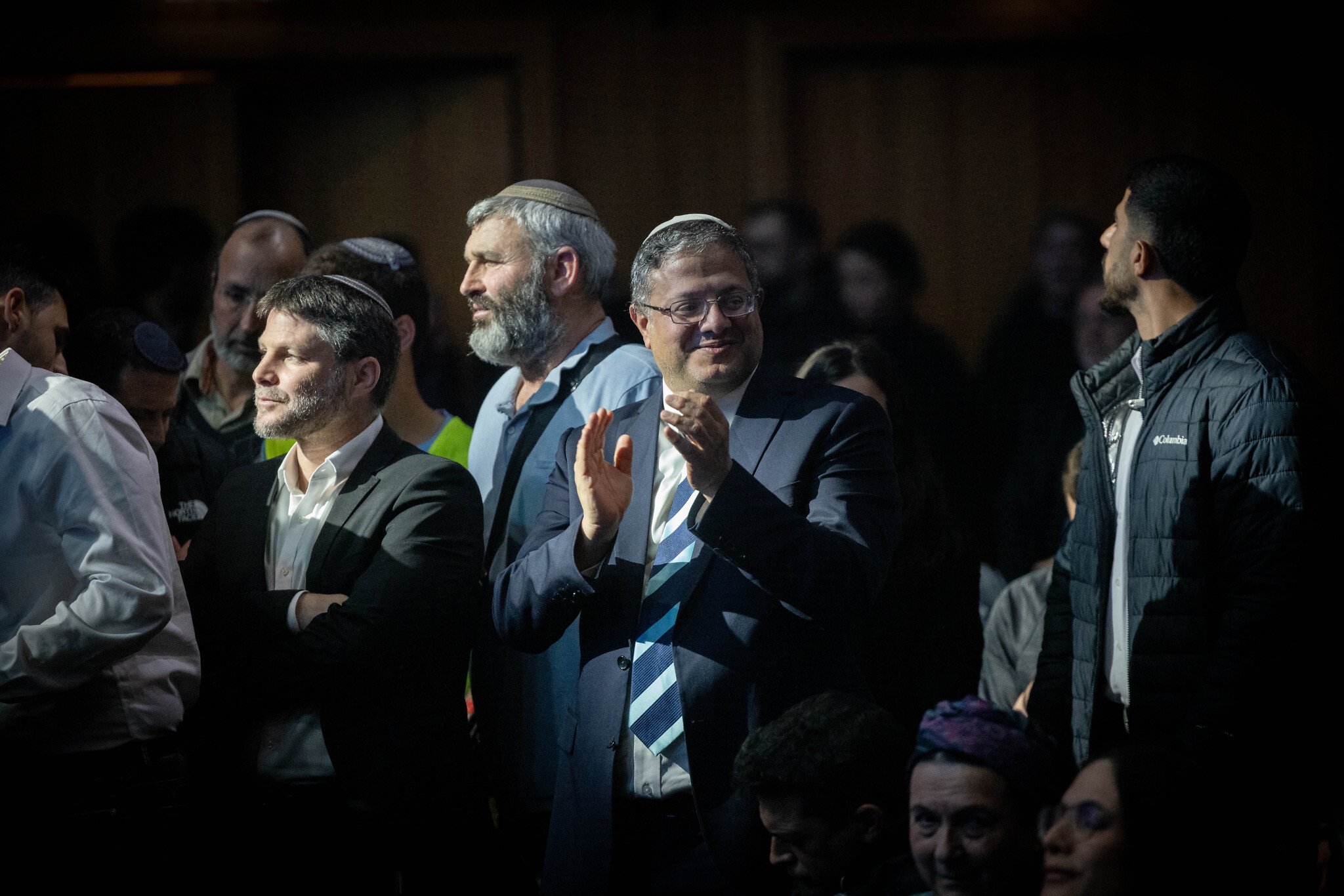
The second group is Otzma Yehudit and the followers of [late extremist rabbi and politician Meir] Kahane. I think this is an aberration of Judaism. Judaism does not believe in violence and revenge. Judaism does not believe in power as a value. The willingness of various elements of Religious Zionism to align with them for political expediency is a grave moral error.
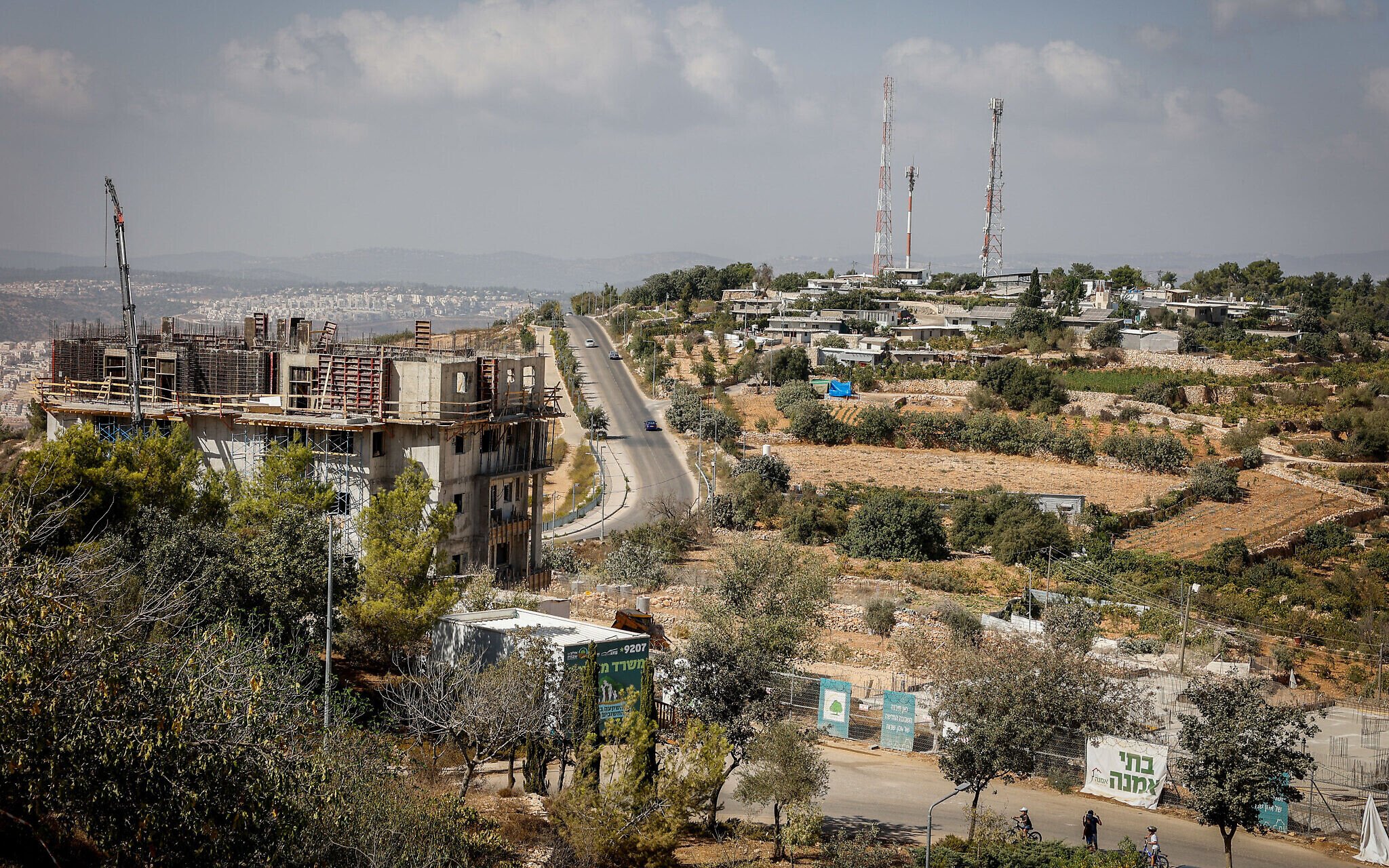
What does it mean for you and this yeshiva to be here in Alon Shevut in Gush Etzion, which is a settlement itself?
I believe we have a right to all of the Land of Israel, because God gave it to our forefather Abraham.
I recognize that our narrative collides with the narrative of a different ethnic group with different beliefs. When you have two completely different narratives, the only possible way is to reach some kind of compromise, even if it means paying a price.
The Talmud talks about two people arguing over an object and who it belongs to. There are two different solutions. One is to let them slug it out; the other is to let them divide it.
What it essentially says is that you prioritize peace over truth. The truth is that [the object] doesn’t belong to both of them, but since there is no way for us to figure that out, we choose to prioritize peace.
However, the problem is that all of this fails in practice, and I say it with deep pain, because there is no [Palestinian] partner for peace. For a fair amount of time, I was sent to various dialogues with Palestinians, here in Israel and in Europe. There is no partner. This is my experience and the experience of others I know.
What is needed for the future of Israel?
We must reduce the polarization in society. There needs to be much more dialogue, much more willingness to compromise, also internally. We are now reading the Book of Genesis, and the main message is that you can overcome external threats, but internal divisions send you to exile.
Another thing that we need is accountability. Our society underwent a huge trauma, and I do believe there is a need for an independent commission to investigate what happened on October 7, and it has to be a commission that can provide accountability and closure.
We also have to come to terms with the moral issues of what happened in Gaza. In my view, we have to acknowledge the ethical problems in Gaza and set a policy for the future. We have to recognize that there must be some form of diplomatic solution; force will not solve all problems. You need both.
Do you follow what happens to the Jewish communities abroad, and the rise in antisemitism?
As someone who only visits abroad sporadically, I’m not the right person to answer that. I have been quite surprised by the extent to which Jews feel threatened, even though I do not really sense these feelings in students who come here, but people overseas know better than I do.
I will say, I view Modern Orthodoxy as partners, and what I have found in my travels since October 7 is a deep desire for closeness and to understand what happened to us, which I find very moving and encouraging, even though at the end of the day, with certain experiences, either you experience them or you don’t.
At the same time, I also feel that since they’re partners, they have to be partners also in the dilemmas. My impression has been that much of the dialogue and discussion in Modern Orthodoxy has been very sunny. All the inspiration, all the positive aspects are presented to them, but not the shadows. They discuss the self-sacrifice of soldiers in the reserves, but not the hilltop youth. I think since they are partners, they should deal with those issues as well.

The Times of Israel Community.