

 From the Liveblog of
Sunday, August 10, 2025
From the Liveblog of
Sunday, August 10, 2025
Netanyahu: Hamas created a problem of food deprivation; we’re now solving it
 Add ToI as a Preferred Source on Google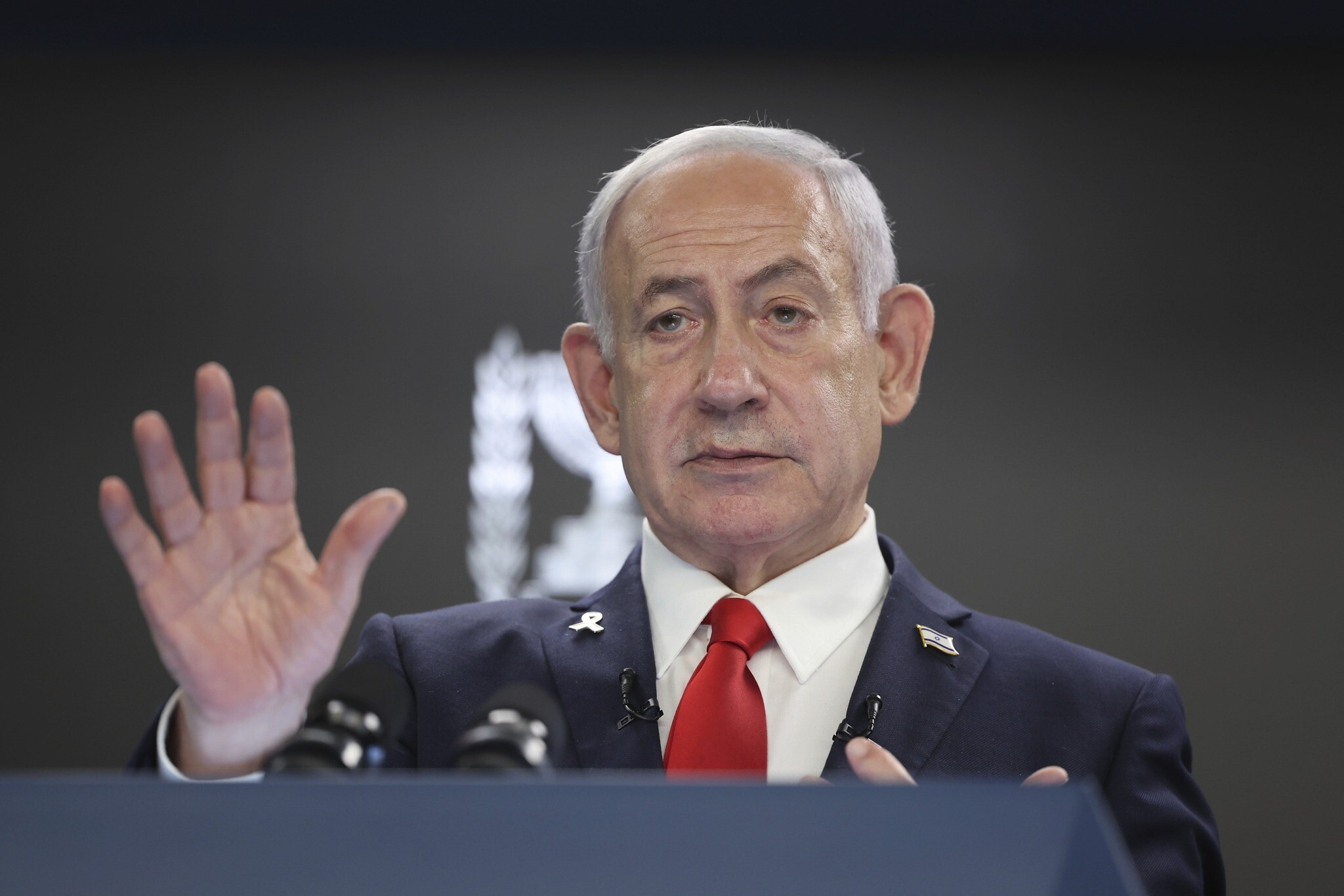
Netanyahu is asked at his press conference about the Integrated Food Security Phase Classification (IPC) report on the specter of famine in Gaza, on Israel’s 11-week blockade on aid between March and May, and on how he can guarantee that “disaster will not happen when you have a million more people displaced” under the Gaza City operation.
“We tried to do two things simultaneously. Stop the trucks and bring in the trucks through the [Gaza Humanitarian Foundation] distribution points,” Netanyahu says.
However, the two actions were not taken simultaneously. Israel maintained a complete aid blockade over Gaza for 78 days from March 2 until May 19. Only then did it begin allowing a small amount of aid into Gaza through existing, largely UN-facilitated mechanisms before the GHF gradually began operating as many as three distribution sites in southern and central Gaza.
“It wasn’t successful… among other things because Hamas interdicted also the GHF program, the distribution point,” he says.
But GHF has long denied that Hamas or any other body has been able to loot any of its aid. In June, the IDF published footage of what it claimed was a Hamas operative shooting at Gazan aid seekers. But that video was not filmed near a GHF site.
In a subsequent Hebrew press conference, Netanyahu adds that the other problem plaguing the GHF’s rollout was the lack of distribution sites. GHF for months has said that it was urging Israel to allow it to establish an additional site in northern Gaza; but those calls apparently went unanswered.
Hamas “created this problem” of insufficient aid, and then Israel was alleged to have “a starvation policy, which is completely false, any more than we have a genocide policy, which is equally false. We don’t. Not this, not that,” Netanyahu stresses.
“I don’t know of a country that texts millions of messages to civilians to get out of harm’s way, giving up the element of surprise, or calling them individually on the cell phones,” he goes on. “Yet Israel is accused of genocide. It’s absurd.”
“There was a problem of deprivation,” the prime minister continues. “No question about it. And so we had to solve it.”
Hundreds of trucks are now going into Gaza, he says. “Now we want to increase the number of distribution sites.”
“You solve this problem by the law of supply and demand,” he elaborates. “If you have a lot of supply, if you flood Gaza with food,” some will be looted by Hamas. “But if enough food reaches the marketplace, so to speak, then you’ll see a difference.”
He says the price of food in Gaza has “plummeted ever since we decided to do the humanitarian surge. It’ll plummet more if the other countries join us.” That is why he says he called other countries to help airdrop food, and the UN to deliver the trucks. When there are no shortages, “then you don’t have also the crowding around the distribution points.”
“A lot of the firing [near the GHF sites] was done by Hamas, seeking to [prompt a] response by our forces,” he says. And “very often,” IDF forces did not respond: “They stood back, they held their fire, even though their own lives were on the line.”









The Times of Israel Community.