

 From the Liveblog of
Thursday, January 3, 2019
From the Liveblog of
Thursday, January 3, 2019
Rights activist, UK citizen imprisoned by Iran plan hunger strike
 Add ToI as a Preferred Source on Google
LONDON — Prominent Iranian human rights activist Narges Mohammadi and British-Iranian detainee Nazanin Zaghari-Ratcliffe announce Thursday plans to go on hunger strike in Tehran’s Evin Prison to protest against the denial of medical treatment.
“We are urging for an immediate action to be taken,” they say in a joint letter.
Initially arrested in 2015, Mohammadi was sentenced to 10 years in prison for “forming and managing an illegal group,” among other charges.
Zaghari-Ratcliffe was arrested in 2016 and is serving a five-year jail sentence for alleged sedition.
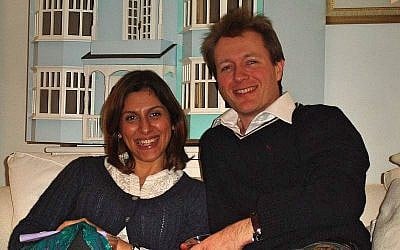
“Nazanin is currently having medical treatment blocked for lumps in her breasts, for neurological care over her neck pains and numbness in her arms and legs, and seeing an outside psychiatrist has been banned,” her husband Richard Ratcliffe tells AFP.
“These are all being personally blocked by the head of Evin clinic, Mr Khani, despite having been approved by the prison doctor.”
Mohammadi was the spokeswoman for the now-outlawed Defenders of Human Rights Center, which was co-founded by Nobel Peace Prize laureate Shirin Ebadi.
“We are severely disturbed and concerned by this prevention of specialist care approved by the prison doctor and strongly protest against it,” Mohammadi and Zaghari-Ratcliffe say, according to the joint letter, originally published on Ebadi’s website.
“In protest to this illegal, inhuman and unlawful behavior, and to express our concerns for our health and survival at this denial of specialist treatment, despite taking daily medicines, we will go on hunger strike from January 14 to 16.
“The authorities of the Islamic Republic of Iran are to be held responsible for the potential consequences.”
— AFP










The Times of Israel Community.