

 From the Liveblog of
Wednesday, July 6, 2016
From the Liveblog of
Wednesday, July 6, 2016
Rwandan genocide shows countries can’t outsource safety — Netanyahu
 Add ToI as a Preferred Source on Google
Netanyahu in Kigali also addressed the Rwandan genocide, saying the central lesson is that countries must always be able to defend themselves because the international community cannot be relied upon to come its rescue.
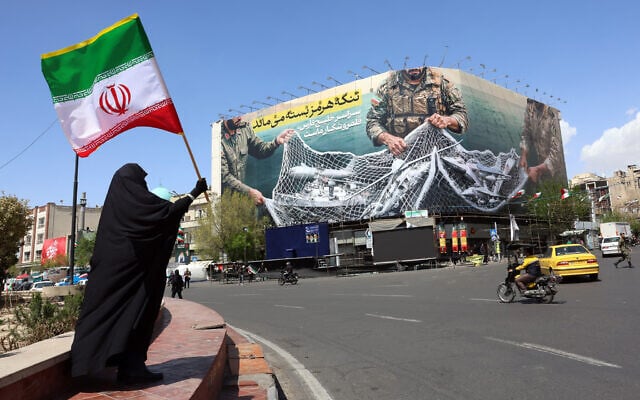
Speaking alongside Rwandan President Paul Kagame, Netanyahu points to Iranian threats against Israel, saying the world should speak out, but warning that they may be silent, as they were in 1994 as Hutus butchered 1 million Tutsis in Rwanda.
When the ayatollah calls for the destruction of Israel, the civilized world has to “speak up and alert the world,” the prime minister says.
“We have to be able to defend ourselves, by ourselves,” Netanyahu adds. “In Rwanda, UN peacekeepers failed to keep the peace. They failed to respond to urgent calls for salvation about impending genocide. They ran away. We cannot, either one of us, outsource our safety,” Netanyahu says.
Netanyahu also draws a line from the Holocaust to the Rwandan genocide, highlighting the fact that both were preceded by incitement to hate and dehumanization.
The Nazis dehumanized the Jews before the Holocaust; and the Hutus dehumanized the Tutsis before the genocide, Netanyahu says.
“Today Israel and Rwanda are successful states and models for progress. Both our peoples have learned lesson from past. Genocide is preceded by incitement to mass murder. Words matter. They have the power to kill,” he says.
The prime minister has in recent months championed a campaign against what he terms Palestinian incitement, which he says is fueling a wave of violence against Israelis.
— with Raphael Ahren







The Times of Israel Community.