

Netanyahu formally submits appointment of David Zini as next Shin Bet head
PM informs senior appointments panel of controversial figure’s selection, drawing immediate pushback from watchdog group that vows to fight ‘invalid and illegal decision’
 Add ToI as a Preferred Source on Google
Prime Minister Benjamin Netanyahu informed a government appointments committee that he wants Maj. Gen. David Zini to serve as the next head of the Shin Bet security agency, the latest development in a stormy, months-long replacement process.
Netanyahu put forward Zini’s name on Thursday to the Senior Appointments Advisory Committee, led by former Supreme Court president Asher Grunis.
Zini had until recently served as head of the IDF Training Command and General Staff Corps. He has also worked on the effort to draft ultra-Orthodox soldiers to the military. He was dismissed from the army several months ago after going behind IDF Chief of Staff Lt. Gen. Eyal Zamir’s back to discuss the Shin Bet appointment with Netanyahu.
He was nominated by Netanyahu as head of the agency in May, though the appointment has been fraught from the start, as the prime minister’s sacking of former Shin Bet chief Ronen Bar was itself wrapped up in contention.
Zini is a controversial figure due to his self-described “messianic” views. According to reports, officials in the Shin Bet have threatened to resign if he takes over the agency.
Netanyahu connected the appointment to the aftermath of the Hamas-led October 7, 2023, attack on Israel. The Shin Bet has acknowledged that it was responsible for failures in the lead-up to the massacre.
“After looking at several candidates from the service and other security agencies, and with attention to the consequences of October 7 on the Shin Bet, I decided to nominate a new Shin Bet chief who comes from outside the ranks of the organization,” a letter from the Prime Minister’s Office to the appointments panel said.
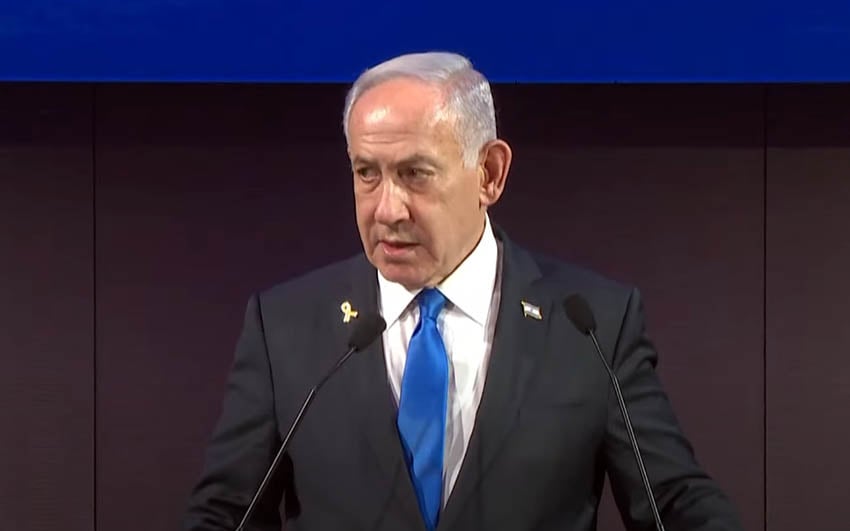
“I believe that the critical thinking shown by Maj. Gen. Zini, in his various roles, his willingness to think outside the box and to reexamine operational assumptions, along with his ability to lead and adapt the system to the changing reality… led me to the conclusion that he is the most suitable candidate for the head of the service,” Netanyahu wrote.
The Movement for a Quality Government attacked the development, saying it was “damaging to the integrity and rule of law.”
It said Zini’s appointment by Netanyahu is “tainted with a conflict of interest, and it is an invalid and illegal decision.” A candidate for whom there are “serious suspicions” cannot be placed in “such a serious and sensitive position,” it said, pointing to an allegation that Zini leaked a secret IDF document to Netanyahu.
Zini was nominated by Netanyahu as head of the agency in May, following Bar’s controversial ouster. Bar had been dismissed by cabinet vote on March 21 based on Netanyahu’s assertion that he had lost confidence in the Shin Bet chief’s ability to do the job in the wake of the October 7 onslaught.
Government watchdog groups petitioned the High Court against the decision, however, alleging that Bar had been dismissed due to his defiance of the prime minister on several key issues, not for professional considerations. They also charged that Netanyahu had a conflict of interest in the replacement process because the Shin Bet was investigating the prime minister’s close aides in the Qatargate affair as well as instances of document leaks.
The court ruled in favor of the petitions. The next day, however, Netanyahu announced he would seek to have Zini installed as the next chief of the domestic security agency.
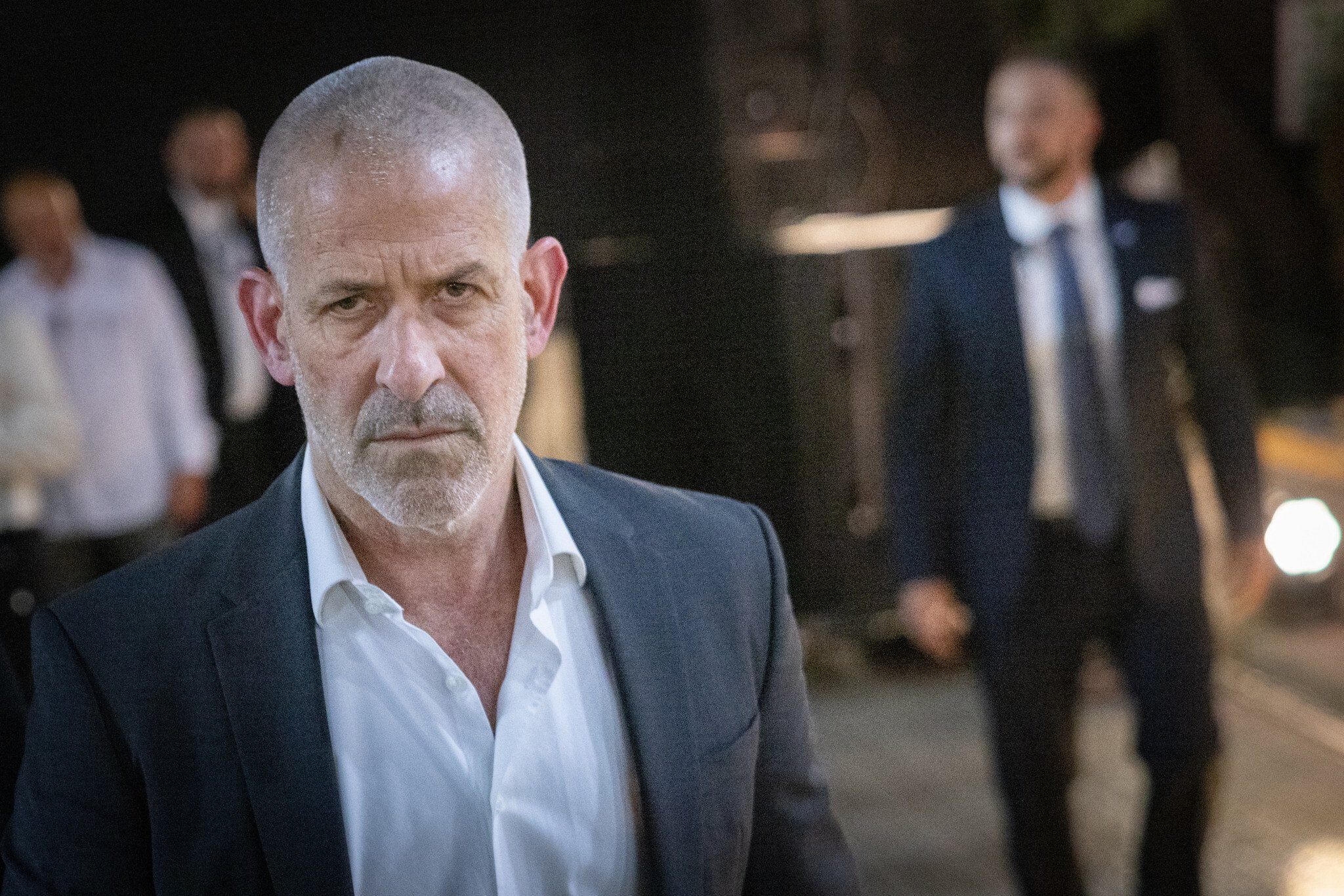
Bar resigned in June, amid the controversy, and has since been replaced in an interim capacity by his former deputy, known only as “Shin,” until Zini or someone else is formally appointed to the post.
Under an agreement between the government and the attorney general in July, Netanyahu was to inform the head of the Senior Appointments Advisory Committee of his pick to head the agency, which would then review the candidate’s suitability for the job.
The two-month period that has elapsed since the agreement was approved by the High Court, according to Hebrew media outlets, was designed to give the Shin Bet time to complete its part of the criminal investigations in the Qatargate and leaked documents scandals, both of which involve Netanyahu’s close aides. The investigations are still ongoing.
Legal scholar Talia Einhorn, in March, recused herself from deliberations in the Senior Appointments Advisory Committee as her son, Yisrael Einhorn, is a suspect in the Qatargate affair, which centers on the allegation that senior advisers of Netanyahu worked for Qatar while under employment in the Prime Minister’s Office.
It is Netanyahu’s second attempt to put forward a nominee as the next Shin Bet chief.
In late March, Netanyahu announced that Eli Sharvit would be the next Shin Bet chief, but then rescinded the appointment just a day later, when Sharvit’s support for protests against the Netanyahu government’s judicial overhaul and public criticism of US President Donald Trump came to light, prompting harsh criticism from the Likud party and other coalition members.








The Times of Israel Community.