

New graphic memoir traces how archaeology – and US academia – evolved over 50 years
In ‘The Boomer Archaeologist,’ UC San Diego Prof. Thomas Levy presents the story of his American dream, passion for research and love for Israel, while digging across the world
 Add ToI as a Preferred Source on Google
Rossella Tercatin is The Times of Israel's archaeology and religions reporter.
When the Yom Kippur War broke out in Israel on October 6, 1973, American citizen Thomas Levy was in Athens studying Greek after working at a dig in a small prehistoric site in the north of the country.
Twenty years old at the time, he made his way to Israel to help out and spent two months milking cows at Kibbutz Eilot in the Arava Valley before flying back to Arizona, where he was attending college.
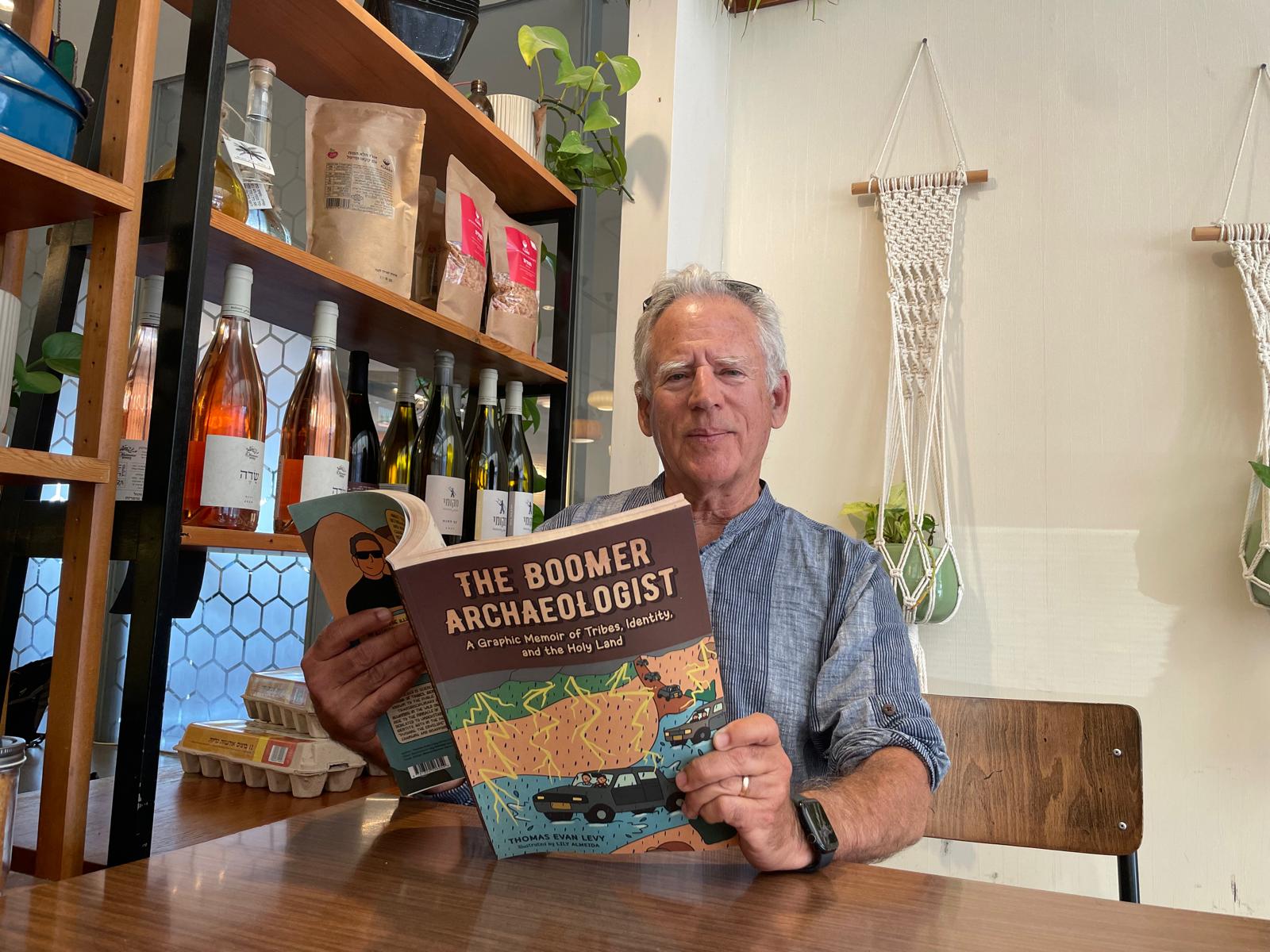
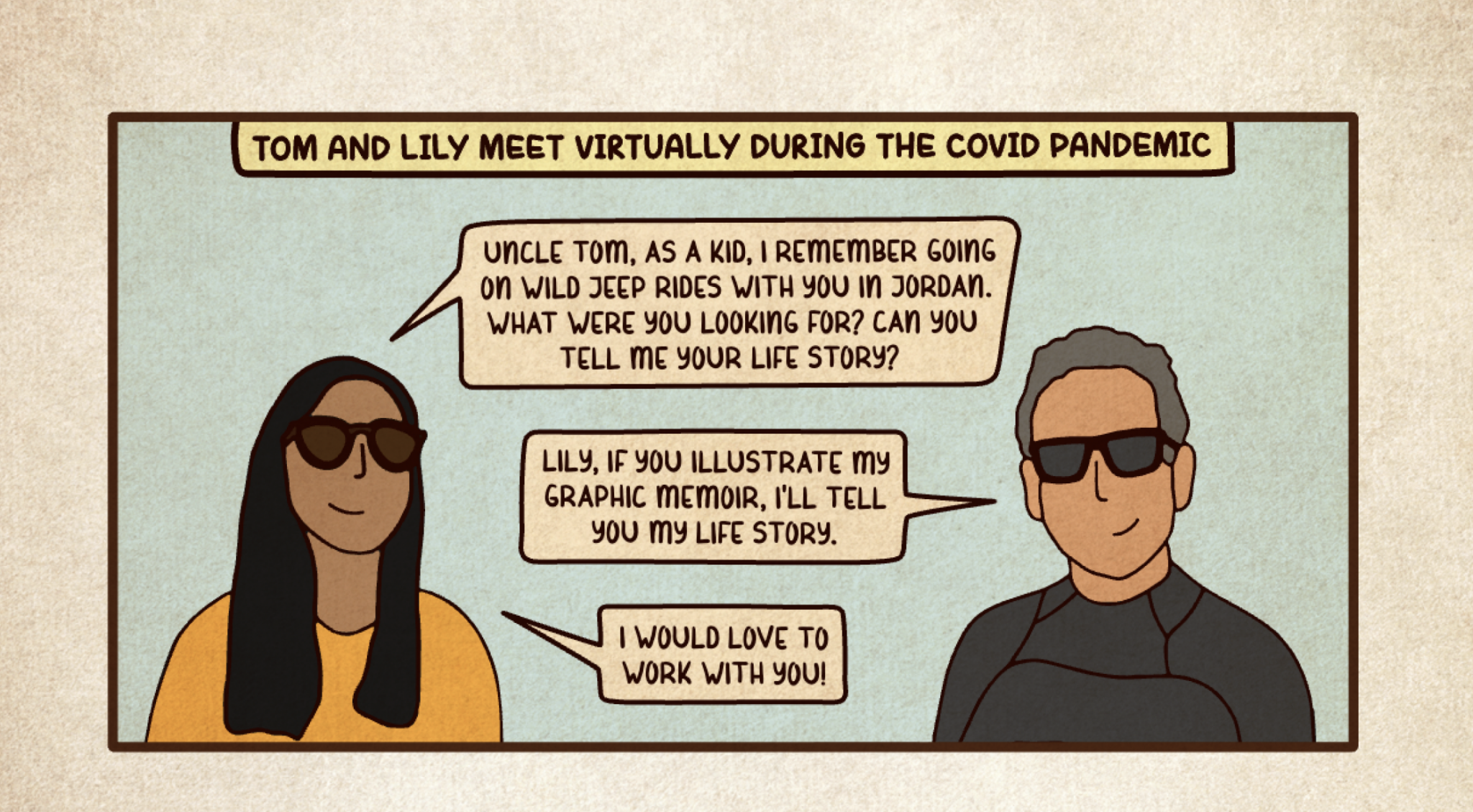
Today a prominent archaeologist, Levy tells the story in his newly released autobiography, “The Boomer Archaeologist – A Graphic Memoir of Tribes, Identity and the Holy Land,” illustrated by Levy’s niece Lily Almeida. The memoir was designed by Bhaveshkumar Suru and published by British academic publisher Equinox.
The book covers Levy’s life journey from Southern California, where he was born to Jewish parents whose families had fled Europe at the end of the 19th century, to Israel and back. It distills his own version of the American dream, archaeological work on four continents — including some revolutionary discoveries from the time of King David — and how, at the age of 72, he likes to joke that there only two things he knows how to do in life, archaeology and milking cows.
“This book is my story, a personal kind of coming-of-age story, but it’s also a story about how the field of archaeology has changed from the old days of doing surveys with paper maps and a compass, to this amazing world of cyber-archeology today,” Levy recently told The Times of Israel, meeting at a cafe in Jerusalem.
“At the same time, it’s also the story of how the American academia has changed over the years,” he added.
The American dream
After serving in the US Army in World War II and in the Korean War in 1950, Levy’s father worked as a carpenter.
“In America, it was kind of unusual for Jews just to accept being part of the working class, but he was happy with that,” Levy recalled.
Only decades later did the archaeologist learn more about his father’s past, which cast his life choices in a different light, as he recalls in an emotional chapter of the book.
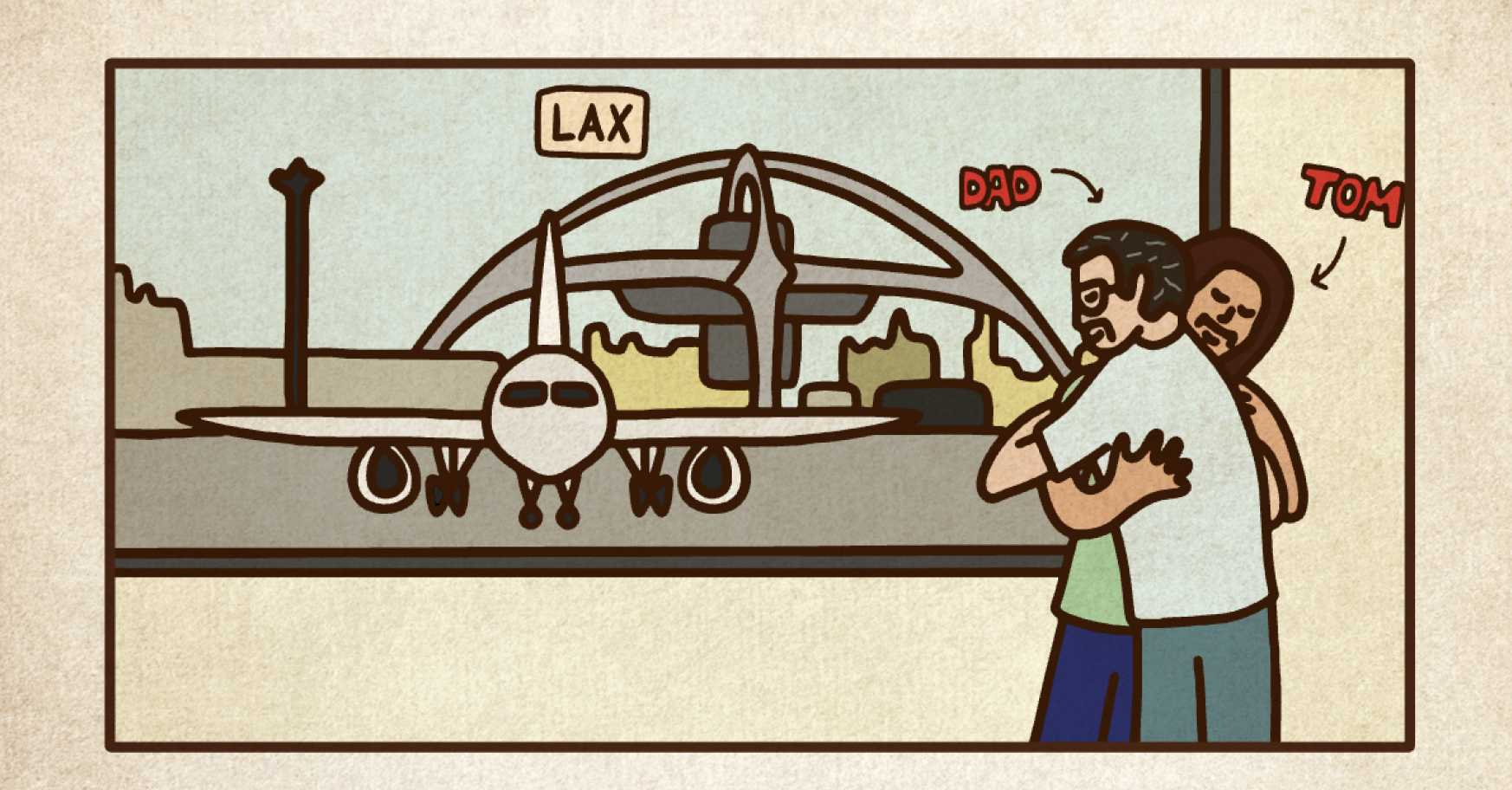
“Two weeks before he died [in 1978], we went out for lunch, and he told me something that he had never told anyone,” Levy said.
His father shared that he had participated in liberating the concentration camp of Dachau, receiving instructions to administer “instant justice” to any Nazis he and his comrades would find hiding, and he did.
“He had participated in many major battles of the war, including D-Day, earned six Battle Stars, but never talked about it,” Levy said. “I think he might have suffered from PTSD. This may explain why, afterward, he just wanted to work with his hands.”
Levy stressed that his father always taught him to respect anyone who worked hard, regardless of origin, religion, or gender — an approach that deeply shaped his mindset.
Growing up, young Tom, as friends and family call him, was deeply influenced by Dr. Council Samuel Taylor, a noted anthropologist who became close with his parents and inspired his precocious love for archaeological research. After volunteering at a dig in LA’s Pacific Palisades neighborhood at 13, four years later Levy arranged for himself to join an excavation in Israel, spending a few weeks at the biblical site of Tel Gezer and then six months at Kibbutz Ashdot Ya’akov Meuhad — where he acquired his milking skills — before returning to America to attend college.
After graduating University of Arizona, with his stint in Greece and Israel in 1973, Levy would embark on a journey that brought him abroad for 16 years, pursuing a doctorate at the University of Sheffield, before moving to Israel, where he lived for some 15 years with his partner Alina, who soon became his wife and with whom he adopted two Israeli children.
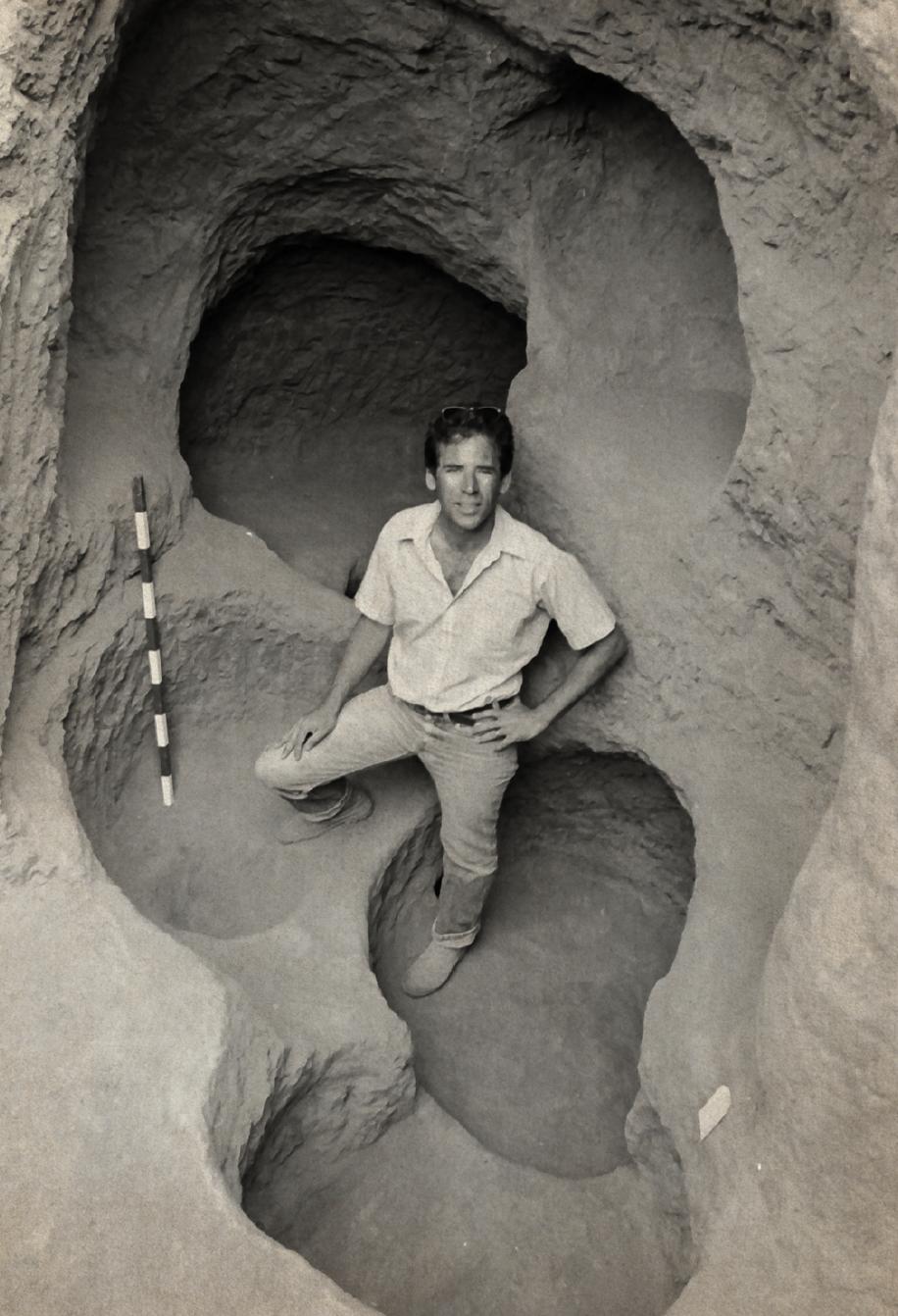
In Israel, Levy conducted several surveys and excavations, mostly in the Negev Desert, and then worked for two major archaeology institutions in Jerusalem, the Albright Institute and the Nelson Glueck School for Biblical archaeology, in addition to serving in the army.
“At Shiqmin, a village from the Chalcolithic period [ca 4500-3500 BCE], we started to document the beginnings of social inequality in the Holy Land,” Levy said. “We could see it in the settlement pattern, which reflected what anthropologists call a chiefdom. One of my major accomplishments in the archaeology of Israel was documenting those chiefdoms.”
The excavations at Shiqmin, like most of the projects Levy initiated or participated in, spanning from Israel to India and Greece to Jordan, are documented with short photo essays and additional scientific explanations at the end of the book.
(Biblical) archaeology of peace
In 1992, the Levy family moved back to California after the scholar was offered a tenure-tracked position at UC San Diego, where he soon became the Norma Kershaw Chair in the Archaeology of Ancient Israel and Neighboring Lands.
In the following years, though, he continued to excavate regularly in the Levant, as geopolitical developments brought him unexpected opportunities.
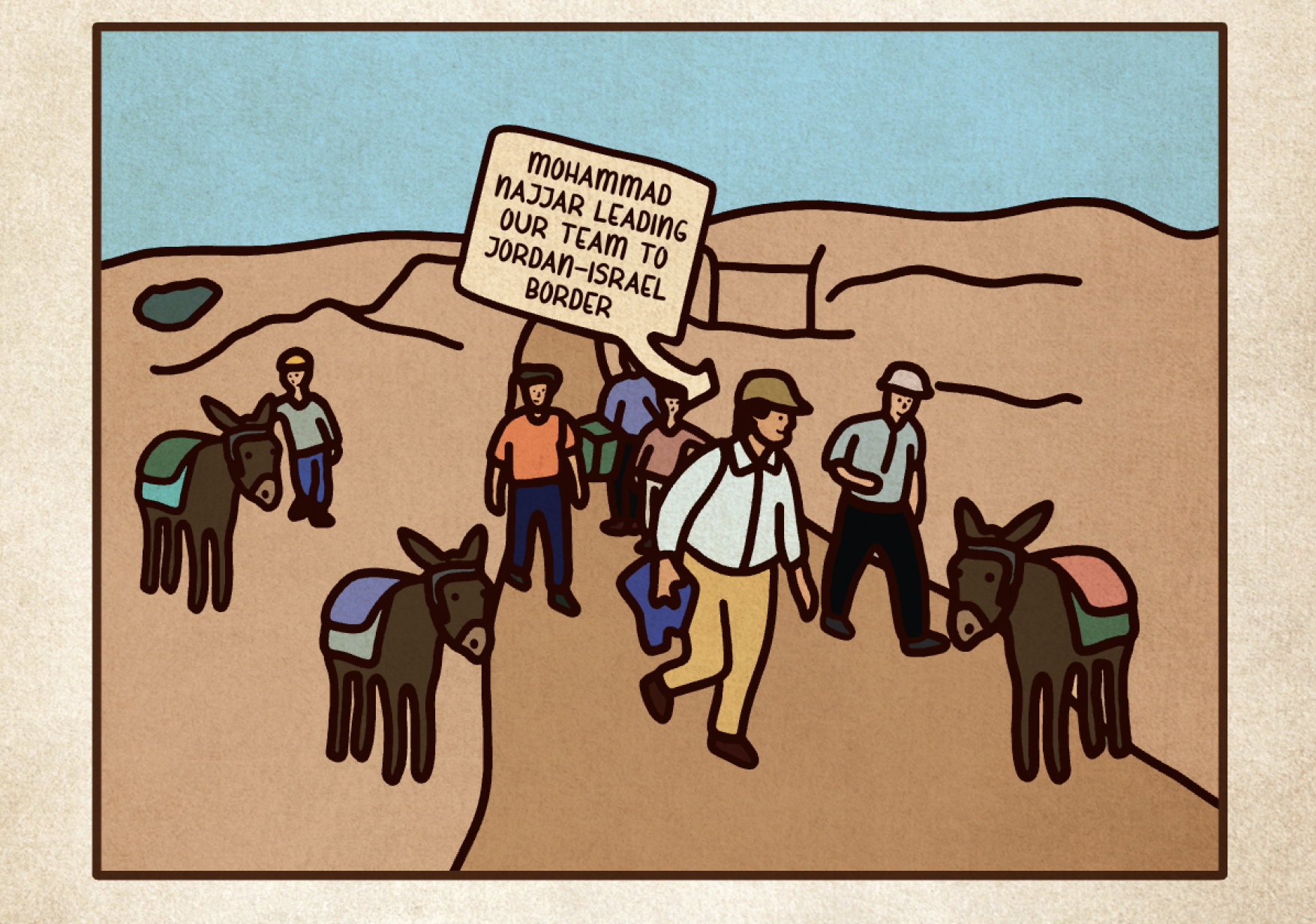
In 1997, Levy became the first openly Jewish archaeologist to co-direct a major project in Jordan after the peace treaty with Israel was signed three years earlier, excavating at the ancient copper production sites in Faynan with his Jordanian research partner Mohammad Najjar.
“Working in Jordan brought so many things in my life together,” the archaeologist writes in the prologue of the book. “My desire to contribute toward peace and normal relations between Jews and Arabs; my love for Arab and Bedouin culture; my pride in following in the footsteps of Jewish-American archaeologist Nelson Glueck, an early explorer of Jordan; and my feeling of being very much at home in the Middle East.”
Little did Levy know that a few years later, the results of those excavations would put him in the eye of one of the major biblical archaeology storms of the past century, the debate about the historicity of the Bible regarding the time of King David and Solomon, or the 10th century BCE, as he details in the chapter “Quest for Solomon’s Mines, 2002-2014.”
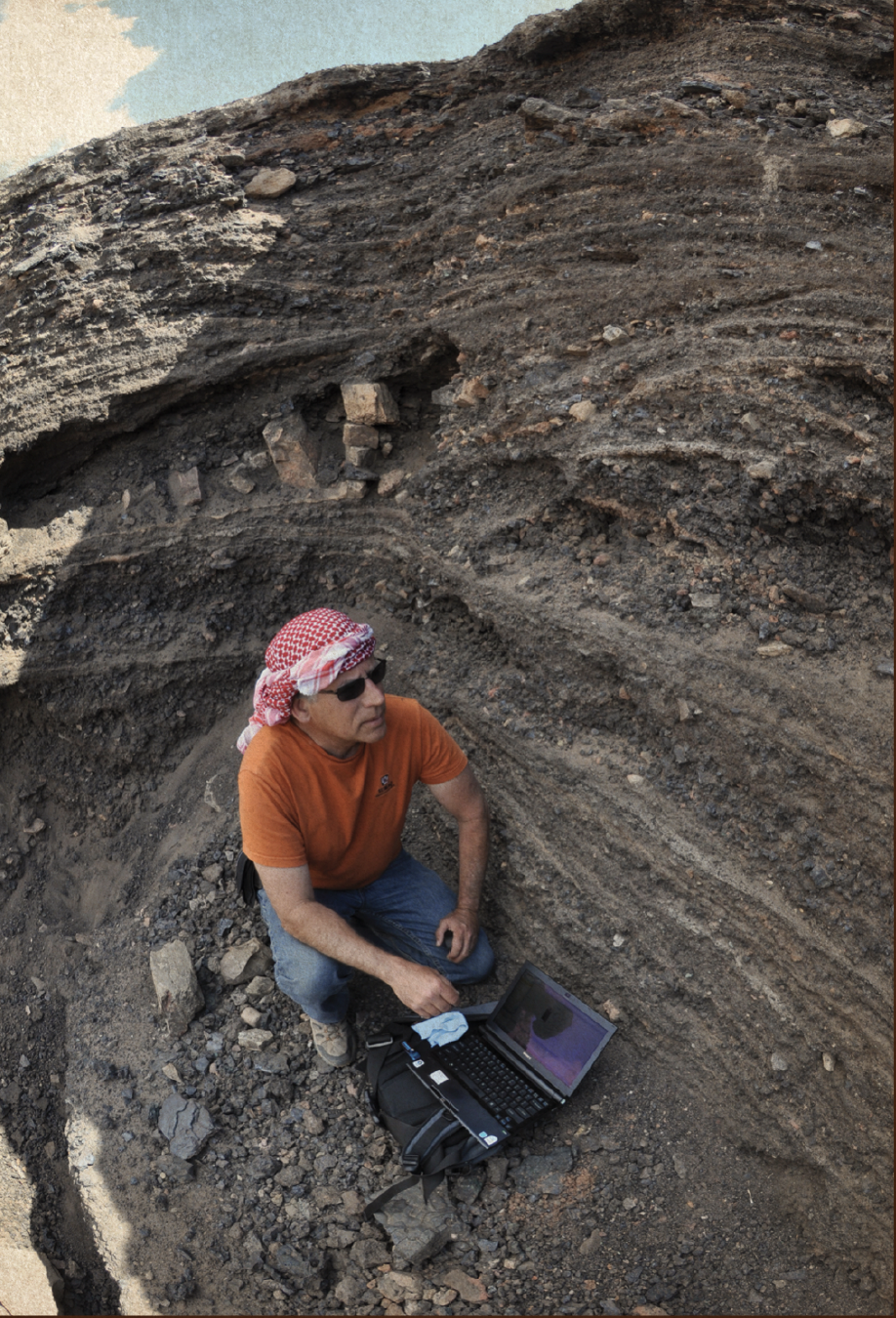
“I’m an anthropological archaeologist, I’m not a biblical archaeologist, but we, my colleague, Mohammed Najjar and I, had done the Neolithic, the Chalcolithic, the Bronze Age layers, and as both of us turned 50, we hit the Iron Age [1200-586 BCE],” Levy said.
One of the main focuses of Levy’s career was developing the field of cyber-archaeology, combining archaeology, computer science, natural sciences, and more.
In Khirbat en-Nahas, one of the copper production sites in the Feynan area, the team collected over 100 samples for radiocarbon dating.
“We got the radiocarbon dates back, and we discovered that the industrial copper production was happening in the 10th century BCE, the time of the early Hebrew kings, a time when there were not supposed to be complex societies in the region [according to many scholars],” Levy said. “Our results flew in the face of it.”
Cooling off as things heats up
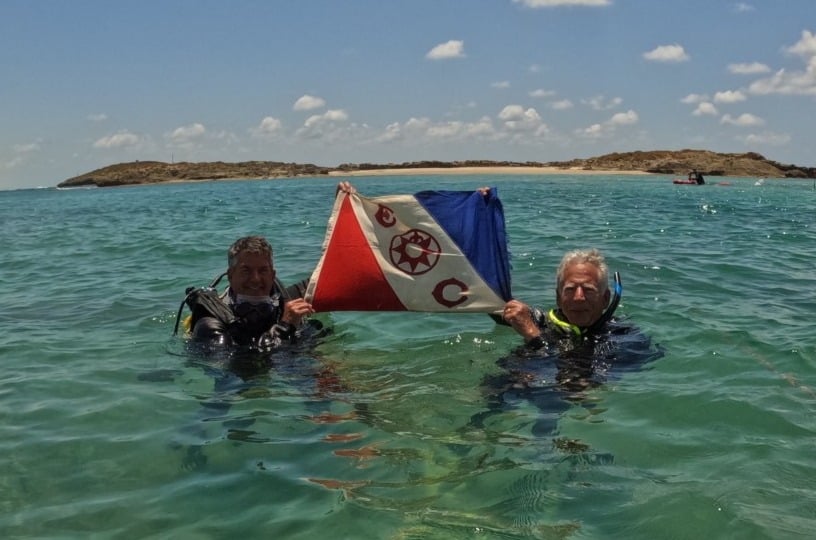
Shortly after he finished working in Jordan, Levy decided that after 40 years in desert archaeology, it was time for him to “cool off,” so he refreshed the scuba diving skills that he had acquired as a young man in California to devote himself to underwater archaeology, building a partnership between UC San Diego and the University of Haifa.
In 2018, the two universities organized their first joint underwater archaeology field school at Tel Dor in northern Israel, a site where Levy still regularly excavates with his partner Prof. Assaf Yasur-Landau from Haifa and his students, even though he retired from active teaching.
At the same time, the atmosphere at UC San Diego, as at many other American universities, began to change dramatically.
“I was very privileged to get a job at one of the best research universities in the United States, and I kind of trace the degradation of that sort of elite,” he told The Times of Israel. “It used to be based on merit, and then it changed to a system that focuses on racial identity politics, and it’s really not healthy for research.”
In the book, he recalled that in 2010, he was working with a group of five students to examine artifacts from Jordan. After Levy praised their work as “the best of our meritocracy,” one of the students responded that “meritocracy is racism.”
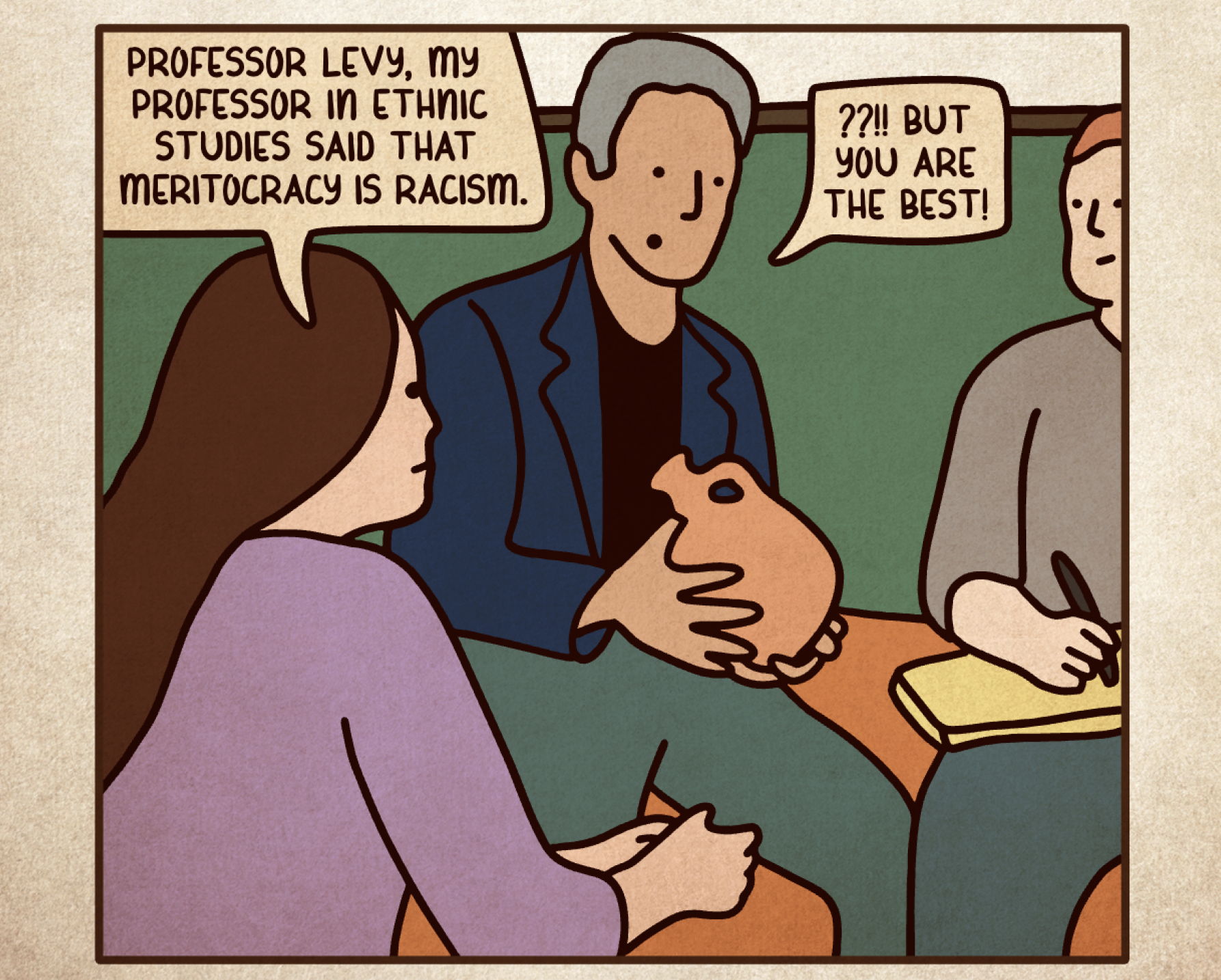
Levy explained that in recent years it’s become increasingly difficult, to the point of being impossible, to work with students and prepare them for excellence in the field.
“I find that a lot of American graduate students today are not as invested in the adventure and excitement of archaeology,” he said. “The old way of being a graduate student was like a mentor-mentee relationship with the professor. Now, people count the hours; everything is monitored. It’s not fun anymore.”
The political atmosphere also weighed on Levy as a Jew and someone with deep ties to Israel. His lab was often targeted by BDS activists, and after the devastating Hamas assault on southern Israel on October 7, 2023, the situation became even tenser.
Levy had already finished working on the book, but after the Hamas attack that left close to 1,200 Israelis killed, thousands injured, and 251 kidnapped, he decided to add a chapter to share his experience.
On October 6, 2023, he had flown to Israel to join a new season of maritime archaeological excavation at Tel Dor. After landing in the afternoon of October 7, as the Hamas attack against southern Israel was still unfolding, he and Yasur-Landau soon understood that the expedition needed to be postponed, and the American scholar returned to California.
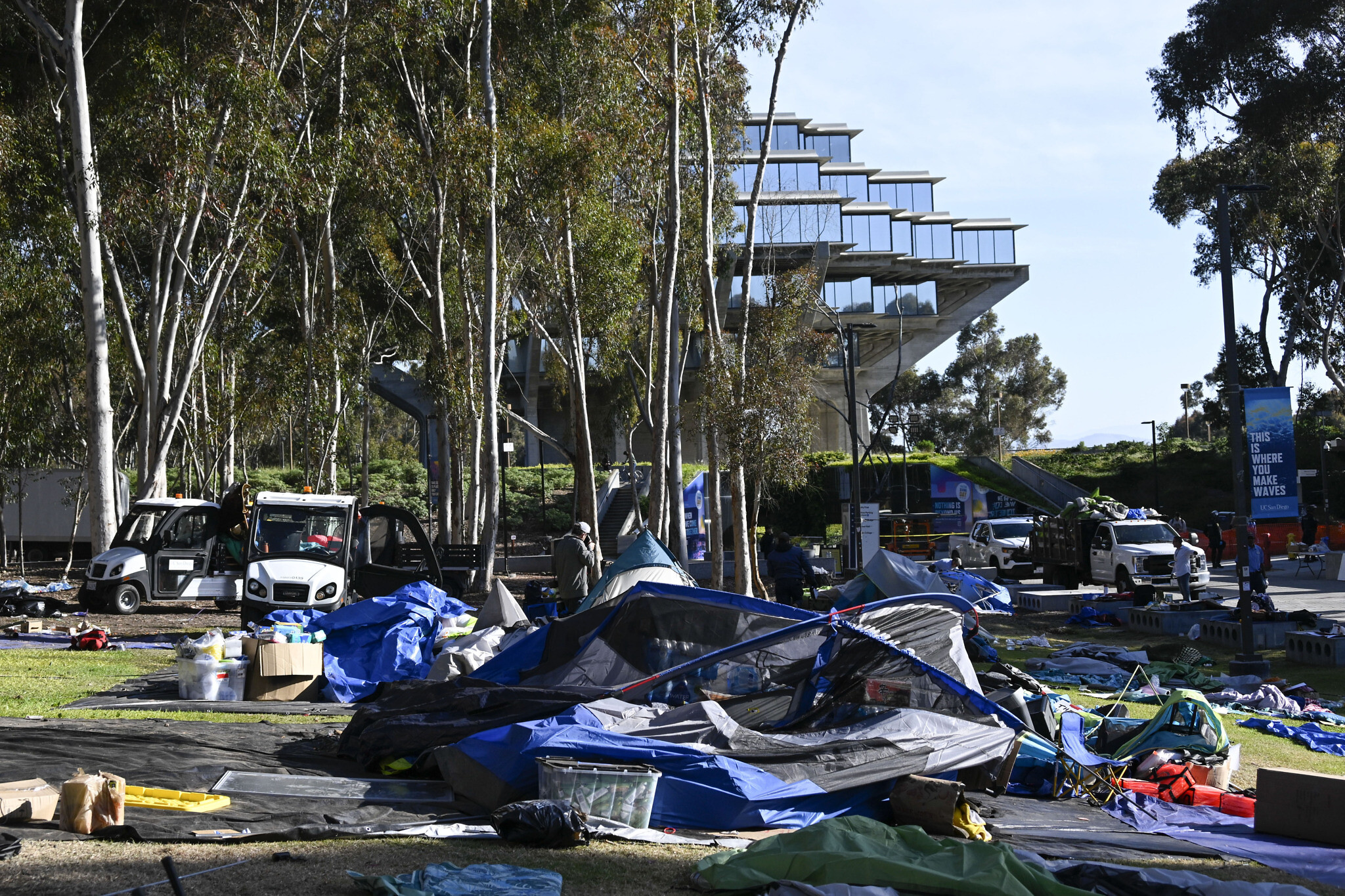
Still, Levy was not prepared for what he would find back in his university, where, already on October 8, pro-Hamas demonstrations erupted on campus, and in the following months, his lab would be plastered with what he described as “libelous” flyers, and an anti-Israel encampment would be set up “where masked students and outside agitators carried out daily Islamic prayers, has weapons, disrupted free movement on campus and intimidated Jewish students and faculty,” as he recounts in the book.
“I’m very critical of the system, but there are still a lot of wonderful people in the university, and I love the research endeavor, and therefore it’s important for me to speak up,” he explained.
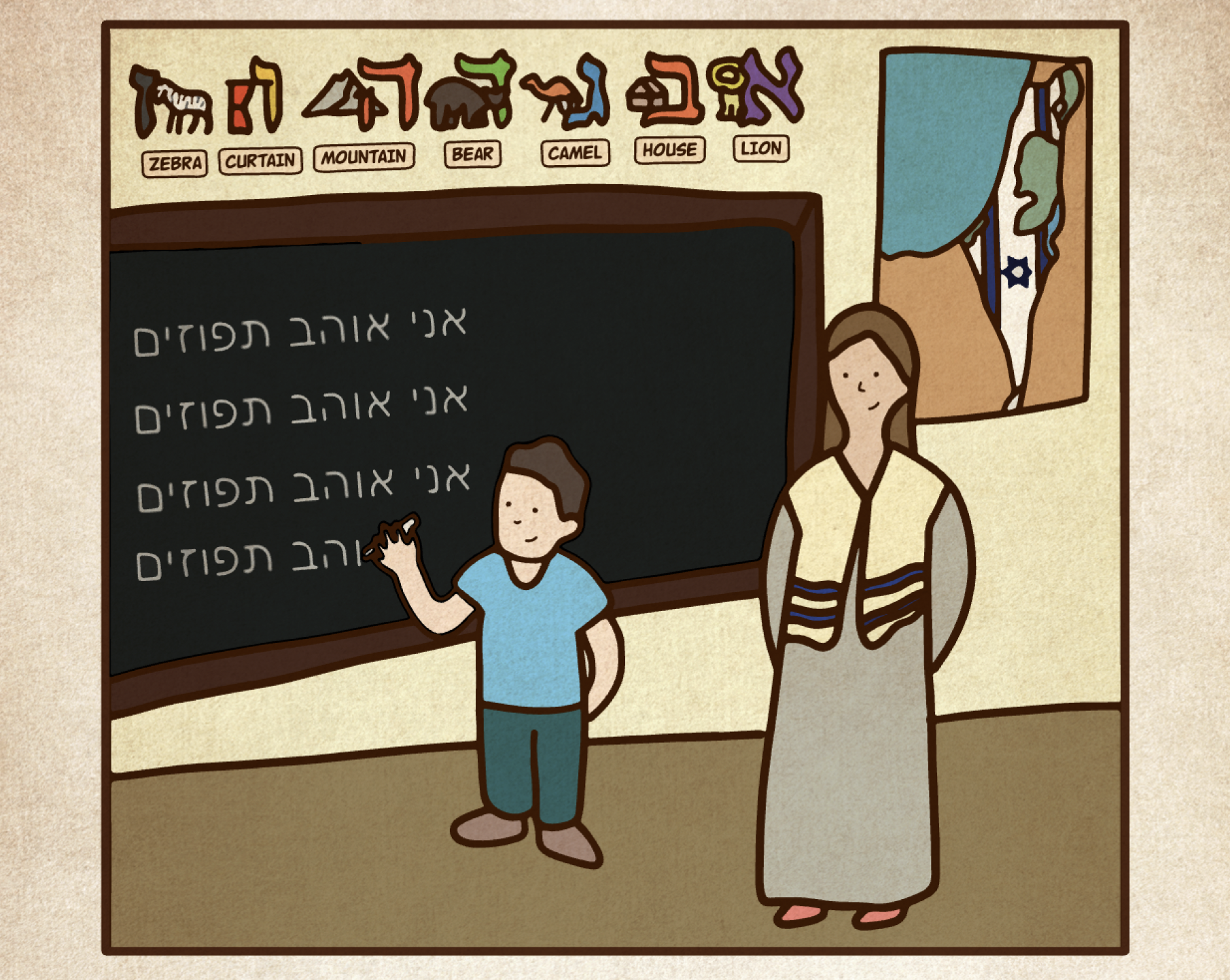
Levy said he wrote “The Boomer Archaeologist” for his children and his granddaughter, and also with the hope that it will be used to teach introductory archaeology classes and read by other people of his generation.
“I hope they find their story in my story,” he said.
“I also hope that young Jews will read my book, to see what it means for someone to have a love for Israel in 2025, and how this love developed,” he added.
The Boomer Archaeologist: A Graphic Memoir of Tribes, Identity and the Holy Land by Thomas Evan Levy
This article contains affiliate links. If you use these links to make a purchase, The Times of Israel may earn a commission at no additional cost to you.






The Times of Israel Community.