

PM’s office to fund Eurovision security after shortfall threatens show
Netanyahu’s office to put NIS 1.5 million in kitty after police shut down inspections at site less than two months before event, with organizer warning delays could doom contest
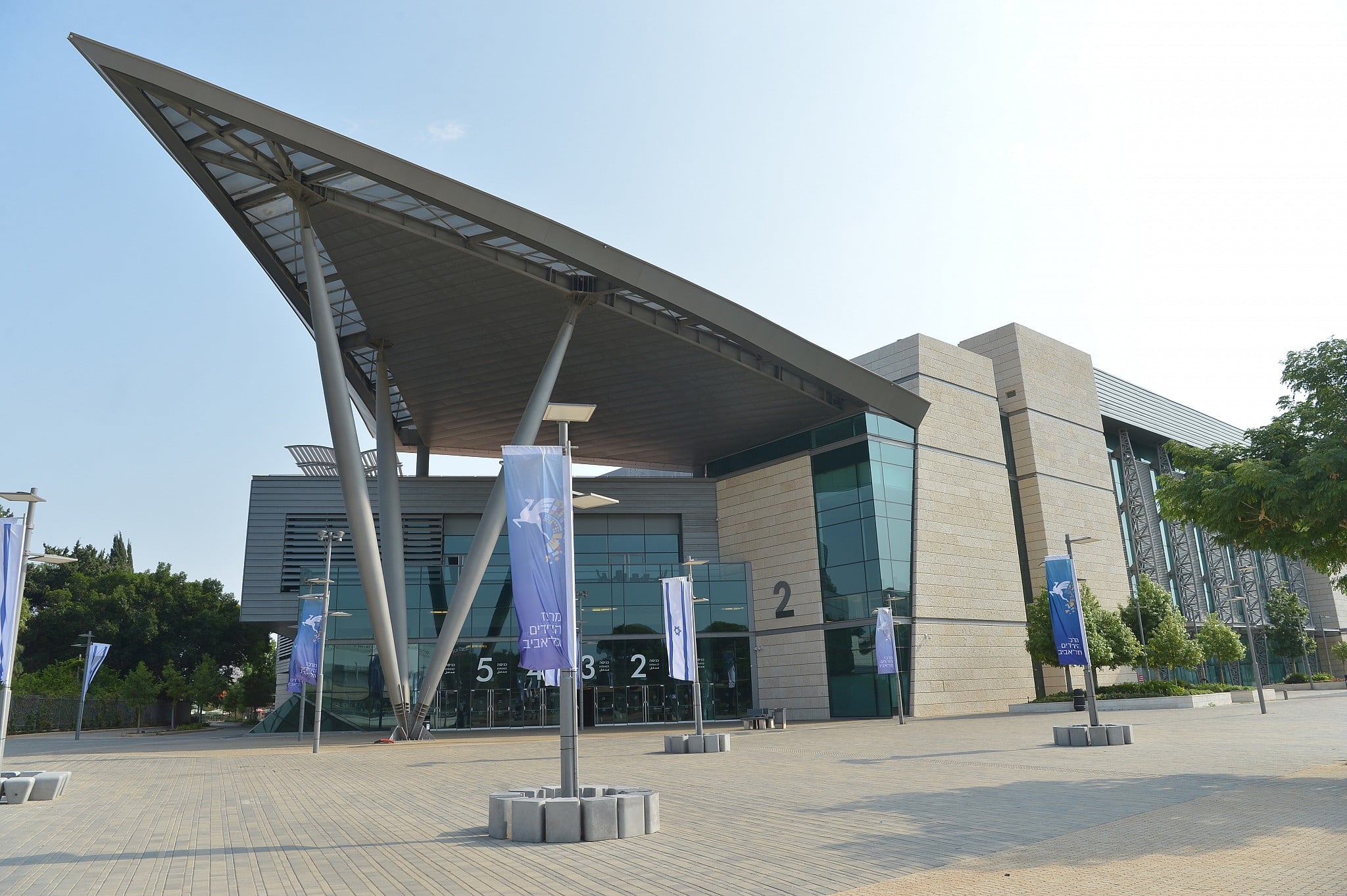
The office of Prime Minister Benjamin Netanyahu said it had agreed to fund security arrangements for the Eurovision song contest Monday night, hours after organizers said delays were casting doubts over the viability of the event.
The move by PMO director Yoav Horovitz will seemingly stave off a crisis that saw preparations for the massive show halted Monday, less than two months before the contest is set to take place in Tel Aviv.
At issue had been a shortfall of some NIS 1.5 million ($415,000) that the Tourism Ministry had balked at ponying up, according to Channel 12 News.
Construction work on the hall designed to host the song contest had been put on hold Monday after the Public Security Ministry said police were stopping security inspections of equipment.
In response to the decision, John Ola Sand, the Norwegian television executive responsible for coordinating the project, wrote a strongly worded letter to Netanyahu, warning that ongoing delays could doom the event entirely.
Israel is expected to host tens of thousands of tourists for the song contest, a massive multi-day event set to kick off in mid-May, with finals scheduled for May 14. It is expected to draw some 200 million viewers internationally and is seen as a rare chance for Israel to market a more friendly side of itself to the world.

The Israeli Kan public broadcaster, the local media partner putting on the show, praised the government for stepping in to provide funding, the Globes business daily reported.
“Kan … is continuing to work apace to produce Eurovision and keep up with the gaps in the timeline, so everyone can enjoy a respectable Israeli Eurovision,” the broadcaster said in a statement.
Last month, the European Broadcast Union urged Netanyahu to ensure that the government cover the costs of security arrangements for Eurovision, and accused him of going back on his word after previously agreeing to fund security for the event.
The funds that the government had agreed to provide for security did not reach police by Sunday, prompting Monday’s halt in security procedures, Hebrew-language media reported.
In a letter to Communications Minister Ayoub Kara, Kan CEO Eldad Koblenz, warned that the delay was hurting Israel’s public image and was costing the country some NIS 500,000 ($138,000) a day.

“At present, there are two foreign companies that have manpower and equipment at the site, and we have now delayed their work by 24 hours,” Koblenz said.
He added that the police delays were pushing back all the related projects that had been coordinated based on the original schedule.
Other financial costs include container waiting fees and labor. Personnel costs including hotel, catering and flight fees that had been coordinated in advance were also on the rise, he said.
The delay also caused the cancellation of a day of rehearsals and some contracts with photographers.
A video of the Eurovision site showed a cavernous, empty hall full of construction cranes, curtains and little else.
Israel won the Eurovision Song Contest for the first time in two decades last year, as Netta Barzilai snagged first place with the women’s empowerment anthem “Toy.”

The win gave Israel the right to put on the contest, but also set off months of tussling over funding and which city would play host.
Hosting the contest is expected to cost Israel up to NIS 190 million ($52 million), according to media reports, but will also bring in millions in tourist dollars and priceless media exposure.
A 2001 Hebrew University study of Israel’s 1999 hosting duties found holding the event in Israel had a slight economic benefit, and that it could also spark limited further economic development down the road.
“Successfully hosting a media-intensive event such as this generates a demonstration effect and opens the door for future events,” authors Aliza Fleischer and Daniel Felsenstein wrote.






The Times of Israel Community.