

Polish hole that hid 14 Jews during Holocaust to become memorial
Hideout in the southern village of Stankowa is a dank, stone-lined hole measuring 5 by 2.5 meters (16 by 8 foot)
 Add ToI as a Preferred Source on Google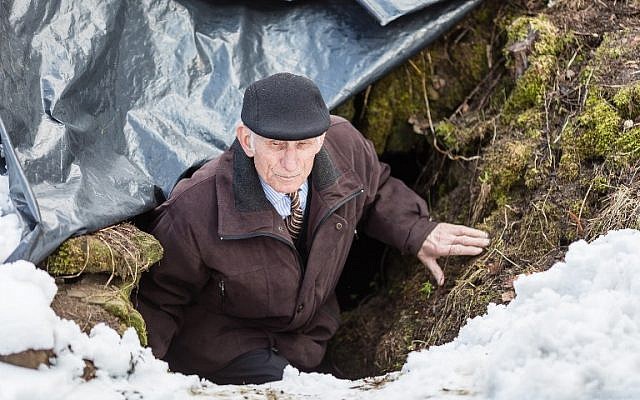
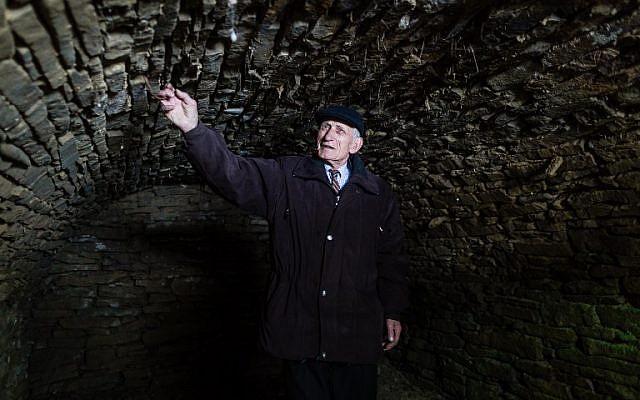
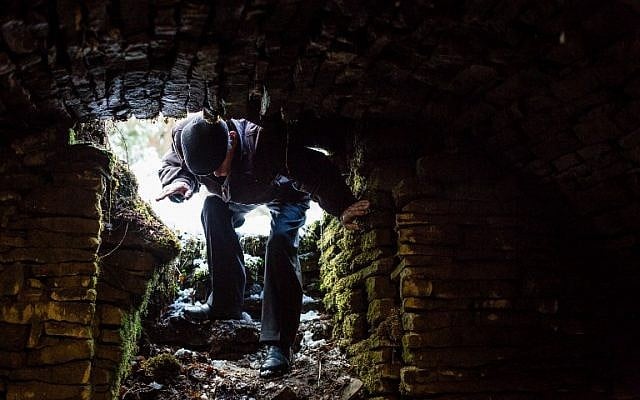
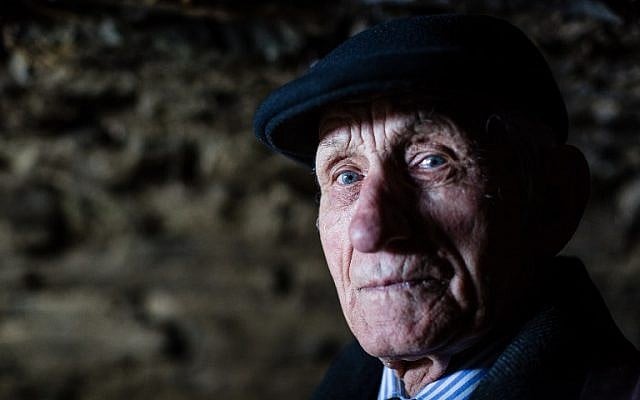
STANKOWA, Poland (AFP) — Fit as a fiddle at 85, Jozef Jarosz slips into a muddy underground hideout in Poland. Memories flash through his mind: this is where his family hid 14 Jews during World War II.
It was an extreme act of courage in the only Nazi-occupied country where harboring Jews was punishable by death.
More than 6,600 Poles have since been honored as “Righteous Among the Nations” by Israel’s Yad Vashem institute — outnumbering any other nationality — a title given to non-Jews who stood up to Nazi genocide.
Now the international foundation From The Depths wants to turn the hideout in the southern village of Stankowa — a dank, stone-lined hole measuring 5 by 2.5 meters (16 by 8 foot) — into a memorial center.
The nonprofit, which works to preserve the memory of the Holocaust, is seeking to buy the land and create a welcome center to inform visitors about how families like the Jaroszes saved Jews in secret.
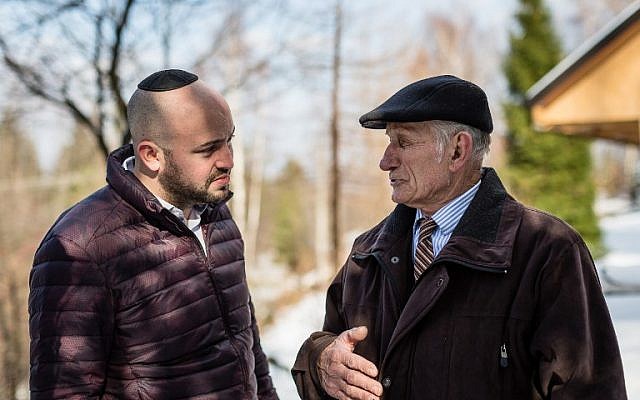
“It is unique. This hiding place has remained intact,” said the group’s head Jonny Daniels.
“More than that, we have here a savior and a survivor.”
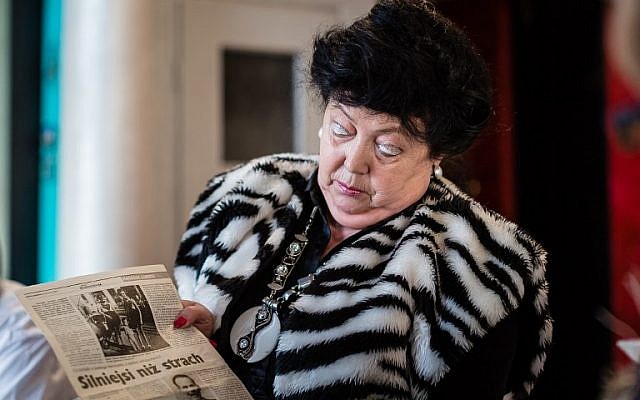
The survivor is Anna Grygiel-Huryn, a bubbly old lady who was four when her family emerged from two years inside the hideout on the wooded hillside of the Carpathian Mountains.
She has no memory of her stay in the hole, which the Jaroszes originally dug out as a place to store potatoes.
She does, however, remember tearing up a terrible photo taken of her soon after.
“I looked monstrous. I’d started squinting because I was always trying to catch the one ray of sunlight that passed through a slit in the cellar,” she told AFP.
“I had scrawny legs, a belly, a hunchback,” she said from her home in the southern town of Nowy Sacz.
The family was sometimes able to leave the hole in the dead of night, sneaking up to the shed covering their hideout, which was razed after the war.
Grygiel-Huryn was forbidden from crying lest someone overhear and blow their cover. But she did anyway, and the others hushed up her cries — or she did so herself with her hand over her mouth.
“We lived like moles,” she said with a sigh.
Life and death rubbed shoulders in the hole. A baby, Abraham Rygielhaupt, was conceived at the time and born soon after the liberation. He now lives in Israel.
But his father and another man never returned from a trip to see debtors, most likely killed by the people who owed them money.
The whole group had a brush with death when a local teenager named Piotr heard Grygiel-Huryn cry. He accused the Jaroszes of harboring Jews and said he would turn them in.
But the family went to speak with his mother, who “picked up a pitchfork and warned Piotr that if he did, she would kill him,” recalls Jozef Jarosz.
Piotr kept quiet.
A photo taken two years after the war’s end shows Grygiel-Huryn beaming. She would go on to marry and have a daughter who lives in Tel Aviv.
She has Jozef’s father Franciszek to thank for what she calls his “heroism.”
He had done business with the family, and decided to help them hide — first for a couple of days, then ultimately until Germany’s defeat.
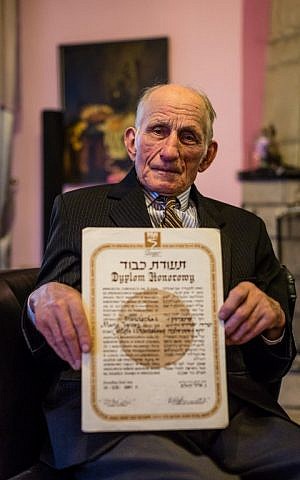
Jozef, his sister and their parents were all honored as “Righteous Among the Nations” in the 1990s.
At Stankowa, From The Depths plans to record 3D in-depth interviews with Grygiel-Huryn and Jarosz, so that visitors can learn from their holograms.
They have raised most of the 800,000 euros ($900,000) needed, aiming to complete the project by next year.







The Times of Israel Community.