Rabbi at synagogue at center of NY outbreak diagnosed with coronavirus
Rabbi Reuven Fink, who also teaches at Yeshiva University, has been in quarantine after he was in contact with congregant who tested positive, institution says in tweet
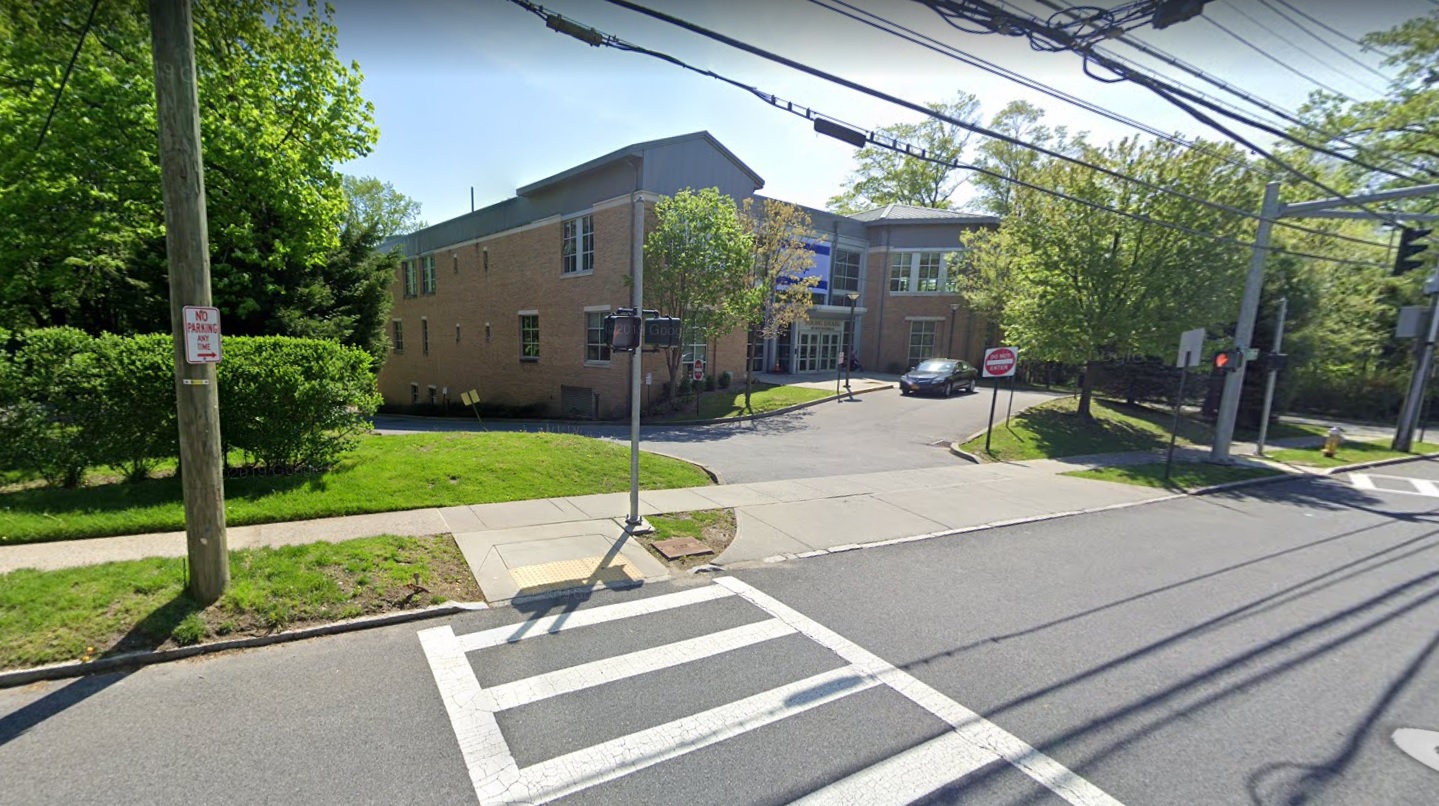
New Rochelle Young Israel Synagogue in Westchester County, New York (Google Maps)
The rabbi of the New Rochelle Young Israel Synagogue in Westchester County, New York, who also teaches two undergraduate classes at Yeshiva University’s Washington Heights campus, has tested positive for the coronavirus.
Rabbi Reuven Fink has been in self-quarantine after being in contact with a congregant who had previously tested positive, Yeshiva University wrote in a tweet Friday.
“We have reached out to his students and recommended as a precautionary measure to self-quarantine until further notice,” read the tweet.
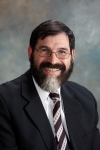
Rabbi Reuven Fink (Courtesy)
Yeshiva University last week said it would cancel all in-person classes and scheduled events at both the Wilf Campus and Midtown location at least until March 10 after a student and his family were confirmed to carry COVID-19.
The student’s father was in intensive care due to the disease, according to local news reports, becoming the first to be hospitalized in the state. Hundreds of members of the stricken family’s synagogue, Young Israel of New Rochelle, were ordered into quarantine after his diagnosis, according to the local CBS affiliate.
Get The Times of Israel's Daily Editionby email and never miss our top stories
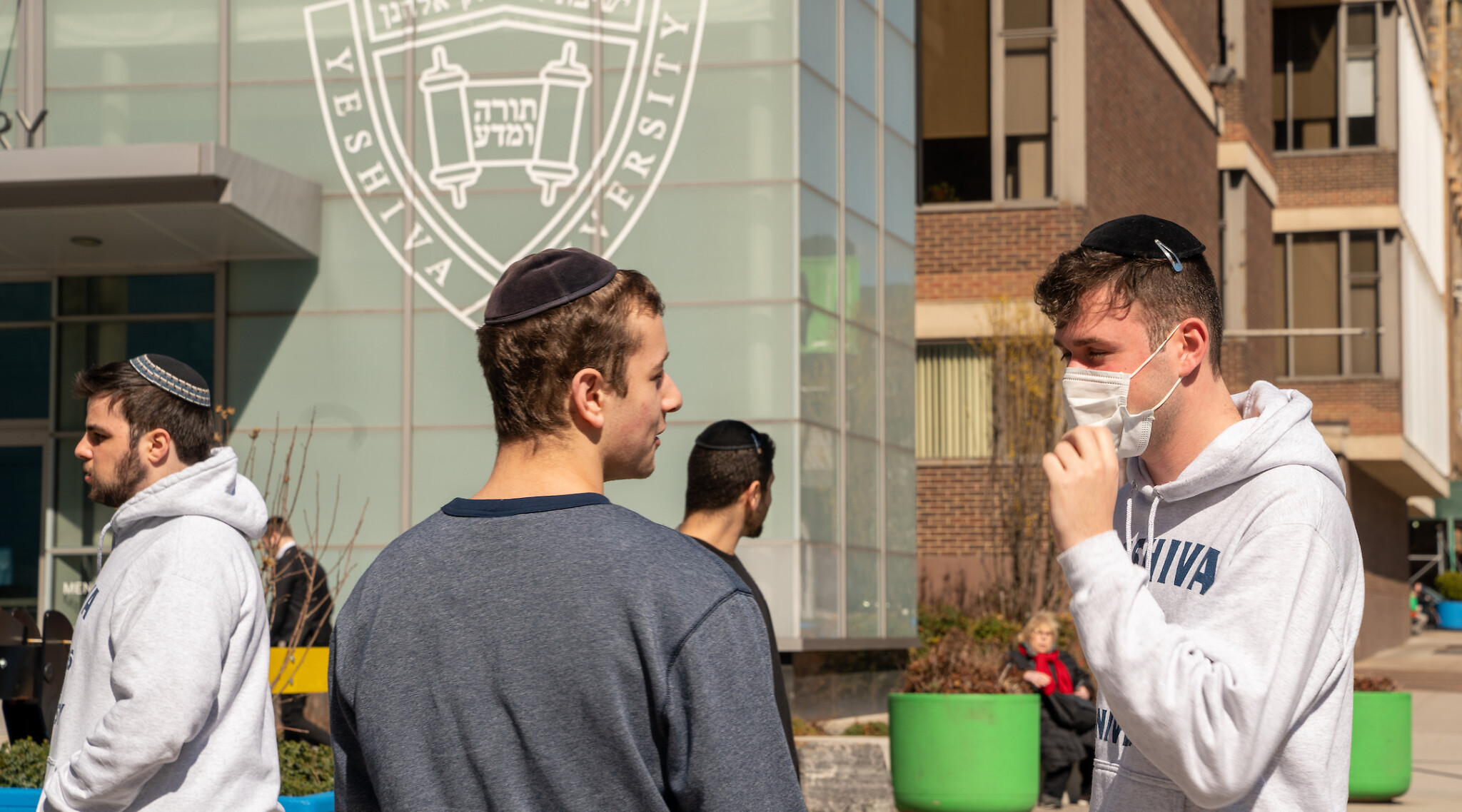
A Yeshiva student wears a face mask on the grounds of the university on March 4, 2020 in New York City. (David Dee Delgado/Getty Images via JTA)
A hotel in a Baltimore suburb on Thursday canceled the reservation of the Yeshiva University men’s basketball team over fears of novel coronavirus, the coach of the Maccabees told The Associated Press.
Help us report truthfully on social media
As a multimedia journalist, my job is to take the quality, fact-based journalism produced by The Times of Israel newsroom and make it accessible across every platform — from Instagram posts to podcasts to short-form videos.
This is how many, especially young people, consume news these days. But misinformation is rampant on social media. Our team at ToI produces accurate, responsible short-form reporting on Israel and the Jewish world.
If you believe in the importance of factual social media journalism, please consider joining our reader support group, The Times of Israel Community. Your financial support is essential to sustain responsible multimedia reporting.
We’re really pleased that you’ve read X Times of Israel articles in the past month.
That’s why we started the Times of Israel - to provide discerning readers like you with must-read coverage of Israel and the Jewish world.
So now we have a request. Unlike other news outlets, we haven’t put up a paywall. But as the journalism we do is costly, we invite readers for whom The Times of Israel has become important to help support our work by joining The Times of Israel Community.
For as little as $6 a month you can help support our quality journalism while enjoying The Times of Israel AD-FREE, as well as accessing exclusive content available only to Times of Israel Community members.
Thank you, David Horovitz, Founding Editor of The Times of Israel


 Add ToI as a Preferred Source on Google