

Rabin’s granddaughter brings family dynamic to TV
Israeli show portrays the life of a prime minister and his wife
 Add ToI as a Preferred Source on Google
Jessica Steinberg, The Times of Israel's culture and lifestyles editor, covers the Sabra scene from south to north and back to the center
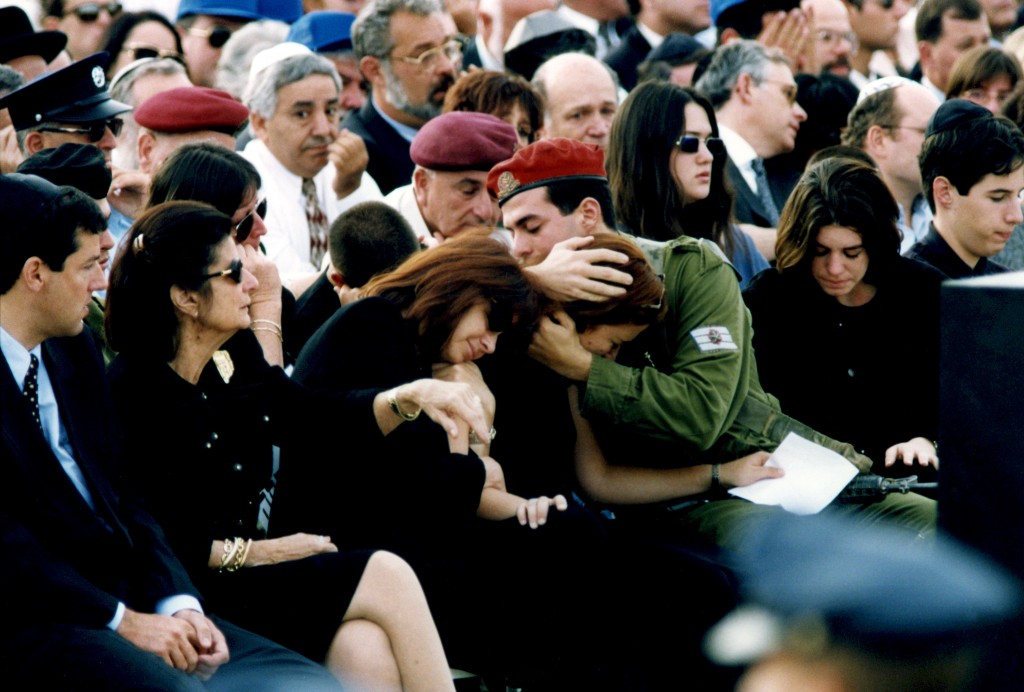
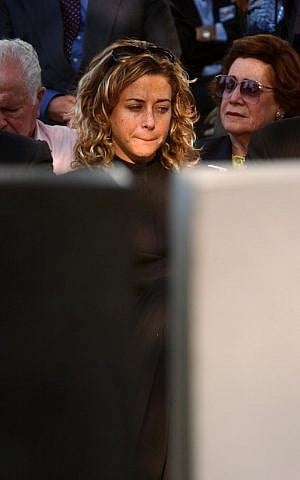
Noa Rothman, nee Ben Artzi-Pelossoff, granddaughter of the late Yitzhak Rabin, came to fame early. She was just 18 when she delivered a tearful eulogy at her grandfather’s funeral, following his assassination at a November 1995 peace rally.
Now Rothman, an attorney, is drawing on her family experiences as the co-writer of “The Prime Minister’s Children,” currently filming its second season on Israeli cable channel HOT.
The series deals with a fictional Israeli prime minister and the lives of his wife, two children and staff.
In a recent interview with The New York Times, Rothman commented that the show is not specifically about the Rabin family or her life, but “it does have a lot to do with the mileage that I have from different things that happened to me.”
Rothman, who was close to her both her grandparents, first appeared on the national stage with a eulogy to her grandfather — the country’s leader, but a personal model for her as well.
“You will forgive me, for I do not want to talk about peace,” she said then. “I want to talk about my grandfather. One always wakes up from a nightmare. But since yesterday, I have only awakened to a nightmare — the nightmare of life without you, and this I cannot bear.”
She went on to serve in the IDF, working in the army newspaper unit, and wrote a book during that time, “In the Name of Sorrow and Hope.”
As she told The New York Times, “you write yourself best.”





The Times of Israel Community.