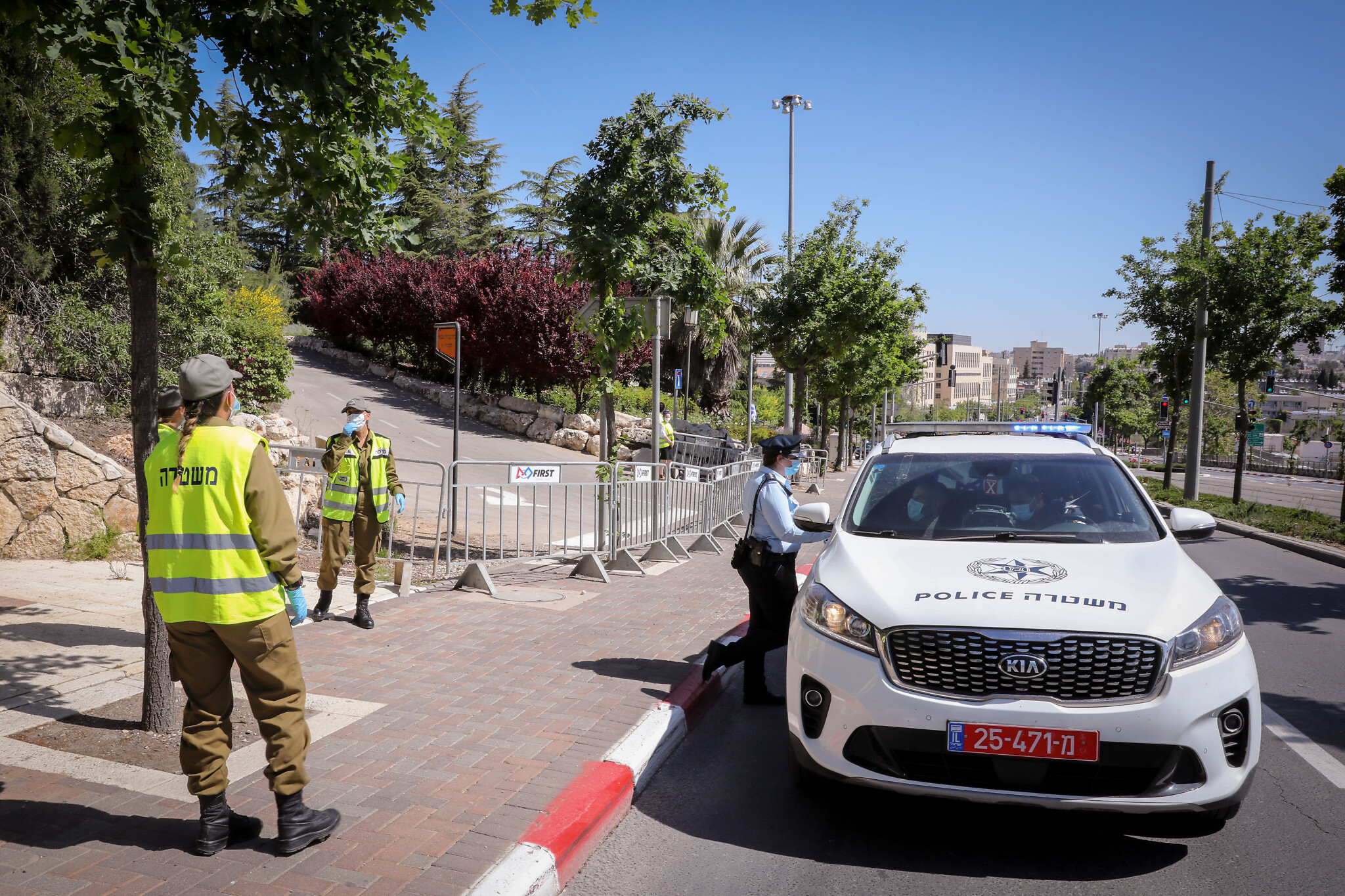
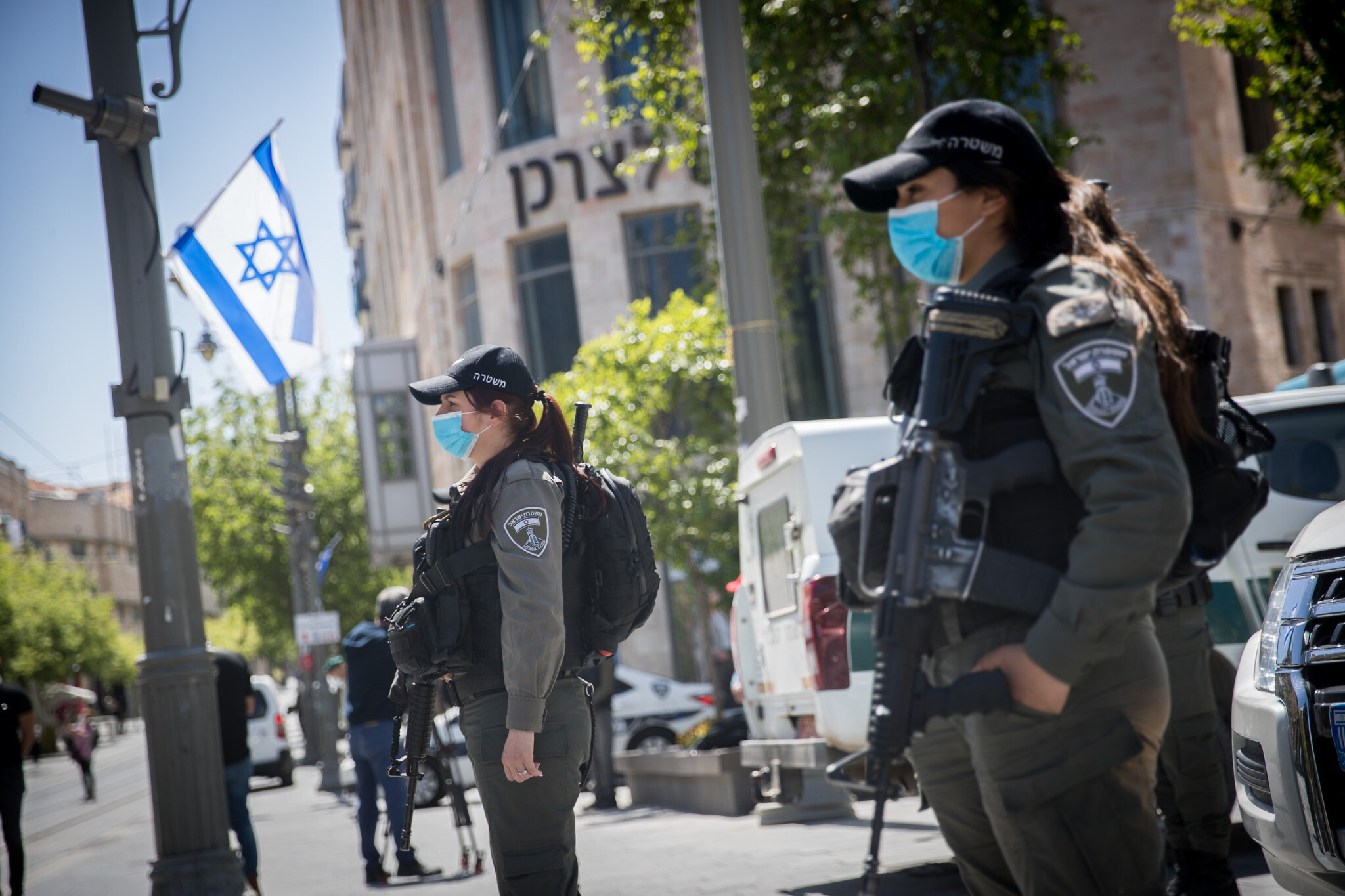
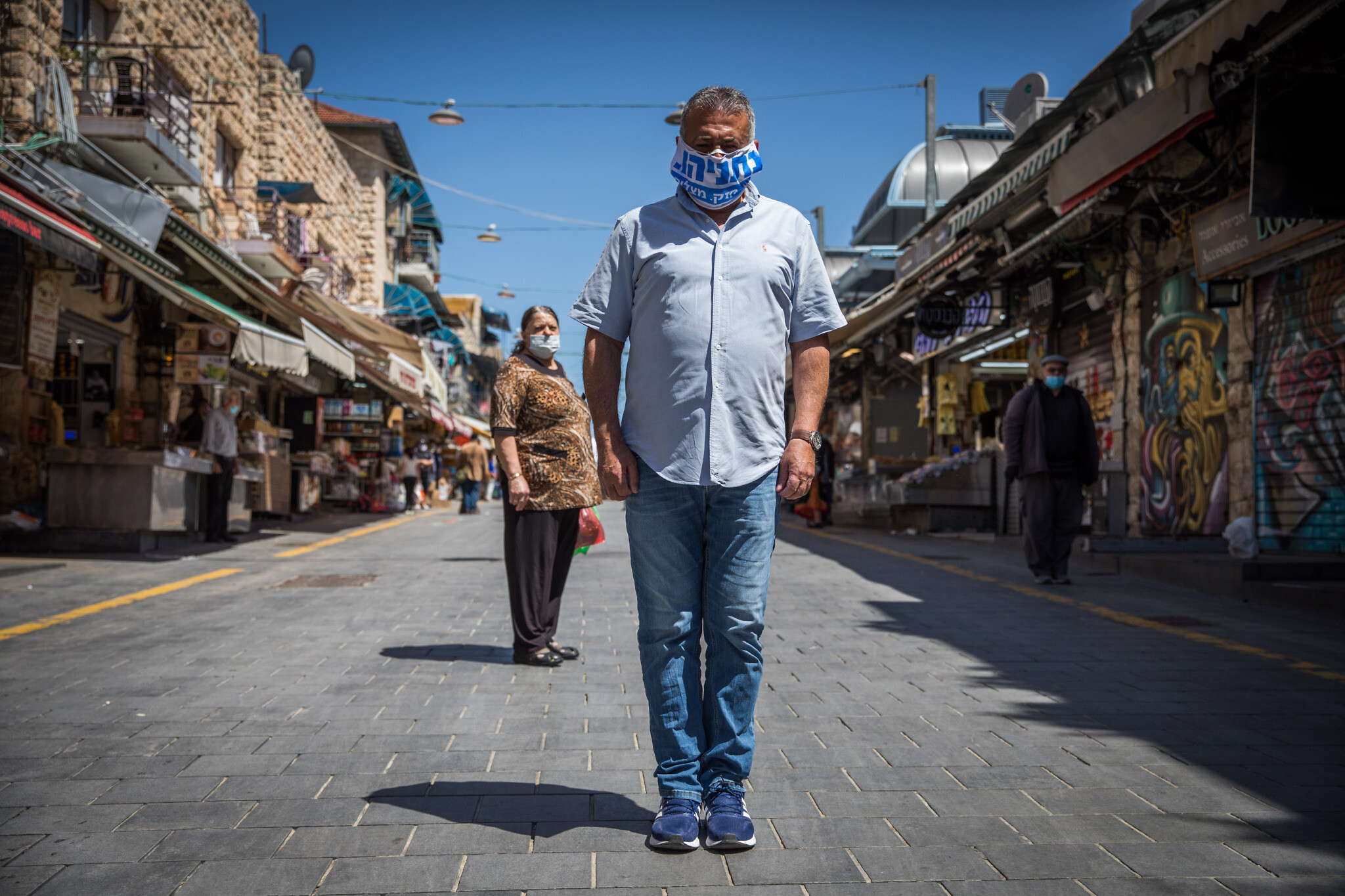
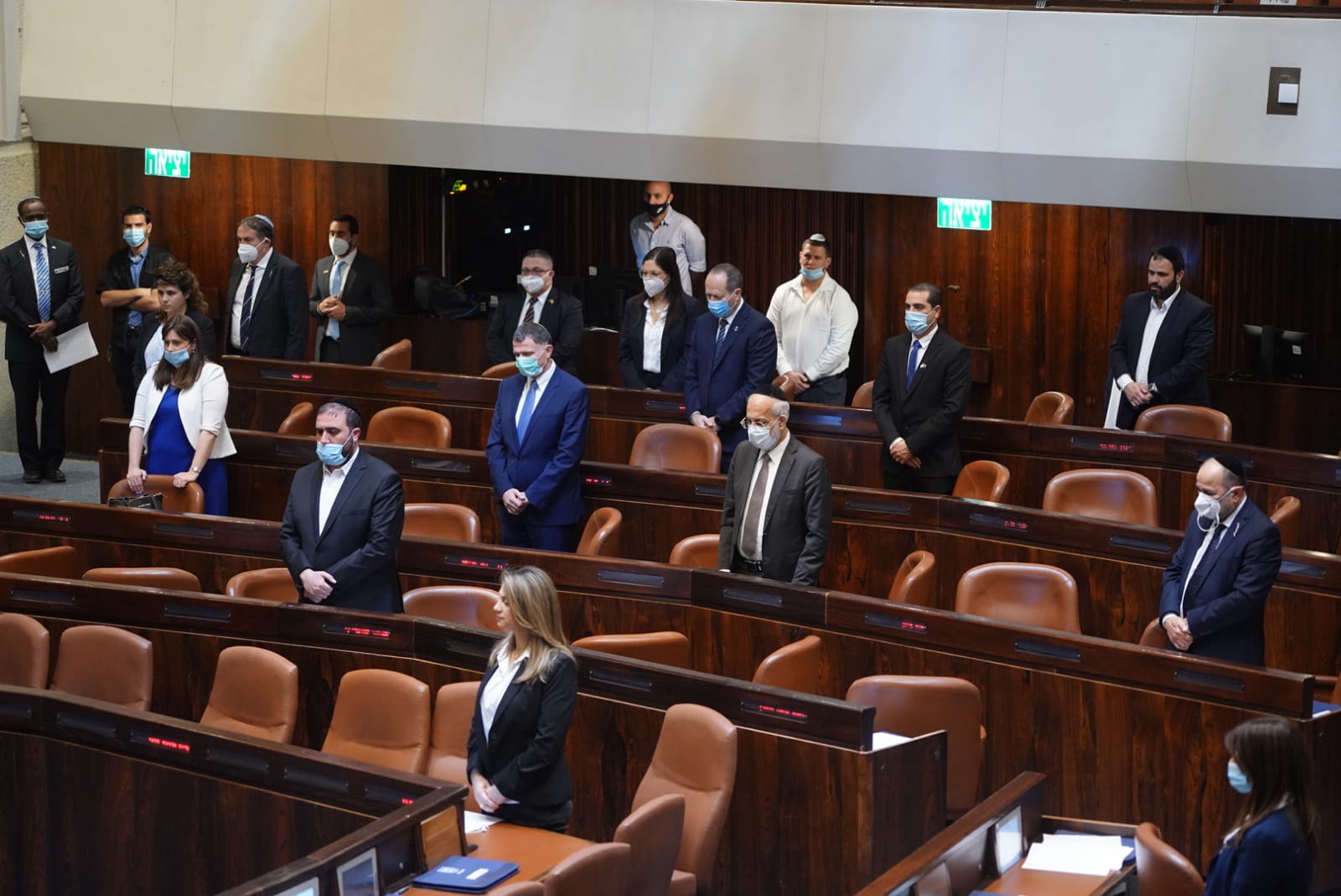
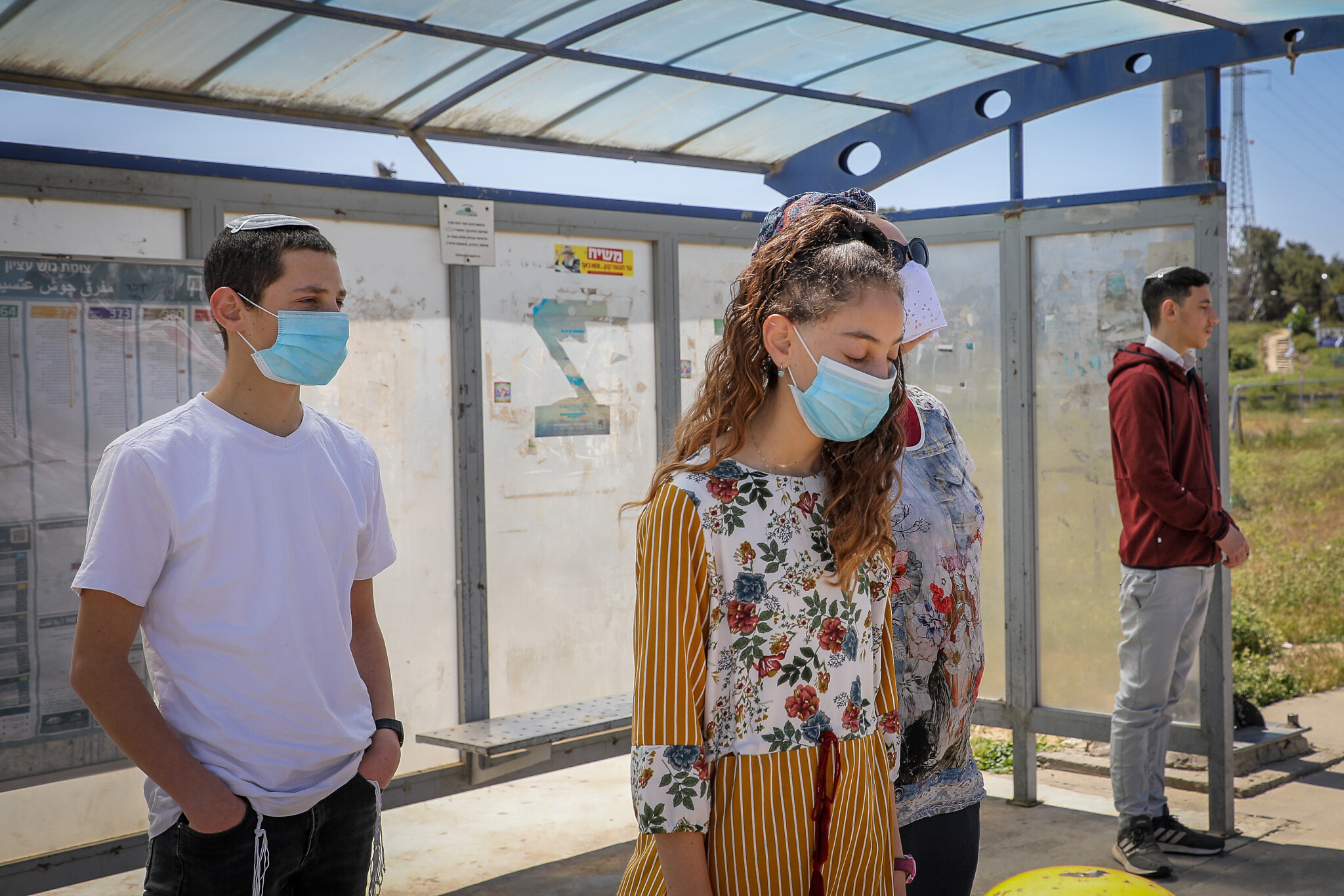
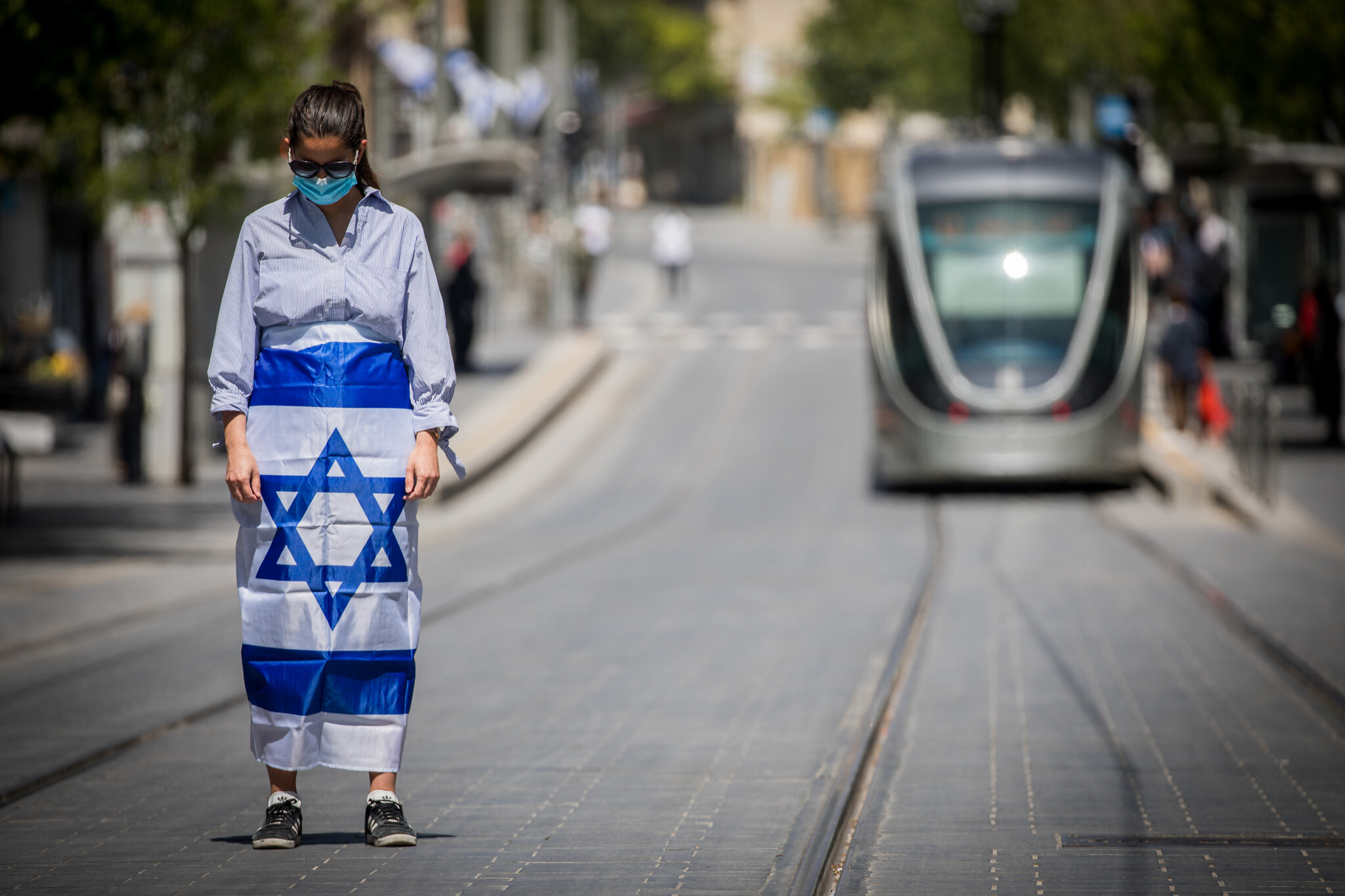
People stand for a two-minute silence in Jerusalem on Memorial Day, Yom Hazikaron, April 28, 2020. (Yonatan Sindel/Flash90)
Photo essay
Remembering the fallen: Israelis mark a Memorial Day like no other
Amid fears of a renewed coronavirus outbreak, families, friends and comrades of fallen soldiers and terror victims have been forced to adjust their mourning traditions this year
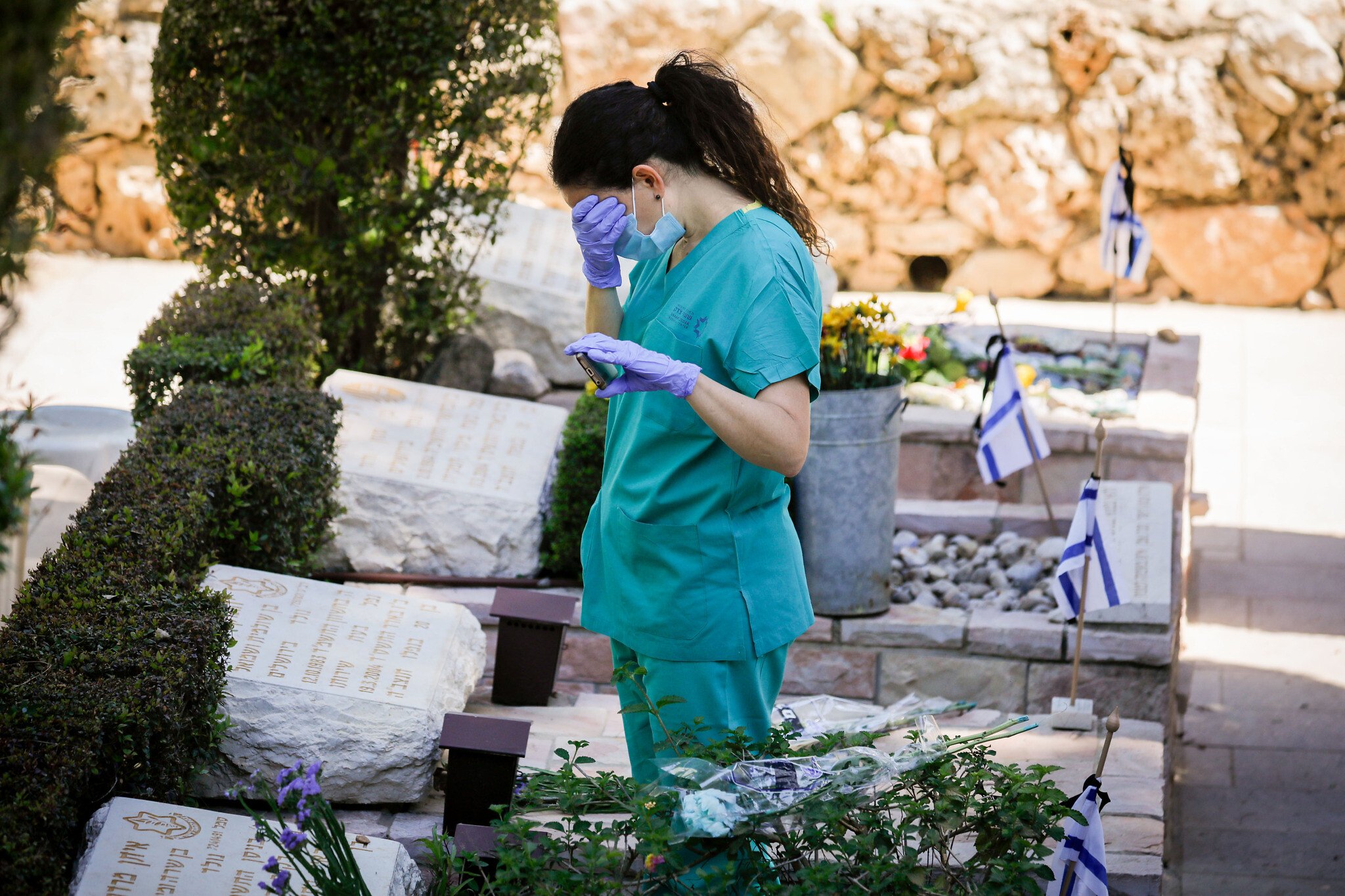
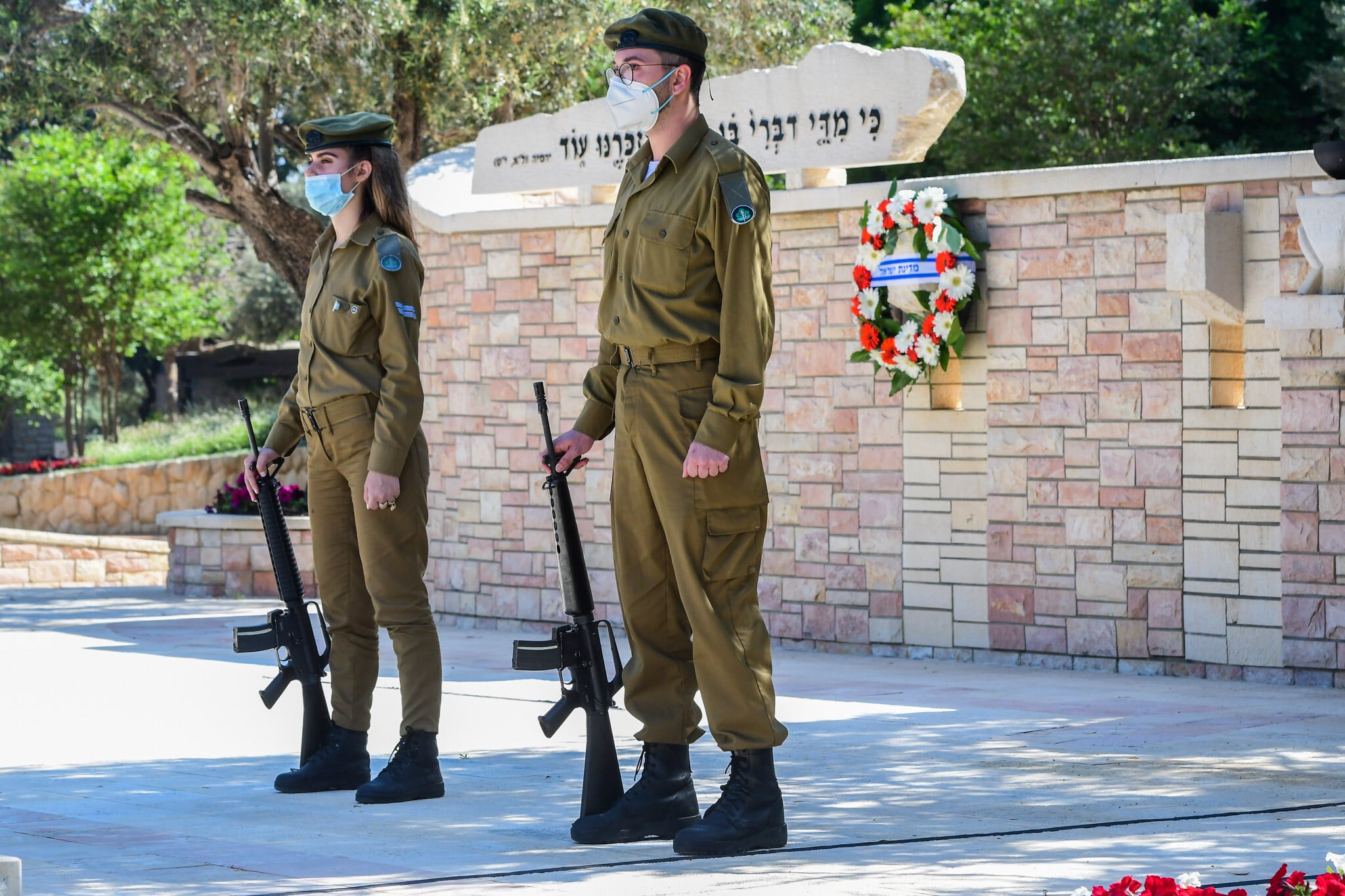
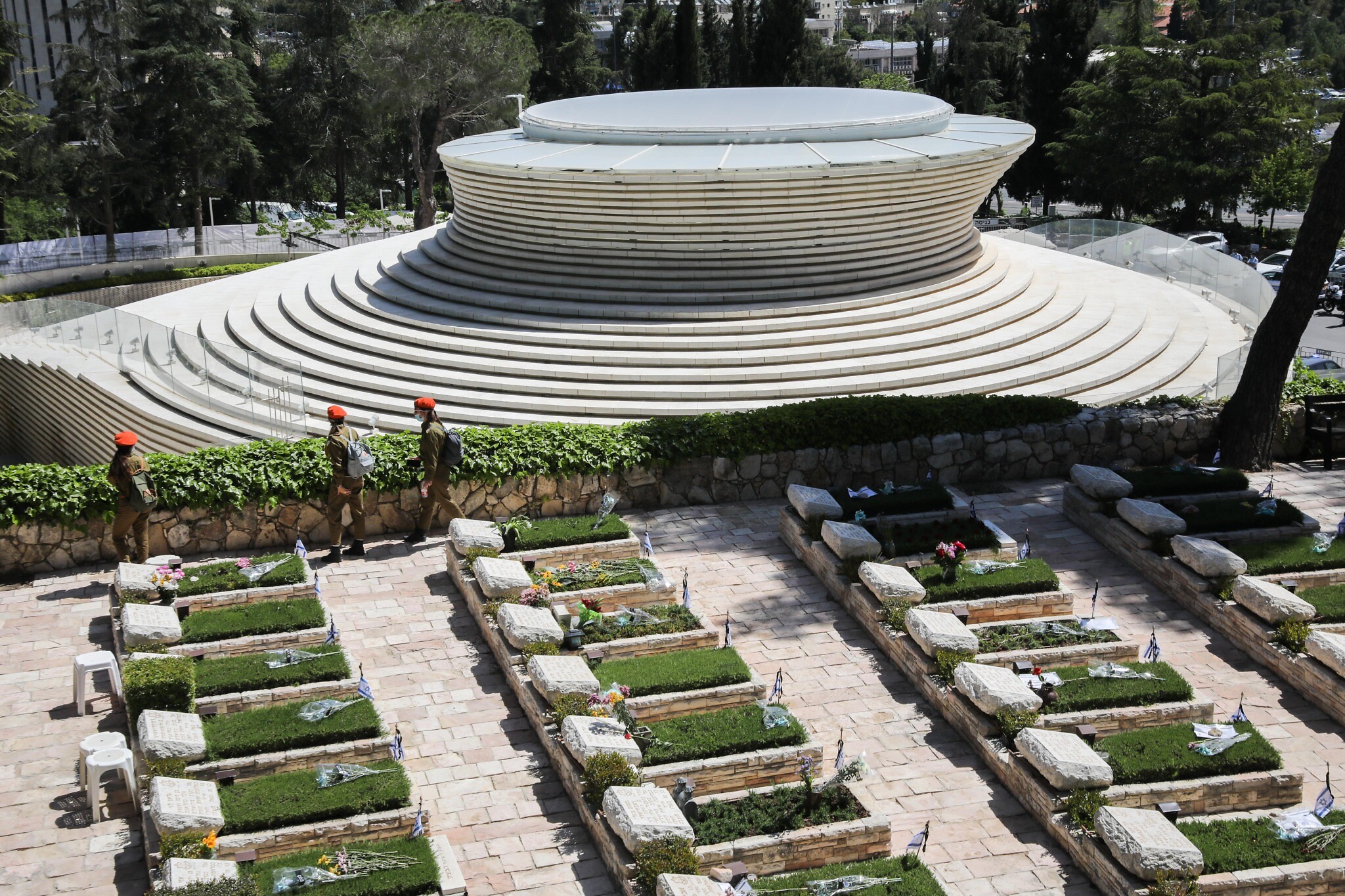
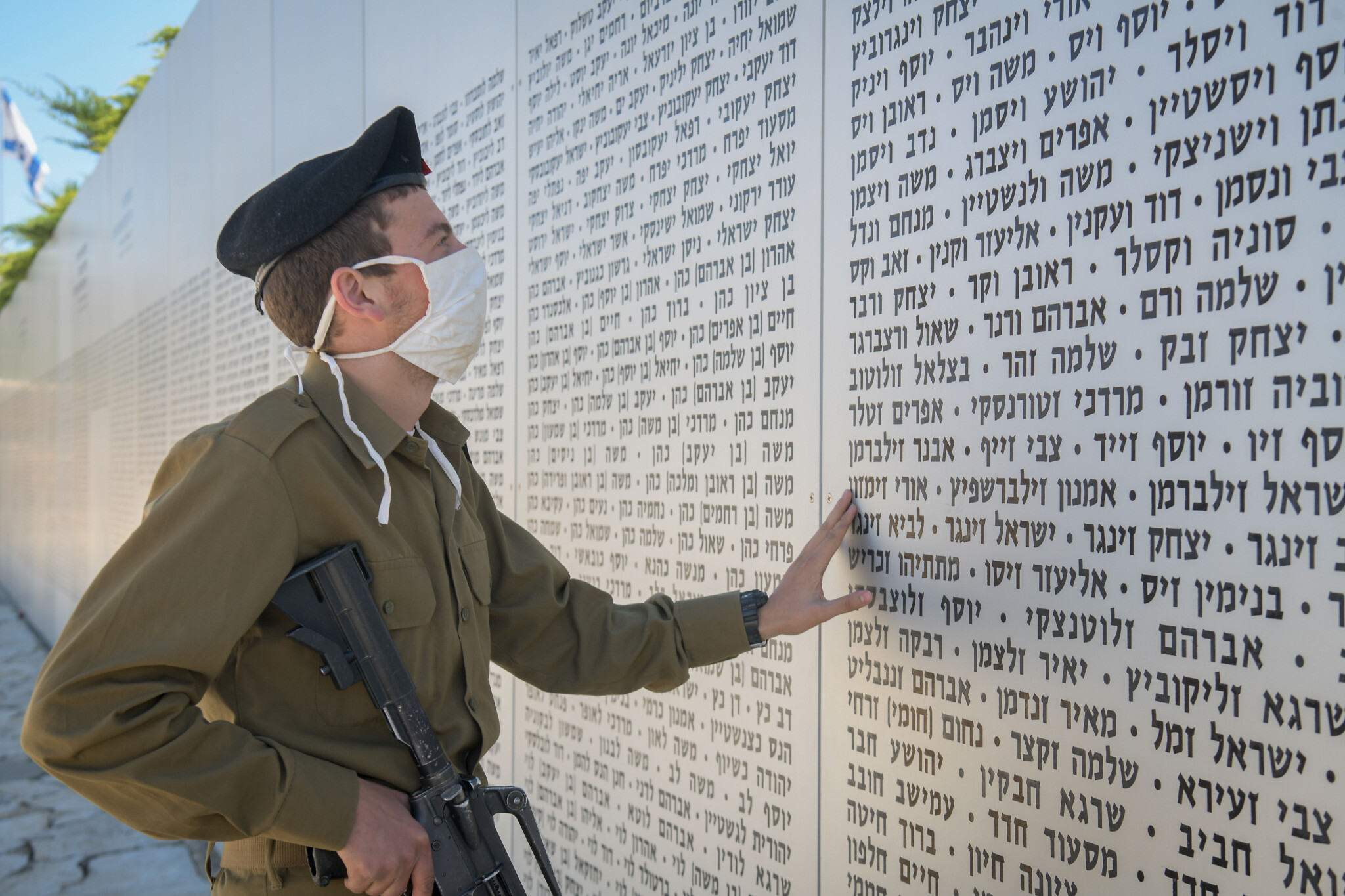
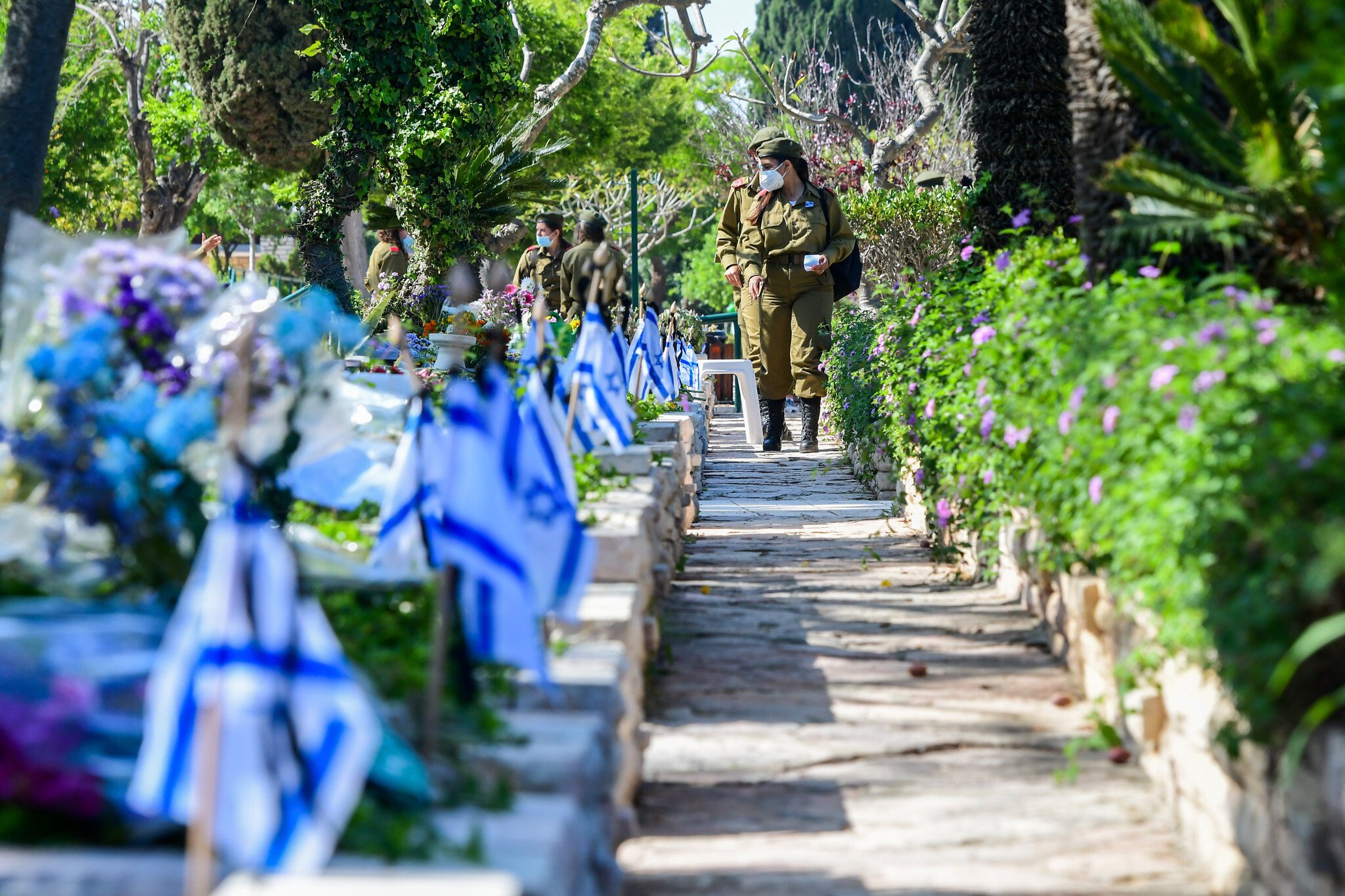
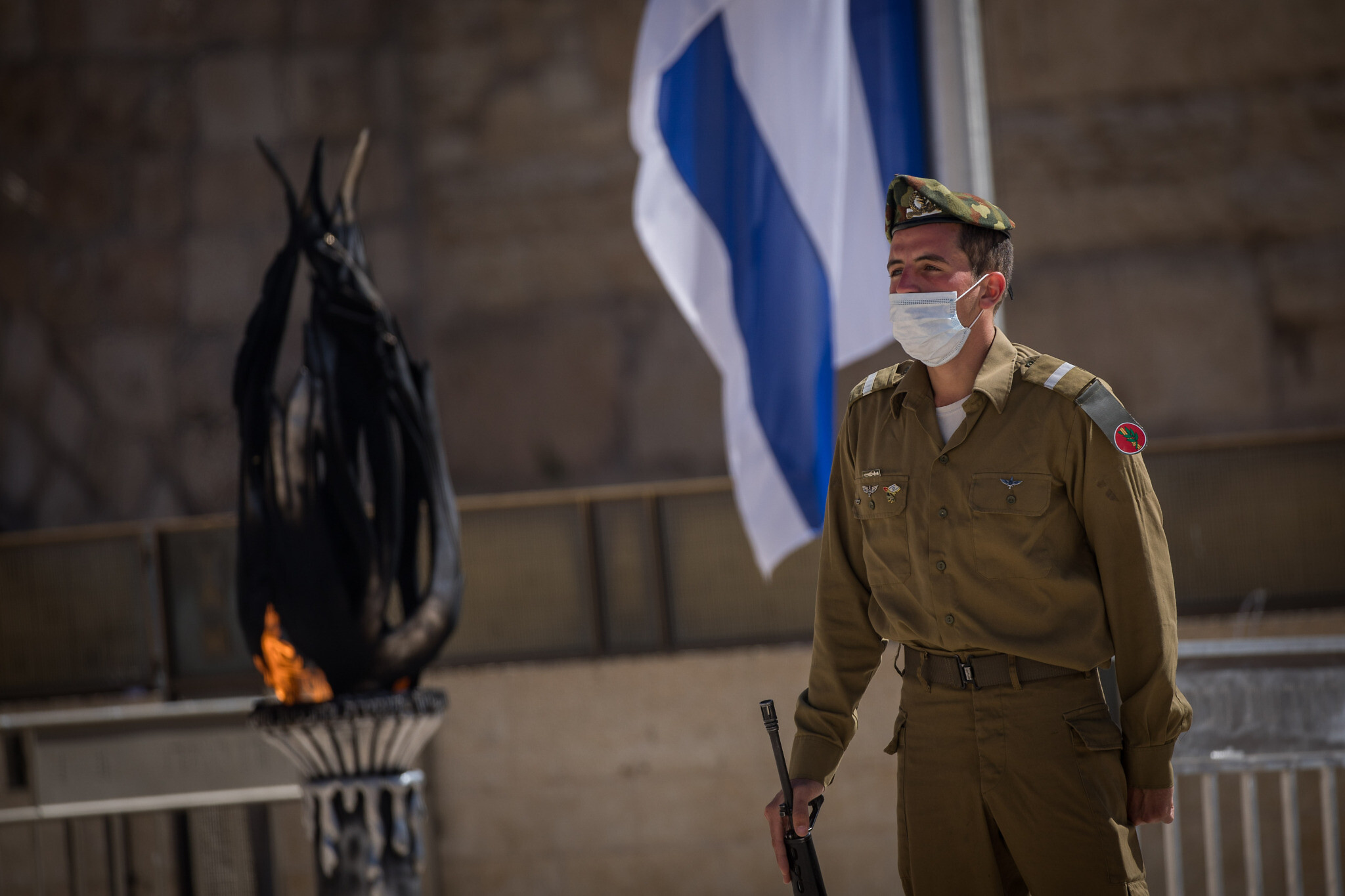
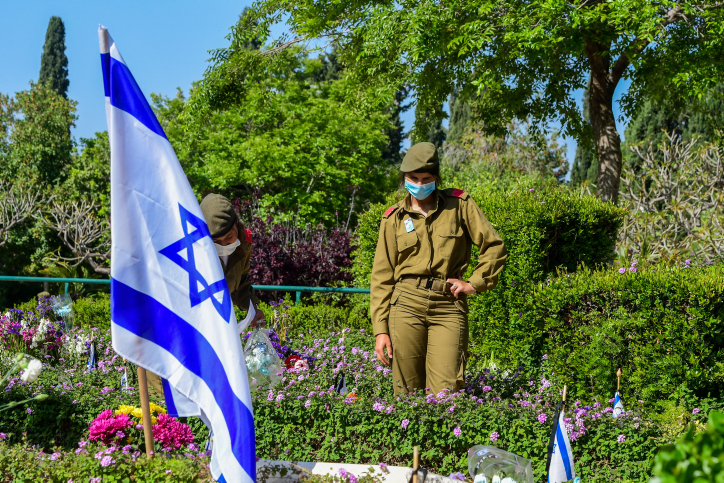
The cemeteries, normally filled with mourning families and friends, were all but empty Tuesday morning as sirens rang out across the country, a few soldiers acting as honor guard standing at attention with masks on their faces as Israel marked a Memorial Day from within the clutches of the coronavirus pandemic.
For the first time since Israel’s founding 72 years ago, military cemeteries were blocked off, and most people were being asked to mourn or pay their respects in private, transforming the country into an extraordinary mosaic showing the infiltration of COVID-19 into a nation’s most sacred spaces.
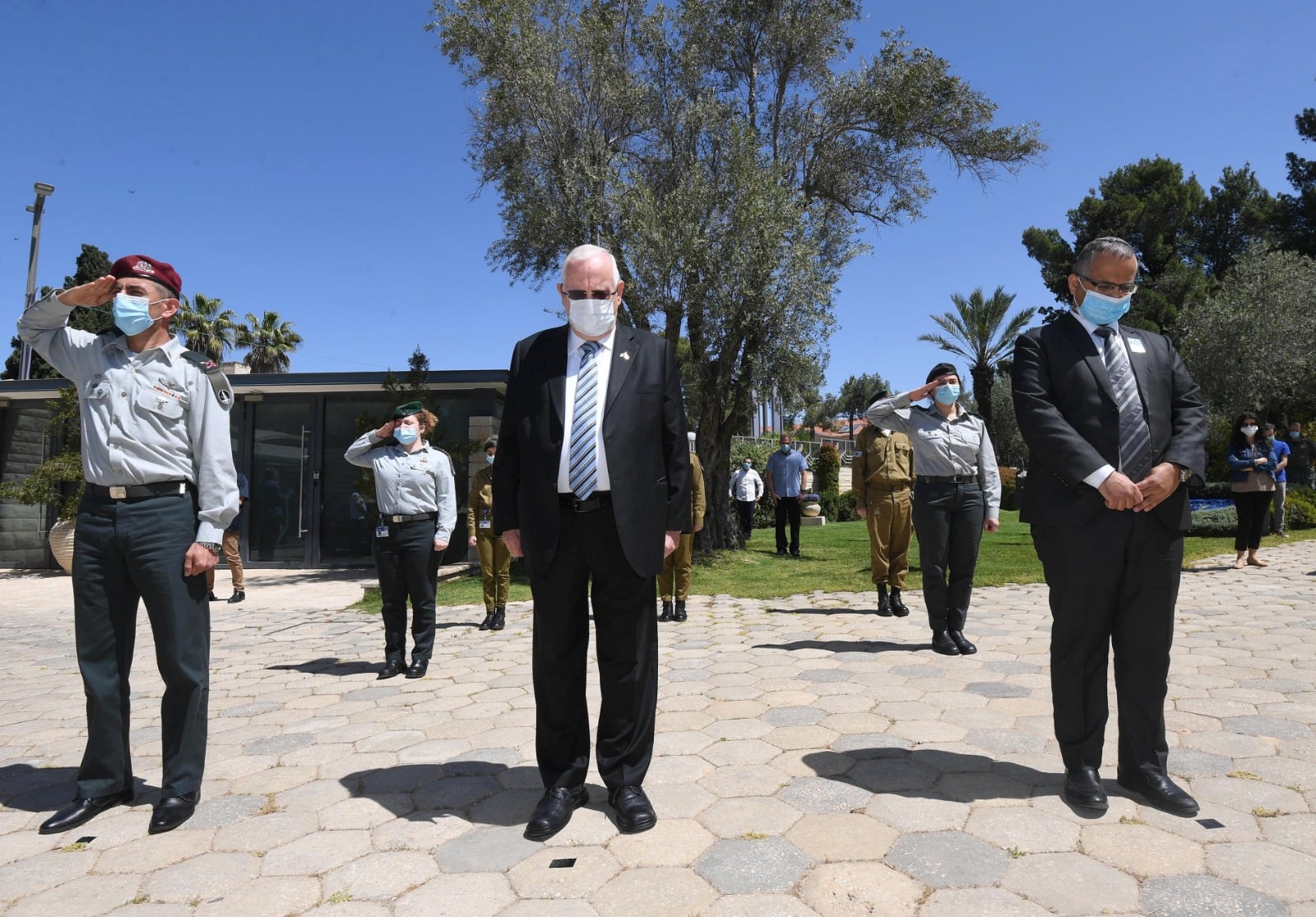
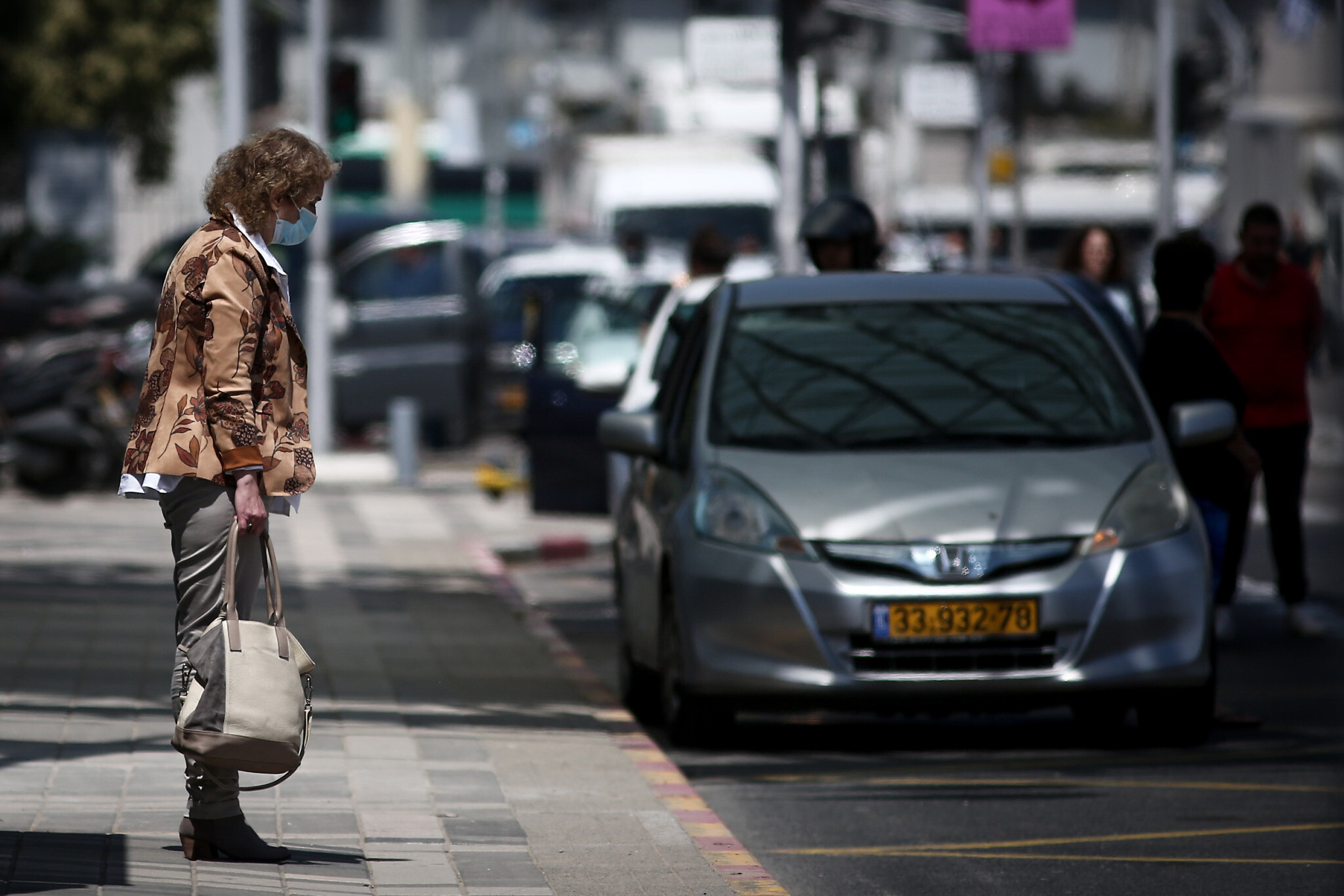
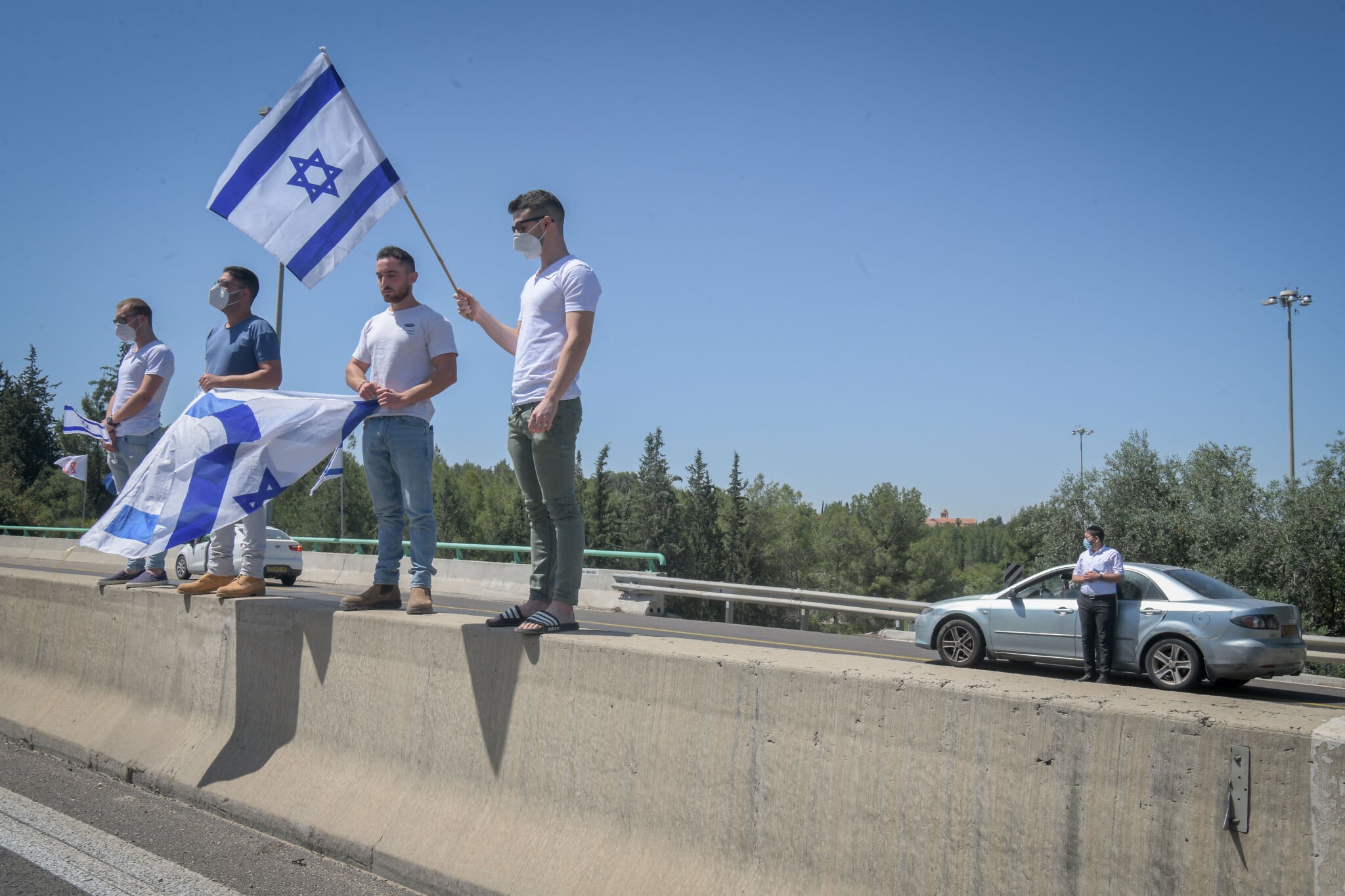
At 11 a.m. Tuesday, Israelis around the country stood for two minutes of silence for the country’s fallen soldiers and victims of terror, bowing their heads in respect.
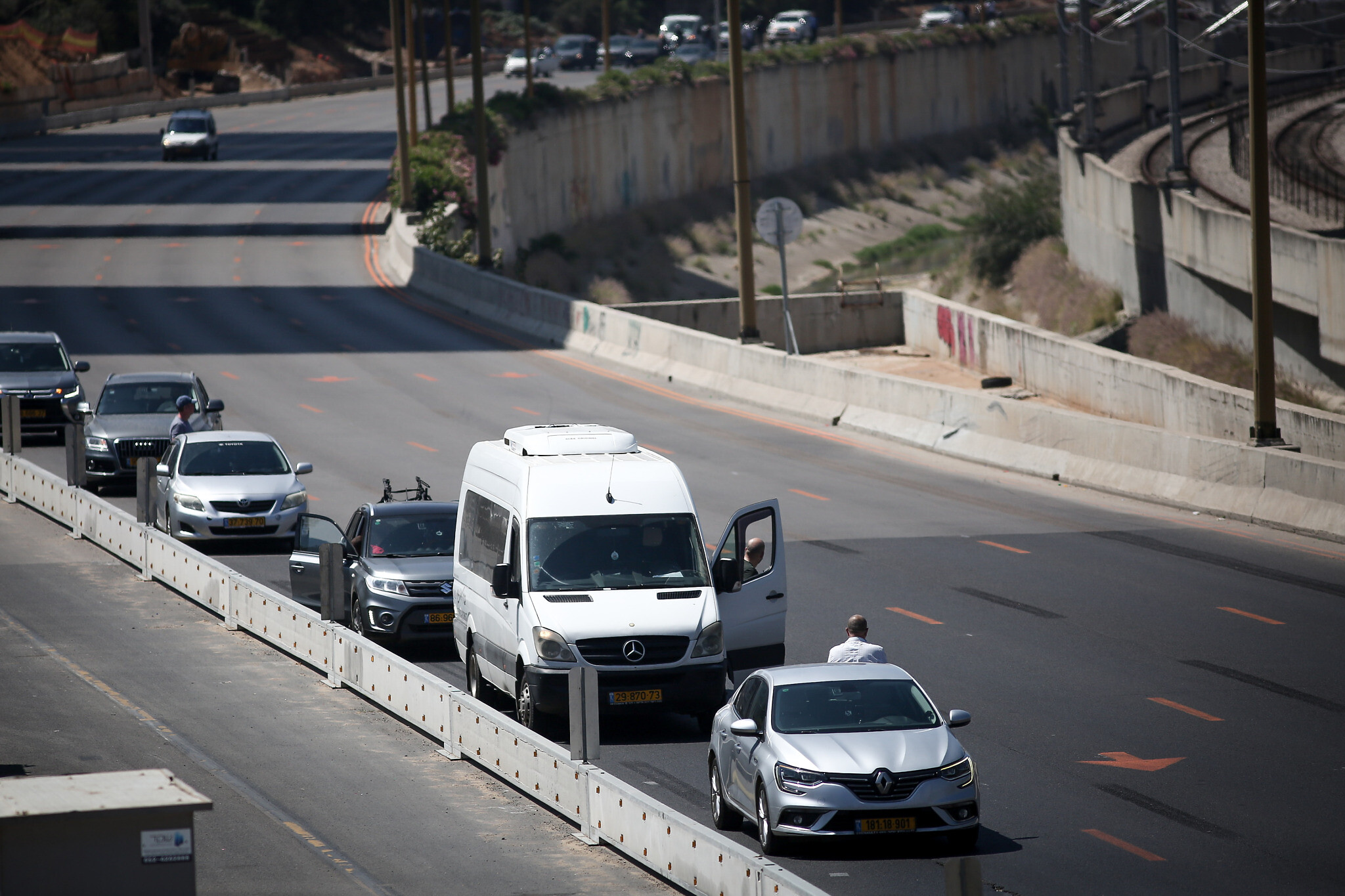
Memorial Day — Yom Hazikaron, in Hebrew — began Monday night with an air raid siren at 8 p.m. marking out a minute of silence. The sirens halted whatever cars remained on the roads and brought many Israelis to their balconies and yards to privately mark a day of mourning usually punctuated by public ceremonies and remembrances.
The number of Israeli casualties of war, which includes soldiers, police, Shin Bet and Mossad officers killed during their service, stands at 23,816, according to figures released by the Defense Ministry on Friday. Another 4,166 terror victims are also being remembered. Both numbers date back to 1860, before the state was founded.
Since last year’s Memorial Day, 75 new names of soldiers and members of other security forces were added to the numbers of dead. Forty-two were IDF soldiers and police officers, and 33 were disabled veterans who died due to complications from injuries sustained during their service.
With over 23,000 casualties of war or battles and over 4,000 terror victims, few in Israel have been untouched by violence. Cemeteries are normally packed with families and friends paying respects to their loved ones, along with somber ceremonies by various branches of government, the military and private groups memorializing the fallen.
This year, however, with the government imposing restrictions amid fears of a renewed outbreak of the novel coronavirus, families, friends and comrades of fallen soldiers and terror victims were being forced to radically adjust their mourning traditions.
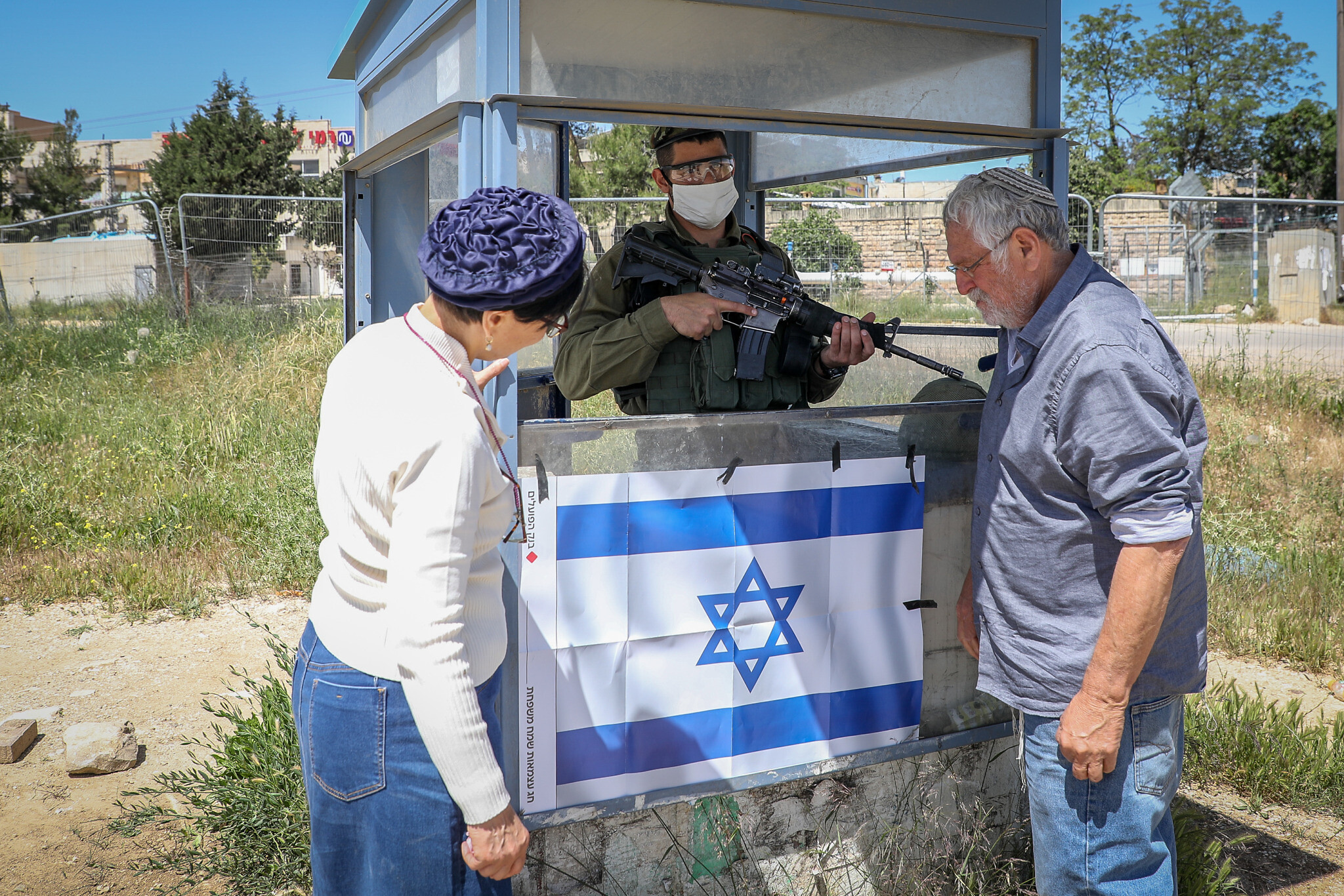
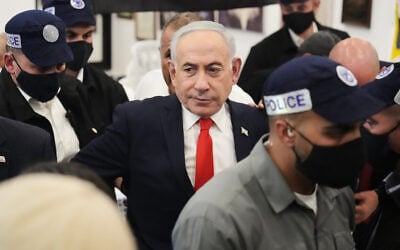
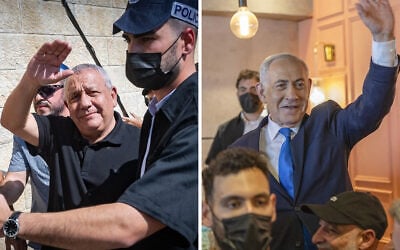
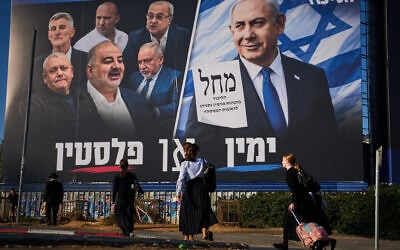
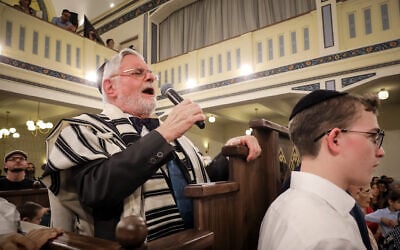
Israeli soldiers and police block the entrance to Mount Herzl Military Cemetery as Israel marks Memorial Day, Yom Hazikaron, April 28, 2020. (Olivier Fitoussi/Flash90)Border police stand for a two-minute silence in Jerusalem on Memorial Day, Yom Hazikaron, April 28, 2020. (Yonatan Sindel/Flash90)People stand for a two-minute silence in Jerusalem’s Machane Yehuda market on Memorial Day, Yom Hazikaron, April 28, 2020 (Nati Shohat/Flash90)Knesset members stand for a two-minute silence on Memorial Day, Yom Hazikaron, April 28, 2020. (Yaniv Nadav/Knesset)A nurse stands at a grave at the Mount Herzl Military Cemetery as Israel marks Memorial Day, Yom Hazikaron, April 28, 2020. (Olivier Fitoussi/Flash90)Soldiers at the Kiryat Shaul Military Cemetery on Memorial Day, Yom Hazikaron, April 28, 2020. (Avshalom Sassoni/Flash90)President Reuven Rivlin standing during the siren to mark Memorial Day, at the President’s Residence in Jerusalem, April 28, 2020 (Mark Neyman/GPO)Soldiers at Jerusalem’s Mount Herzl Military Cemetery on Memorial Day, Yom Hazikaron, April 28, 2020. (Avshalom Sassoni/Flash90) (Olivier Fitoussi/Flash90)Soldiers at the Latrun military memorial site on Memorial Day, Yom Hazikaron, April 28, 2020. (Flash90)People stand for a two-minute silence in Tel Aviv on Memorial Day, Yom Hazikaron, April 28, 2020. (Miriam Alster/Flash90)People stand for a two-minute silence in Tel Aviv on Memorial Day, Yom Hazikaron, April 28, 2020. (Miriam Alster/Flash90)People stand for a two-minute silence on the side of the Route 1 highway from Jerusalem to Tel Aviv on Memorial Day, Yom Hazikaron, April 28, 2020. (Flash90)Soldiers at the Kiryat Shaul Military Cemetery on Memorial Day, Yom Hazikaron, April 28, 2020. (Avshalom Sassoni/Flash90)Soldiers stand at attention by the Israeli flag in Jerusalem’s Old City on Memorial Day, Yom Hazikaron, April 28, 2020. (Yonatan Sindel/Flash90)Israeli soldiers near the graves of fallen soldiers at the Kiryat Shaul Military Cemetery as Israel marks Memorial Day for the fallen soldiers and victims of terror on April 28, 2020. (Avshalom Sassoni/Flash90)Soldiers stand guard at the Gush Etzion Junction on Memorial Day, Yom Hazikaron, April 28, 2020. (Gershon Elinson/Flash90)People stand for a two-minute silence at the Gush Etzion Junction on Memorial Day, Yom Hazikaron, April 28, 2020. (Gershon Elinson/Flash90)
Judah Ari Gross contributed to this report.
Help us report truthfully on social media
As a multimedia journalist, my job is to take the quality, fact-based journalism produced by The Times of Israel newsroom and make it accessible across every platform — from Instagram posts to podcasts to short-form videos.
This is how many, especially young people, consume news these days. But misinformation is rampant on social media. Our team at ToI produces accurate, responsible short-form reporting on Israel and the Jewish world.
If you believe in the importance of factual social media journalism, please consider joining our reader support group, The Times of Israel Community. Your financial support is essential to sustain responsible multimedia reporting.


 Add ToI as a Preferred Source on Google