

In protests and politics, ‘Zionists’ are being blamed for NYC housing woes
Street activists and politicians connect local real estate challenges to Israeli policies, merging two of NY’s top concerns into what historian describes as a ‘new phenomenon’

 Add ToI as a Preferred Source on Google
Luke Tress is The Times of Israel's New York correspondent.
NEW YORK — The flyers went up in Manhattan’s Chelsea neighborhood last month, plastered onto lampposts, bollards, building walls and traffic control boxes.
“Beware: Talmudists are trained to cheat,” said one of the flyers posted in opposition to a housing redevelopment project.
“Locals vs. Rothschilds,” another said.
While those flyers echoed age-old antisemitic tropes, others deployed Israel-related or anti-Zionist rhetoric, decrying “dirty zionist money” and comparing the redevelopment project to the Nakba.
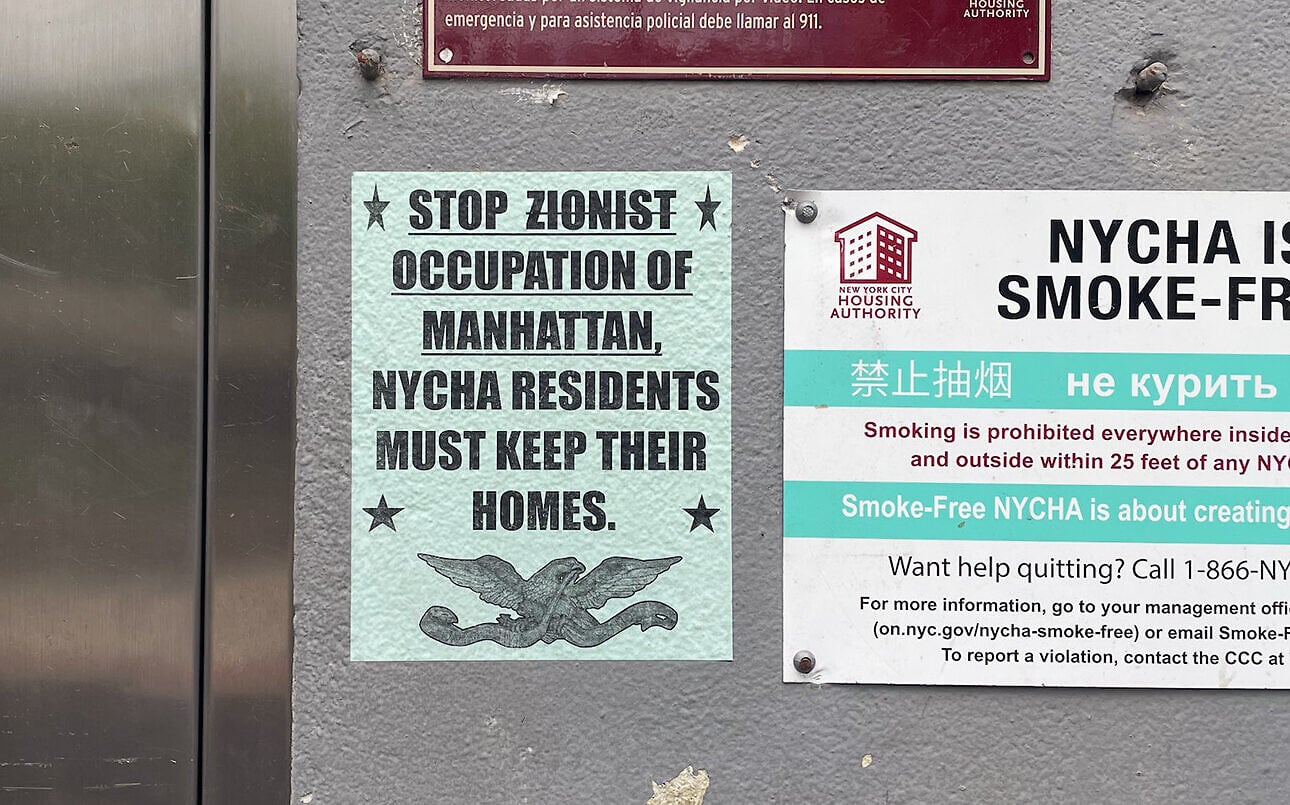
“Stop Zionist occupation of Manhattan. NYCHA residents must keep their homes,” one said, referring to the New York City Housing Authority, at the entrance to an apartment building.
The flyers were the latest in a series of recent statements attributing housing disputes in New York City to Israel or “Zionists.” The rhetoric appeared to mark a growing new front in anti-Zionist activism in the city, despite a history of disputes between Jews and their neighbors, including about housing.
“There’s always been tension, but the explicit nature of the antisemitism is new, part of the period we’re living through right now,” said Prof. Jeffrey Gurock, a scholar of New York Jewish history at Yeshiva University.
‘Greedy Jewish landlords’
There were scattered examples of New Yorkers blaming Jews or Israel for real estate disputes in the years before the October 2023 Hamas invasion of Israel and war in Gaza.
In 2017, a candidate for city council, Thomas Lopez-Pierre, accused “greedy Jewish landlords” of conspiring to conduct “ethnic cleansing” in the city, using funds from Israel.
Protesters who were rallying against a property dispute in Brooklyn in 2022 reportedly also railed against “greedy Jewish landlords.”
The incidents appear to have picked up since the start of the war, though, as anti-Israel activism and antisemitic incidents increased.
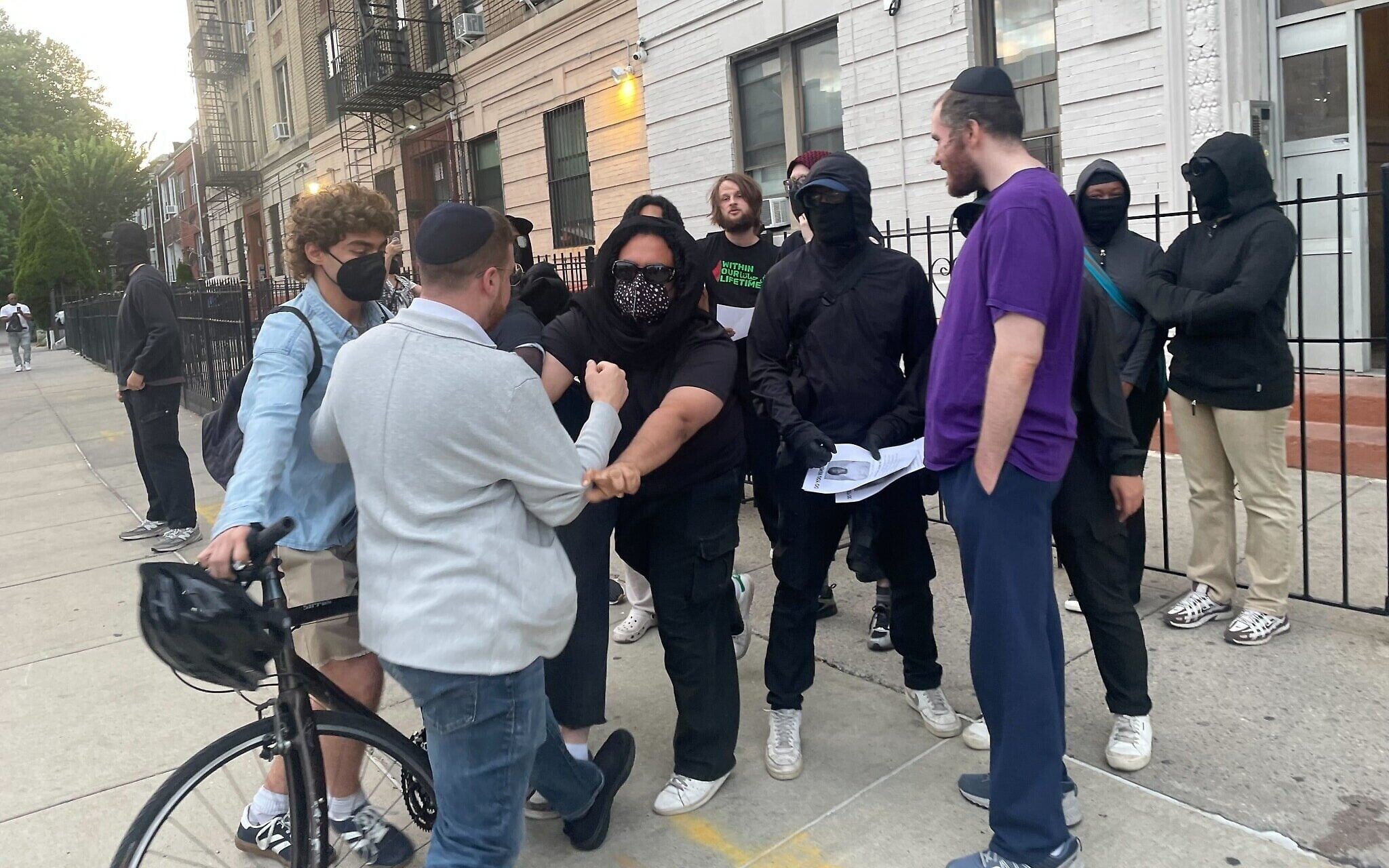
Last year, an activist group, Crown Heights Bites Back, attempted to stir racial tensions in the Black and Jewish Brooklyn neighborhood, handing out flyers that said “Zionist white supremacists” were going to “kill us, exploit us, raise our rents and evict us.”
Other leaflets distributed by the group decried “Zionism and racist landlords,” and the group said in a statement, “Black people in Brooklyn are violently exploited via rents to then feed their genocidal land grabs in Palestine.”
Local leaders and neighborhood residents largely rejected the group.
The Crown Heights Tenant Union and Within Our Lifetime, the leading anti-Zionist activist group in the city, have also connected New York housing to Israel in broadsides against “Zionist” real estate investors since the start of the war.
Nerdeen Kiswani, the head of Within Our Lifetime, said in 2024 that “Zionist landlords” were “exploiting Black communities here and building settlements with it in Palestine.”
The comments connect two of the hot button issues in the city for the far left. Anti-Israel activism has become one of the movement’s defining issues, while housing is a focus for leftists in New York City, one of the most expensive in the US. Mayor Zohran Mamdani, for example, has made both issues central to his political persona, although he does not appear to have connected the two.
Politicians join the fray
In recent months, the pace has picked up with a series of incidents from activists and politicians.
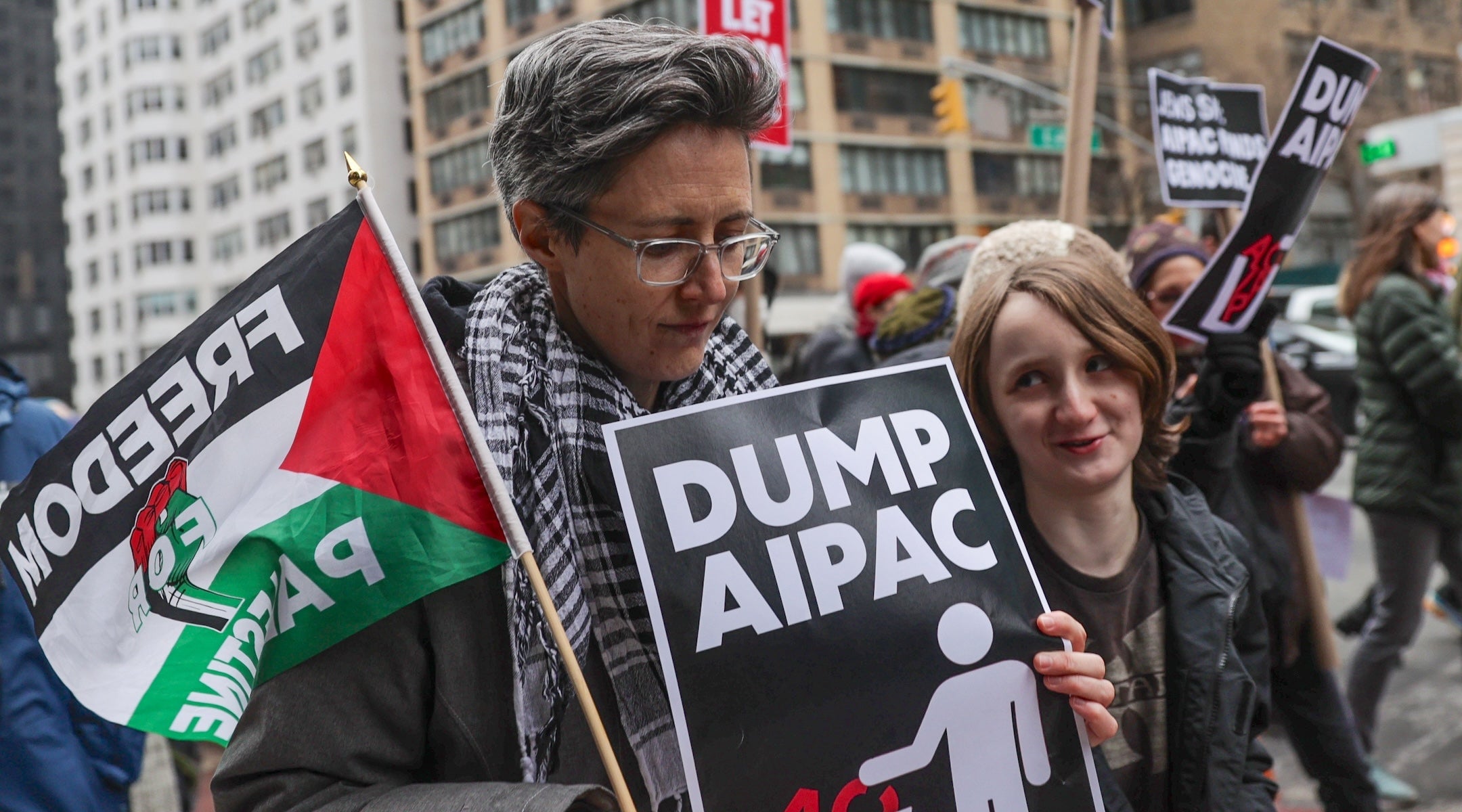
Darializa Avila Chevalier, a far-left anti-Israel activist who won a Congressional primary in the city in June, repeatedly railed against her opponent’s funding from “AIPAC” and “corporate landlords,” often pairing the two and connecting conflicts in the Middle East to housing woes at home.
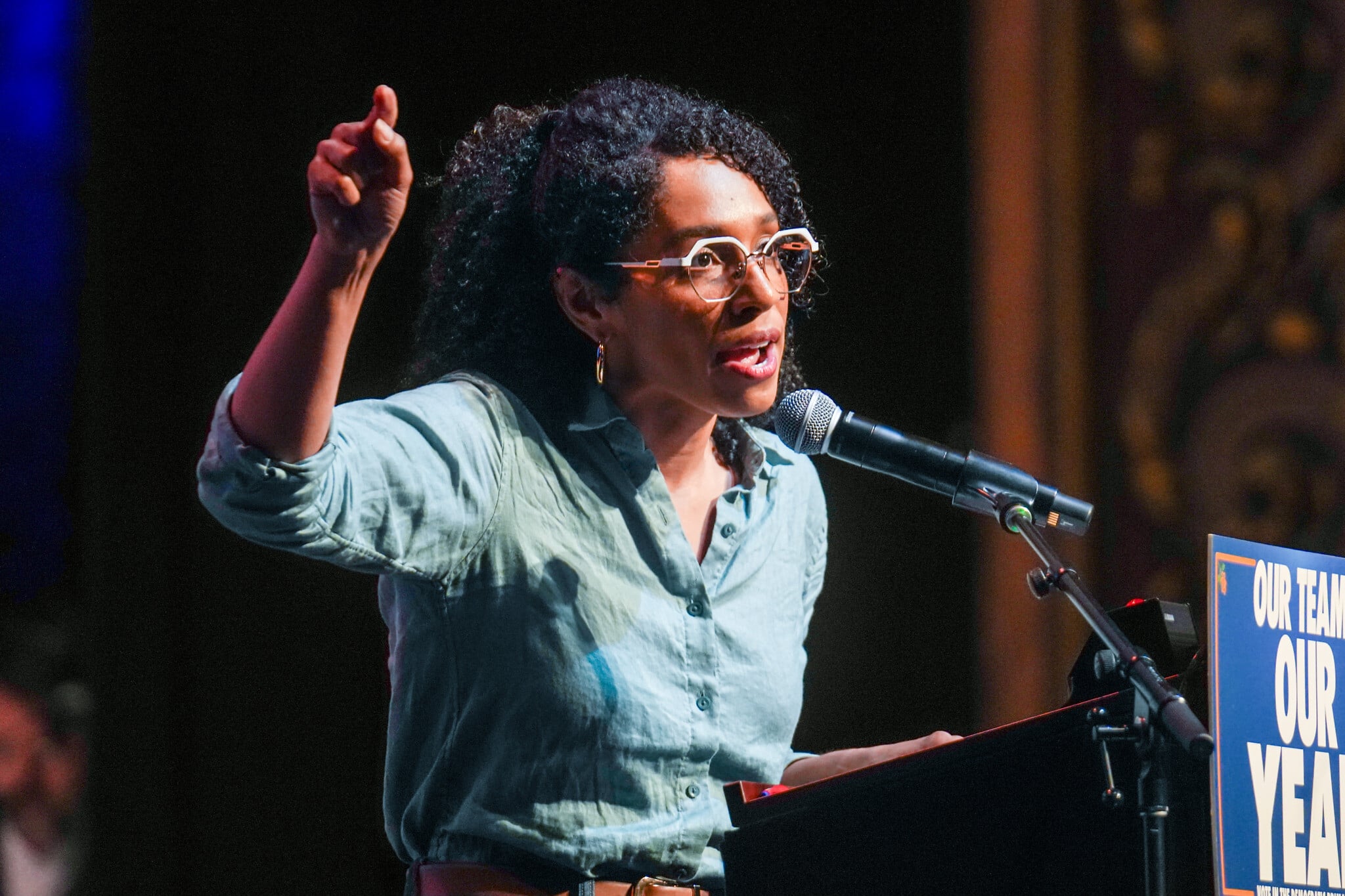
Avila Chevalier described AIPAC and corporate landlords as “the very institutions that are pricing people out of the city.”
“I woke up every morning for two and a half years and saw my tax dollars, your tax dollars, all of our tax dollars being spent on bombs abroad,” she said in an interview.
“That’s why it costs $4,000 for a two-bedroom in Harlem, $4,000 for a two-bedroom in Washington Heights,” she said.
Her supporters in the Democratic Socialists of America and Justice Democrats also made the connection during the campaign.
Last month, a Democratic political operative in Brooklyn, Carmella Charrington, blamed “Zionists” for a real estate dispute involving her father, calling her Jewish opponents “predators” who “steal properties.”
“There’s Zionists that basically did this same thing that they’re doing in the West Bank,” Charrington told interviewer Zein Rahma.
“They are connected — the same people that’s doing [it] in the West Bank. I didn’t believe it at first,” she said. “It’s the connection straight to Brooklyn and then they’re so bold, they come here and do it.”
Charrington, Brooklyn’s Democratic district leader, last year shared an Instagram post promoting antisemite Henry Ford’s notorious anti-Jewish pamphlet, “The International Jew.”
Rahma featured another interview last month in which a passerby said, “Brooklyn, Bed-Stuy is like a mini-Palestine situation. It’s pretty grotesque.”
“The same atrocities we see in Palestine, where literally an American Zionist will show just show up at a Palestinian’s house and be like, ‘This is mine now, you have to leave,’ this is exactly what’s happening in Bed-Stuy,” she said.
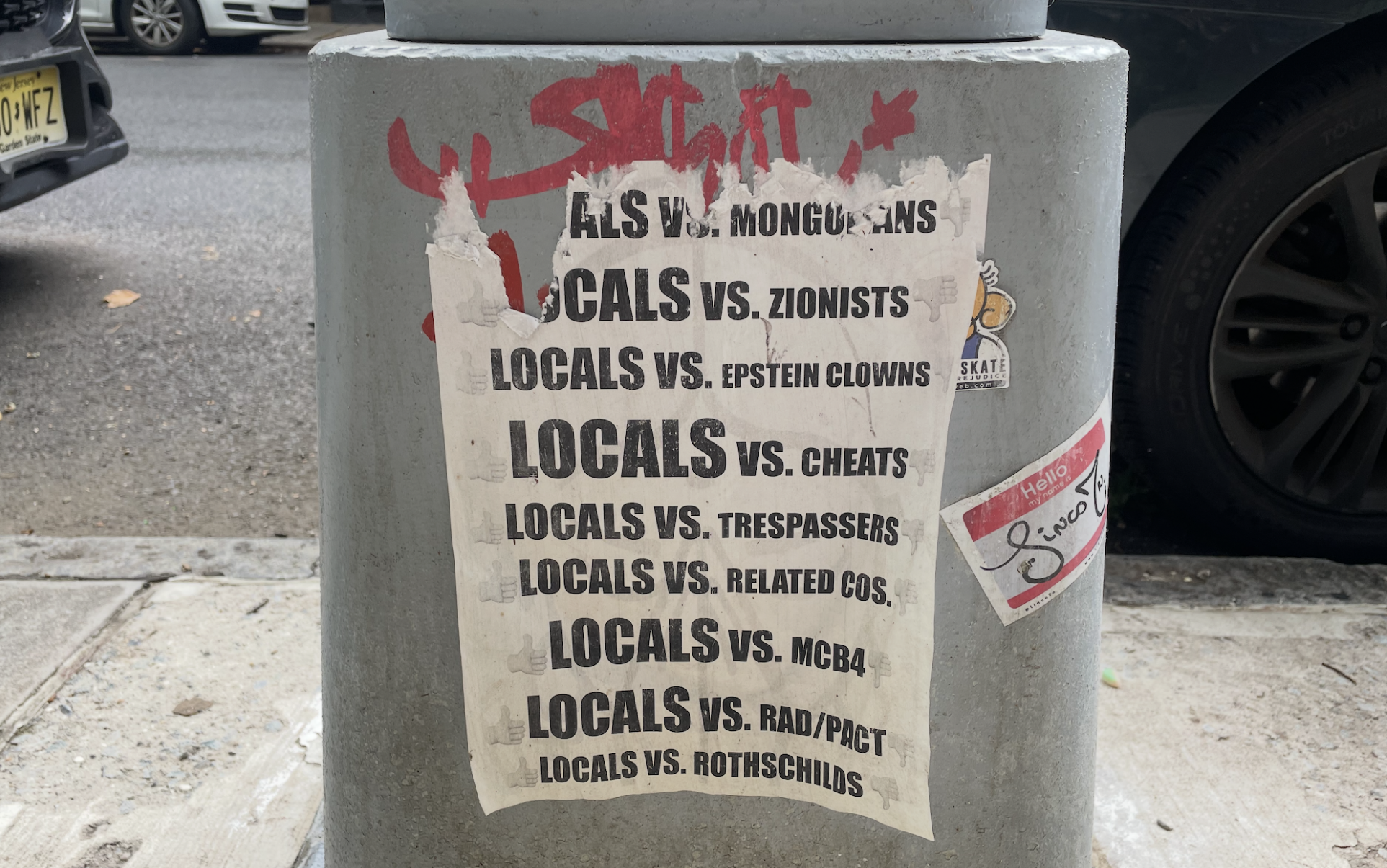
The antisemitic flyers railing against “Talmudists” and “Rothschilds” were posted last month at the Fulton and Elliot-Chelsea Houses, a public housing project managed by NYCHA, which provides public housing in the city.
They were posted in opposition to a massive renovation project that will overhaul and refurbish more than 2,000 affordable housing units, and build thousands of new units.
Some residents are concerned about the demolition and construction involved in the project.
The flyers included slogans like “Locals vs. Zionists,” derided “Epstein clowns,” said the project was “Related (to zionist) Cos.,” and referred to a “NYCHA Holocaust battle.”
It wasn’t clear who had posted the flyers. Several days after they appeared, some had been scratched off, while others remained intact.
A new front?
Gurock said the antisemitic real estate allegations appeared to be new, despite some historical tensions between Jewish New Yorkers and their neighbors over housing.
Harlem, for example, had been a center of Jewish life in the city in the early 20th century, but most Jews left the neighborhood in the 1920s and Black residents moved in.
In Harlem and other areas where most Jews had moved out, some Jews remained as shopkeepers and property owners, leading to some friction with Black residents.
While looters ransacked Jewish stores in New York City during riots in 1935, 1943 and 1964, the riots were not explicitly antisemitic, but sparked by larger grievances, said Gurock, who has written two books about Jews in Harlem.
“It wasn’t, ‘Go after Cohen’s store because he’s a Jew,’” Gurock said. “I argue they weren’t really antisemitic events, but there were points of tension over housing, among other things.”
The writer James Baldwin wrote in 1967 that, growing up in Harlem, “we hated” Jewish landlords in the neighborhood. He described the hatred as part of a larger, racist system — that Jews had been “singled out” for hatred “not because he acts differently from other white men, but because he doesn’t.” Baldwin also said it was “immoral” to “blame Harlem on the Jew.”
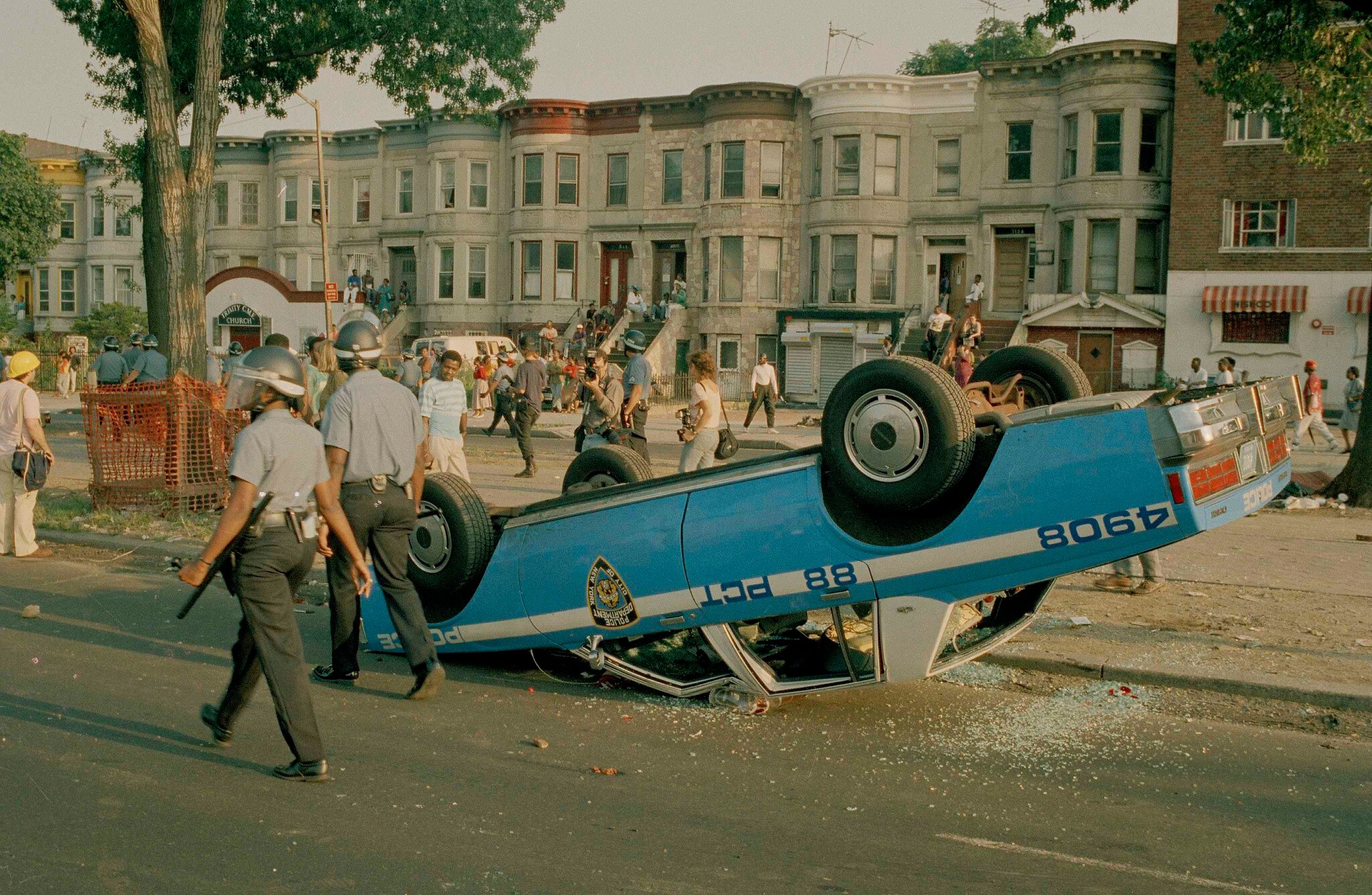
Ahead of the 1991 Crown Heights riots targeting local Jews, there had been housing disputes between Jewish and Black residents. A local pastor reportedly said that Jewish home purchases in the area were part of an “aggressive Zionist expansionist policy.”
Other tensions preceded the riots, though, including that the neighborhood’s Afro-Caribbean population felt that the Jewish community was receiving more resources from the local government.
“The real estate issue was part of a larger picture. Having said that, over the last 30 years or so, things have improved in terms of Jews and their neighbors in Crown Heights,” Gurock said.
Jewish leaders in the neighborhood often hail their relationships with Black community leaders and relations between the two groups are generally cordial.
Jewish groups have also collaborated with their non-Jewish neighbors on public housing projects.
“I think the real estate piece is part of a larger problem of antisemitism in the United States,” Gurock said of the recent incidents. “These are new phenomena, not linked to earlier examples.”










The Times of Israel Community.