

US hits Iranian oil tankers after attempted missile attacks on American Navy
Revolutionary Guards launch retaliatory missile barrage at US base in Jordan, threaten ships in Kuwait and Bahrain; CENTCOM says submarine drone seized by Iran was ‘defective’
 Add ToI as a Preferred Source on Google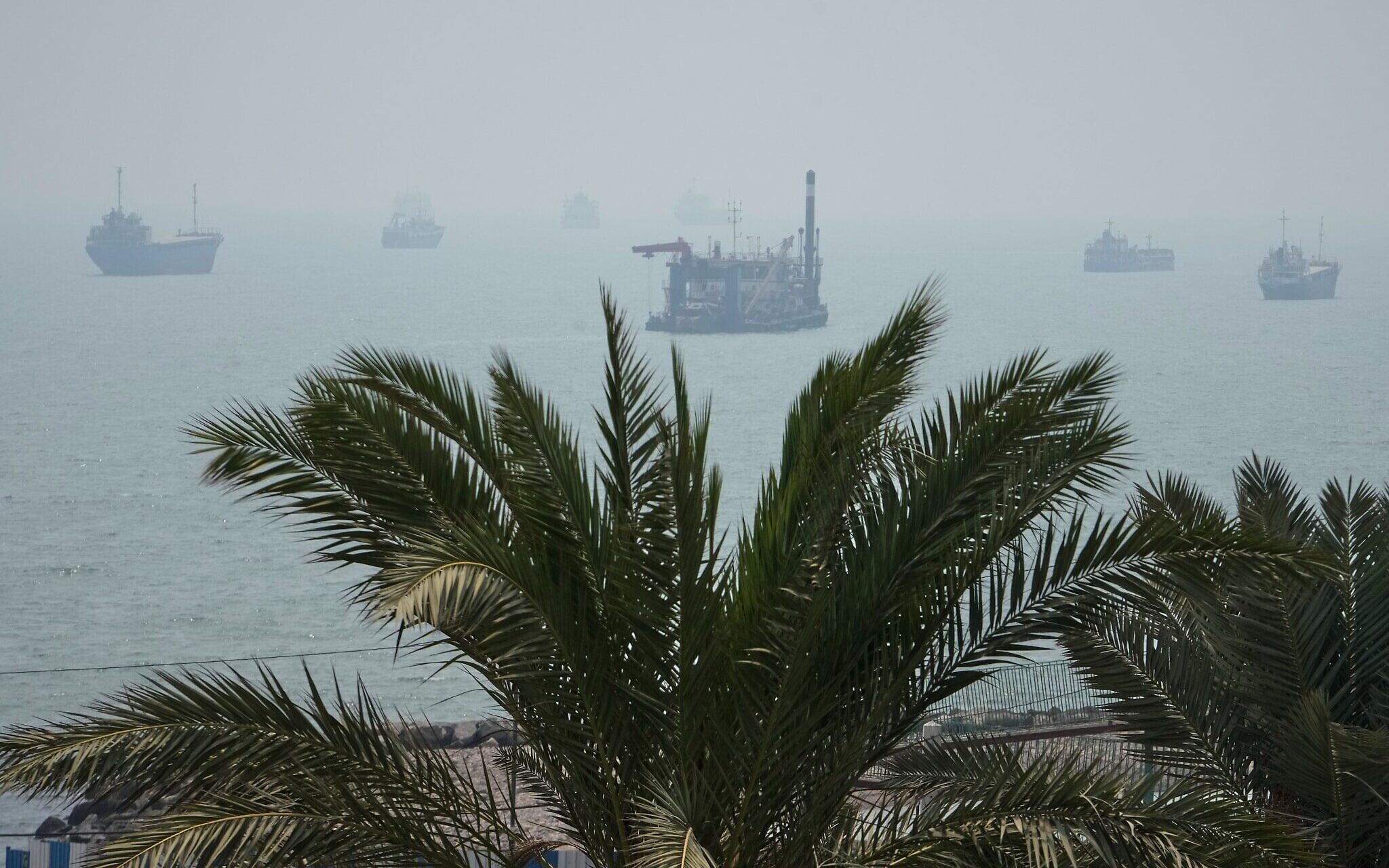
The US military on Tuesday said it destroyed five oil tankers in Iran’s so-called shadow fleet following a pair of attempted Iranian ballistic missile attacks targeting an American warship the previous day. The Islamic Republic in turn launched a salvo of missiles at Jordan that was visible from neighboring Israel.
A statement from US Central Command said the targeted US Navy vessel “successfully evaded the attempted Iranian attacks and continued to patrol regional waters. No American personnel were harmed.”
In response, the US launched strikes on Tuesday night that Iranian state television said targeted Iranian oil tankers near the southern port of Jask and near Kharg Island in the Persian Gulf.
An Iranian state TV reporter in Jask said an Iranian tanker was struck near the coast of Yekbeni, while another explosion was heard in the area whose source and location were not immediately clear.
State TV later reported that the US military attacked a second tanker near waters off Jask. It said the crews of both vessels were being evacuated by lifeboat toward the Jask coast.
Separately, state television reported that another Iranian tanker was attacked in Kharg Island anchorage area. It said the crew was safely evacuated shortly after the strike.
“Iran continues to try to hit US naval ships, and for every time they do that or try to do that, they’re going to lose tankers,” US Secretary of State Marco Rubio told reporters during a visit to Colombia.
CENTCOM forces destroyed five Iranian crude oil carriers, Sept. 8, after the Islamic Revolutionary Guard Corps (IRGC) targeted a U.S. Navy warship with ballistic missiles twice over the past two days. The U.S. warship successfully evaded the attempted Iranian attacks and… pic.twitter.com/Gi8a2tloN1
— U.S. Central Command (@CENTCOM) September 8, 2026
The Islamic Revolutionary Guard Corps Navy told crews of oil tankers near ports in Kuwait and Bahrain to immediately leave their vessels, saying the ships could be targeted in retaliation for US attacks on Iranian tankers. It accused Kuwait and Bahrain of hosting US forces and assisting in the attacks.
Iran’s state television meanwhile quoted Ali Abdollahi, chief of the country’s armed forces, threatening “that any attack on Iranian oil tankers will result in the targeting of US bases in the region by the armed forces of the Islamic Republic of Iran.”
Shortly later, the IRGC said it attacked what it described as a US base in Jordan’s Al Azraq with ballistic missiles, in retaliation for US attacks on Iranian oil tankers.
There was no immediate confirmation from Jordan, nor nor reports of injuries or damage.
Video filmed next door in Israel showed some of the missiles being intercepted, while at least one of the projectiles appeared to have a cluster warhead.
דיווחים בירדן על פיצוצים בעקבות שיגורים מאיראן@OmerShahar123
(צילום: גל ברגר) pic.twitter.com/gRZL4sTKjJ
— כאן חדשות (@kann_news) September 8, 2026
The US strikes also came after the IRGC said it seized an advanced US submarine drone in the Strait of Hormuz.
The US Central Command claimed the “defective drone” had in fact malfunctioned over a day ago while surveying regional waters in support of US operations, and that it was “an older model that neither collected sensitive data nor carried any classified sonar or radar equipment.”
In a statement carried on state TV Tuesday evening, the IRGC said its naval forces “captured one of the most modern, unmanned, and smart submarines of the US terrorist army at the entrance to the Strait of Hormuz in a complex intelligence and operational action at dawn today.”
“This smart submarine is equipped with the latest technology in the subsurface field in the world, which was delivered to the US terrorist army fleet in 2025,” the statement added. “This submarine has now been captured and images of it will be released in the coming hours.”
Iranian media, which later released images of the purported drone, said the unmanned underwater vehicle’s main capabilities included “subsurface reconnaissance and surveillance, seabed mapping, mine detection and inspection of submarine cables and pipelines.”
الحرس الثوري الايراني: مشاهد لإحدى أحدث الغواصات الذكية وغير المأهولة للجيش الأمريكي التي استولينا عليها في مدخل مضيق هرمز، بعد عملية معقدة استندت إلى معلومات استخباراتية ودعم عملياتي فجر اليوم. pic.twitter.com/zx894YeDRm
— Newpress | نيو برس (@NewpressPs) September 8, 2026
Iran imposed a blockade in the Strait of Hormuz early in the war that the US and Israel launched on the Islamic Republic on February 28 in a bid to destabilize its regime and destroy its ballistic missile and nuclear programs. The US in April imposed a counter-blockade of Iranian ports.
The strait carried about a fifth of the world’s oil shipments before the start of the war. Iran has for weeks been holding talks on reopening the strait under a joint administration.
In a call with his Japanese counterpart Tuesday, Iranian Foreign Minister Abbas Araghchi “explained the status of Iran-Oman talks on the Strait of Hormuz, reporting significant progress,” according to a statement from Iran’s foreign ministry.
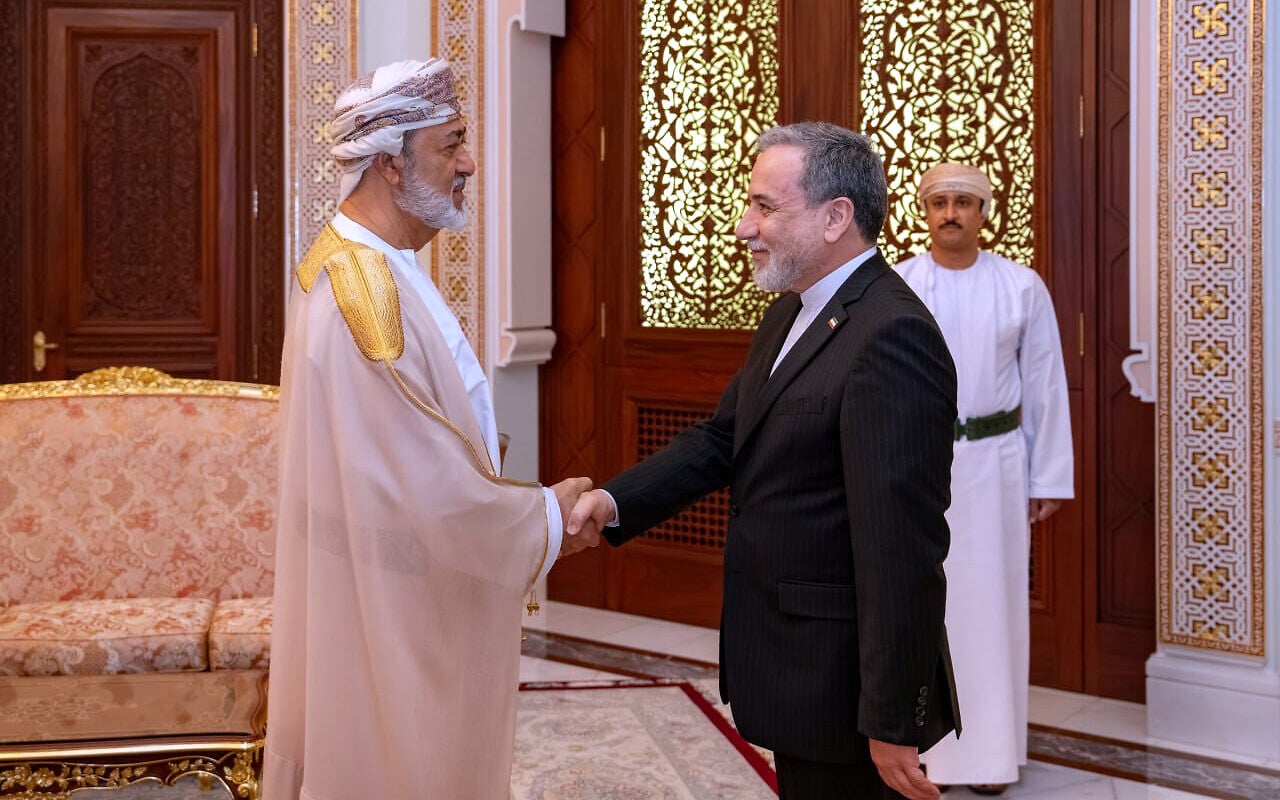
Iranian officials recently said a deal between Oman and Iran could be signed “in the coming days.”
But they have insisted the strait will not reopen until the US meets Iranian demands, including removing oil sanctions, unfreezing Iranian assets abroad and lifting the blockade on Iranian ports.
Tehran has required vessels to seek permission to transit, insisting there will be no return to the pre-war system of unrestricted navigation. Iran also says it plans to charge fees from transiting vessels to fund services including environmental protection, something the US fiercely opposes.
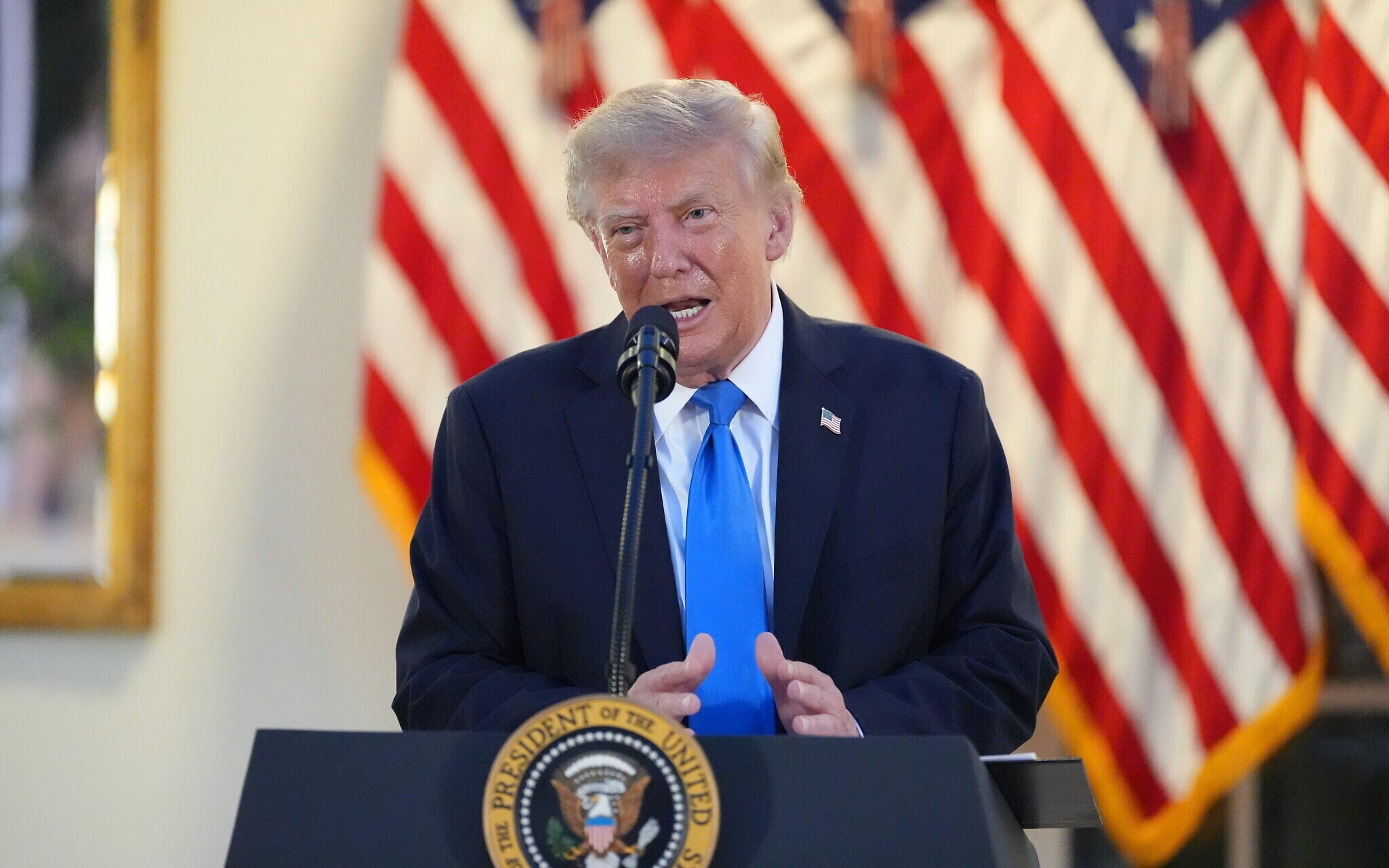
US President Donald Trump said in recent days that US forces have helped an average of 30 vessels through the strait each night, but Iran’s security chief Mohsen Rezaei said Sunday that the US tries to help five or six ships through each night “and usually these ships get hit.”
After angering Trump by sitting out Iran, South Korea sends team to assess Hormuz security
Since a ceasefire in April, Trump has repeatedly ordered strikes against Iran in response to the Islamic Republic’s actions in the strait. The US president has also railed against other nations for failing to help fight Iran despite having a greater reliance than the US on the strait.
In August, partially over Seoul’s refusal to help Washington in the war with Iran, Trump decided to scale back joint military exercises with South Korea, which relies on the strait for about 70% of its crude imports.
South Korea’s defense ministry said Tuesday that it sent an inspection team to assess the security situation in the strait but that no decision has been taken on sending troops.
Citing the defense ministry, the Yonhap news site said the South Korean team departed for the United Arab Emirates over the weekend and is expected to return as early as this week.
Seoul’s presidential office later said South Korean President Lee Jae Myung discussed the Strait of Hormuz with French President Emmanuel Macron on Tuesday, but the talks concerned possible contributions to international efforts to ensure security and freedom of navigation, not troop deployment.
National security adviser Wi Sung-lac also said a review of South Korea’s potential role was not linked to US investment talks and that Iran had sought explanations over reports on a possible South Korean role.
On Friday, the South Korean president’s office had said that Seoul was reviewing its options, including military measures, to support freedom of navigation in the strait, but denied media reports that the government had already decided on a deployment.
Iran’s foreign ministry spokesperson said on X this week that any South Korean military presence or participation in operations in the Gulf and the Strait of Hormuz would be considered support for US “aggression” and would have serious consequences.
Basij commander said ‘martyred’ in Sistan-Baluchistan
Separately, Iran’s semi-official news agency Tasnim reported Tuesday that Abdolraouf Eshaghi, a commander in the Parud district of Sistan-Baluchistan province, had been “martyred” in a “terrorist attack.”
The outlet did not elaborate, and it was not immediately clear who was behind the attack.
Iranian authorities had said Monday that three people were killed and nine arrested during a raid in the province on hideouts of Islamist groups affiliated with Israel and the United States.
Sistan-Baluchistan, which borders Pakistan and Afghanistan, has long seen clashes between Iranian security forces, insurgents and drug smugglers.
One of Iran’s poorest provinces, it is home to a sizeable ethnic Baloch population, most of whom are Sunni Muslims in a Shia-majority nation.
Times of Israel staff contributed to this report.







The Times of Israel Community.