 Add ToI as a Preferred Source on Google
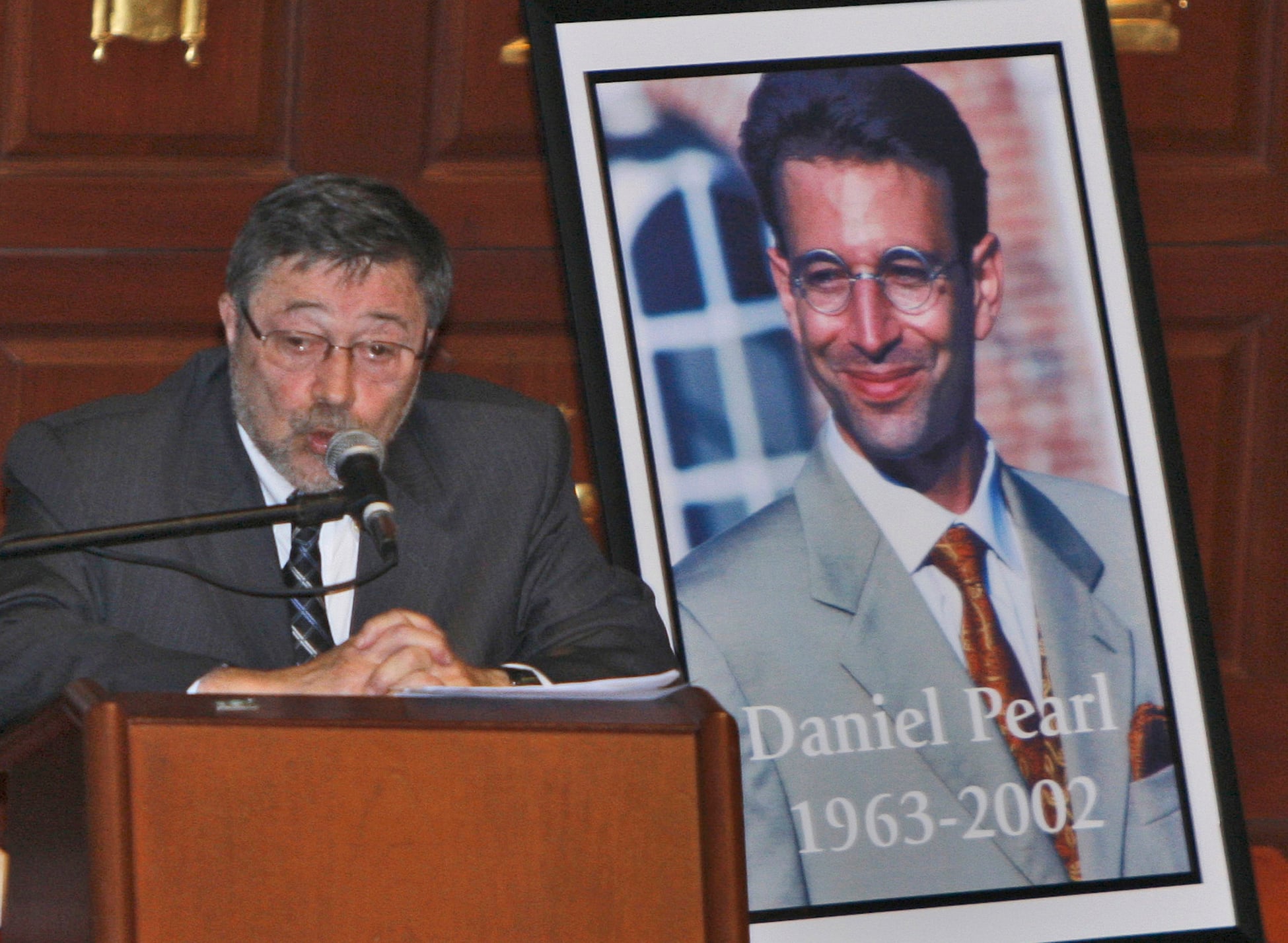
In 2002, Judea Pearl’s son, Wall Street Journal reporter Daniel Pearl, was kidnapped and murdered in Pakistan while reporting on religious extremist groups in the wake of the 9/11 attacks. A video showed the captive journalist making coerced statements before he was killed. In one, Daniel Pearl said that he was Jewish, as were his parents.
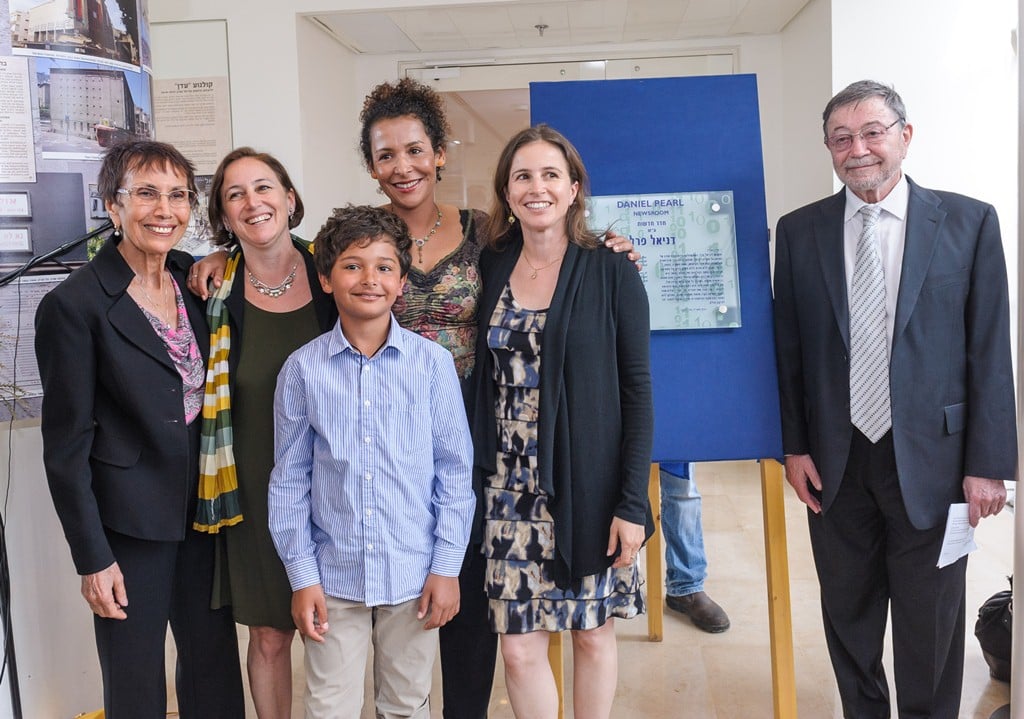
Judea Pearl has not stopped thinking about that message. With his late wife Ruth Pearl and their two daughters, he established the Daniel Pearl Foundation to honor his son, including through a dialogue program with Muslim journalists. More recently, the Israeli-American scholar has also been contemplating what it means to be Jewish in the post-October 7, 2023, landscape.
A professor of computer science at the University of California, Los Angeles and a frequent op-ed contributor to Jewish media outlets, Pearl has had a front-row seat to witness changing attitudes toward Israel among American university students, especially after the bloody October 7 Hamas onslaught on Israel that killed 1,200 and kidnapped 251, and Israel’s subsequent war against Hamas in the Gaza Strip.
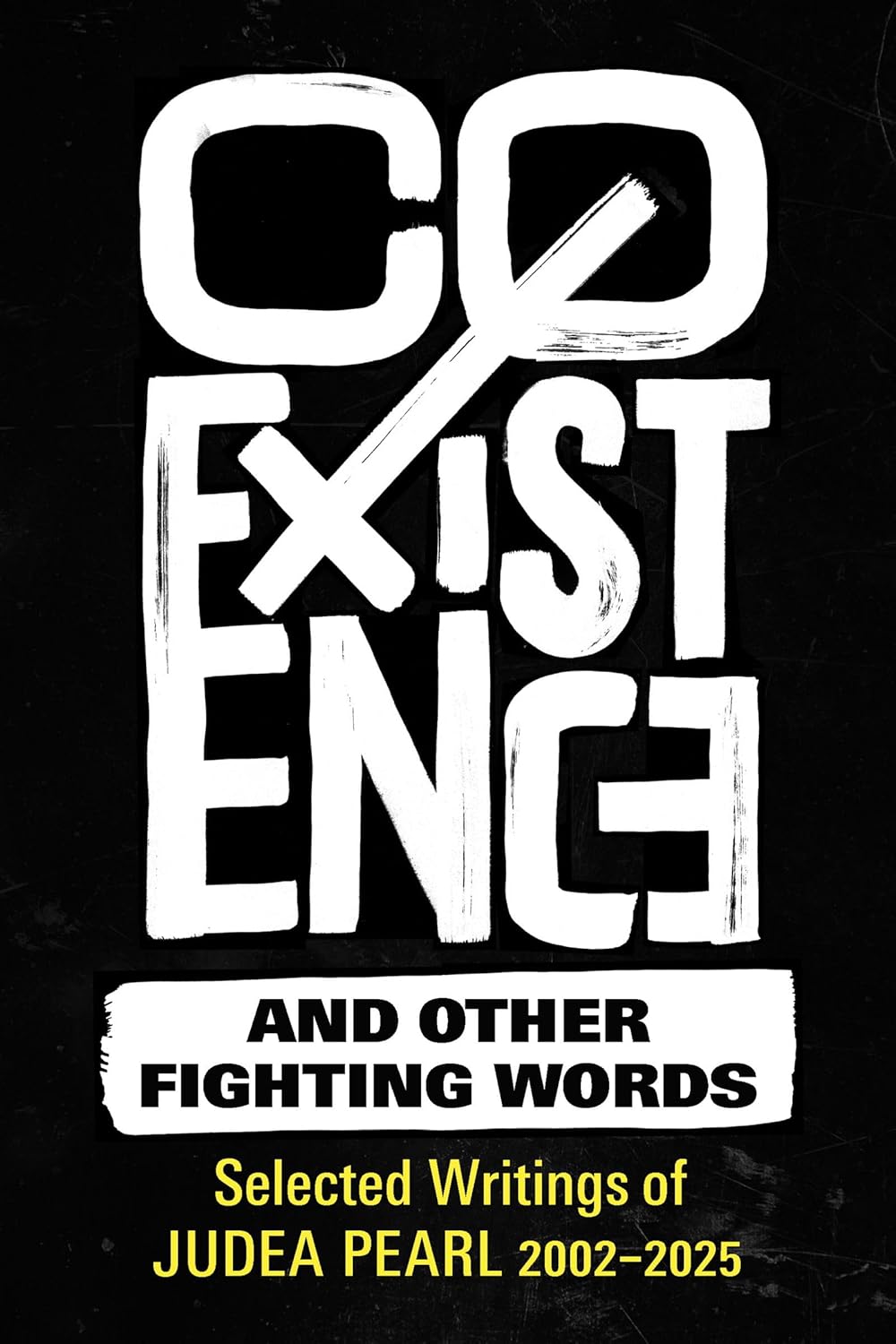
Now Pearl has compiled some of his columns into a book, titled “Coexistence and Other Fighting Words: Selected Writings of Judea Pearl 2002-2025.”
Released on December 10, the book shows Pearl is as creative a thinker on the op-ed page as he is in the science lab. He coins multiple terms and phrases — notably “Zionophobia,” which he distinguishes from antisemitism.
“In one breath, it’s the denial of the Jewish people’s right to self-determination anywhere in the Middle East,” Pearl told The Times of Israel regarding Zionophobia. “It’s a simple definition.”
And, he argues, it’s what university administrators should be focusing on instead of antisemitism.
“We have been constantly speaking against antisemitism, not against anti-Zionism,” Pearl said. “The minute you mention antisemitism, you lose the game. Because someone will rush to appoint a task force, the task force will invite philosophers, the philosophers will climb Mt. Olympus, and you’ve lost 10 years of philosophical discussion in which nothing is being done. Antisemitism thus becomes a license for inaction — if not worse.”
Throughout the book, Pearl is unafraid to make similarly counterintuitive claims.
‘Zionophobia: the denial of the Jewish people’s right to self-determination anywhere in the Middle East’
He mines primary sources for evidence that early Zionists such as Chaim Weizmann, Vladimir Jabotinsky and David Ben-Gurion sought a measure of accommodation with the native Arab population of Palestine. In defending Jewish ties to the land of Israel, he contends that indigeneity doesn’t have to stem from physical connection to a place — it can also derive from cultural attachment, such as the many mentions of Zion in the birkat hamazon prayer after eating bread, or the Jewish pilgrimage holiday of Sukkot. He compares today’s anti-Zionist Jews to coreligionists of the past who rebelled against mainstream thinking and were eventually forgotten by history — such as the Karaites, or the Sabateans.
Readers of the book will also learn about Pearl’s family background, which contains a significant amount of tragedy. In addition to the loss of his son in 2002, the author’s grandfather was murdered at Auschwitz during the Holocaust.
Yet, Pearl added, “I know that his last thoughts were about his grandson [me] growing up free in Israel.”
Pearl criticizes Holocaust museums, which he says do not include Israel in their narrative: “You see death and suffering, you don’t see Jewish revival. It’s a shame.”
Pearl’s other grandfather immigrated from Poland to Israel and helped found the city of Bnei Brak. (This family connection to Bnei Brak was mentioned by Daniel Pearl in the video of his death, along with a statement criticizing “the unconditional support of the state of Israel” by the US, according to CNN.) Judea Pearl grew up in Israel, where his high school teachers were university professors who fled antisemitism in Europe, found no equivalent jobs across the Mediterranean, and took secondary-school positions as an alternative.
“They were geniuses one by one,” said Pearl, who discussed this phenomenon with Bill Gates when they were seated side-by-side at a dinner. “Me and my generation were the beneficiaries of the most innovative educational experiment in history.”
Pearl has taught at UCLA for 55 years. During this time, he won international recognition in the field of artificial intelligence and became director of the school’s Cognitive Systems Laboratory. All the while, he has contributed columns about Jews and Israel to various media outlets, from the Wall Street Journal to Moment magazine to the Jewish Journal of Greater Los Angeles.
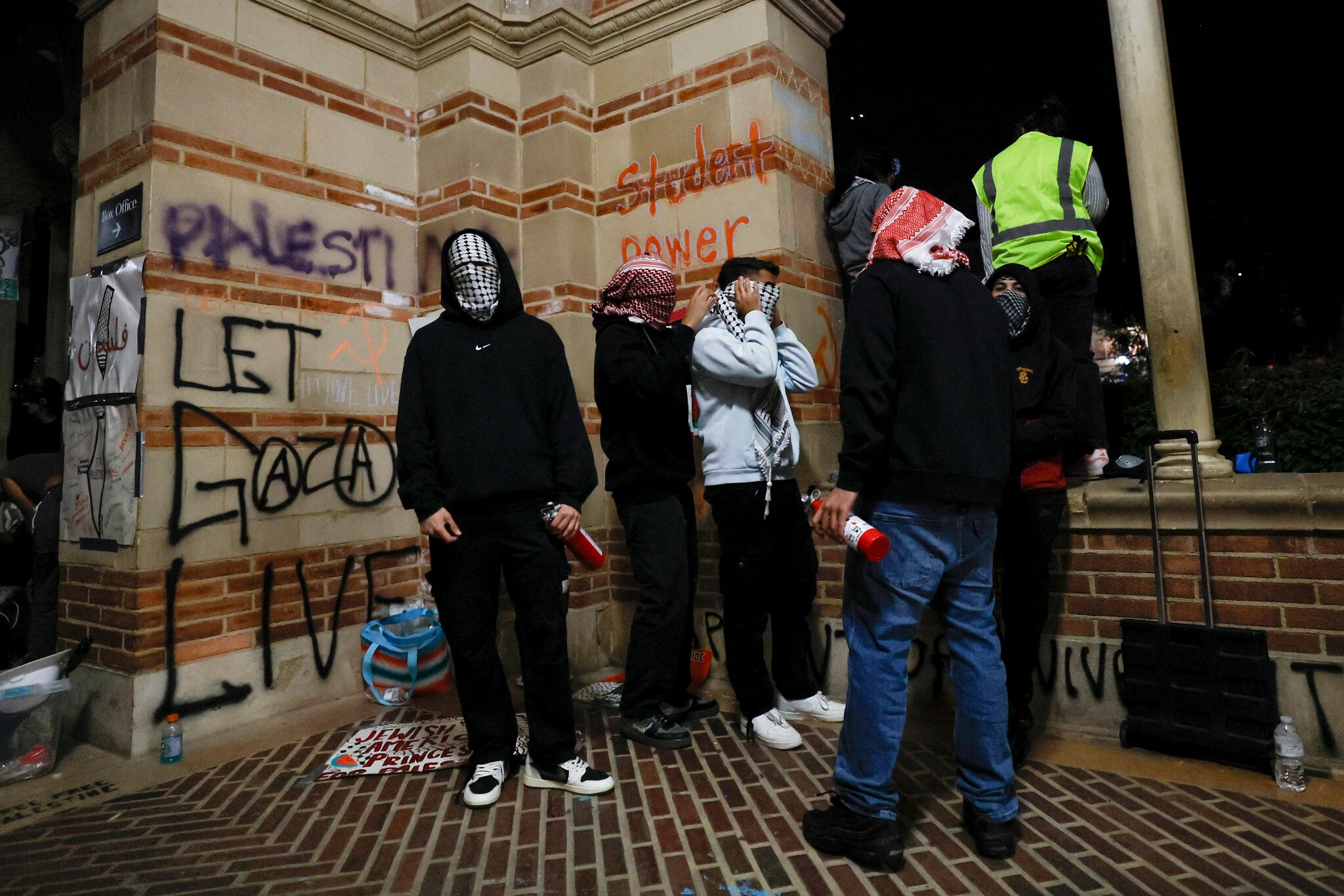
In the book, he documents anti-Israel conferences and protests at his university and on the streets of LA, including a symposium in 2014 where he says attendees chanted slogans against Israel. According to Pearl, pro-Hamas sentiments have grown on campus since then, especially in the wake of October 7 and the war in Gaza.
“It appears to me the idea that Israel should not exist has become mainstream,” Pearl said. “Before that, our adversaries used to say, ‘Of course we would like Israel to exist, if only she behaved the way we want her to behave.’”
“No longer,” Pearl said. “It has suddenly become normative to deny the legitimacy of Israel’s very existence, and that worries me.”
‘It has suddenly become normative to deny the legitimacy of Israel’s very existence, and that worries me’
He was asked about the effects of Israel’s policy toward the Palestinians — including the war against Hamas in Gaza, which has wrecked Gaza’s infrastructure, and, according to unverified figures from the Hamas-run Gaza Health Ministry that do not differentiate between civilians and combatants, claimed roughly 70,000 Palestinian lives. Tens of thousands more have been injured. In his response, he primarily alluded to Israel’s actions in the West Bank, such as frequent raids by the Israel Defense Forces.
“The presence of the IDF in the West Bank is necessary to prevent terror cells from planning and attempting terrorist acts in Tel Aviv and in Netanya,” the latter a reference to a deadly 2002 suicide bombing at a Passover seder during the Second Intifada.
“Raiding houses night after night is painful,” Pearl said. “It’s extremely painful for Israeli boys to raid people in pajamas at night. But it’s necessary to gather preemptive intelligence as long as terror cells are planning acts of terror in civilian centers, including Tel Aviv and Haifa. Israel cannot simply leave the West Bank overnight and hope for Ben Gurion Airport to stay safe, at rocket distance from Ramallah.”
Pearl was also asked about Jewish critics of Israel, whom he calls “yester-Jews,” more focused on the past than the future.
‘Israel cannot simply leave the West Bank overnight and hope for Ben Gurion Airport to stay safe, at rocket distance from Ramallah’
“Number 1, on a philosophical basis, they do not represent mainstream Judaism in its historical or current organization,” Pearl said. “You can go from Orthodox to Reform — Jewish leadership or communities in this country [are] strongly Zionist, except a few ultra-progressive Reform synagogues.”
“You look at Jewish history — the longing for homecoming and reestablishing sovereignty in Israel has been a central theme of Jewish thought throughout history,” he said.
Pearl laments that fellow faculty members have grown reluctant to publicly espouse their Zionism. He’s encouraged by the formation of a new Zionist faculty group on campus.
“Four hundred Zionist professors have decided to come forward and declare, ‘Enough is enough,’” he said.
While Pearl is excited about his book’s release, he notes that his late son’s namesake foundation hasn’t been as active as it once was. This includes its efforts to promote dialogue between Jews and Muslims.
“We had a very strong program to bring journalists to the US from Muslim-majority countries,” Pearl said. “We used to have a dialogue program, the Daniel Pearl Dialogues, Muslim-Jewish dialogues. We used to go from town to town and talk about issues of concern to both communities.”
But Pearl sounds pessimistic about the program’s future.
“The countries from which we get journalism fellows are adamantly Zionophobic — it’s very hard for them to accept the idea of a normal Jewish state, and Zionism is the Jewish quest for normalcy,” he said.

The Times of Israel Community.