

Smotrich said to nix coalition statement criticizing High Court recusal ruling
Report says far-right leader declined to sign draft along with other coalition parties; Religious Zionism declines to comment
 Add ToI as a Preferred Source on Google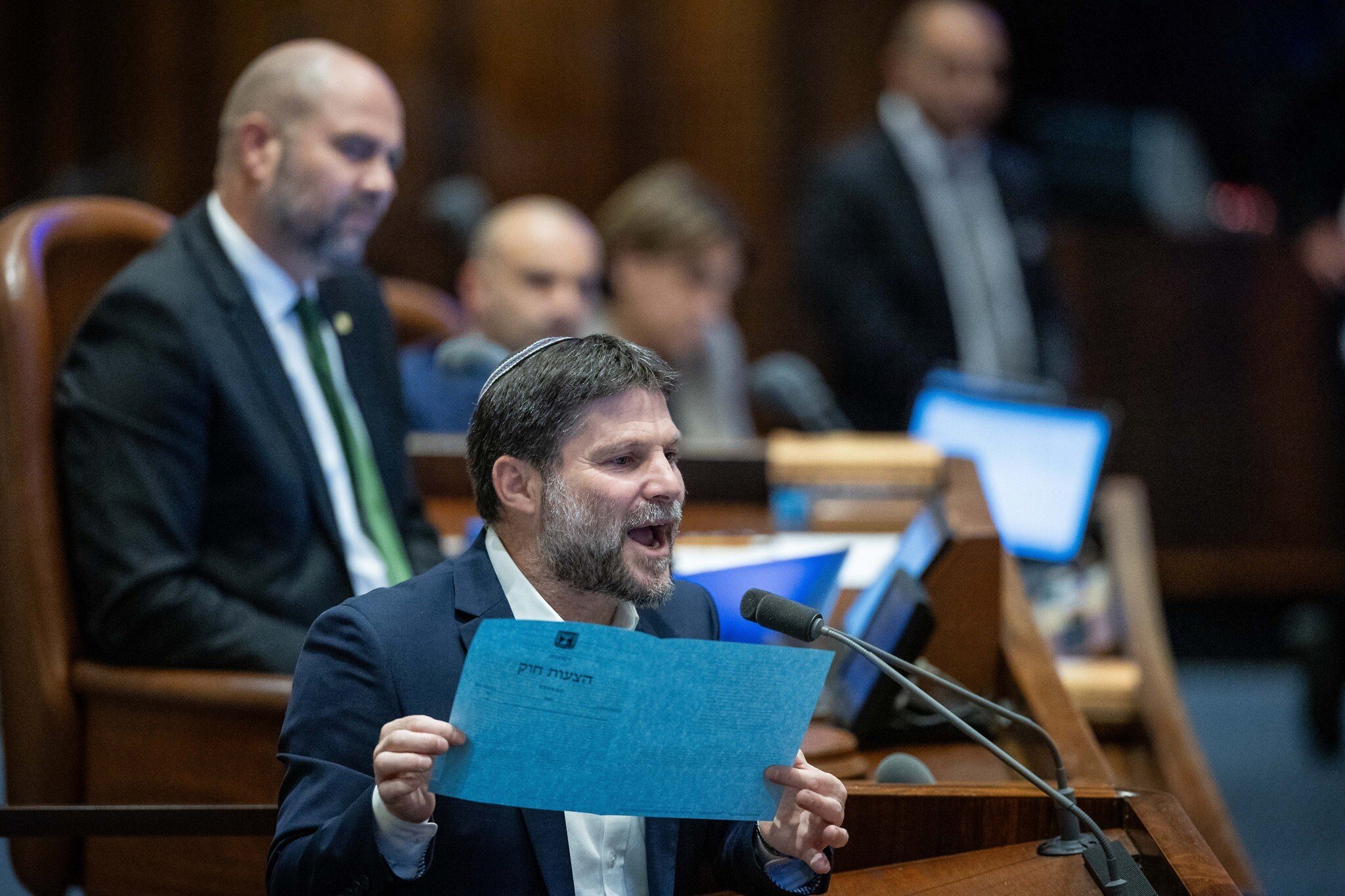
Finance Minister Bezalel Smotrich refused to endorse a statement drafted by Prime Minister Benjamin Netanyahu’s Likud party to denounce the High Court’s ruling that could enable the judiciary to recuse the premier, Hebrew media reported Thursday.
Following Wednesday’s ruling, the Likud reportedly wanted to issue a joint statement with other coalition parties slamming the High Court’s decision to postpone the implementation of a controversial law shielding the premier from the possibility of being ordered to recuse himself from office.
However, the initiative was blocked by the far-right Religious Zionism party, whose chairman Smotrich rejected the draft that was circulated, the Walla news site reported, citing sources in the government.
The report did not elaborate on the wording of the statement nor Smotrich’s reasons for refusing to sign it. Smotrich’s office declined to comment.
After the High Court’s ruling, several members of Netanyahu’s party lambasted it, saying the High Court was not empowered to judicially review the quasi-constitutional Basic Laws.
In September, Smotrich himself made a similar point when he assailed then-High Court president Justice Esther Hayut over her intention to debate the validity of Basic Law amendments that formed part of the government’s controversial judicial overhaul. “Nullifying a Basic Law is a deviation from all your authority and will be the end of democracy,” the far-right minister said at a rally in support of the overhaul. “Don’t you dare invalidate Basic Laws,” warned Smotrich. Later in September, after the High Court held a hearing on the recusal amendment, Smotrich called the court’s review “illegitimate.”
The Recusal Law, an amendment made in March to Basic Law: The Government, allows only the legislative and executive branches of government to recuse a sitting prime minister, and for medical reasons alone. In the Wednesday ruling, a slim majority of High Court justices determined that the amendment is “clearly personal” — i.e., it was enacted to protect Netanyahu specifically — so that implementing the amendment in the current Knesset would constitute an abuse of the legislature’s constituent power.
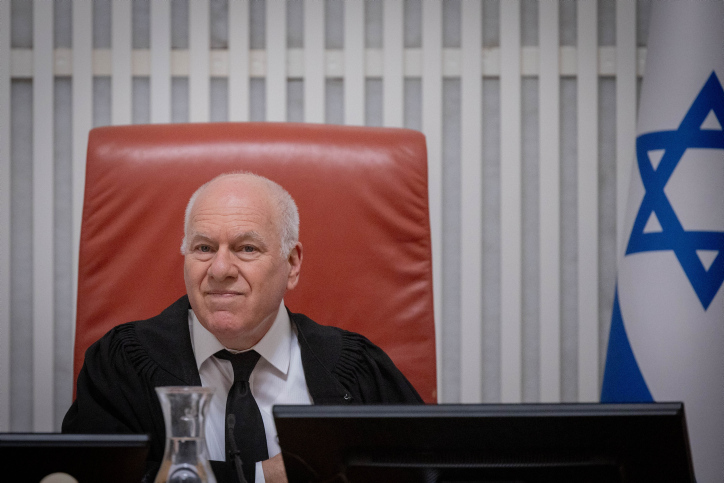
Acting High Court President, Justice Uzi Vogelman, wrote in the majority opinion Wednesday that the amendment was enacted “out of a stated goal and purpose to benefit a certain person — the current prime minister.” Vogelman quoted statements to that effect by several Knesset members, including Moshe Arbel, Tally Gotliv and David Amsalem.
Coalition lawmakers made the recusal amendment in March of last year, after several organizations, including the Movement for Quality Government, petitioned the High Court to recuse Netanyahu, claiming that the premier, who was already standing trial on multiple charges of graft, could not make sweeping changes to a judiciary while a criminal case against him was being prosecuted.
The petitions followed Attorney General Gali Baharav-Miara warning Netanyahu in February against getting involved in his government’s proposed judicial overhaul given the premier’s legal predicament. In March, after Basic Law: The Government was amended, Netanyahu said, “Until today my hands were tied. No longer. I am getting involved [in the judicial overhaul legislation issue].” Netanyahu’s comment was also quoted by Vogelman as an indication of the recusal amendment’s personal nature.
In their Wednesday ruling against the recusal amendment, the justices actualized the “misuse of constituent power” doctrine, which stipulates that the High Court may strike down even Basic Laws. The doctrine was endorsed Monday by a majority of 13 justices, with only two justices dissenting, in the first-ever High Court session held with all 15 justices present.
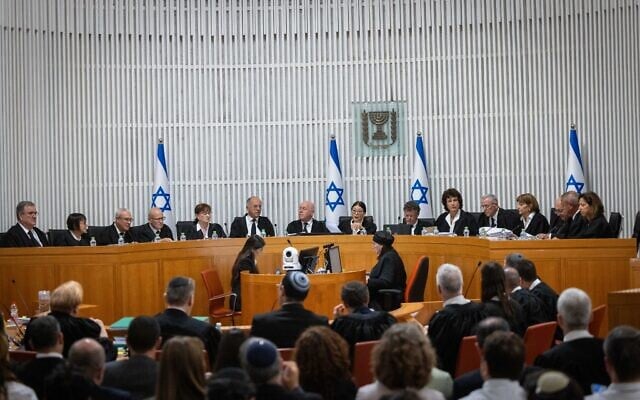
The Monday session was otherwise devoted to the so-called Reasonableness Law, an amendment to Basic Law: The Judiciary that would have forbade courts from employing the reasonableness standard to strike down executive decisions considered egregious by the judiciary. A slim, 8-7 majority of justices struck down the Reasonableness Law.
In an interview with Ynet Tuesday, Smotrich harshly criticized the reasonableness decision. However, rather than framing his criticism as a defense of the Knesset’s constituent power, the Finance Minister chose to attack the High Court justices for “dividing us” at a time of war by holding the debate as IDF troops continue to fight in the Gaza Strip.
In the past, Smotrich has been less forthcoming than his extremist ally, National Security Minister Itamar Ben Gvir, in complying with legislation aimed at protecting Netanyahu from his legal woes. In October 2022, Smotrich demurred when Ben Gvir expressed support for the so-called French law, which would have forbidden criminal proceedings against sitting premiers. Smotrich, though intent on passing such legislation, was adamant that it would not retroactively apply to Netanyahu’s corruption investigation.










The Times of Israel Community.