

Survey: Technological and other gaps leave more Holocaust survivors forgoing medical care
CEO of nonprofit LeMa’anam says 28% of Israel’s 110,000 survivors are housebound and have difficulty coordinating and reaching services, compounded by Israel’s digital transition
 Add ToI as a Preferred Source on Google
Reporter at The Times of Israel
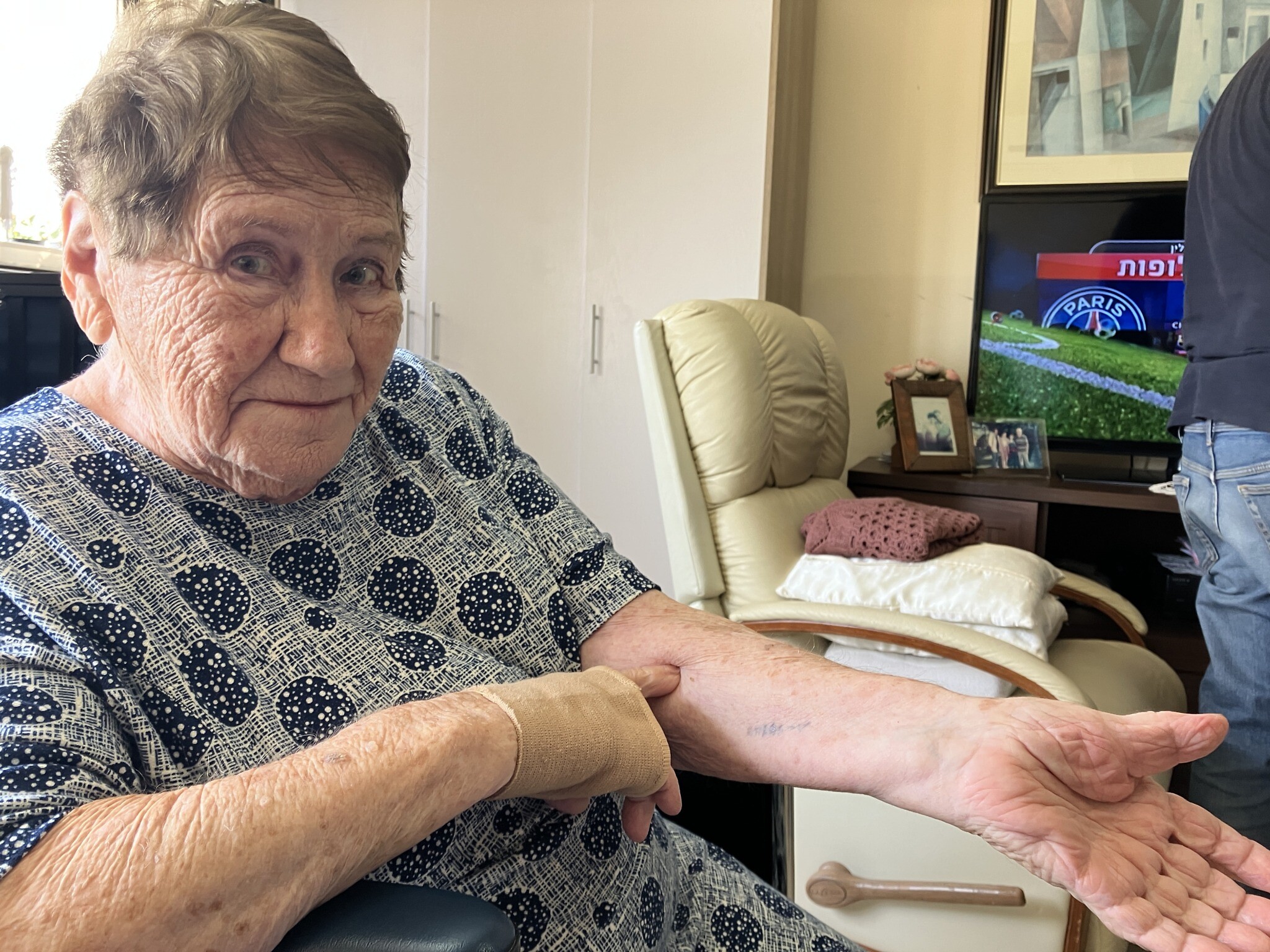
Betty Boiangiu, 93, a Holocaust survivor from Romania, spends most of her day sitting by her living room window, gazing down at the street two stories below.
She requires ongoing medical attention for various ailments, but said that without help from her two children and caretaker, she would not be able to get to a doctor or even navigate the digital world of medical care to make an appointment.
“I don’t have an app, and then they ask me to press this or that and I get confused,” Boiangiu told The Times of Israel during a visit to her home in the coastal town of Nahariya on Tuesday. “Or they speak so quickly I can’t understand them.”
As people around the world mark International Holocaust Remembrance Day, Raz Avitan Katz, the CEO of nonprofit LeMa’anam (“For their sake” in Hebrew), which provides free home healthcare visits to Holocaust survivors, said that according to the organization’s recent medical report on the approximate 110,000 Holocaust survivors living in Israel, many are forgoing medical treatment due to a 30% spike in difficulties in reaching, coordinating, and implementing medical care.
“The average age of survivor is 86,” Katz said, speaking to The Times of Israel by telephone. “About 28% of survivors are defined as housebound, many of whom live in buildings without an elevator. For people who live alone, the logistics of arranging transportation to a doctor are overwhelming. They fear they could fall, so they give up treatment altogether.”
Katz said that the transition to digital systems has left out people such as Boiangiu because it has created a “de facto exclusion of a population that has difficulty using online applications and tools.”
The accumulation of barriers leads to the postponement of tests, missed medical follow-ups, and worsening of health conditions.
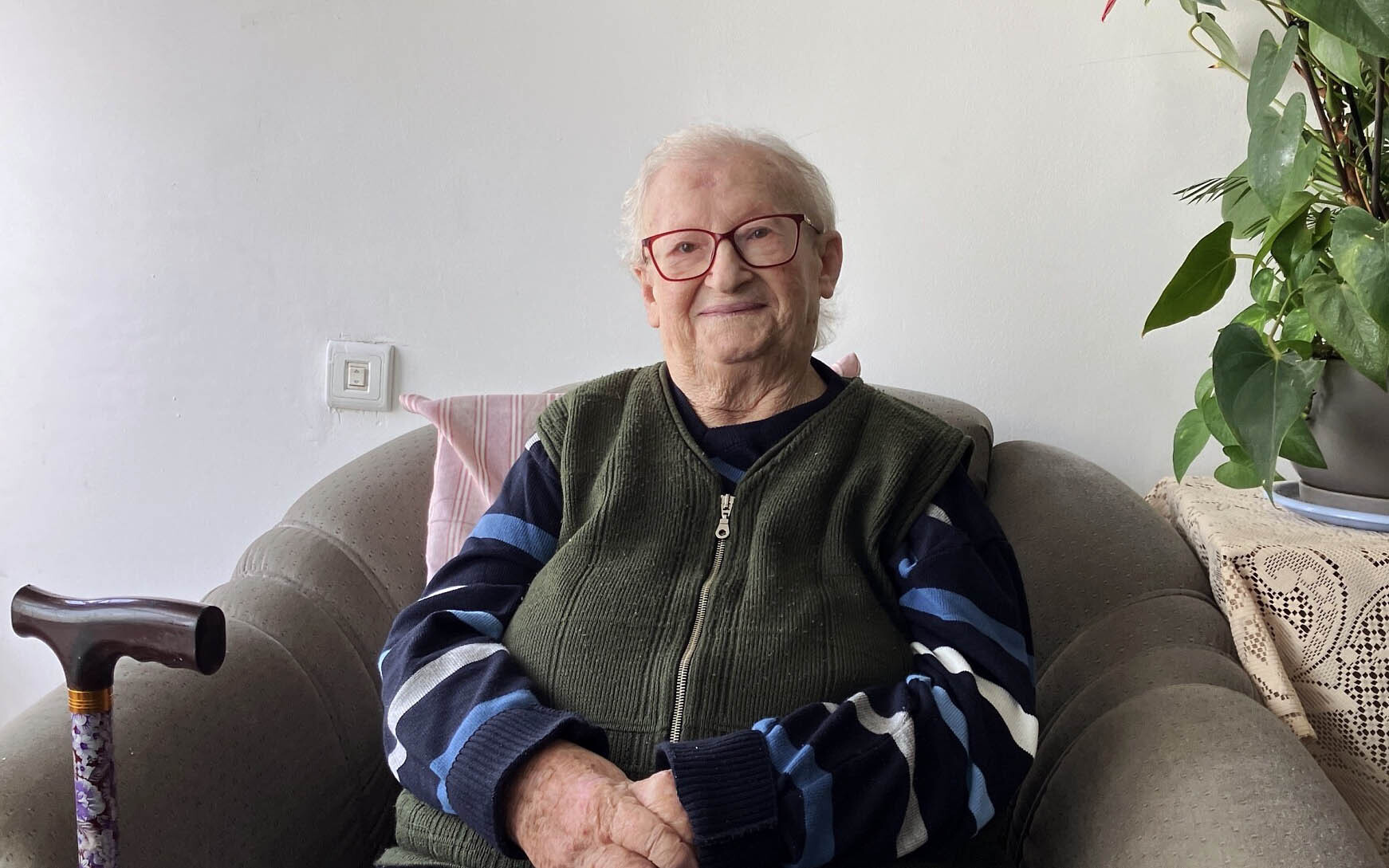
There are also barriers that stem from living in the country’s periphery, Katz said. For people who live in northern and southern Israel, there are only 2.7 specialist doctors per 1,000 people, compared to 5.5 in the central district.
The report also points to a trend seen in medical geriatrics.
“People aged 80 and over wait an average of three weeks longer to see a specialist than people aged 20, even when it comes to the same medical need,” Katz said. In times of emergency, waiting times and operational complexity may lengthen even further, and the delay itself becomes a risk factor.
“The data show that a shortage of specialists, accessibility gaps, and medical negligence are causing many survivors to forgo medical treatment, a reality that must not be accepted,” he said.
413 Israeli Holocaust survivors are more than 100 years old
According to current estimates from the Central Bureau of Statistics, around 12,000 survivors died during 2025. The average age of Holocaust survivors receiving services from the Welfare and Social Services Ministry stands at 87, and 413 of them are over the age of 100.
The data show that about 37% of Holocaust survivors are recognized within the social services system and receive services from the ministry and local authorities, a total of approximately 41,800 people.
After the bloody October 7, 2023, Hamas-led terror onslaught and subsequent war in Gaza, the Welfare and Social Services Ministry began operating special support services for senior citizens, including Holocaust survivors, who were harmed or forced to evacuate their homes.
The ministry and local authorities are also working to contact all Holocaust survivors in order to assess needs, make services accessible, and assist in the realization of rights.
In addition to government authorities, organizations such as Latet sends volunteers to Holocaust survivors’ houses to bring them nutritious meals, provide dental care, and help ensure their homes remain physically accessible to them — including by providing renovations to that end.
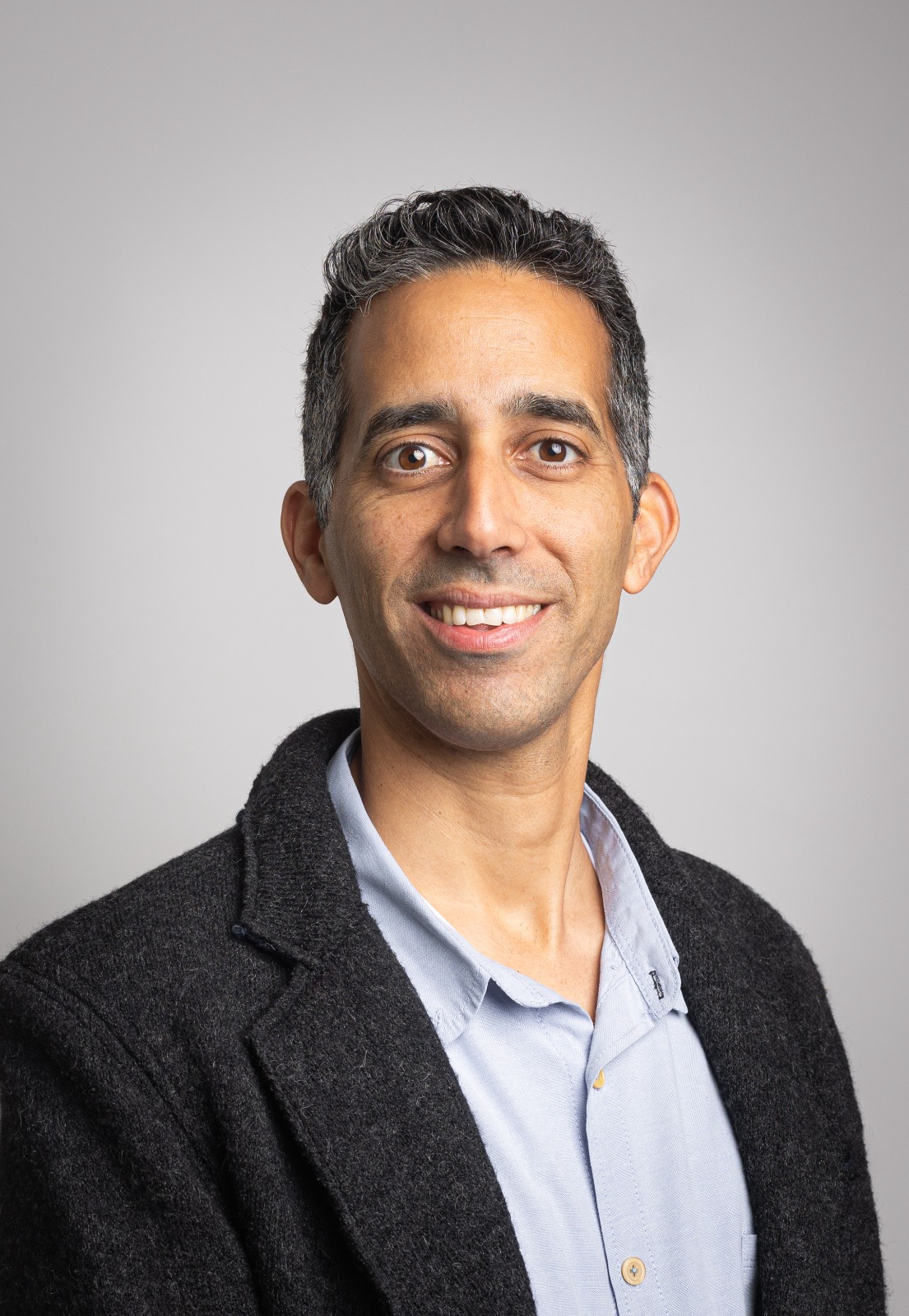
LeMa’anam was born in 2020 when Dr. Tamara Kolitz became aware of the challenges for homebound and isolated Holocaust survivors amid the COVID-19 pandemic.
The Tel Aviv-Sourasky Medical Center and Maccabi Healthcare Services endocrinologist asked some of her colleagues if they would volunteer for house visits, launching the effort.
Since then, the nonprofit has grown to about 2,000 medical volunteers, including doctors, occupational therapists, and social workers, who have provided more than 20,000 treatments.
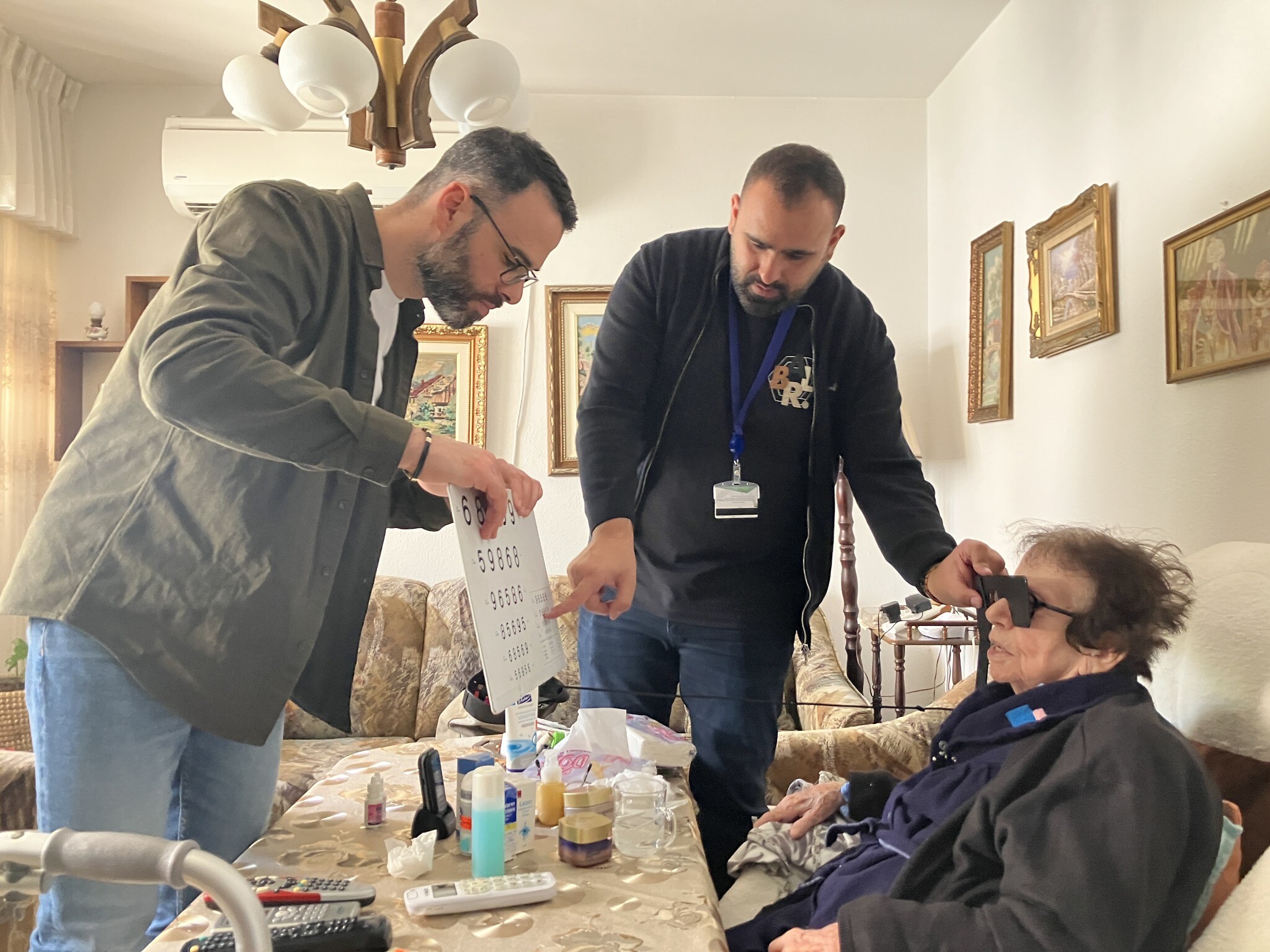
The organization has eye doctors, for example, who pay house calls to examine Holocaust survivors in their homes. A call center, opened in November 2020, is staffed by medical students to answer questions.
The organization is supported by the Claims Conference, private donors, and funds from Israel’s National Insurance Institute.
LeMa’anam’s private transportation system has carried out over 5,000 medical transportations of Holocaust survivors from the periphery to specialists in the center — with each such trip being a “health event in itself,” Katz said, as the physical exertion, mobility issues and other complications involved in traveling to a medical specialist could endanger the patient’s life absent the organization’s assistance.
“On International Holocaust Remembrance Day, it is important to say that our responsibility to Holocaust survivors does not end with memory and commemoration,” Katz said. “It is tested by our ability to ensure survivors have accessible, continuous, and respectful medical care.”
He urged all Holocaust survivors and people familiar with their situation to call the organization if they have nobody to take them to medical appointments.
“If there’s a geographic or digital barrier, we will do our utmost to help so that survivors don’t give up on medical treatment,” Katz said.









The Times of Israel Community.