

Tiny Kibbutz Holit, a desert oasis gutted on Oct. 7, competes for attention – and donations
The once-lush community near south Gaza lost 10% of its residents in the Hamas onslaught, but with larger locales taking the limelight, funds are hard to find for the recovery it has begun
 Add ToI as a Preferred Source on Google
Sue Surkes is The Times of Israel's environment reporter
HOLIT — A small, still-evacuated Gaza border community faces an uphill struggle for rehabilitation funds following the bloody Hamas onslaught on October 7, 2023, in which a tenth of its residents were murdered.
Of the other four communities still displaced from their homes after two years of war, the kibbutzim of Be’eri, Kfar Aza, and Nir Oz are prominent in the public eye because of their huge losses and the number of hostages who were abducted from them. (The fifth is Kibbutz Kissufim).
Isolated Holit, which lies near the borders of the southern Gaza Strip and the Egyptian Sinai, only had 150 residents when dozens of gunmen invaded and murdered 15.
Per capita, this put it on a par with Kibbutz Be’eri, which lost 102 out of 1,000 residents, or one in 10. In all, the thousands of invading Hamas-led terrorists slaughtered some 1,200 people in southern Israel, most of them civilians, and abducted 251 to the Gaza Strip.
Like its neighbors, Holit also saw abductions.
Avital Aladjem was kidnapped with the two young children whose mother, Adi Vital-Kaploun, was murdered in front of them. Aladjem and the two orphans managed to escape together back to the kibbutz after being momentarily left alone during a forced march to Gaza.
Four members of the Bedouin Ziyadne family, from the community of Ziyadne, near Rahat, were kidnapped from the Holit dairy where Youssef Ziyadne, 53, and his son Hamza, 22, had worked. Aisha and Bilal Ziyadne, then 17 and 18, were released by Hamas in November 2023, along with the bodies of two of Holit’s foreign workers. Youssef and Hamza were killed in captivity. The IDF recovered their bodies in January.
At Be’eri, a strong and wealthy kibbutz that retains the old cooperative model, the building of new homes to replace those destroyed on October 7 continues apace, as can be seen from Route 232, which passes by. A kibbutz spokesperson told The Times of Israel it was not “appropriate” to tour the construction until the remaining dead hostages had come home. (Of the two deceased hostages still held in Gaza, Sudthisak Rinthalak, a Thai agricultural worker, was murdered at Kibbutz Be’eri, and a police officer, Master Sgt. Ran Gvili, was killed battling Hamas terrorists in Kibbutz Alumim.)
At Holit, by contrast, the first foundations for 10 new units will only be driven into the sandy ground over the coming fortnight, with construction of an additional four currently delayed because of disagreements within families.
A precarious economic situation
Holit was established in its current location in 1982, along with nearby Kibbutz Sufa.
With many of its residents involved in education or farming, it was always in a precarious economic situation, depending almost entirely on agriculture.
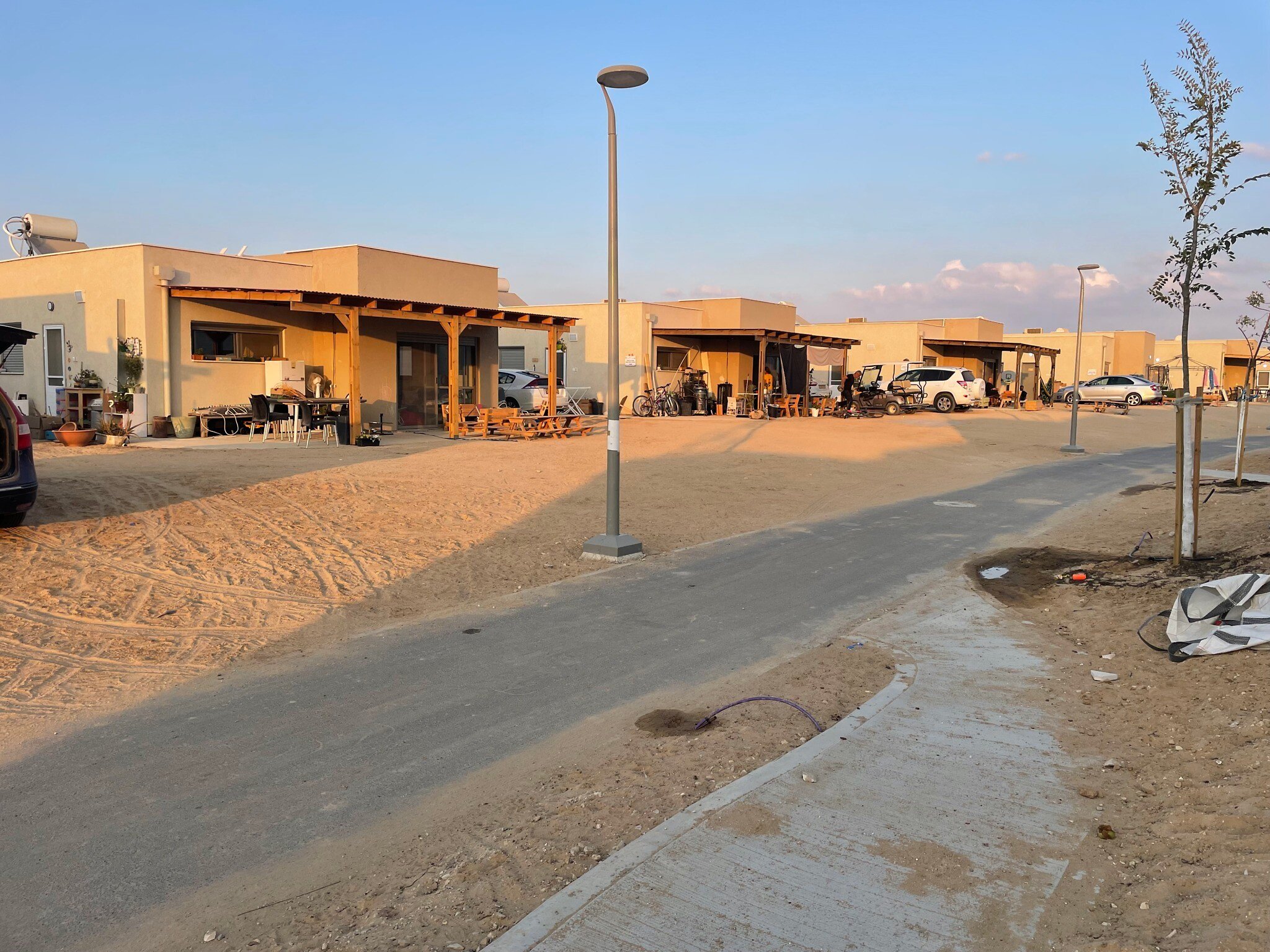
It was the first kibbutz to self-evacuate on October 7, moving first to a hotel in Kibbutz Ein Gedi. Around two-thirds of the population then went onto temporary accommodation in southern Kibbutz Revivim, with a third moving to central Rehovot and a few scattered elsewhere.
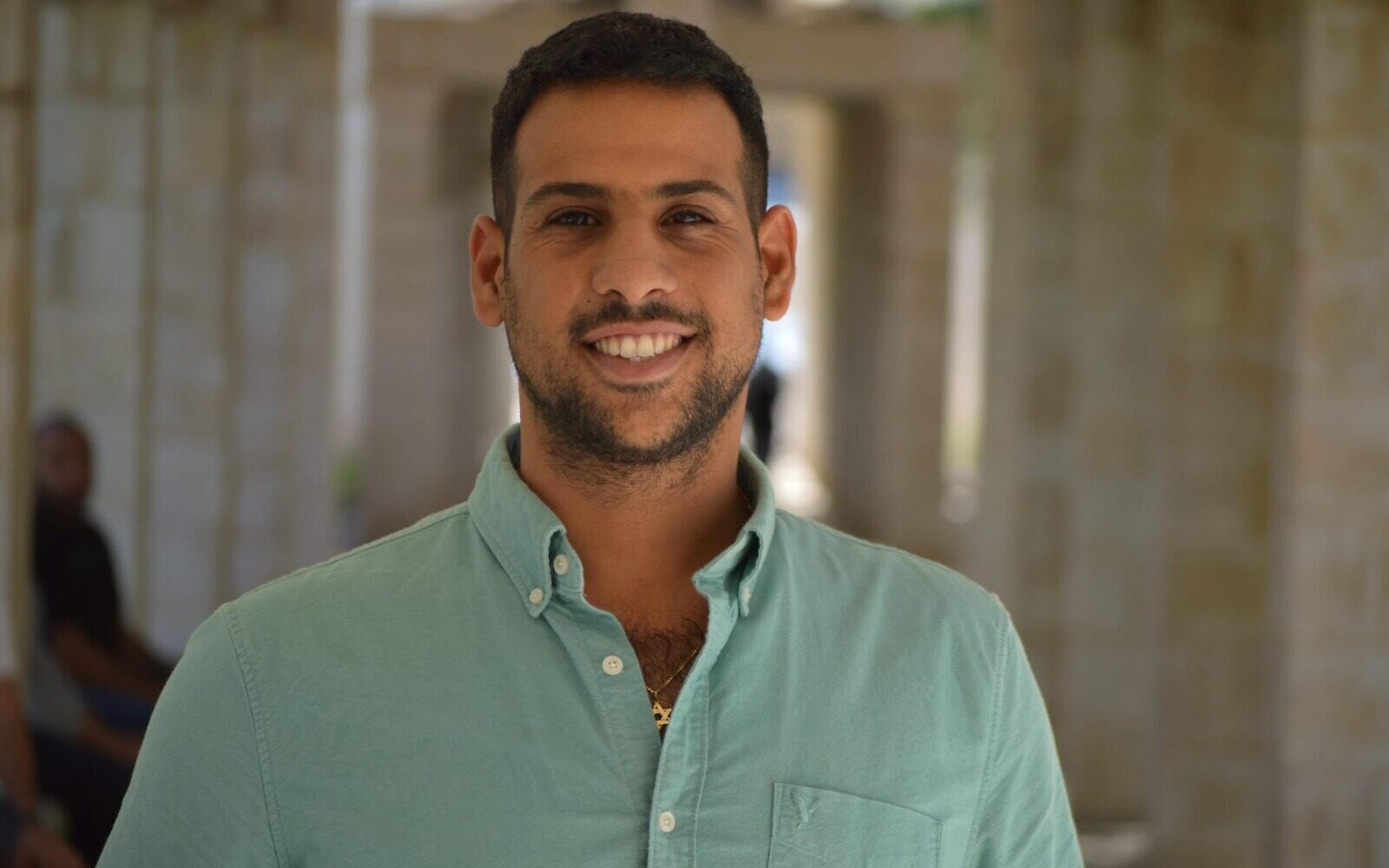
“The community wasn’t ready to talk about Holit, never mind physical rehabilitation, until we’d completed the move to Revivim,” said kibbutz member Aviad Bashari, who is liaising between the kibbutz and the state body charged with rehabilitating the Gaza border communities, the Tekuma Directorate.
Every public building in Holit was damaged to some extent, as were most residential ones, Bashari said.
Varying levels of repair and renovation are underway on more than 100 residential units, home to 73 households.
Of the most badly damaged homes — over half of them set on fire by the marauding Hamas terrorists — 14 have been demolished.

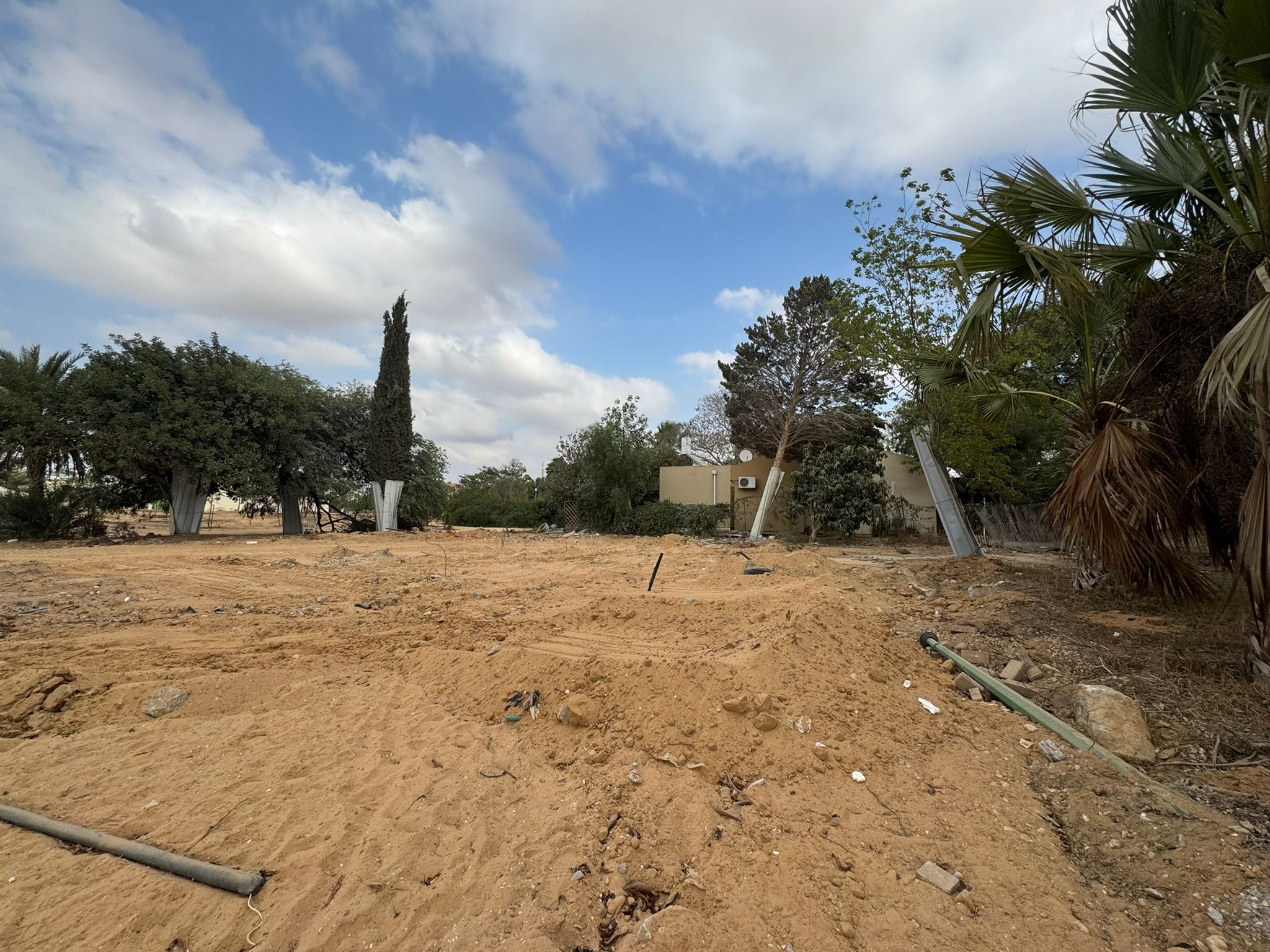
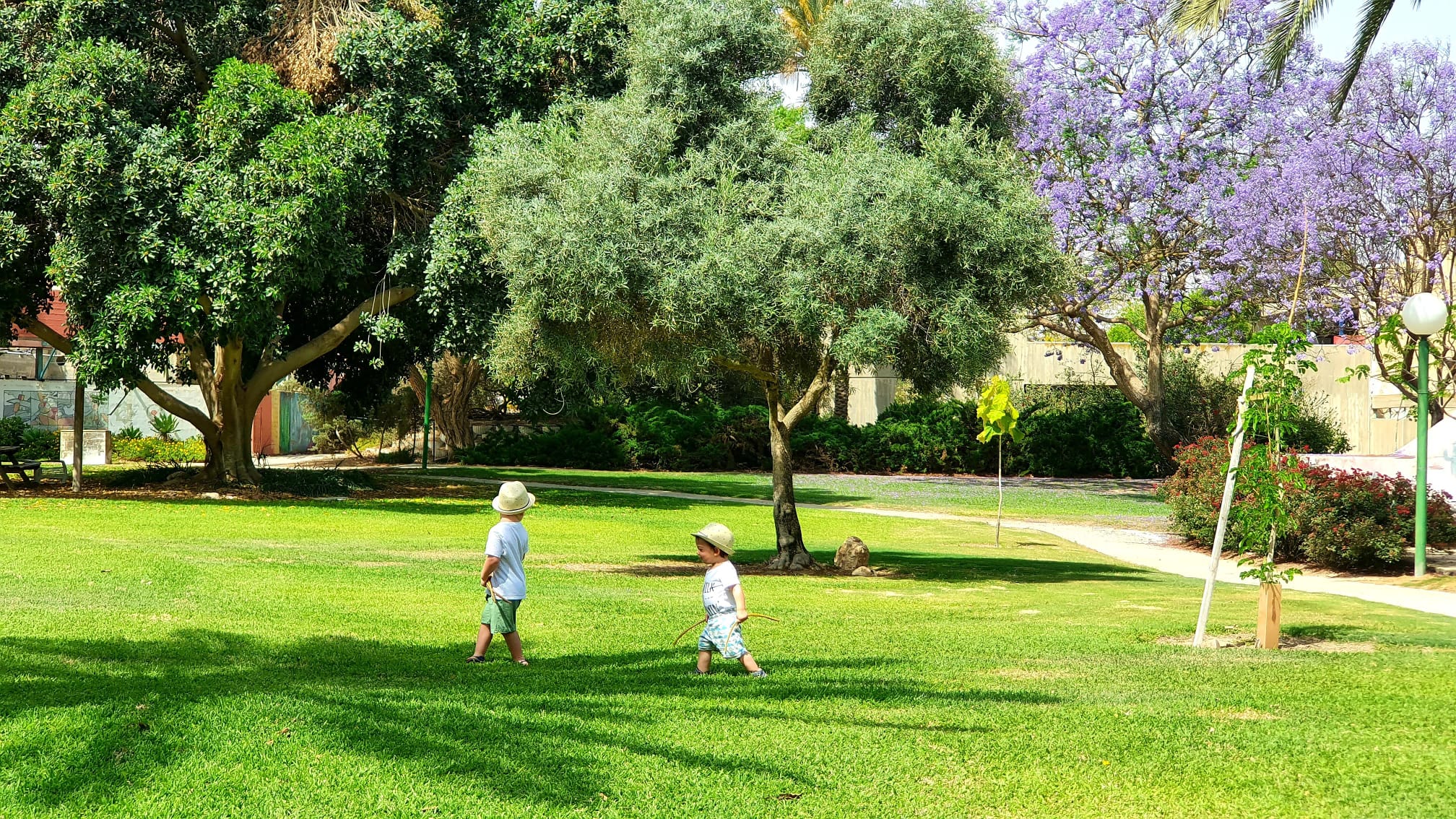
Given the lack of irrigation, most of the ground in Holit, once lushly landscaped with lawns, trees, and plants, has returned to sand.
Bare areas indicate where buildings have been pulled down and new ones are scheduled for construction.
“It was an oasis in the desert here,” Bashari recalled. “People were even more occupied with the landscaping than with their homes.”
Bashari said it was often difficult to get families to visit or even talk about their homes after the experiences they had had on October 7.
“It can be hard enough for families to agree on the type of kitchen or floors, even without what happened,” he said.
“Now, even though there are funds and a timetable, some people are still frightened of coming to the house or packing stuff up to prepare it for repair,” Bashari said.
There are plans for kibbutz residents to return next July.
“You have pressure from the state [to rebuild and return], and you’re talking to people who people tried to burn alive. It all takes time. Because we haven’t rushed back, we have the privilege of being able to do it gradually and sensitively,” Bashari said.
The kibbutz started the physical rehabilitation process by bringing engineers and a surveyor to map the damage.
The process of community involvement began in January this year with the help of a community liaison professional funded by the Tekuma Directorate.
A series of consultations with individuals, kibbutz communities, and roundtables culminated in the approval of a kibbutz-wide program in April.
“We asked every resident what he or she thought was important, what would help them return home, and what would improve their lives in Holit,” Bashari said. “People wanted better security for the kibbutz, public buildings, and homes. We decided to give every house a steel entrance door, electric window blinds, and gunfire-resistant doors for the protected room. Before October 7, the kibbutz had been very open, and none of the public buildings had protection. From now on, they will be protected so that activities can continue when the security situation heats up.”
“The second main issue was education,” Bashari went on. “People wanted the building for informal education to be properly protected. They also wanted a building for early childhood education within the kibbutz. Previously, parents were often prevented from taking their children to frameworks out of the kibbutz for fear of being attacked from Gaza.”
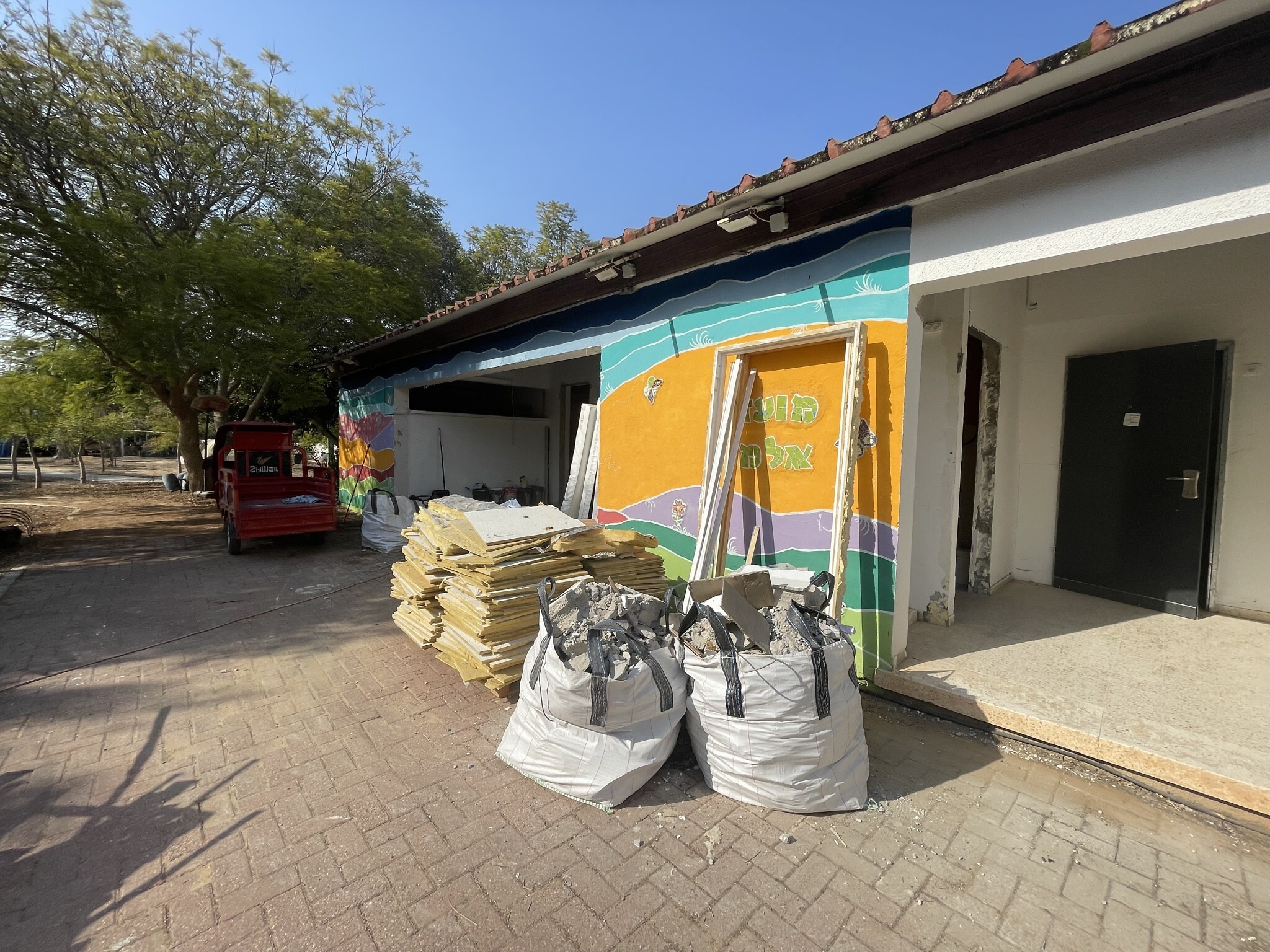
An early education complex with daycare and a kindergarten is currently under construction. The former was designed by Zarta Studios.
During this reporter’s visit, workmen were busy at the informal education center and were adding protected spaces to the former children’s houses, which serve participants in a pre-army training course.
Precarious economic situation
With no ability to maintain its agricultural pursuits since the Hamas onslaught on October 7, 2023, the finances of the community are severely compromised.
“We went into the reconstruction with a complicated economic situation, exacerbated by the economic harm caused by October 7,” Bashari said. “We’re a small, modest kibbutz, with relatively few people and few resources from the state. We were always fighting to survive. In farming, which accounted for 97% of our income, some years were good, some bad.”
“We knew that tens of millions of dollars would be needed, but we were terrified of spending money before we had it. The officials we spoke to understood the need for an advance, but couldn’t arrange one within the bureaucratic framework,” he said.
In December 2024, the Tekuma Directorate approved a budget of NIS 57 million ($17.7 million) for physical rehabilitation and transferred an advance payment. Another NIS 16 million (just under $5 million) came through a one-off government grant for the kibbutz to spend on construction or infrastructure.
Short of NIS 10 million ($3 million), Holit has been approaching donors to help with the public buildings and the security improvements to houses.
“People are used to doing everything by themselves. They are proud. One of the hardest things is to be in a position where you need to ask for help. But another million dollars could create miracles,” Bashari said.
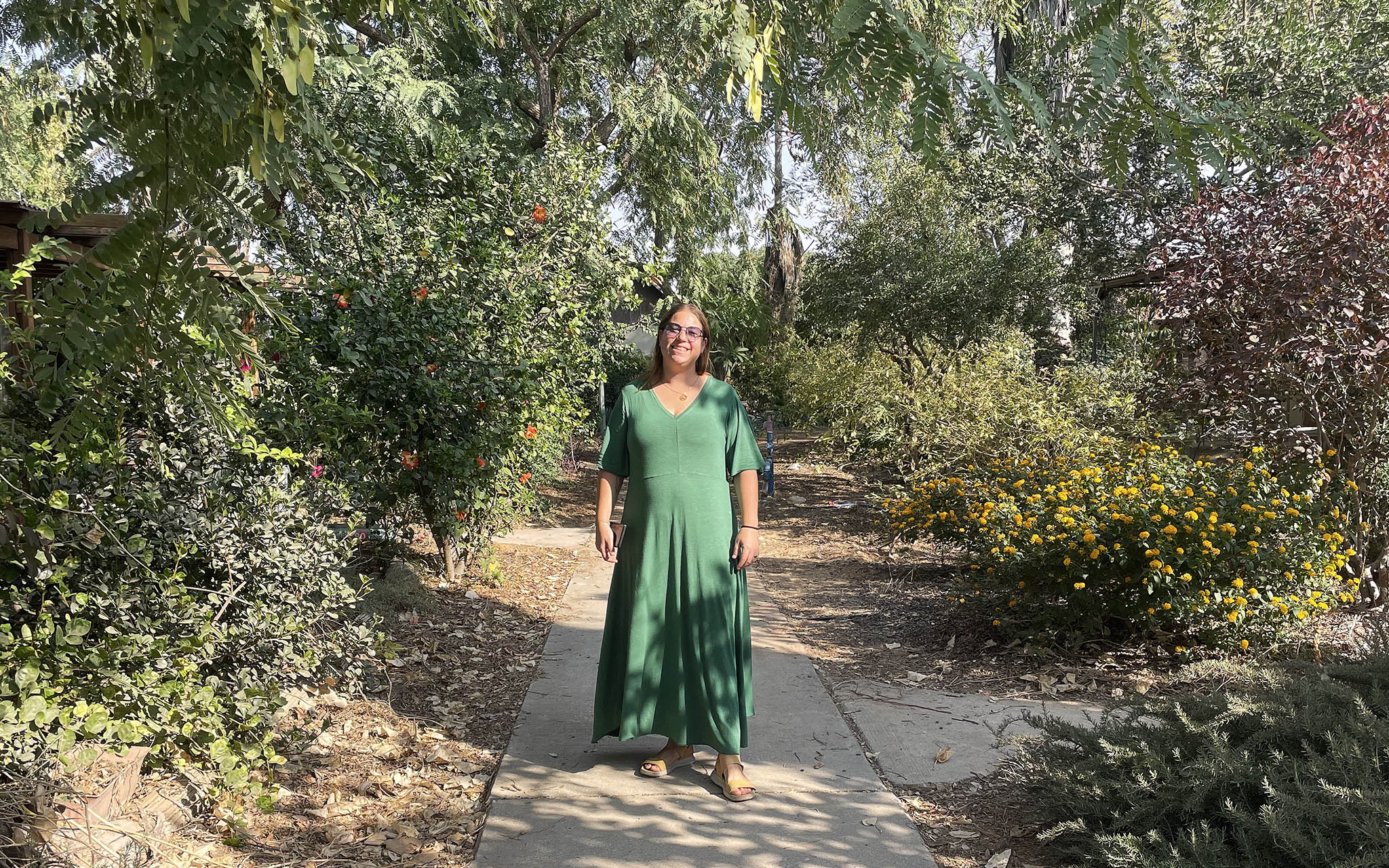
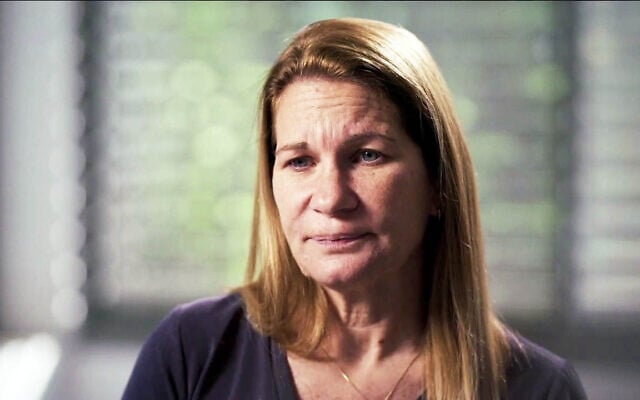
Nir Caspi, whose parents-in-law, Roland and Ronit Sultan, were murdered on October 7, said, “We’re small. People don’t understand what happened here. Donations automatically go to the kibbutzim people have heard of, and I’m not criticizing. For us, it’s harder to attract those funds. We have fewer stories to tell, and people here don’t want to be interviewed yet again.”
Asked how many would return, Caspi said, “That’s the big question. Despite what I expected, we are still unified and finding a way to rebuild ourselves.”
“But we are still in trauma,” she added. “Until we return and bring new people, we won’t be able to rehabilitate completely.”
Bashari remains optimistic.
With the state set on doubling the population of the Gaza border area to 120,000 people by October 7, 2033, the Tekuma Directorate is offering all the communities grants to construct new buildings for demographic growth.
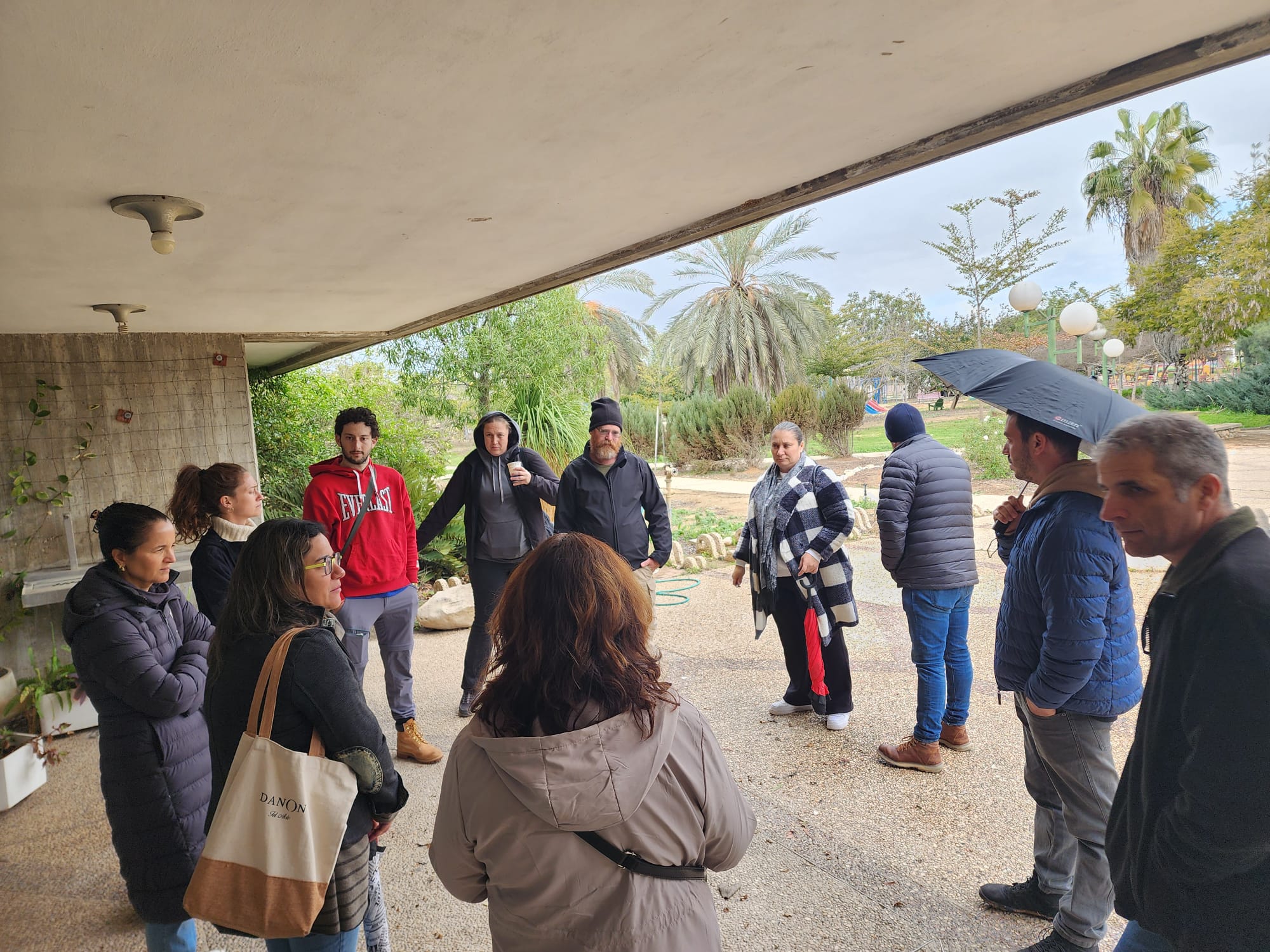
“We will get NIS 14 million [$4.4 million] toward what we estimate, before detailed planning, will cost us NIS 32 million [$10 million] to build 28 new residential units for sale and rent,” Bashari said.
He hoped that a further six already completed homes in a new 12-home neighborhood finished shortly before October 7 would be occupied by summer.
To improve financial security, Bashari has formulated a strategic plan with Deloitte to increase and diversify Holit’s economic base.
“It’s all going to plan,” Bashari said, noting interest from a factory in moving to Holit, installation of solar energy facilities to boost energy security, and the planned establishment of a logistics center to service companies outside.








The Times of Israel Community.