

Israeli and Syrian ministers meet for 1st time since 2000, in US-facilitated dialogue
Barrack says goal of Paris meeting was ‘de-escalation, and we accomplished precisely that’; Dermer said to represent Israel and al-Qaeda fighter-turned Syrian FM represents Sharaa
 Add ToI as a Preferred Source on Google
Lazar Berman is The Times of Israel's diplomatic reporter
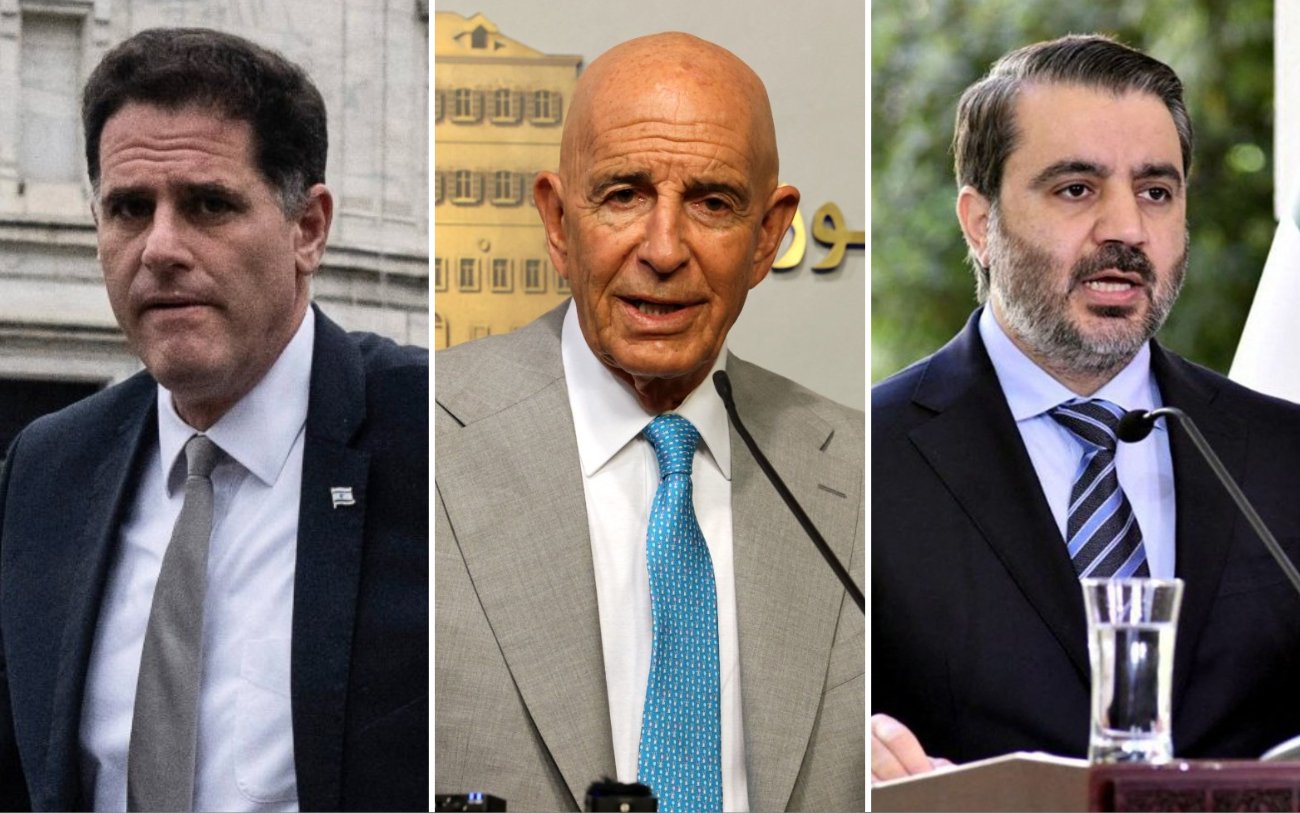
Israeli and Syrian officials met in Paris on Thursday together with US special envoy Tom Barrack, the latter announced, in what appeared to be the first time such a sit-down between officials from Jerusalem and members of the new government in Damascus was publicly confirmed.
“I met this evening with the Syrians and Israelis in Paris. Our goal was dialogue and de-escalation, and we accomplished precisely that. All parties reiterated their commitment to continuing these efforts,” Barrack tweeted late Thursday. There was no immediate confirmation from either Syrian or Israeli officials.
While the two sides have held indirect talks in recent months aimed at warming tensions, and there have been reports of quiet in-person meetings between Syrian and Israeli officials, those were never confirmed by either side.
Barrack didn’t specify who participated in the Thursday sit-down, but the Axios news site reported that Strategic Affairs Minister Ron Dermer represented the Israeli side and that Foreign Minister Asaad al-Shaibani headed the Syrian side.
The last time such senior Israeli and Syrian officials met was in 2000 when then-US president Bill Clinton hosted then-prime minister Ehud Barak and then-Syrian foreign minister Farouq al-Sharaa in West Virginia for peace talks.
Saudi media reported on Tuesday that Israel and Syria resumed dialogue on security matters in the wake of deadly sectarian clashes that saw the Israeli strike in Damascus and Syria’s southern Sweida province last week.
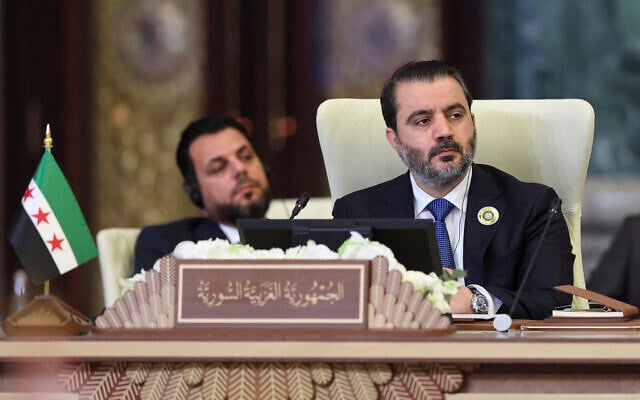
According to the Saudi channel Al-Hadath, the talks are being mediated by Turkey and the United States, and an Israeli delegation is expected to travel soon to Baku, Azerbaijan, to finalize understandings with Syria.
However, the report also said Israel is not currently committing to halt its strikes in Syria and is demanding a demilitarized zone along the border, as well as a permanent presence in the buffer zone that the military seized after the fall of Bashar al-Assad’s regime in December.
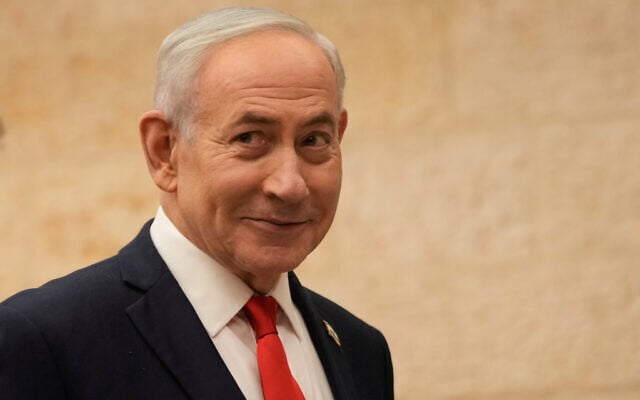
Dermer, a top adviser to Prime Minister Benjamin Netanyahu, was also expected to meet US special envoy for the Middle East Steve Witkoff on Thursday night in Rome, but that meeting is unlikely to take place after Israel and the US called their negotiators back from Gaza ceasefire talks in Doha.
Netanyahu, meanwhile, met in Jerusalem on Thursday with Sheikh Muwaffaq Tarif, the spiritual leader of Israel’s Druze community.
Prior to the strikes last week, Israel and Syria were in “advanced talks” for a deal to halt hostilities, with the Trump administration also pushing the two sides toward full normalization of diplomatic relations.
Israel intervened in Syria’s sectarian conflict earlier this month on behalf of the Druze, who are seen as a loyal minority within Israel and often serve in its military.
Israel accused Syria’s interim President Ahmed al-Sharaa’s forces of complicity in deadly attacks by Bedouin tribes against the minority group in the country’s southern Sweida governorate. The week of fighting appeared to end with a ceasefire negotiated by Washington and announced on Saturday.
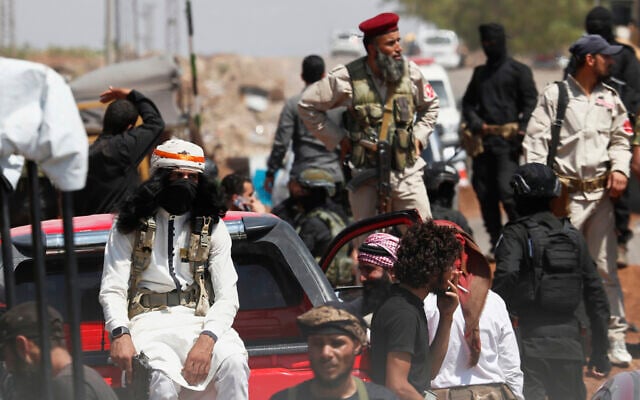
Though his own fighters have roots in al-Qaeda, including Shaibani, Sharaa has promised to protect members of Syria’s many sectarian minorities. But that pledge has been challenged, first by mass killings of members of Assad’s Alawite sect in March, and now by the latest violence in the southwest.
On Monday, White House press secretary Karoline Leavitt said Trump was “caught off guard” by the Israeli strikes in Syria.
The comment came after several US officials were anonymously quoted in the Axios news site expressing their frustration with Netanyahu, arguing that Israeli strikes on Syrian government forces risked toppling the fledgling regime that Washington is trying to support to stabilize the country.
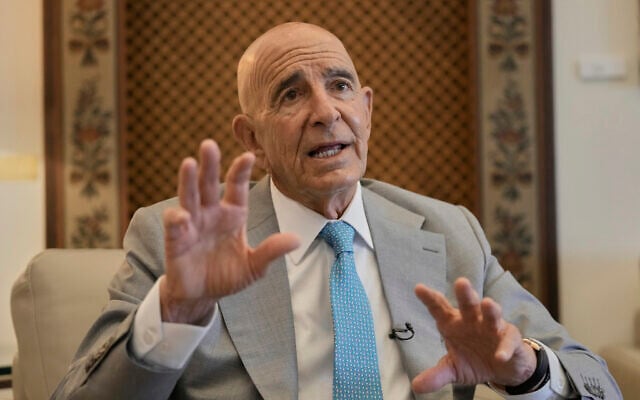
Barrack on Monday also criticized Israel’s intervention in Syria, saying that it was poorly timed and complicated efforts to stabilize the region.
Syria’s interim government has requested Turkey’s support to strengthen its defense capabilities, Turkish officials said Wednesday, following the violence.
The defense ministry officials, who spoke on condition of anonymity according to procedures, said that Syria has also sought assistance to combat “terrorist organizations,” including the Islamic State jihadist group.
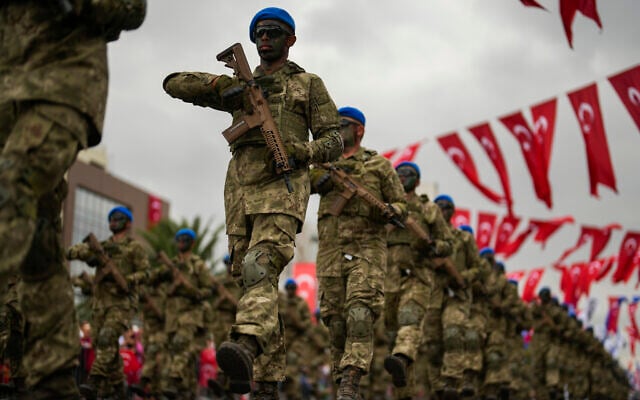
Turkey was working toward providing training, advisory services and technical support to help strengthen Syria’s defense capacity, the officials added. Syrian officials could not be immediately reached for comment.
Turkey was believed to provide assistance to Syrian rebels fighting Bashar al-Assad, the country’s ousted leader. Now, it is a prominent supporter of the government headed by Sharaa. It has been seeking a defense agreement with Damascus that could reportedly include establishing Turkish military bases on Syrian territory.
Wednesday’s news means that Ankara will likely be stepping up its presence and activity in Syria.
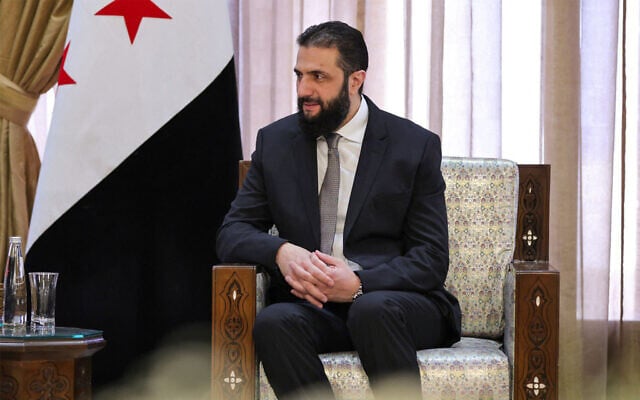
In April, Israel struck five cities in Syria, including more than a dozen strikes near a strategic air base in the city of Hama, where Turkey reportedly has interests in having a military presence. Israel accused Turkey of trying to build a “protectorate” in Syria.
That same month, Turkey and Israel held talks on creating a deconfliction mechanism in Syria that would avoid clashes between the two countries. They reportedly reached an agreement following a month of talks.
Turkey has vocally criticized the recent Israeli strikes, with Foreign Minister Hakan Fidan claiming Tuesday that Israel wants a divided Syria. Turkish President Recep Tayyip Erdogan, long a harsh critic of Israel, accused it last week of using the Druze minority in Syria as a pretext for expanding into the war-torn country.
Syria and Israel have been opposing sides of the conflicts in the Middle East for decades, including direct and often bitter combat.
Agencies contributed to this report.




The Times of Israel Community.