

Ukraine’s Zelensky tests positive for coronavirus, is feeling ‘good’
42-year-old leader says he’ll self-isolate and continue to perform duties; head of his office also contracts COVID-19
 Add ToI as a Preferred Source on Google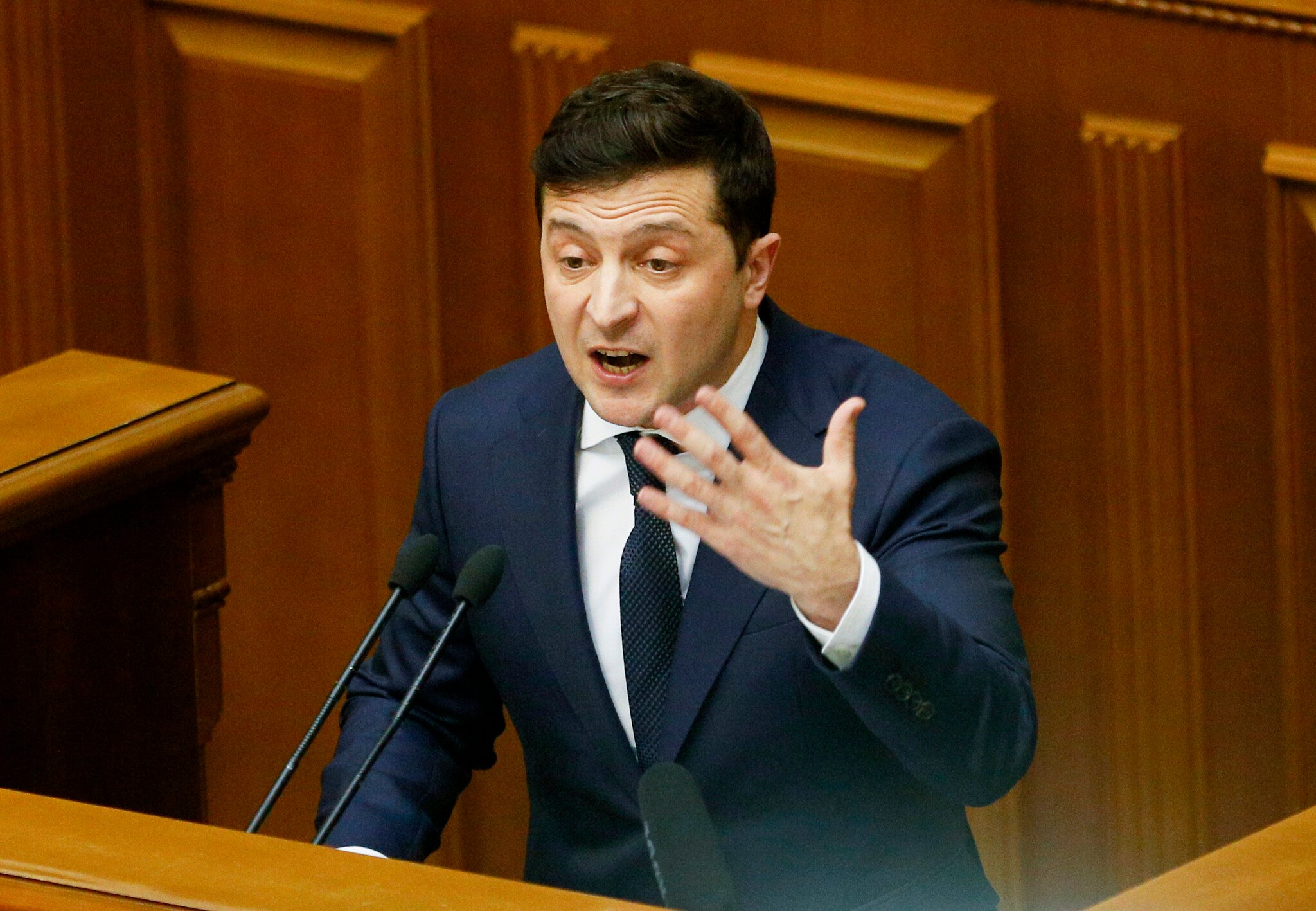
KIEV — Ukrainian President Volodymyr Zelensky said Monday that he tested positive for the novel coronavirus, but felt fine as infections surged in the country.
“Despite all quarantine measures, I also had a positive test,” Zelensky said on Facebook.
The 42-year-old leader said that his temperature was 37.5 C, but that he felt “good.” He will self-isolate and continue to perform his duties, he added.
“Most people overcome COVID-19. And I will get through this too,” he said.
The head of Zelensky’s office Andriy Yermak also said that he had contracted the coronavirus.
In June, Zelensky’s wife Olena Zelenska was hospitalized after contracting the virus, and has recovered.
On Saturday, the ex-Soviet country of 40 million people reported a record 10,746 new coronavirus infections.
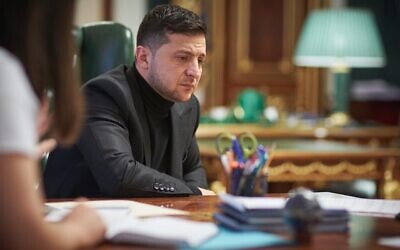
Ukraine, one of Europe’s poorest countries, last week imposed fines on people who refuse to wear face masks in public places.
Officials have repeatedly criticized the general public for ignoring social distancing rules and other anti-virus restrictions, threatening to reintroduce a lockdown that was lifted in June.
In a bid to halt the spread of the virus, the country is considering whether to introduce a partial lockdown on weekends, with only essential businesses such as grocery stores allowed to remain open.
Since the start of the pandemic, Ukrainian officials have reported more than 469,000 coronavirus cases and 8,565 deaths across the country.
Zelensky is the latest in a long line of world leaders to contract the virus, including US President Donald Trump, British Prime Minister Boris Johnson, and President Andrzej Duda of Ukraine’s neighbor Poland.








The Times of Israel Community.