

US hits Iran with new sanctions over rights abuses as nuclear talks flounder
Move targets government officials, organizations involved in repression of protesters and political activists, as well as prisons where activists were held in brutal conditions
 Add ToI as a Preferred Source on Google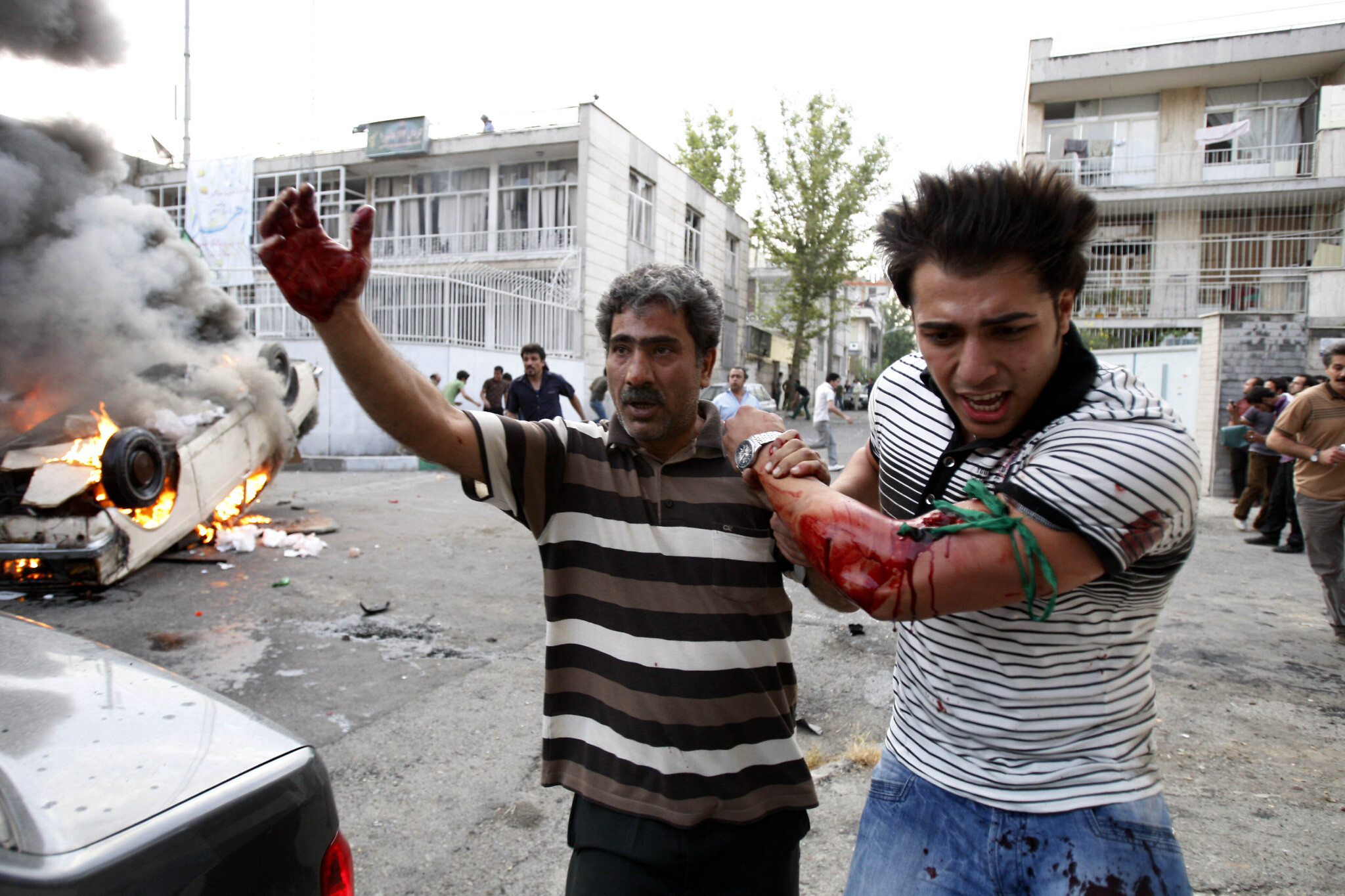
WASHINGTON — The United States slapped fresh sanctions on a dozen Iranian officials and entities for “serious” human rights abuses Tuesday, days after nuclear talks with Tehran halted with no sign of progress.
The sanctions announced by the US Treasury and State Department targeted government officials and organizations involved in the repression of protesters and political activists, and prisons where activists have been held in brutal conditions.
The Treasury also placed several Syrian officials on its sanctions blacklist for their roles in political repression and chemical gas attacks, and Uganda’s military intelligence chief was hit with sanctions for extreme abuse of people arrested for their nationality or political beliefs.
The announcement came ahead of the Washington-hosted Summit for Democracy later this week, billed as a push to promote more free and open societies.
“The United States is committed to promoting democracy and accountability for those who abuse human rights around the world,” said US Secretary of State Antony Blinken in a statement.
“The United States will utilize its full range of tools to highlight and disrupt these abuses of human rights,” he said.
Commander of the Special Unit of Iran's Police Hassan Karami, said that his country will dispatch 7500 troops to #Iraq aim at securing the Iraqis' celebrations of #Arbaeen, the 40th day since the martyrdom anniversary of Imam Hussein.
???? pic.twitter.com/L9l09LI7J2— Mete Sohtaoğlu (@metesohtaoglu) October 8, 2019
The Iranian sanctions singled out officials and entities involved in brutal crackdowns on protests in 2009 and 2019, including Hassan Karami, the commander of the LEF Special Units which are focused on crowd control and protest suppression, the Treasury said.
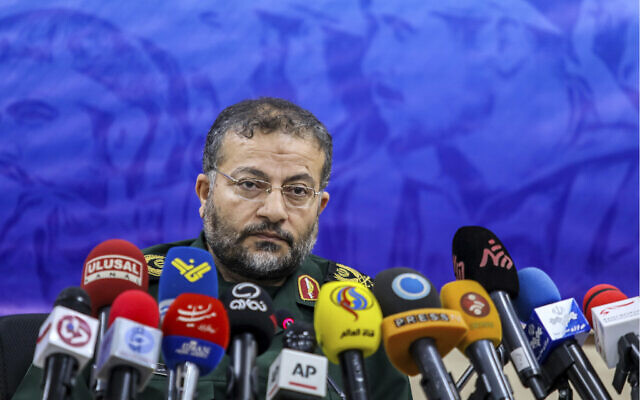
Also named was Gholamreza Soleimani, who commands the Basij, the country’s Islamic militia also involved in deadly crackdowns in 2009 and 2019.
The Syrians blacklisted included two air force major generals, Tawfiq Muhammad Khadour and Muhammad Youssef Al-Hasouri, who the Treasury said were responsible for chemical gas attacks that killed numerous civilians in 2017 and 2018.
The Ugandan hit with sanctions was the commander of the Chieftaincy of Military Intelligence, Major General Abel Kandiho.
People arrested by Kandiho’s bureau “were subjected to horrific beatings and other egregious acts by [military intelligence] officials, including sexual abuse and electrocutions, often resulting in significant long-term injury and even death,” the Treasury said.
The US Treasury “will continue to defend against authoritarianism, promoting accountability for violent repression of people seeking to exercise their human rights and fundamental freedoms,” said Andrea Gacki, head of the Treasury’s sanctions office.
Earlier this week, Iran repeated its claim that the US refusal to lift all sanctions on Tehran was the main obstacle to a potential nuclear deal.
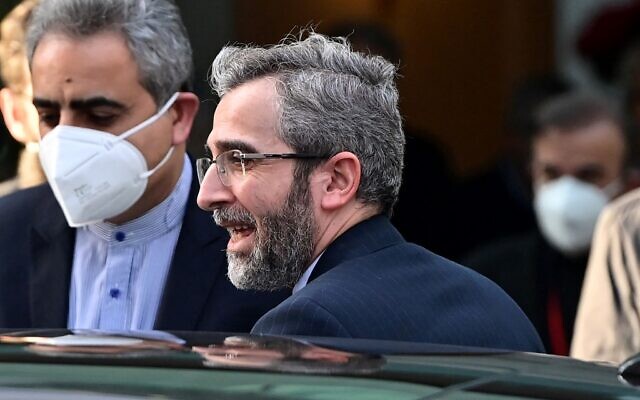
Nuclear negotiations in Vienna came to a halt on Friday with Western countries saying Iran had come to the talks with unrealistic proposals.
“We believe that a deal is within reach if the US government gives up its campaign of maximum pressure and the European parties show serious flexibility and political will in the talks,” an unnamed Iranian official was quoted as saying by Iran’s Tasnim news agency, according to Reuters.
The landmark 2015 nuclear accord — initially agreed upon by Britain, China, France, Germany, Russia, the US and Iran — began unraveling in 2018 when then-US president Donald Trump pulled out and reimposed sanctions, while Iran began to publicly breach the deal.
Times of Israel staff contributed to this report







The Times of Israel Community.