

Why draft-dodger detentions are doing little to keep ultra-Orthodox from evading the IDF
Those caught ignoring enlistment orders can only be jailed for a short time; critics claim many exploit mental health exemptions, reducing enforcement to a ‘revolving door’

Sam Sokol is the Times of Israel's political correspondent. He was previously a reporter for the Jerusalem Post, Jewish Telegraphic Agency and Haaretz. He is the author of "Putin’s Hybrid War and the Jews"
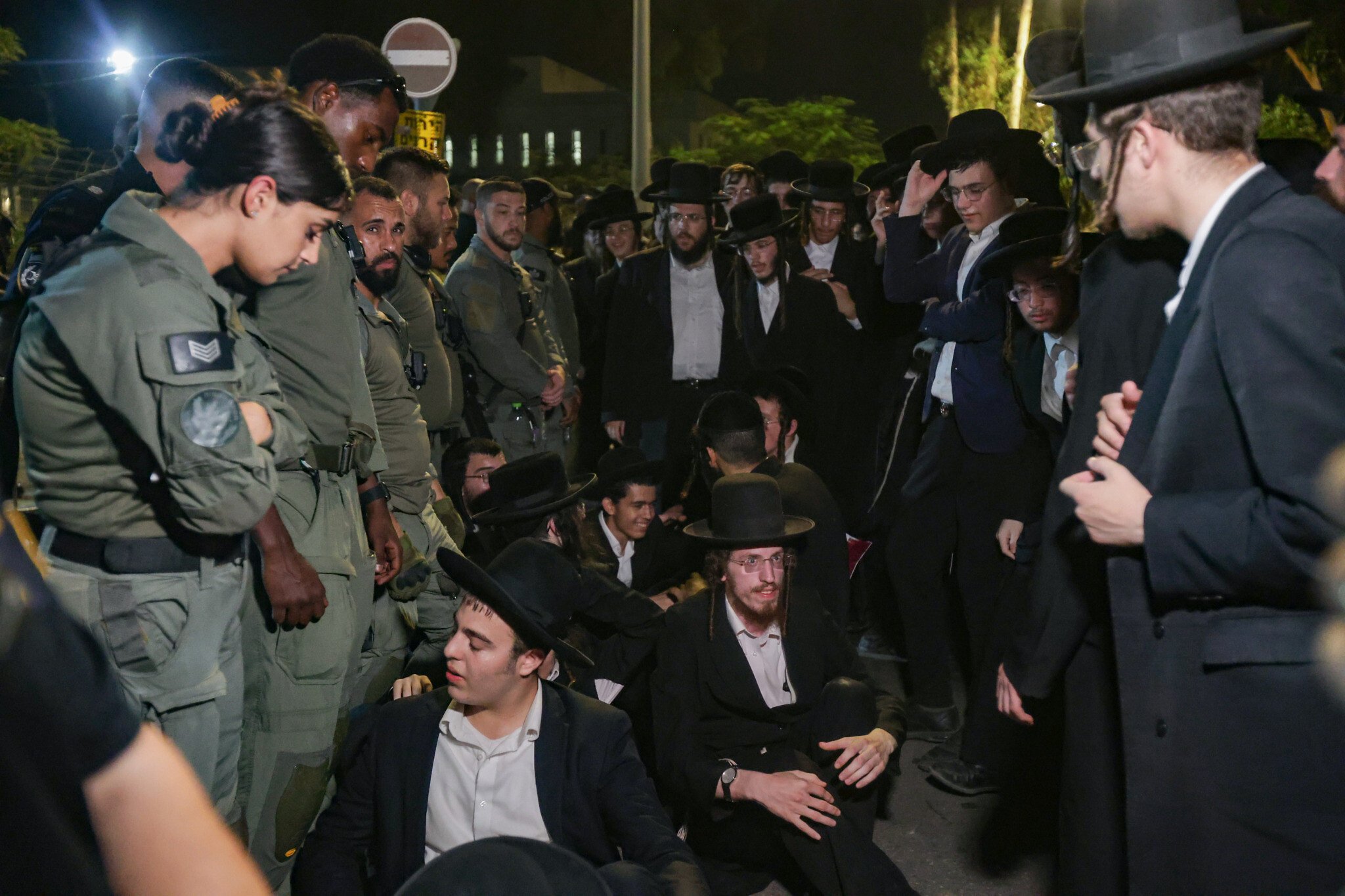
Testifying before the Knesset State Control Committee in mid-September, the head of the IDF’s Personnel Directorate dismissed the military’s efforts to crack down on ultra-Orthodox draft dodgers as ineffective.
According to Maj. Gen. Dado Bar Kalifa, a recent wave of arrests —including dozens of yeshiva students on their way to Uman for the annual Rosh Hashanah pilgrimage — had failed to boost enlistment numbers “because we have loopholes the size of gates in a fence.”
“There are psychiatrists and an army of lawyers who arrange what is called ‘the exemption,'” Bar Kalifa complained. “You’ve invested all your resources but delivered nothing.”
Some 80,000 ultra-Orthodox men between the ages of 18 and 24 are currently believed to be eligible for military service, but have not enlisted. The IDF has repeatedly said it is short 12,000 recruits, citing the strain on standing and reserve forces caused by the war in Gaza and other military challenges.
A new set of principles submitted Thursday by Knesset Foreign Affairs and Defense Committee chairman Boaz Bismuth claims to advance a resolution of the long-festering issue, but critics say it perpetuates the problem.
Bar Kalifa’s statement was in line with previous testimony by senior IDF officials, who have repeatedly insisted that existing mechanisms are not built to deal with enforcement measures against mass Haredi draft evasion and that additional sanctions must be imposed if any progress is to be made.
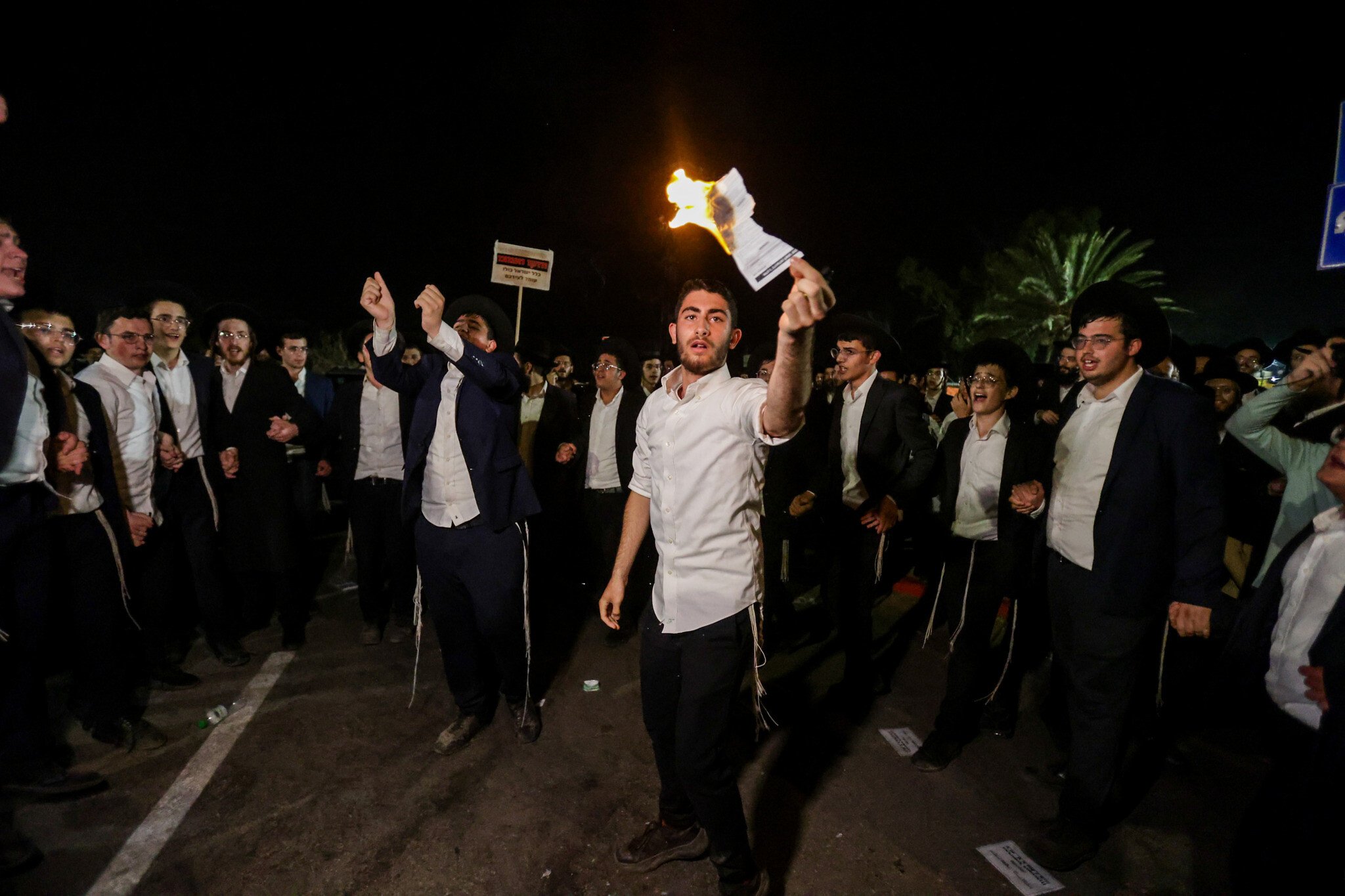
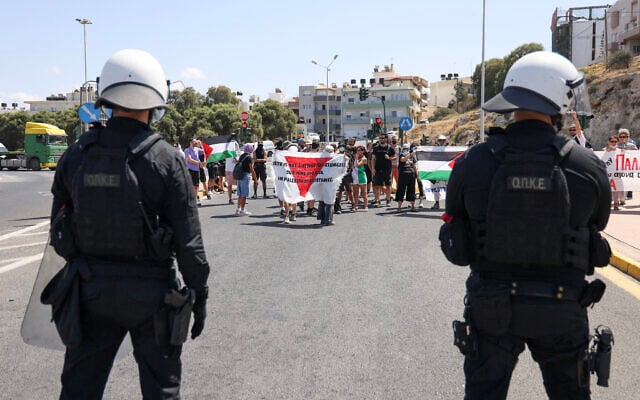
The increase in detentions has led to a concomitant spike in anti-enlistment protests by Israel’s ultra-Orthodox community, whose members had for decades enjoyed widespread exemptions from military service so long as they studied full-time in yeshiva — until a High Court decided that the free passes were illegal.
Haredi leaders say military service is a threat to their way of life and would keep ultra-Orthodox men from studying Torah as well as threaten them with secularization.
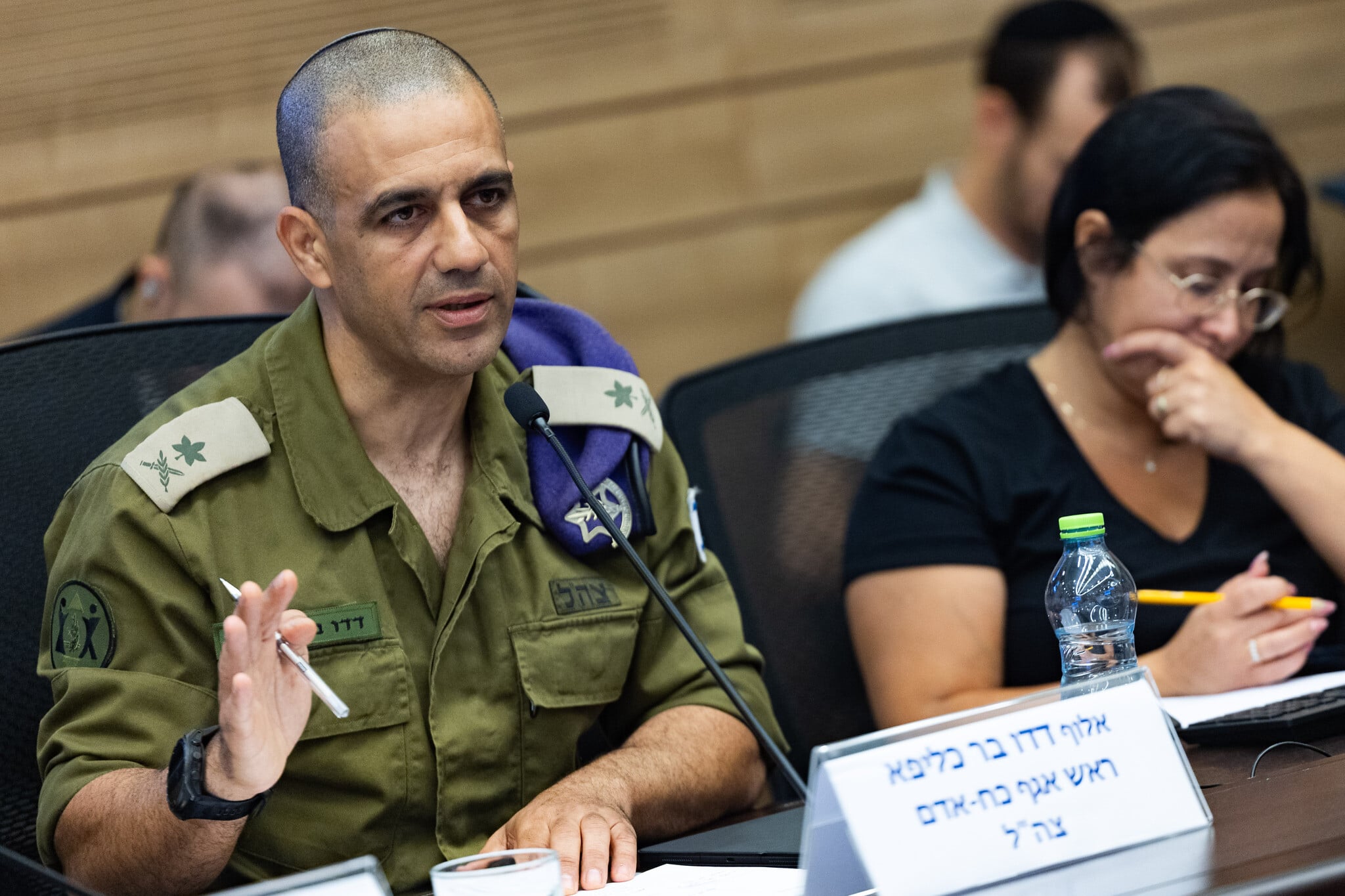
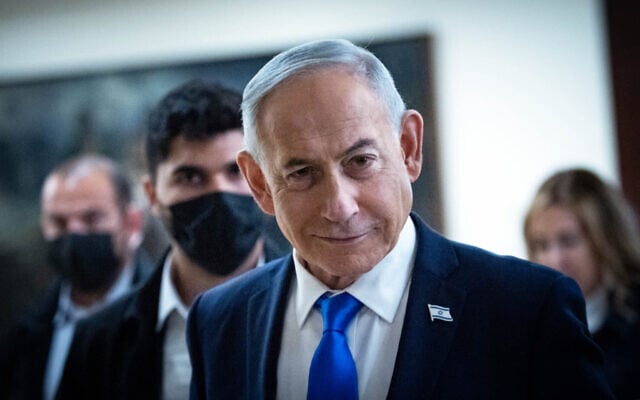
The loss of the exemptions has led the Haredi political leadership to exert massive political pressure on Prime Minister Benjamin Netanyahu to pass legislation effectively re-instituting the previous status quo and shielding the arrangement from the High Court.
Few politicians outside of the Haredi community support the exemptions, leaving Netanyahu’s Likud party to try to formulate a compromise that meets ultra-Orthodox demands while also having at least some part of the Haredi world share in the burden of military service.
In July, the United Torah Judaism party left Netanyahu’s coalition after being presented with a copy of a proposed enlistment bill prepared by then-Knesset Foreign Affairs and Defense Committee chairman Yuli Edelstein, which it argued had violated the terms of a supposed compromise reached in June.
Shas, the other major Haredi party backing Netanyahu, followed UTJ in quitting the government, but has stayed in the coalition and kept it from collapsing.

Bismuth, who replaced Edelstein, is reportedly now pushing a bill with weaker sanctions that would slowly raise the number of Haredim conscripted annually so that within five years, 50 percent of the annual Haredi draft cohort will join the IDF.
However, the coalition’s rhetoric regarding the bill has raised questions as to whether or not it will actually increase enlistment, with Communications Minister Shlomo Karhi stating on Sunday that “an understanding has formed, both among the ultra-Orthodox and the general public, that those who study will continue to study, and those who do not will enlist.”
In the meantime the military has begun sending out tens of thousands of draft orders, most of which have been ignored. Meanwhile, those arrested are only held in military prison for a short period — and when freed are often publicly welcomed home as heroes, with public celebrations and even receptions by senior rabbinic leaders.
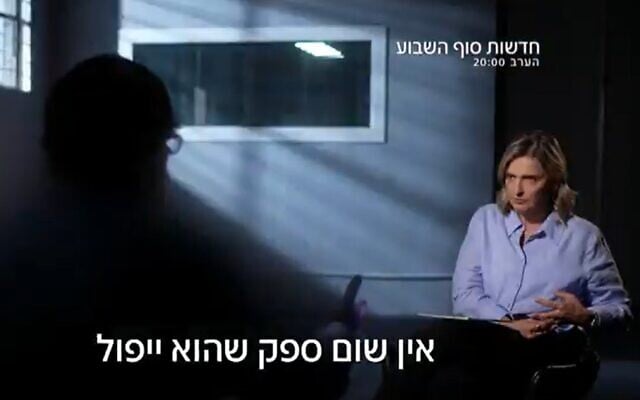
According to one Haredi man who recently served time in military prison who spoke with The Times of Israel on condition of anonymity, the prospect of a short stay in a military detention facility did not serve as a deterrent for those in his community looking to avoid conscription.
“Nobody’s really worried,” he said. “Nobody’s afraid.”
Sporadic enforcement
Like all other Jewish Israelis subject to the country’s mandatory draft, Haredi teens begin receiving notices from the military about a year before they graduate high school summoning them to a recruitment center to begin preparing for their eventual induction into the army.
If a potential conscript ignores three draft notices, they receive an immediate call-up order telling them to report to a recruitment center within 48 hours. If they still don’t show, the military declares them a “draft evader” and normally issues an arrest warrant, although traditionally these are rarely enforced.
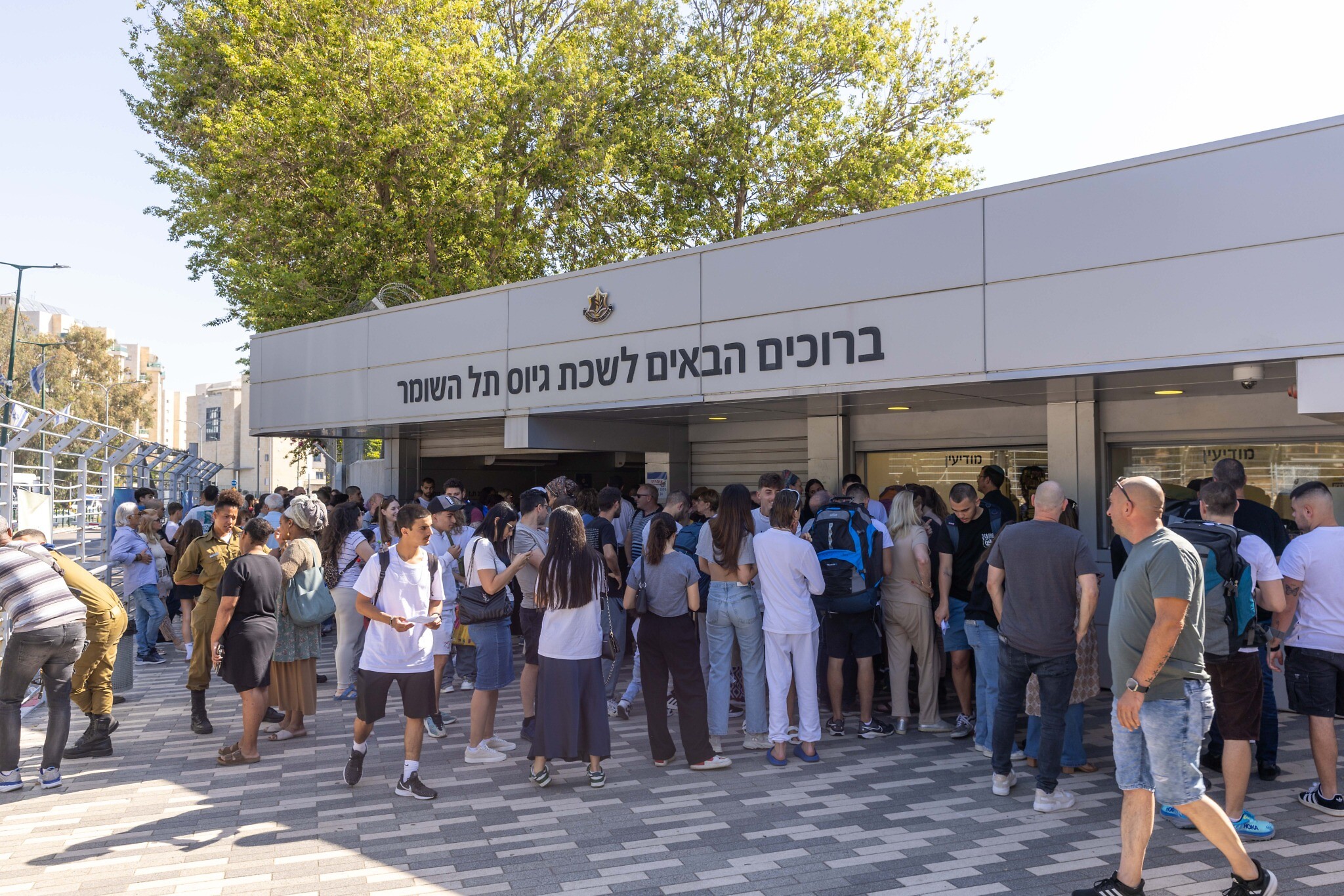
Recruits who go through the pre-draft process but fail to show up at induction centers on the day they are supposed to begin army service are also declared draft evaders.
If the potential conscript does not show up at an induction center within 30 days after being declared a draft evader, they will receive an order known as tzav 12, which means they are barred from leaving the country and can be arrested during any encounter with the police.
If arrested, evaders are tried by military tribunals and given a short sentence of anywhere between two weeks to a period of months.
Rav Lando dancing with a draft dodger while yeshiva students sing a song about the plots of the Jews’ enemies coming to naught pic.twitter.com/C7lcgtmkik
— Sam Sokol (@SamuelSokol) August 21, 2025
Afterward, they are usually brought to the central military induction base in central Israel to continue their induction process.
However, the army only inducts new recruits on certain days, meaning draft dodgers are often sent home until the next training cycle begins, allowing them to continue evading service.
“The army can’t just keep them locked up until basic training,” explained Col. (Res.) Ran Cohen Rochverger, the IDF’s former chief military defense counsel.
“Either they’re released, or they go to the induction base for a day or two and then disappear again, becoming deserters,” he said.
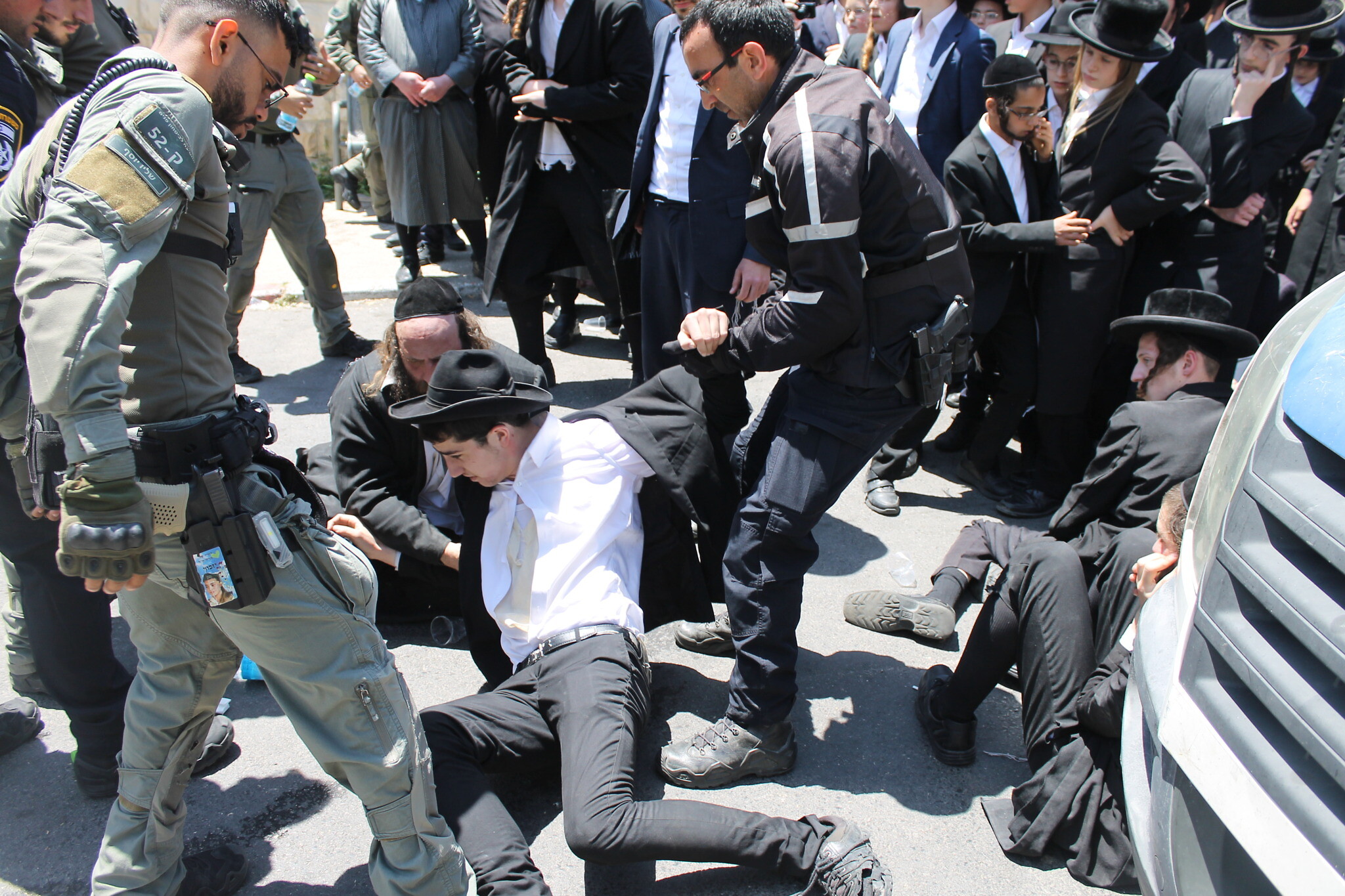
Rochverger said attempts are often made to slow down their induction process by claiming that they have serious physical or mental impediments making them eligible for an exemption, sometimes backed up by doctors’ notes.
“Until those are checked, you can’t send them straight to basic training. So the process takes time, and many exploit these gaps,” he said.
“It creates a revolving door, where some are caught multiple times, sentenced lightly, and still avoid service. Enforcement is sporadic, and the legal system wasn’t designed to fully lock them in.”
‘Psychiatrists and an army of lawyers’
There are some in the IDF who complain that there is “a whole civilian industry of lawyers and psychiatrists” helping draft dodgers, both religious and secular, obtain fraudulent exemptions on mental health grounds, a source familiar with the matter told The Times of Israel.
While traditionally these exemptions were sought by secular evaders, the number of Haredi men seeking this way out has increased in recent years.
According to a 2024 investigative report by Shomrim: The Center for Media and Democracy, “between 15 percent and 20% of ultra-Orthodox young men avoid military service on mental health grounds—three times the rate compared to the general population—with rabbis, intermediaries, and psychiatrists sometimes working together to circumvent the military system.”
In response to a recent request for data by Israel Hofsheet and the Movement for Freedom of Information on how many psychiatrists have signed documents attesting to potential recruits’ mental status, the IDF replied that it did not collect that information in any centralized manner.
A source confirmed that the IDF has neither the authority nor the capability to provide oversight of this industry.
Speaking with The Times of Israel, one military mental health officer said that while the army does not give an automatic pass to those claiming mental health exemptions, it is clear “that people abuse the system.”
The officer alleged that some in the army find it easier to turn a blind eye and give an exemption than to fight someone dead set against enlisting, especially when it comes to members of hardline anti-conscription groups, such as the ultra-Orthodox Jerusalem Faction.
“Meaning they have a sense that…if he’s not released now, then in two weeks, he’s going to have to be released on twenty other things, and they just don’t want to deal with the headache,” the officer said.
In addition, mental health officers are aware that a percentage of those seeking exceptions are faking but prefer to err on the side of caution rather than conscript somebody who may have legitimate psychological issues, the officer noted.
The Times of Israel was unable to find anybody who received a mental health exemption willing to speak for this article.
Home for the holidays
Ahead of Yom Kippur, the IDF approved the early release of a number of ultra-Orthodox draft dodgers, including several who had been detained after returning from Uman, in order to allow them to mark the fast at home.
It was the second such early release over a period of just two weeks, with another group having been sent home ahead of Rosh Hashanah.
The decision was met with anger by advocates of universal mandatory service, with Yisrael Beytenu chairman Avigdor Liberman tweeting that it was “shameful” that “while our fighters are defending the country on the front lines, deserters who were arrested receive a ‘Yom Kippur pardon.'”
שוחרר אסיר עולם התורה רפאל יצחקוב אחרי 17 יום בכלא הצבאי בעוון לימוד תורה. הוא התקבל בכבוד מלכים, בשירה וריקודים, ברחובות בני ברק pic.twitter.com/ZO7XdvJlYk
— משה ויסברג (@moshe_nayes) August 22, 2025
“The decision to release deserters from prison in order to ease their fast is a slap in the face to those who serve, to their families, to parents and to children, who will once again spend this Yom Kippur at home without their loved ones,” said Uri Keidar, the chair of the Israel Hofsheet religious freedom advocacy group.
“The IDF commanders responsible for this decision owe a direct apology to the serving public,” he added.
According to the IDF, most of those released were not Haredim and the decision to free them was made “without any intervention or influence from the political leadership.”
“IDF enforcement agencies have the authority to order the early release of soldiers who are in custody or in prison for the holiday, for a few days, provided that the conditions set forth in the regulations are met. This authority has been used for many years in an equal and uniform manner, and the claim that this is a unique initiative to release ultra-Orthodox deserters is baseless,” the military said in a statement.
Emanuel Fabian contributed to this report.




The Times of Israel Community.