

With end to housing subsidies, evacuated northern residents return home, still unsettled
Now focused on rehabilitation, residents in Dovev and Kiryat Shmona scramble to fund projects, reduce distress among elderly and youth — and try to stop the country from ‘shrinking’
 Add ToI as a Preferred Source on Google
Reporter at The Times of Israel
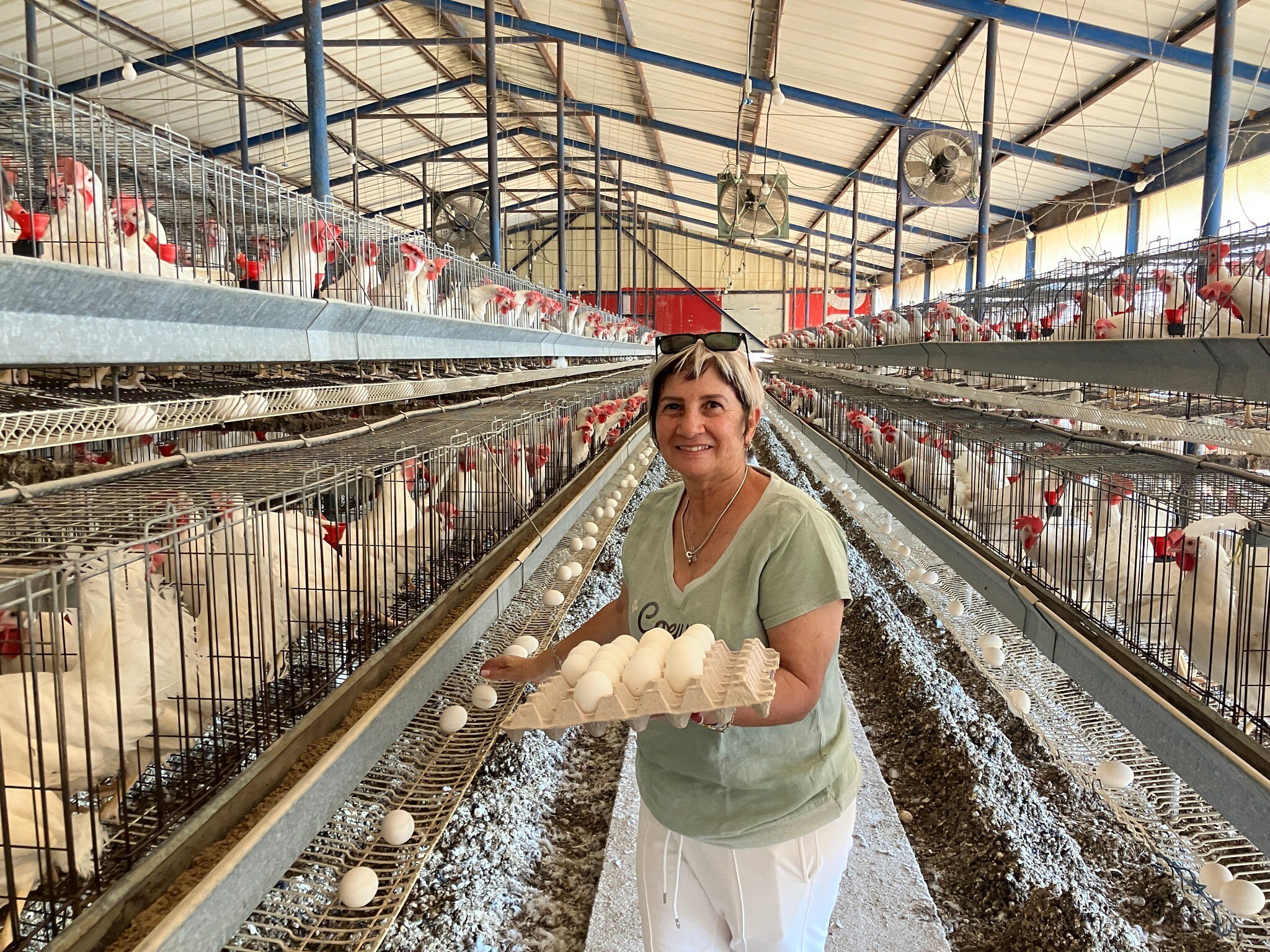
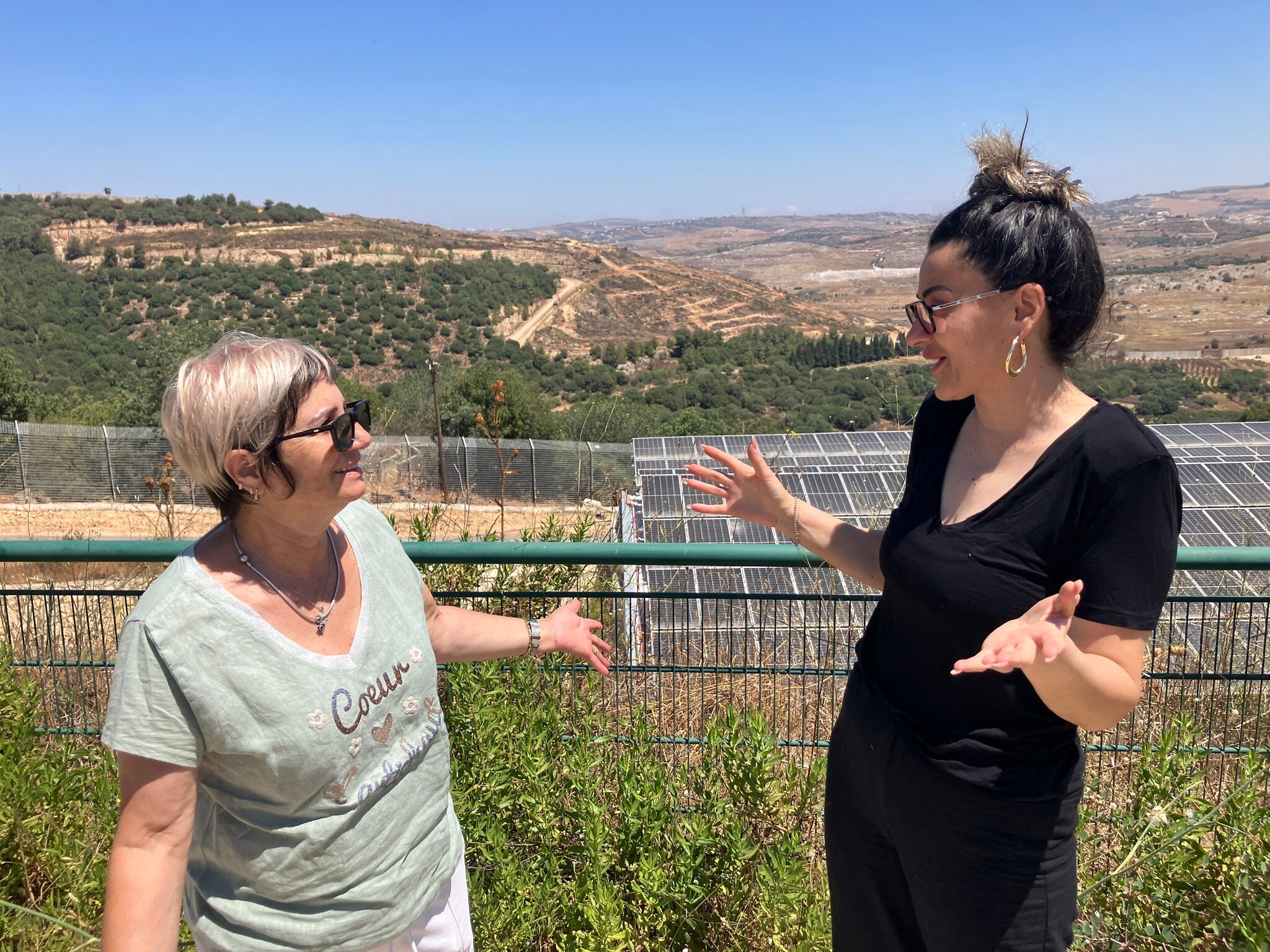
DOVEV — Marcel Vaknin and Etti Peretz stood at the Moshav Dovev observation point this week, only 700 meters (0.4 miles) from the border with Lebanon. They gazed out at Mount Hermon and the Lebanese village of Yaroun and dreamt of the future.
“I imagine there will be a café here, where we can sit and have a cup of coffee in the morning,” said Peretz.
“There will be picnic tables, a campsite, and binoculars,” added Vaknin.
Their pastoral vision belies the recent reality. The pair were evacuated from their homes following a rain of Hezbollah rockets and drones, which began on October 8, 2023, with the terror group saying it was acting in solidarity with the Hamas invasion of southern Israel the previous day. After the decimation of Hezbollah leadership, intensive IAF airstrikes and an IDF ground campaign into southern Lebanon, a ceasefire was brokered on November 27, 2024.
Alongside Dovev, another 31 communities with a total of 60,000 residents were evacuated, homes battered during the 14-month war with the terrorist group Hezbollah. The official end of government housing subsidies for the evacuees was Monday, but since the November ceasefire, residents have been returning to their homes, not only to resettle, but also to rehabilitate the northern periphery.
“If we don’t strengthen the north, our community faces extinction,” Vaknin told The Times of Israel. “We’re not obligated to stay here. The government has to put resources into this area because if not, the country will shrink.”
It is now estimated that approximately 67 percent of the evacuees will return to their communities, said MK Ze’ev Elkin, speaking at the Knesset on June 25.
However, there is an ongoing delay in funding northern border communities, wrote State Comptroller Matanyahu Englman in a recent report.
Englman said that only 65% of the NIS 940 million ($269 million) allocated to these communities in May 2024 has been transferred. In August 2024, the government decided to reduce the budget by 14% to NIS 804 million ($230 million).
“This region of the country is collapsing,” said Benny Ben Muvhar, head of the Mevo’ot HaHermon Regional Council at the June 25 Knesset meeting.
Local initiatives to rebuild the north
With government funds still held up in a bureaucratic tangle, a number of nonprofit organizations have stepped in to help northern residents, including Coming Home, a project headed by Raya Strauss to support initiatives by local residents in 11 evacuated communities.
Vaknin and Peretz, along with two other Dovev residents, Moshe Amran and Malka Yakouti, teamed up to revitalize the agricultural moshav of 120 families.
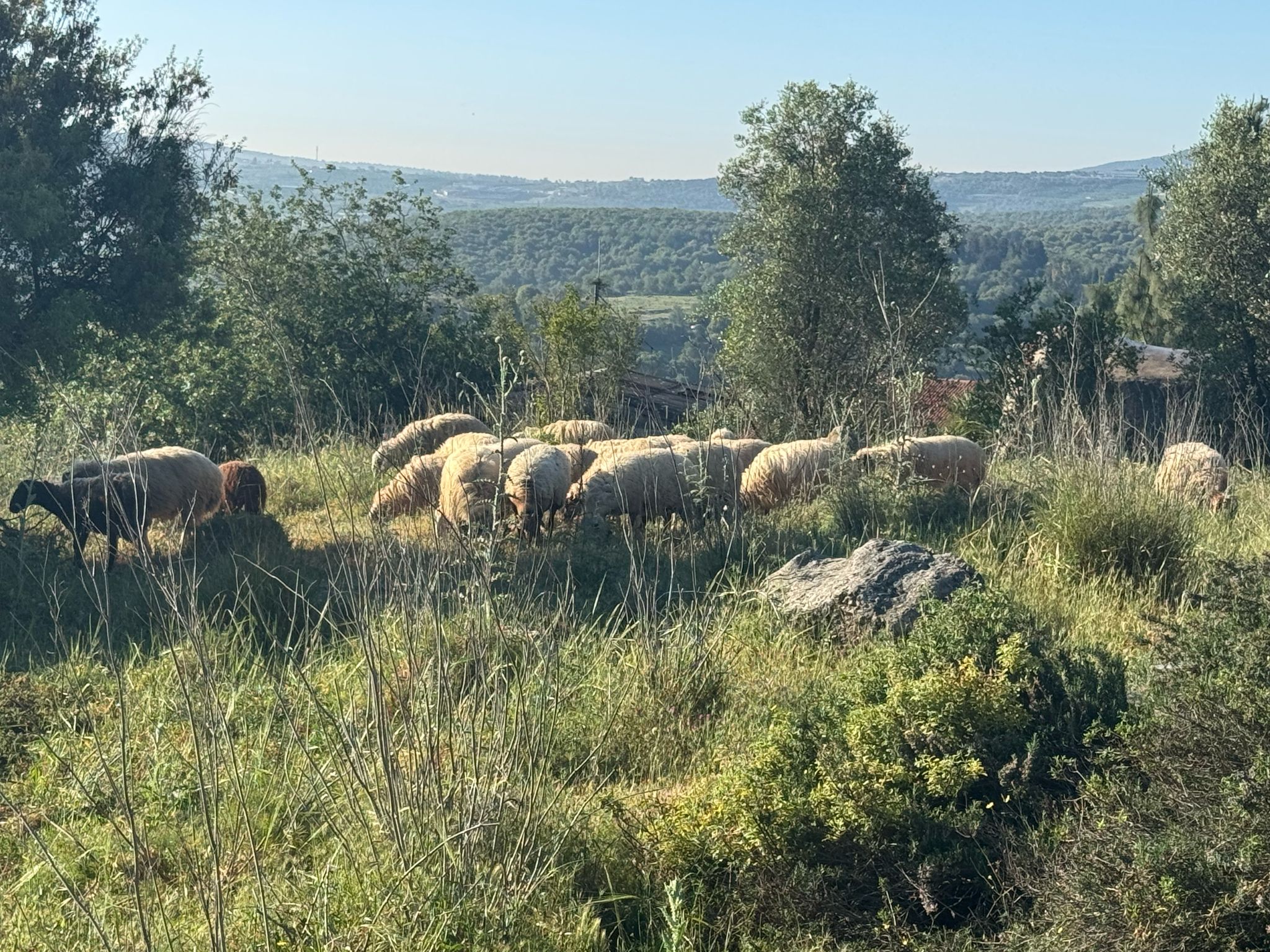
During the war, several community buildings were hit by Hezbollah rockets, including the youth center and synagogue. All but two families have returned to the pastoral moshav which sits on a hilltop along the Old Northern Road.

Vaknin said that she had the idea for the observation point when she was standing in front of her chicken coop in January, and a couple, touring the area with their children, stopped to ask for directions to the observation point, developed in 2006.
However, the couple returned a few minutes later because, after more than a year of war, the area was neglected and overgrown with weeds.
Instead, the family asked Vaknin if the children could help gather eggs in the coop. She realized that the chicken coops in the area could not only produce revenue from eggs but also be a draw for tourism.
The group has already begun to spruce up the observation site area. They have an adviser who is continuing to help them with the initiative, including fundraising. They hope to organize tours, have cooking classes and workshops on the culture of Jews from Morocco and Kurdistan who founded the moshav in 1958.
Increased tourism would give northern communities a new income stream — and hopefully more residents.
“People say they want to move here, but their first questions are about health and education and we have little to offer,” Peretz said. “Right now, we’re in a war for our existence.”
41% of Kiryat Shmona’s buildings damaged
About 38 kilometers (24 miles) away in Kiryat Shmona, just over a mile from the northern border, Avihai Sagron and Meital Zrihen, community managers in the city, stopped by to visit Carmela Cohen, one of the first of the city’s 24,000 evacuated residents to return home after the Hezbollah war ended.
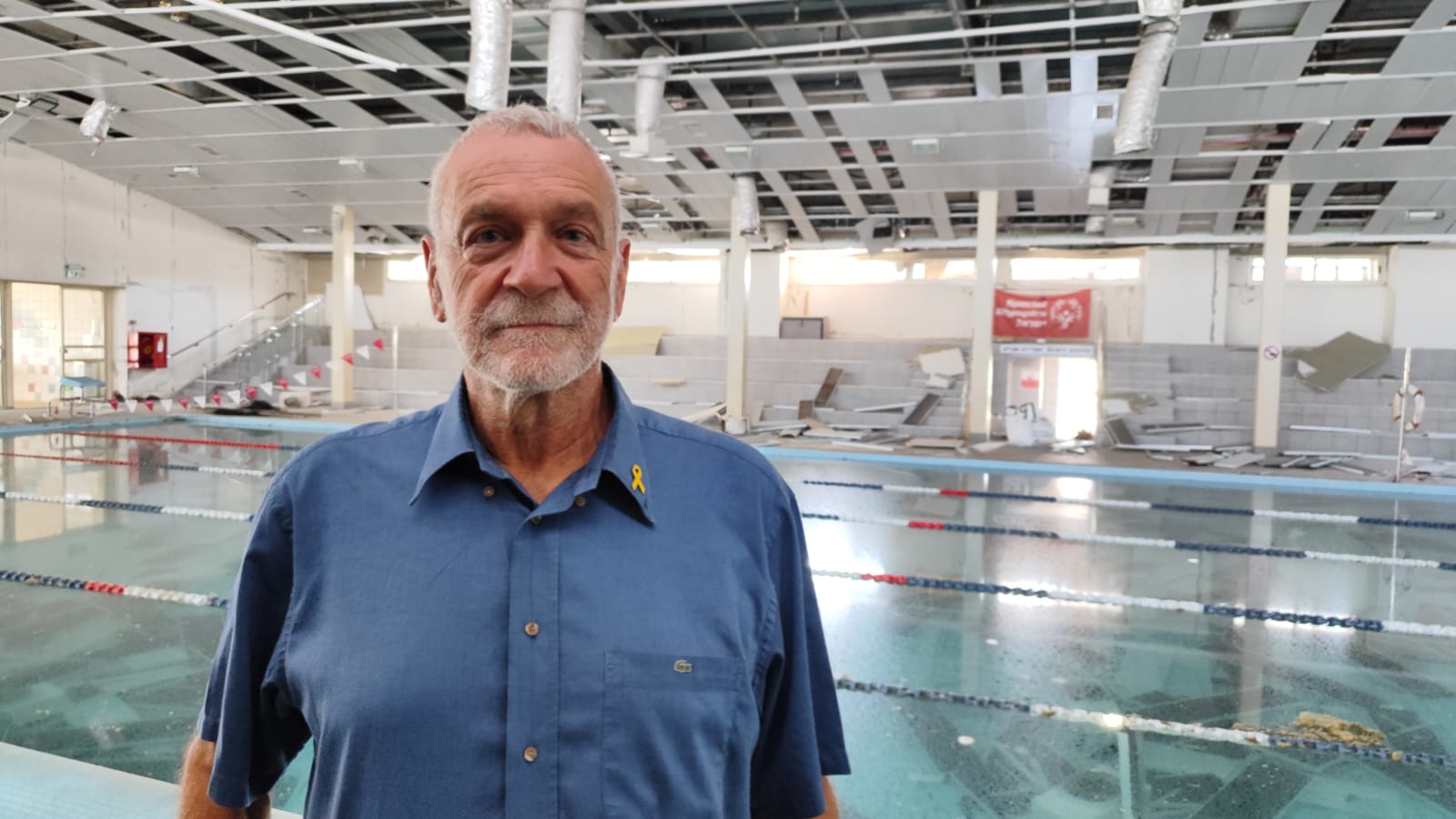
Some 41% of all the buildings in the city were damaged, including destruction to 300 houses that took direct hits.
On Wednesday, the Israeli military said it carried out several raids in southern Lebanon, locating and destroying Hezbollah weapon depots and other infrastructure. Since the November 2024 ceasefire, the IDF has remained deployed to five strategic posts inside southern Lebanon.
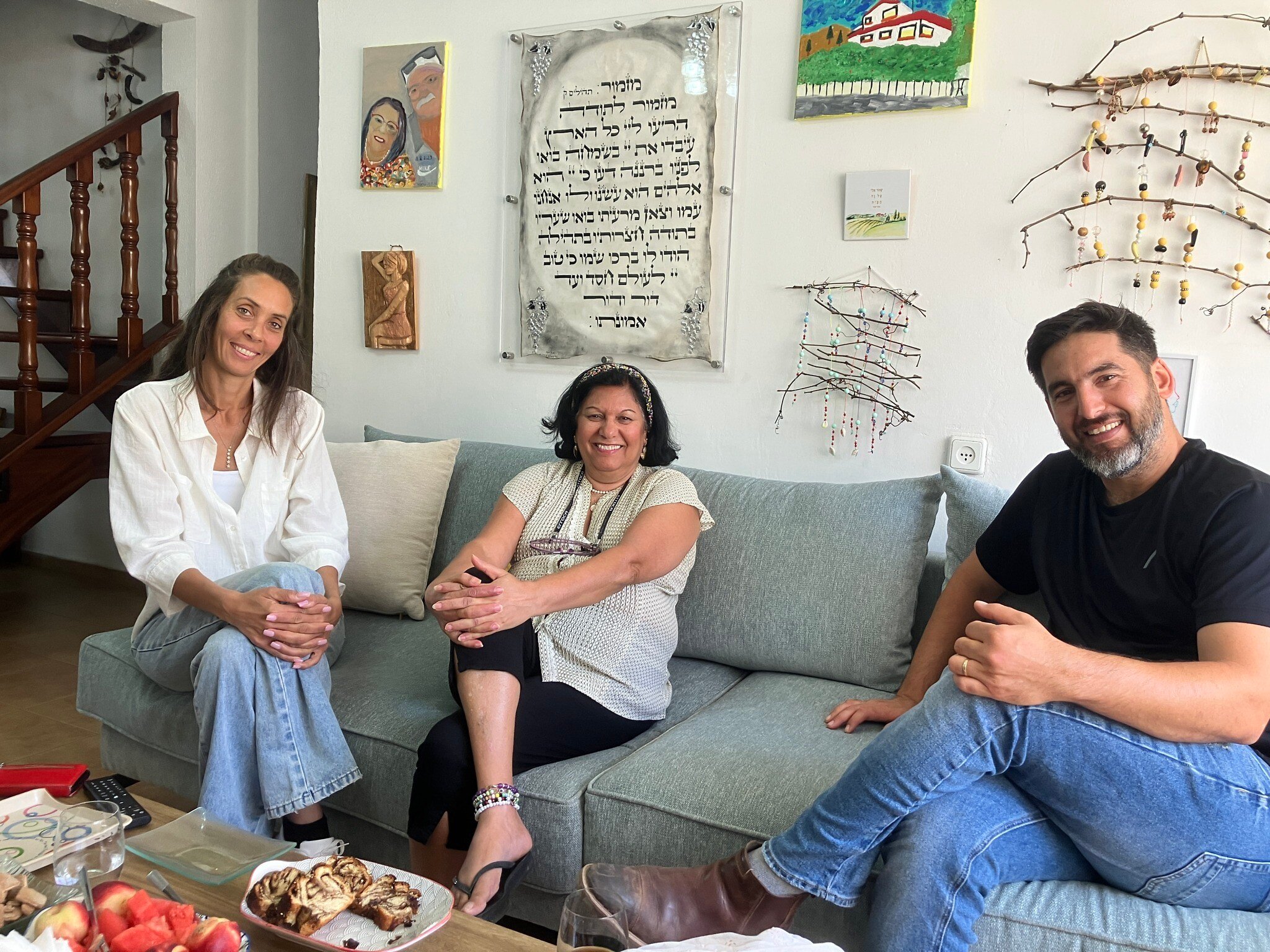
Sagron, a reserve soldier, said that despite the recent incursions, he believes there will be peace with Lebanon and Syria, and Kiryat Shmona will be a tourist hub, “like Eilat is to the Sinai.”
During the war, Sagron was part of a team of city workers responsible for keeping track of the city’s residents, scattered in 400 hotels and 500 communities around Israel.
“The elderly had difficulties,” Sagron said. “The youth were lost.”
Away from home, some students stopped attending classes at their new schools. Sagron said the city now sponsors cultural activities to give them things to do in the evening, as well as classes and lessons to help students catch up on their studies.
“There is a huge gap between students here and students in the center of the country,” he said.
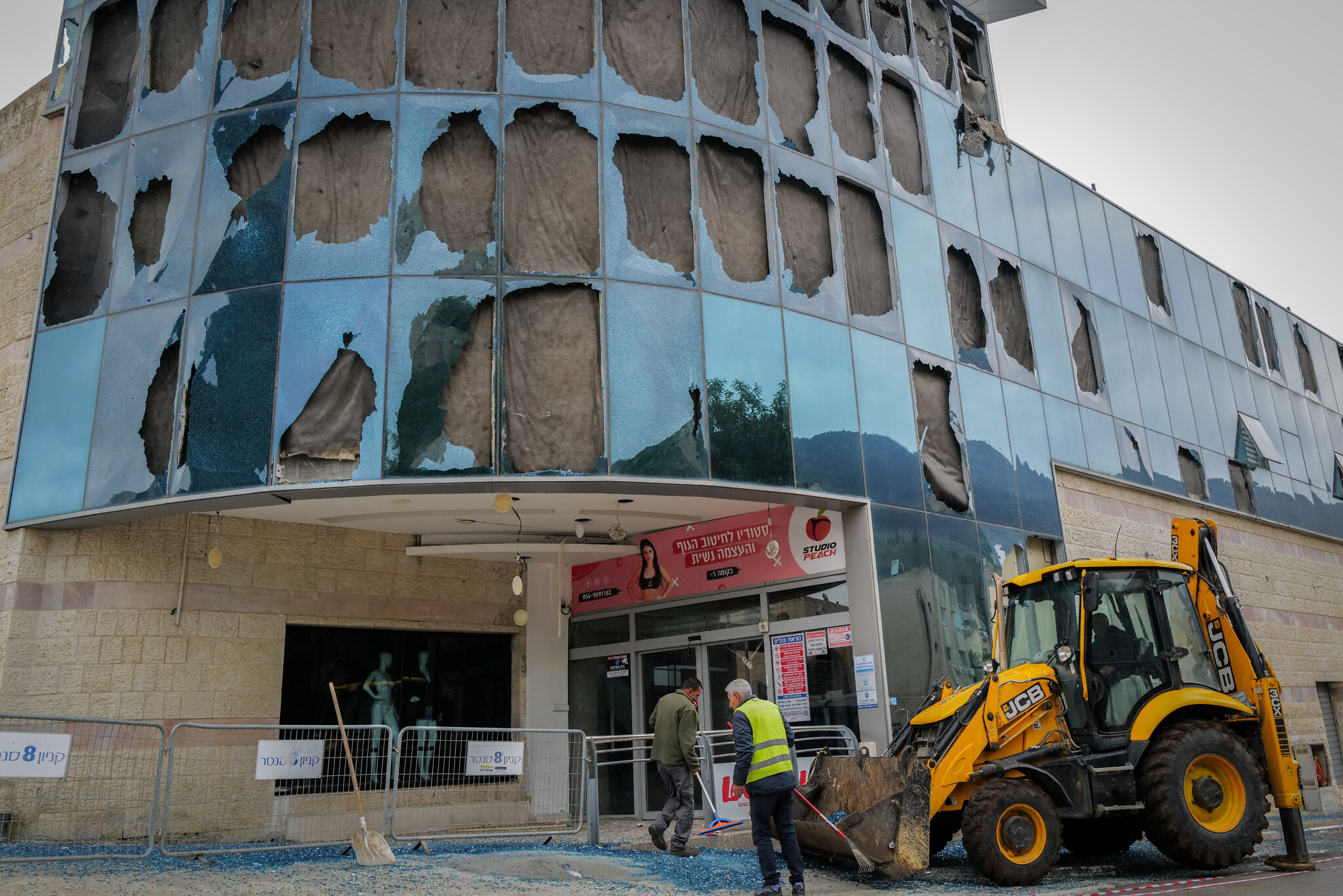
Sagron said the city estimates that up to 20% of its residents won’t return.
“We need a lot of resources to change reality,” he said, citing support from the Coast to Coast Jewish Federations in Canada and the Jewish Federation of Greater Vancouver, a part from the JFC-UIA, that supported the community management operation during the evacuation and the return home.
Stores are starting to reopen as residents return but the shopping center is still closed. Window fronts with “For rent” signs pepper the city, but some residents are optimistic and determined to start over.
At his barber shop, Sharbel Khalifa was doing a brisk business. During the Hezbollah war, he said, he slept in Tiberias but commuted to Kiryat Shmona to keep his business afloat.
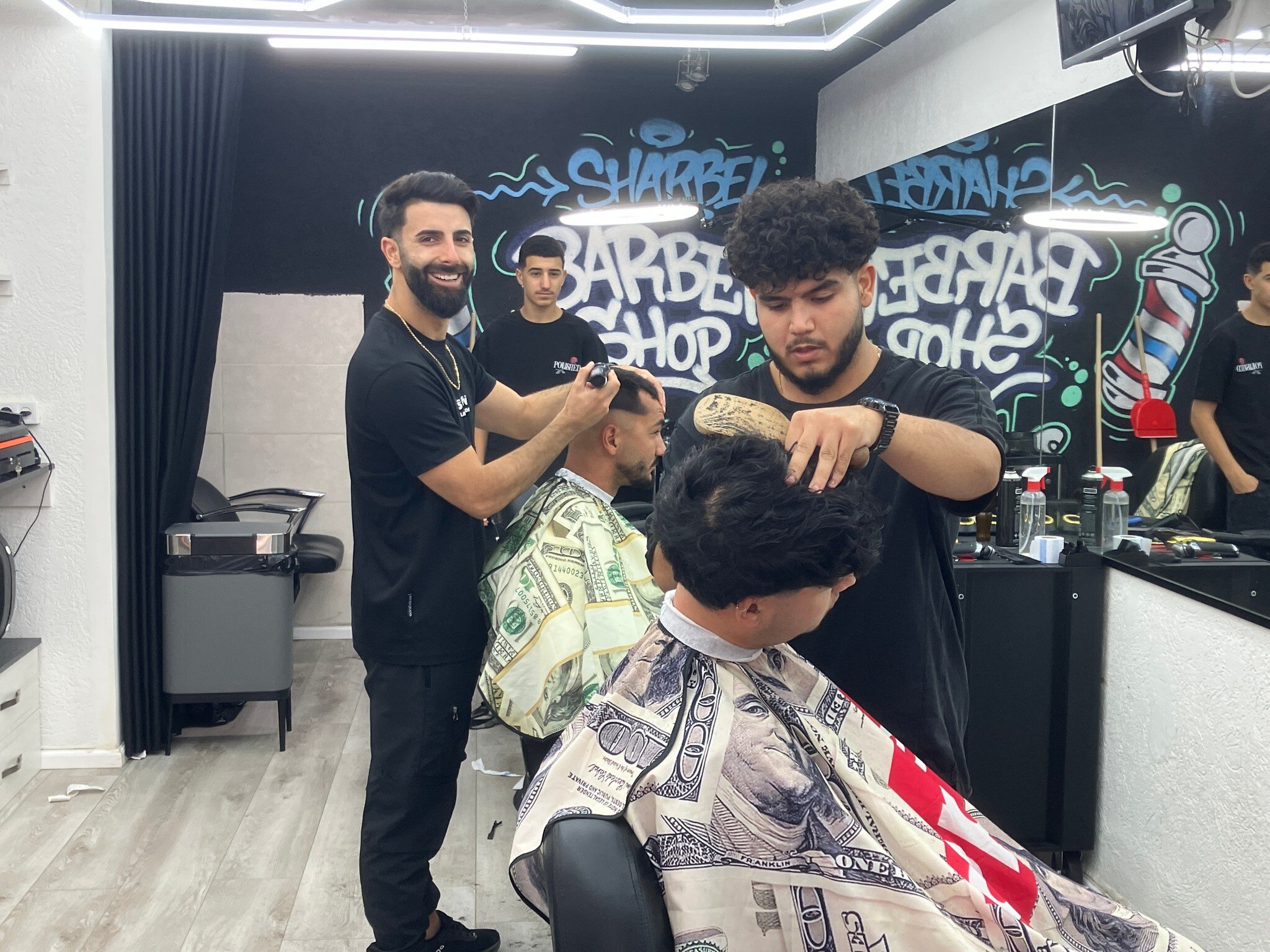
“I don’t think there will be more wars,” Khalifa said optimistically.
But Zrihen, a lawyer who became a community manager during the war, evacuated to Ramat Gan during the Hezbollah attacks. The wife and mother of three admitted she hadn’t been certain of her family’s return to Kiryat Shmona.
In the end, Zrihen and her family moved back.
“I really believe in the city,” she said. “I came back to rebuild.”







The Times of Israel Community.