

Action in the north
Washington acknowledges the use of chemical weapons in Syria; a drone from Lebanon is shot down off the coast of Haifa
 Add ToI as a Preferred Source on Google
Aaron Kalman is a former writer and breaking news editor for the Times of Israel
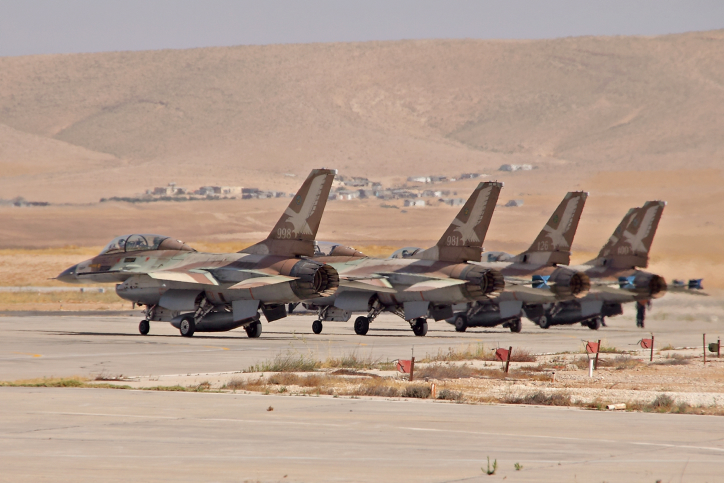
The common denominator on Friday’s front pages is Israel’s northern border: Washington’s acknowledgment of the use of chemical weapons in Syria, and the Israeli Air Force’s successful shooting down of a drone off the coast of Haifa. Other than that, Israel’s weekend papers seemed to differ on what news should be featured on the front.
Has a red line been crossed in Syria? That’s the question leading Haaretz. The paper reminds us that US President Barack Obama had stated the use of chemical weapons would be crossing such a line, and that, on Thursday, officials in Washington confirmed such agents were indeed used, probably by Bashar Assad’s forces.
Is this evidence enough to induce the US to take military action, Haaretz wonders, echoing the thoughts of many Israeli military and political analysts?
Yisrael Hayom also leads with the use of chemical weapons in Syria, quoting US Secretary of Defense Chuck Hagel and adding that “two days after questioning the IDF’s assessment, the American administration is now in line [with Israel].”
Moving from Israel’s east to the West, the daily features a photo of Israel’s naval ships searching for debris that might have fallen into the Mediterranean Sea after an IAF plane shot down a drone five miles off the coast of Haifa, a story covered by all four major Hebrew dailies.
Israel has hydrogen bombs threatening Iran, reads the headline of Maariv, quoting a report from the American Center of Strategic International Studies. According to chief analyst Anthony Cordesman, Israel can target the Islamic Republic with thermonuclear weapons — bombs 100 times more devastating than a “standard” atomic bomb.
Not only are missiles aimed at Tehran and its strategic facilities, but there are also payloads carried by fighter jets and submarines, which give Jerusalem a range of options — all of which greatly outweigh any Iranian threat currently aimed at Israel, Cordesman writes.
Yedioth Ahronoth chooses to stick to the economic talks in Israel. One feature story describes what could be the next stage in the battle between Ofer Eini, head of the Histadrut labor union, and Finance Minister Yair Lapid — a suggestion to name seaports, airports and the electric company “vital services,” thereby taking away their ability to strike and severely hampering any nationwide labor strike that Eini could initiate to fight proposed economic reforms.
The Hezbollah drone shot down off Israel’s coast “was a display of weakness — both of the organization and its leader,” Alex Fishman writes in Yedioth, saying it had no military meaning and acted merely as a political message.
At this time, Hezbollah and its leadership “have no reason to resume the armed conflict with Israel,” Fishman claims, explaining how the terror group is bogged down in Syria and fighting for survival in Lebanon. The idea to fly over Israel, he explains, was to try to restore some of the organization’s legitimacy in the eyes of the Arab world. Fighting Israel is the group’s way of sustaining its support, and, while a successful flight over Israel won’t force Jerusalem to react, it will provide Hezbollah with that message.
Yedioth also tells the story of a planned raise in salary for soldiers during their mandatory three-year service. As of 2014, a 21-percent hike will be given to the troops. After the hike, the paper details, a combat soldier will earn NIS 847 per month, while noncombatants will pocket NIS 426.
Haaretz also mentions planned IDF reforms, but focuses on the reserve soldiers, not the standing army. The IDF wishes to release tens of thousands of reservists from duty, the headline reads, and the article details how this step is meant to help the army achieve two goals: saving money on the overall picture; and investing more funds in those serving their mandatory time.
Maariv writes about former minister Benny Begin’s plan to settle the land disputes between the state and the Bedouin in the Negev. Though the previous government approved the plan, this government will make some drastic changes, the daily reports. An official told the paper that “tens of thousands of dunams of land will remain in the hands of the state and not be given to the Bedouin.”
All the dailies dedicate stories to Lag B’Omer, the Jewish holiday marked by bonfires, which will start right after the end of Shabbat. The various writers call on people and parents to be careful, and the fire department reminds everyone “to act responsibly.”








The Times of Israel Community.