

As talks kick off, Iran calls Western reaction to nuclear proposal ‘good’
Tehran says opportunity open for breakthrough; EU spokesperson says meeting different from past discussions
 Add ToI as a Preferred Source on Google
GENEVA — Iran sat down with representatives of six world powers on Tuesday, presenting a proposal on how to end a nuclear standoff amid cautious optimism over a possible diplomatic solution.
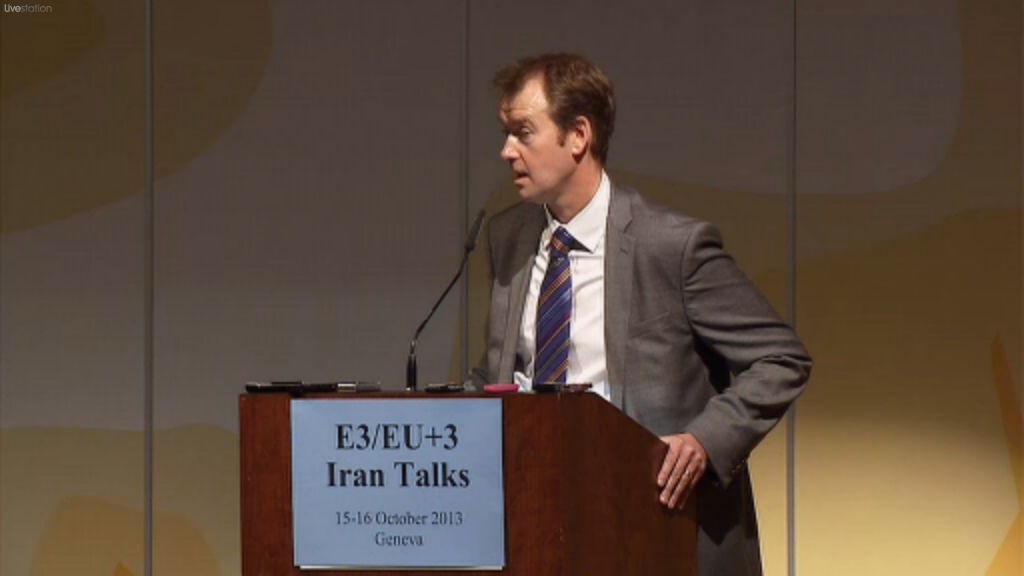
The Iranian delegation, headed by foreign minister Javid Zarif, presented a PowerPoint-style display of its proposal to end the crisis, EU spokesman Michael Mann said from Geneva Tuesday morning.
At a press conference after the morning session, Iran’s Deputy Foreign Minister Abbas Araqchi described the reaction to his country’s presentation as “good,” Reuters reported.
“It’s a completely realistic, balanced and logical plan,” he added.
“We think that the proposal we have made has the capacity to make a breakthrough. We had a very serious and good meeting this morning,” he told reporters, according to the news agency.
“The questions that were asked regarding Iran’s plan were completely serious and our answers were as well. Both sides felt that the opposite side was continuing the negotiations with motivation,” Araqchi said.
Mann also said that the atmosphere in the talks, the first since the election of new Iranian President Hassan Rouhani, was different from that of the past.
“In previous rounds we did not see significant engagement from Iran,” he said.
Araqchi also spoke about the “positive atmosphere,” but gave no further details about the meeting or what Iran proposed.
The talks are being seen as a key test of Iran’s overtures to the West. The US, Russia, China, Britain, France and Germany are eager to see whether Iran’s new style since Rouhani’s election will translate into progress on dispelling concerns that Tehran may want to make nuclear weapons.
Earlier in the day, EU foreign policy chief Catherine Ashton, who is managing the talks for the so-called P5+1, said she was in Geneva with “cautious optimism but a real sense of determination.”
Iran has long insisted it does not want such arms and that its nuclear program is entirely peaceful, and top Iranian officials have come to the negotiating table saying Tehran is willing to make concessions to end a decade of deadlock. But the US and its allies insist it will take more than words to advance negotiations and end international sanctions crippling Iran’s economy.
One immediate change from previous negotiations was the choice of language at the talks. A senior US official said they were being held in English, unlike previous rounds under Mahmoud Ahmadinejad, Rouhani’s hard-line predecessor, where Farsi translation was provided. The official demanded anonymity because he was not authorized to discuss any details of the talks.
Zarif reportedly brought along his doctor to the talks after complaining of back problems last week because of stress caused by criticism from Iran’s hard-line critics. He is not expected to participate in the talks beyond his opening presentation.
Iranian Deputy Foreign Minister Abbas Araghchi, a senior member of negotiating team, said Sunday that Tehran is bringing a new proposal to the talks to dispel doubts about the nuclear program. While offering no details, he told Iran’s student news agency ISNA that the Islamic Republic should “enter into a trust-building path with the West.”
No final deal is expected at the two-day session.
However, if the Iranians succeed in building trust, the talks could be the launching pad for a deal that has proven elusive since negotiations on Iran’s nuclear program began in 2003.


The Times of Israel Community.