A high-ranking Iranian military official said on Tuesday that Iran would strike first if it felt threatened, adding it could deal with Israel if it needed to.
Deputy commander of the Iranian army Maj.-Gen. Mohammad Hejazi told the Iranian news agency Fars that Iran would not wait until it was attacked to take action.
>> Join The Times of Israel on Facebook
Hejazi said the strategy was clear — defending Iran’s national interests. If those interests need to be protected by using military force they would be, he added.
The Iranian general said Iran could handle “the stupid Zionist regime.”
Get The Times of Israel's Daily Edition
by email and never miss our top stories
By signing up, you agree to the
terms
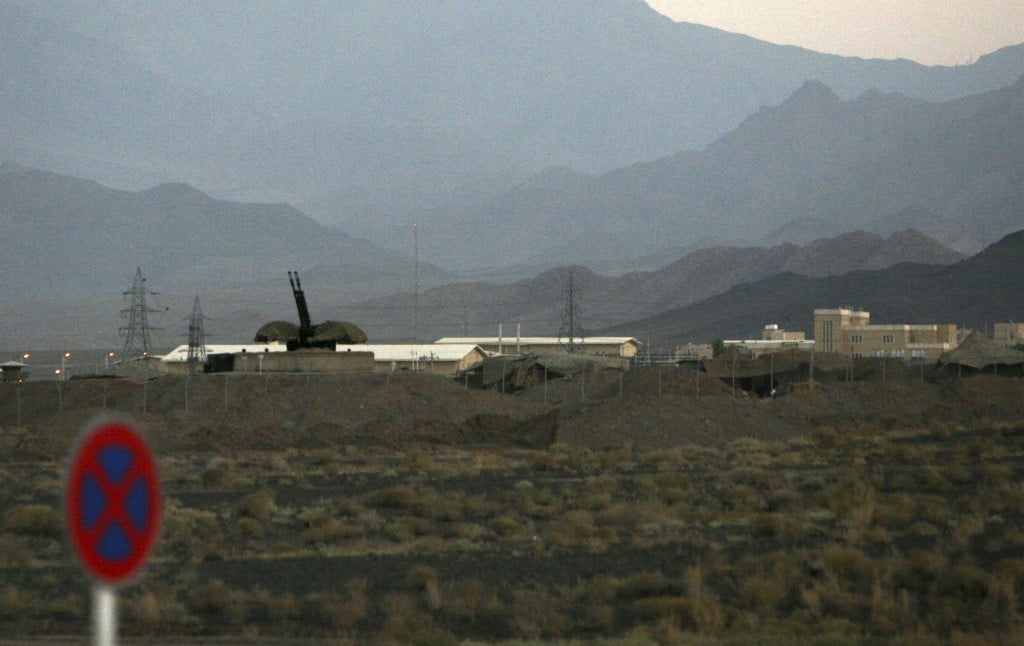
The statements were made as Iran continues its military maneuvers, focusing on its air defense systems, and amid speculations about a possible Israeli strike on Iranian nuclear targets.
Earlier Tuesday Tehran laid out conditions for future oil exports to European countries after halting sales to Britain and France earlier this week.
Foreign Ministry spokesman Ramin Mehmanparast said Tuesday that Iran seeks guarantees of payments, long term contracts and a ban on unilateral cancellation of contracts by buyers.
He says all these should be considered if Europe wants continued trade and oil relations.
Mehmanparast says Iran’s conditions were conveyed in a meeting with ambassadors of six European countries in Tehran.
Tehran said Monday it was considering extending the oil embargo to other European countries. The cutoffs to France and Britain were in retaliation for an EU embargo over Tehran’s controversial nuclear program that is to go into effect in July.
>> Introducing The Times of Israel: A new independent site for Israel, the Middle East and the Jewish world
We can't do this work alone.

The war with Iran has been draining for all of us in Israel. But when I heard about a high casualty incident – ballistic missile impacts in Arad and Dimona that left nearly 200 people wounded – I drank a cup of coffee, packed a bag, and headed south.
There, I spoke with Shilgit, the head of an after-school program for underprivileged youth. Standing outside her destroyed center, Shilgit said it was a miracle that no children were hurt and spoke about the community coming together in the hours since.
As a Times of Israel reporter, I’m committed to telling stories of resilience like Shilgit’s. But my colleagues and I can't do this alone. If you value work like this, please consider joining our reader support group, The Times of Israel Community. Your financial support is essential to keep real human reporting like this going.
— Stav Levaton, military reporter
Yes, I'll join
Yes, I'll join
Already a member? Sign in to stop seeing this
You're a dedicated reader

We’re really pleased that you’ve read X Times of Israel articles in the past month.
That’s why we started the Times of Israel - to provide discerning readers like you with must-read coverage of Israel and the Jewish world.
So now we have a request. Unlike other news outlets, we haven’t put up a paywall. But as the journalism we do is costly, we invite readers for whom The Times of Israel has become important to help support our work by joining The Times of Israel Community.
For as little as $6 a month you can help support our quality journalism while enjoying The Times of Israel AD-FREE, as well as accessing exclusive content available only to Times of Israel Community members.
Thank you,
David Horovitz, Founding Editor of The Times of Israel
Join Our Community
Join Our Community
Already a member? Sign in to stop seeing this