

Security services tread carefully with arson allegations
Some politicians claim many fires deliberately set by Arabs; experts are more wary; several Arab villages in Israel also battled blazes
 Add ToI as a Preferred Source on Google
Judah Ari Gross is The Times of Israel's religions and Diaspora affairs correspondent.
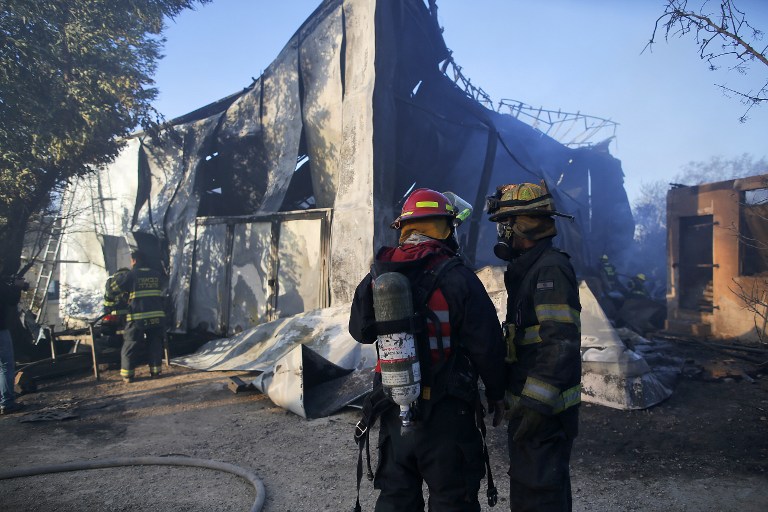
While some Israeli politicians and parts of the media have been quick to blame many of the dozens of fires that have been raging across Israel on the work of terrorist arsonists, the country’s security services — the police, Shin Bet and military — have been more cautious.
Since Tuesday, dozens of fires have started in Israel — most of them tiny, but some massive, like the one in the port city of Haifa — as dry air, no rain and high winds turned the region into a tinderbox.
Tens of thousands of people have been forced to evacuate; hundreds of homes have been damaged or destroyed; and dozens of people have been sent to the hospital from smoke inhalation.
“Unfortunately there is no doubt there have been incidents of arson,” Netanyahu told reporters on Friday.
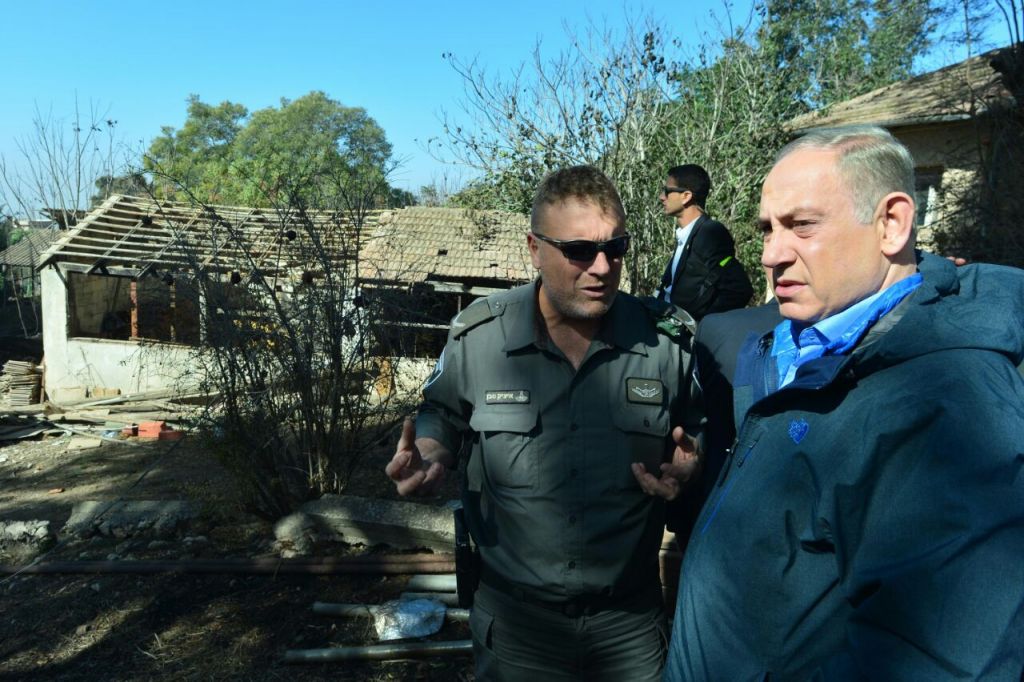
However, he was careful not to make a specific assessment of what proportion of the fires fall into that category.
Speaking on Thursday, Police Commissioner Roni Alsheich gave the impression that the percentage was small.
“There are some cases of arson,” Alsheich told reporters, “and lots of cases that are not arson.”
On Wednesday, and Thursday, Education Minister Naftali Bennett was far more outspoken, asserting that arson was primarily to blame for the wave of fires, and that it was motivated by Palestinian nationalism.
Writing on Twitter on Wednesday, Bennett said the fires could only have been set by “someone who this land this does not belong to,” making a seemingly oblique reference to Arabs. On Thursday, he said Israel was engulfed in a wave of terrorist arson.
Public Security Minister Gilad Erdan said off-camera on Thursday, meanwhile, that about half the fires were arson, Channel 2 reported.
By the end of the fire and police department’s investigations, some of them will almost certainly be found to have been caused by arson, but many, perhaps most, could turn out to have been the result of carelessness and negligence.
A fire started outside the West Bank settlement of Ariel early Friday morning was more than likely deliberately set by arsonists. Security camera footage from the scene shows a group of men standing near trees just minutes before a fire becomes visible.
On Thursday, Israeli soldiers also arrested a Palestinian man who was allegedly starting a fire outside the Kochav Ya’akov settlement in the central West Bank.
Friday’s blaze near Nataf, in the Jerusalem Hills, was allegedly started by a petrol bomb, Channel 2 reported.
Arrests have also been made in connection with the blaze in Haifa, by far the largest conflagration in the past four days, but the police have not specified how widely arson played a part in the fires there.
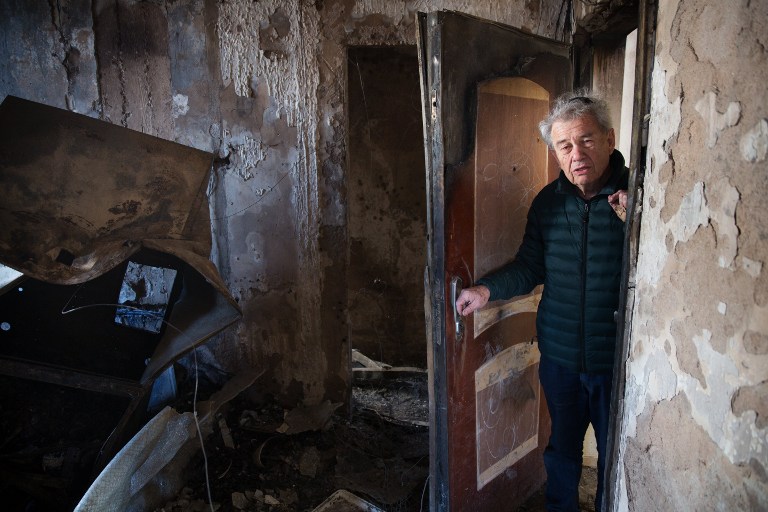
In Beit Meir outside Jerusalem, where 10 houses were destroyed, the police were investigating the possibility that the blaze was caused by rescue workers who had been trying to put out a nearby fire, according to Israel Radio.
Numerous Arab villages in Israel have also been battling fires in the past days.
Picture from Arab village in northern Israel (kfar Nahf), where a state of emergency has been declared, preparing to evacuate pic.twitter.com/nqqE9PS6RJ
— Dov Lieber (@DovLieber) November 24, 2016
Khan Younis, in the Gaza Strip, as well as Ramallah, Hebron, Qalqilya and Hawara, in the West Bank, have also seen blazes, as have cities in Egypt, Lebanon and Syria. (Jordan, which has far fewer forests, appears to have been largely spared.)
Some of the supposed pieces of evidence proving arson that have circulated on social media in recent days have been debunked.
A photograph purporting to show a device meant to help spread fires — basically tree branches and a wooden shipping pallet tied to a tree — was shared on Facebook and Twitter thousands of times before it was identified for what it was: a fort built two weeks ago by Israeli children. Their aunt and cousin both identified the image in their own Facebook posts (which garnered far fewer shares).
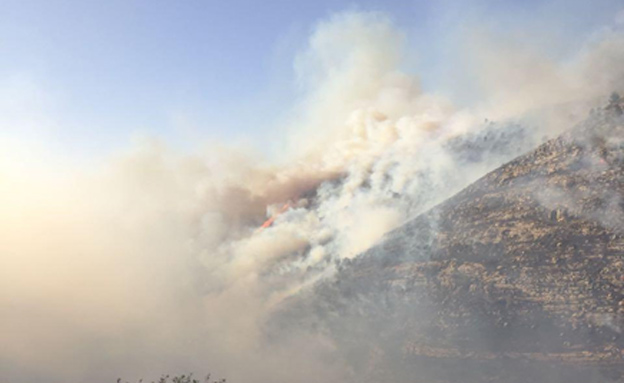
The Carmel fire, which burned up large swathes of northern Israel in 2010, was also originally thought to be the result of arson, but was eventually found to have been started inadvertently from a teenager who had been smoking a nargila water pipe in the woods and didn’t extinguish the coals.
For now, the police and the army have forces spread out throughout the country to douse and prevent the ongoing fires — deliberate and otherwise — and investigators are working to determine the causes of the blazes still burning and the ones already extinguished.
Until then, people will have to do one of the more difficult things during times of disaster — wait for answers.







The Times of Israel Community.