

Army accuses comptroller of tunnel vision in Gaza war report
Military acknowledges room for improvement but rejects claim it failed on intel; Defense Ministry welcomes praise for investment in tunnel-busting tech
 Add ToI as a Preferred Source on Google
Judah Ari Gross is The Times of Israel's religions and Diaspora affairs correspondent.
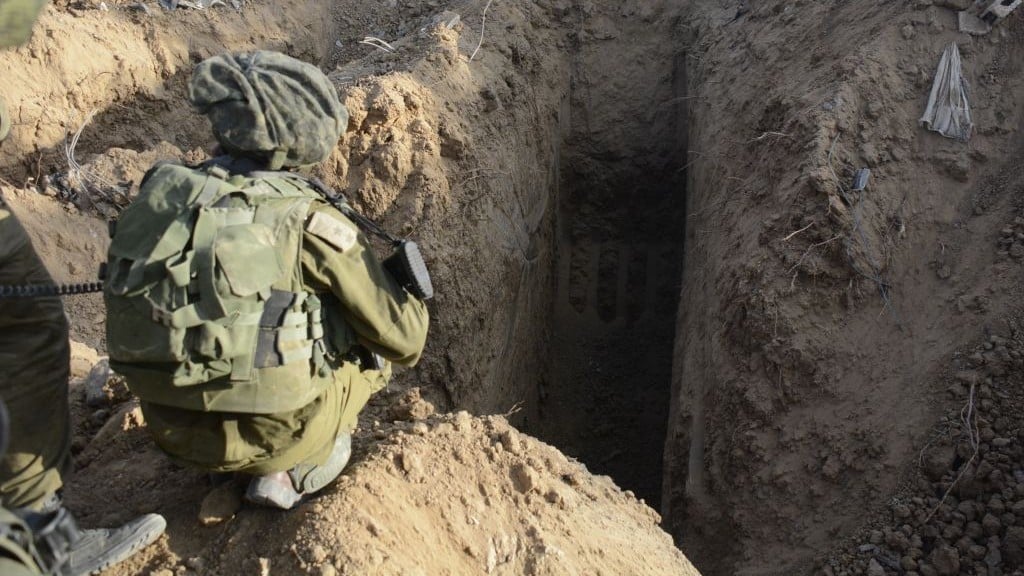
The Israel Defense Forces pushed back against some of the criticisms leveled at it in a harsh state comptroller report on the 2014 Gaza war published Tuesday, and especially the assertion that its intelligence on tunnels in the Strip was lacking in the lead-up to the conflict.
“On the eve of Operation Protective Edge” — the Israeli name for the war — “the IDF had substantial information regarding the majority of Hamas’s terror tunnels and the nature of its underground terror network,” the military said in a statement.
“These intelligence efforts to address the attack tunnels enabled infantry forces to locate the majority of the tunnels and reveal their routes,” the army said.
The State Comptroller’s Office report criticized the prime minister, defense minister and military for failing to adequately prepare for the Hamas attack tunnels used during the conflict. The security cabinet was also said to have been poorly informed of the threat posed by this subterranean attack infrastructure.
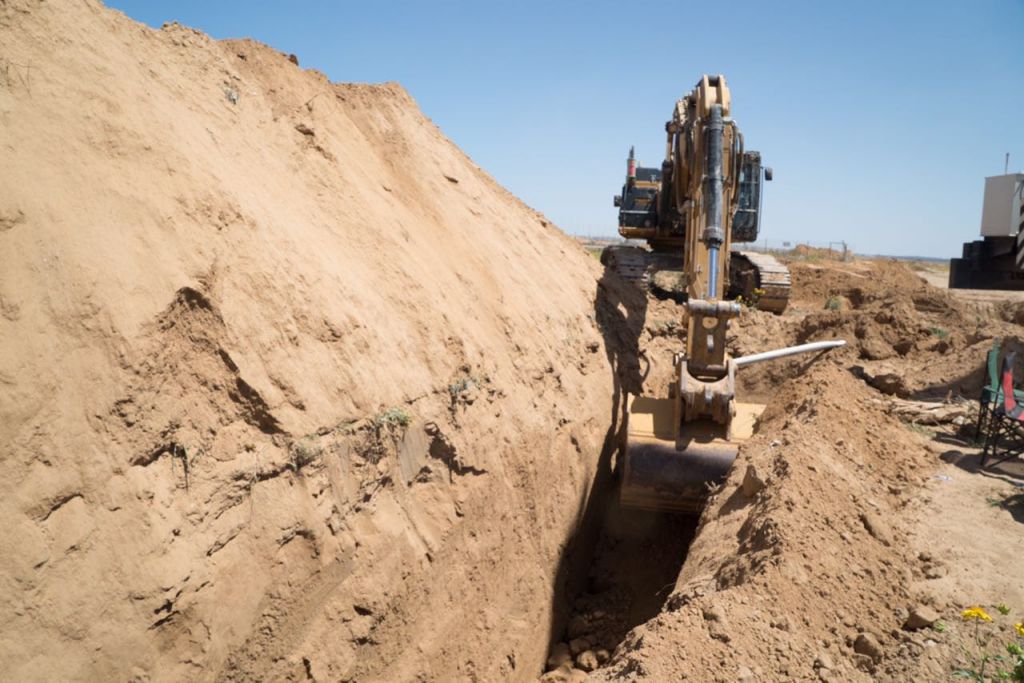
With that point as well, the army took apparent umbrage.
“The IDF reflected to the Israeli political leadership the tunnel network as a serious threat, analyzed, and assessed and determined its operational ramifications. Additionally, in the cabinet meetings, the IDF defined the tunnel threat as one of the five primary threats facing the State of Israel,” the military said.
The IDF took issue with State Comptroller Yosef Shapira for focusing on the tunnel threat to the exclusion of other issues “that existed and remain on the agenda.”
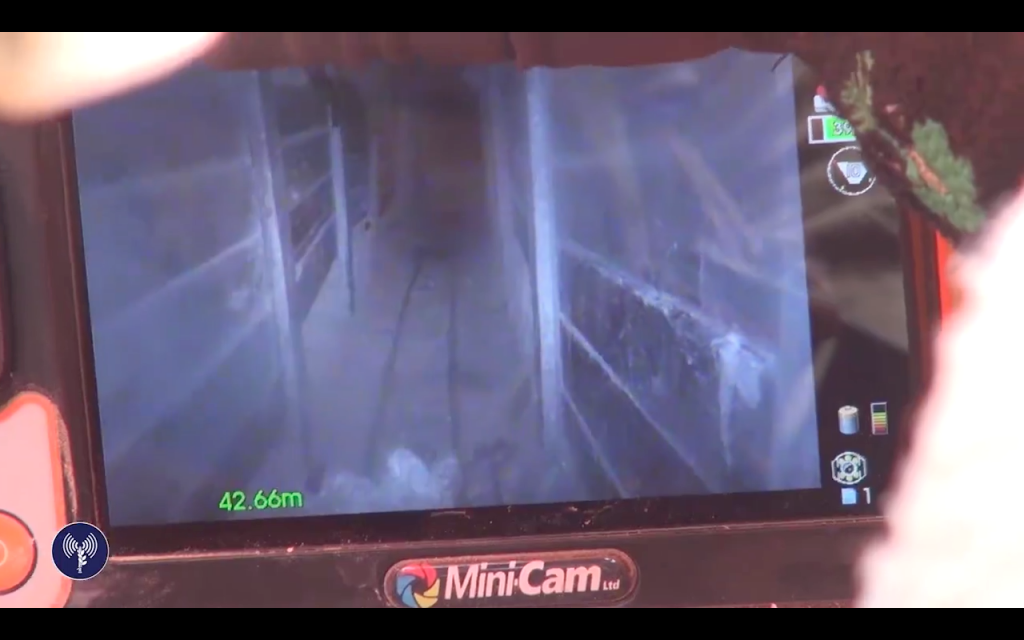
While the army rejected some of the report’s criticisms, it said that the recommendations made were being reviewed and some had already been put in place.
“The IDF has invested efforts and resources in the research, development and equipping of technological systems in accordance with their operational readiness… and with the classification of the level of the threat. Additionally, a General Staff operational doctrine has been authored [on how to respond to tunnels],” the army said.
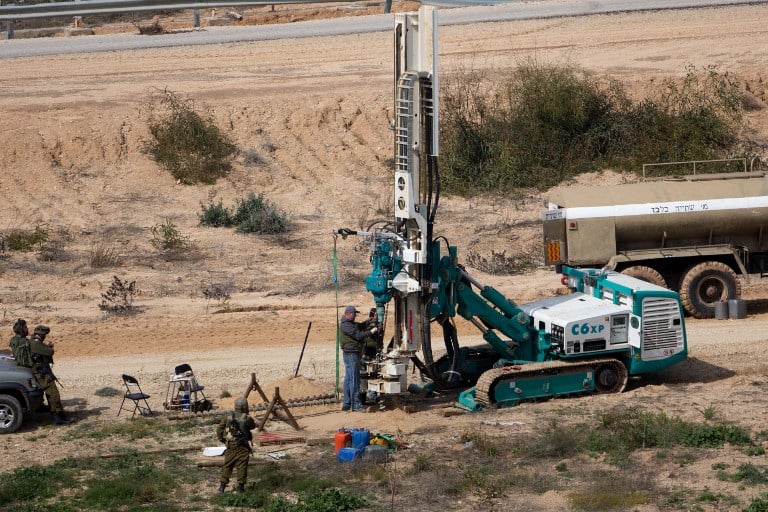
The Defense Ministry also responded to the Gaza war report on Tuesday, specifically its criticisms that there was no technological solution developed to counteract the tunnels.
The ministry’s weapons procurement department “led, developed and brought to use technological capabilities over the years that provided and provide a meaningful response” to the tunnel threat, unlike any piece of equipment “developed by any country on earth,” the ministry said in a statement.
“These achievements are the result of investment over many years in which breakthrough technological infrastructures were developed,” the ministry added.

Though a suitable high-tech solution was not found to have been produced in time for the 50-day war in 2014, Shapira noted in his report on the tunnel threat that the Defense Ministry had made an effort to create one.
“The State Comptroller’s Office is aware of the great effort and hard work that was put in by different research and development teams and operational groups in dealing with the tunnel threat technologically,” Shapira wrote.
In its response to the report, the army also pointed out its own efforts on the high-tech front.
In the two and a half years since Operation Protective Edge, the “IDF has worked consistently and has invested more than NIS 2 billion ($547 million) to address the underground terror network threat and to find a technological solution,” the military said.
In the time since the operation, the army and government have put into practice some, but not all, of the recommendations made by Shapira in his reports. Notably, the military has put a greater emphasis on tunnels, naming them as a primary threat in army chief Lt. Gen. Gadi Eisenkot’s 2015 “IDF Strategy” paper.
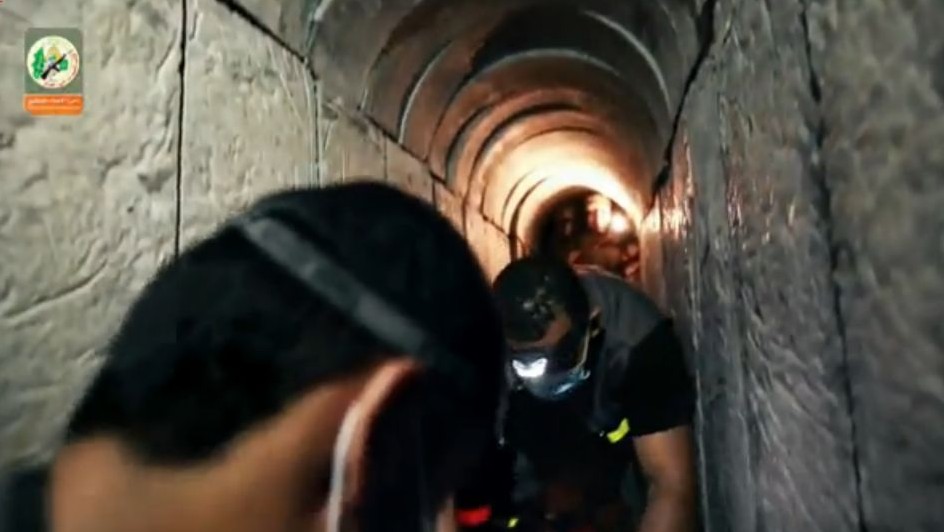
The elite combat engineering unit, known by its Hebrew acronym Yahalom, has been doubled in size since the operation, and the unit’s base in Sirkin, outside Tel Aviv, is now equipped with an exact replica of a Hamas tunnel for training purposes. It was made by an Israeli construction company to the same specifications as the ones in Gaza — 5.6 feet (1.7 meters) tall and approximately two feet (0.6 meters) wide, with a rounded top.
In training ground troops, the army has also begun putting more emphasis on preparing them for urban and populated areas as opposed to the older exercises of conquering hilltops in open fields, according to military officials.
Two cross-border tunnels were also found and destroyed by the IDF since Operation Protection Edge, one in April and the second in May.
However, Hamas is suspected of having restored its arsenals and rebuilt much of its infrastructure back to pre-Operation Protective Edge levels.
The Gaza-based terror group Hamas is believed to possess at least 15 attack tunnels that reach into Israeli territory. Its weapons stores are also said to be replenished, though with more locally produced missiles, as the Egyptian and Israeli blockades make important rockets more difficult.
For now, the IDF believes war is inevitable, but not likely in the near future.
“I don’t see a willingness in Gaza to launch a campaign against us,” Eisenkot told the Knesset’s Foreign Affairs and Defense Committee last week.








The Times of Israel Community.