

As COVID hit, archaeologists turned to futuristic labs to dig up ancient history
From dental tartar studies to the use of police forensics techniques and AI to discern which scribe wrote the Bible, cutting-edge science beat out shovels for uncovering the past
 Add ToI as a Preferred Source on Google
Deputy Editor Amanda Borschel-Dan is the host of The Times of Israel's Daily Briefing, What Matters Now and The Reel Schmooze podcasts, and heads up The Times of Israel's features.
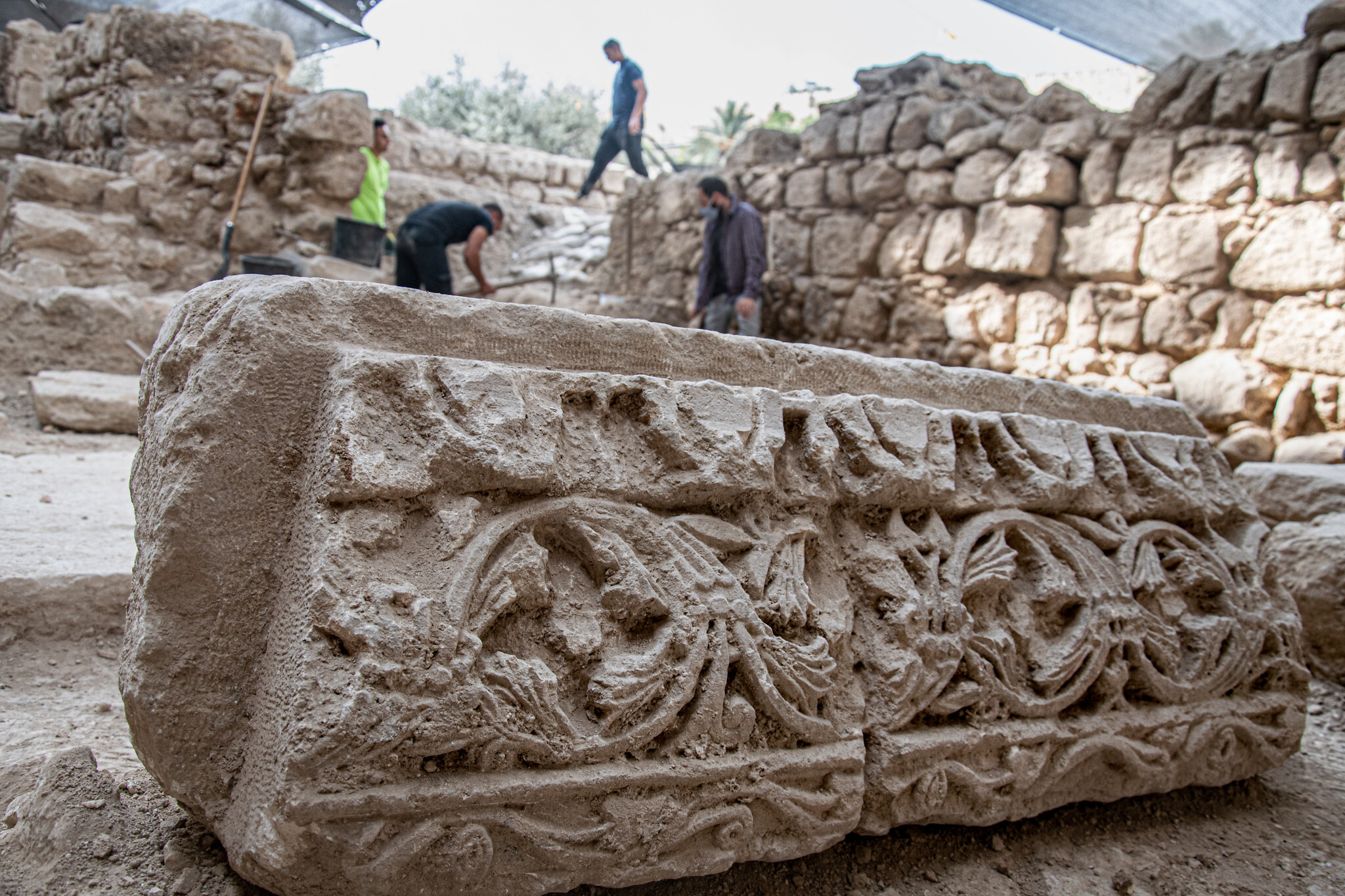
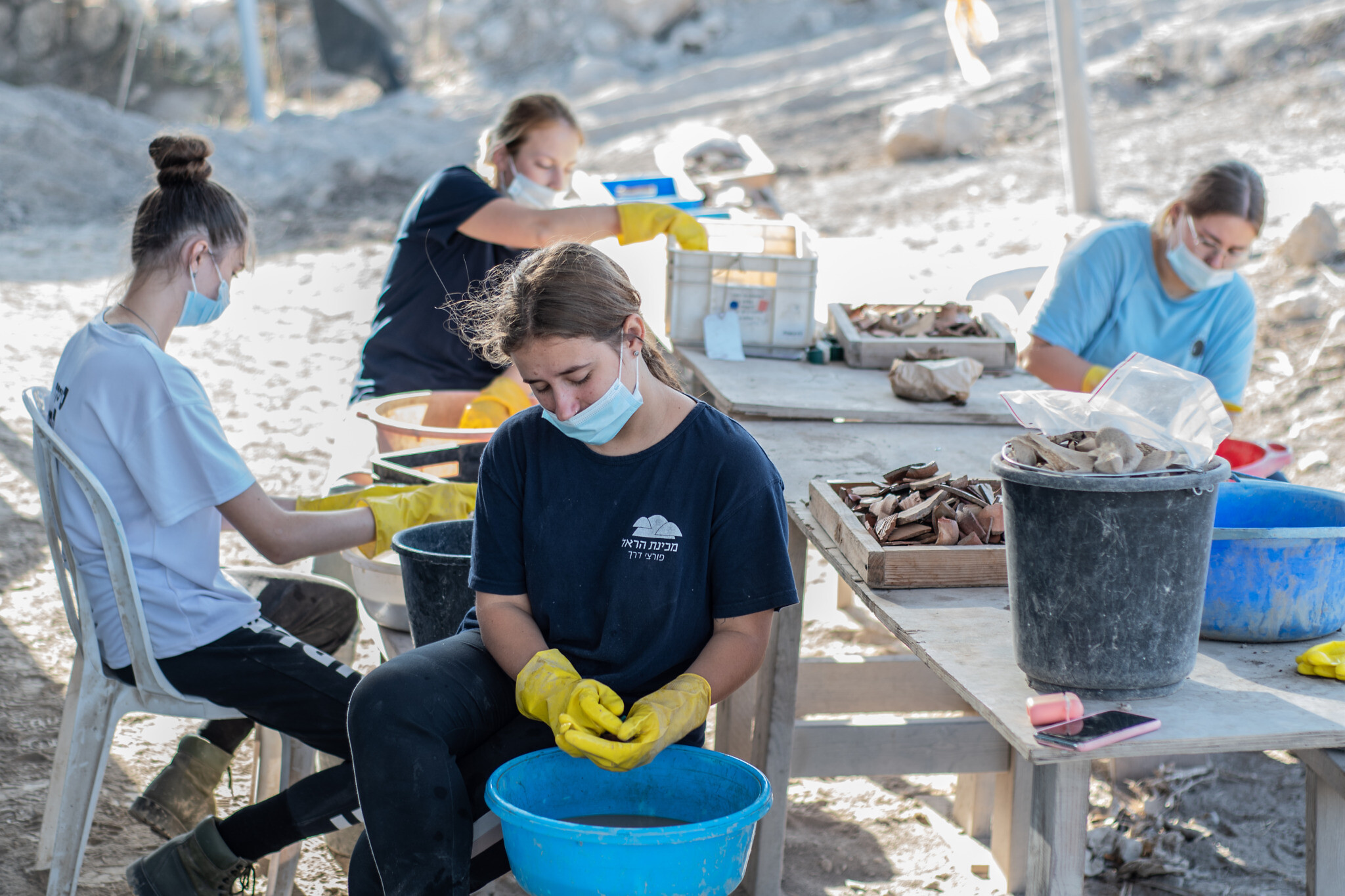
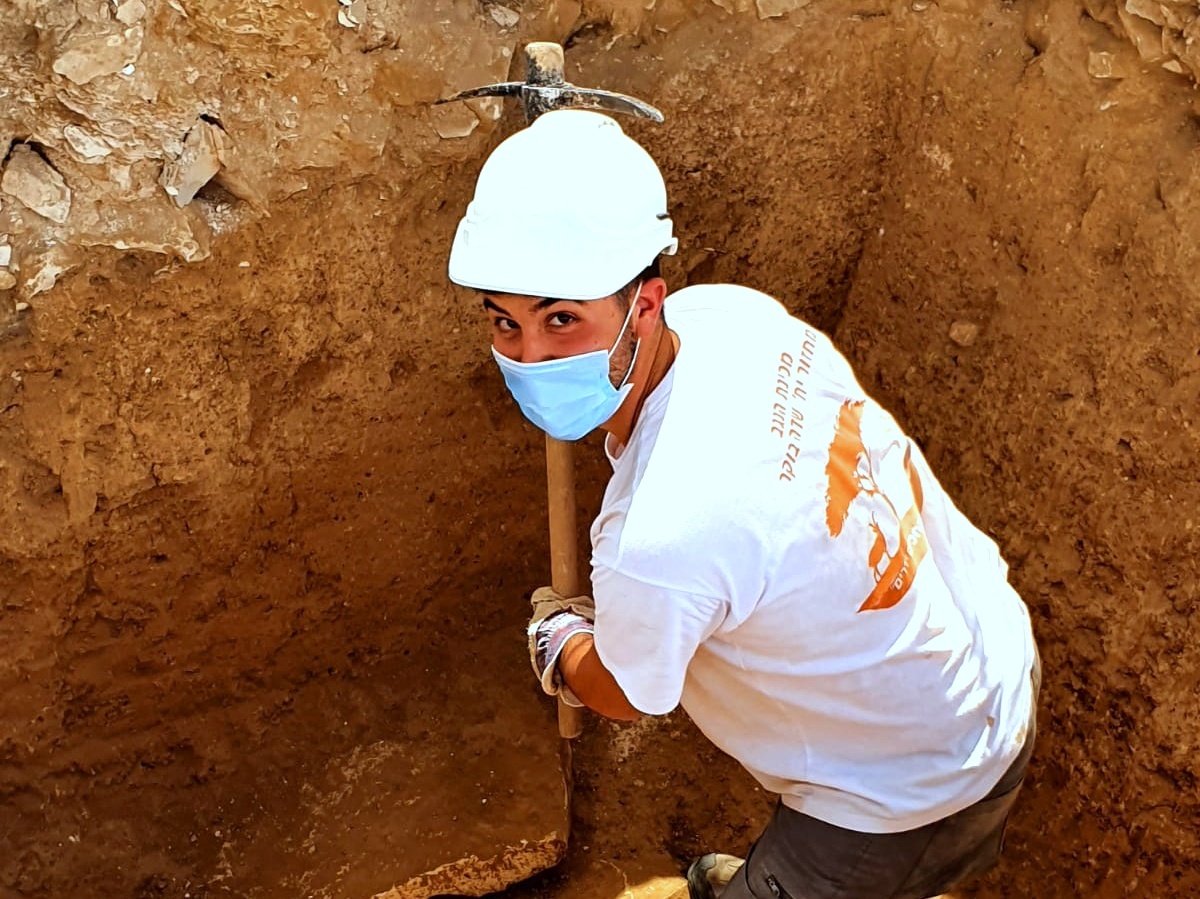
Since most archaeologists had to hang up their shovels during pandemic-stricken 2020, they suddenly had time to work on their research and there’s a plethora of publications to prove it.
For this archaeology reporter, 2020 was a year was spent trying to play catch-up with new, exciting articles in prestigious journals. Scores of scientists signed on to international, interdisciplinary studies that harnessed the power of “pure science.” Ubiquitous carbon-14 dating is just the tip of the iceberg as scientists probe the past with the tools of the future.
So while site visits were unfortunately few and far between, the following represents a series of voyages of the intellect.
The following articles are a mere sample of the dozens, if not hundreds, of fascinating finds, broken down into to studies of provenance; who wrote the Bible and on what; how “pure science” is aiding archaeologists confirm historical events; and a number of “firsts” from deep in pre-history.
1) Unprovenanced finds get a seal of approval — or not
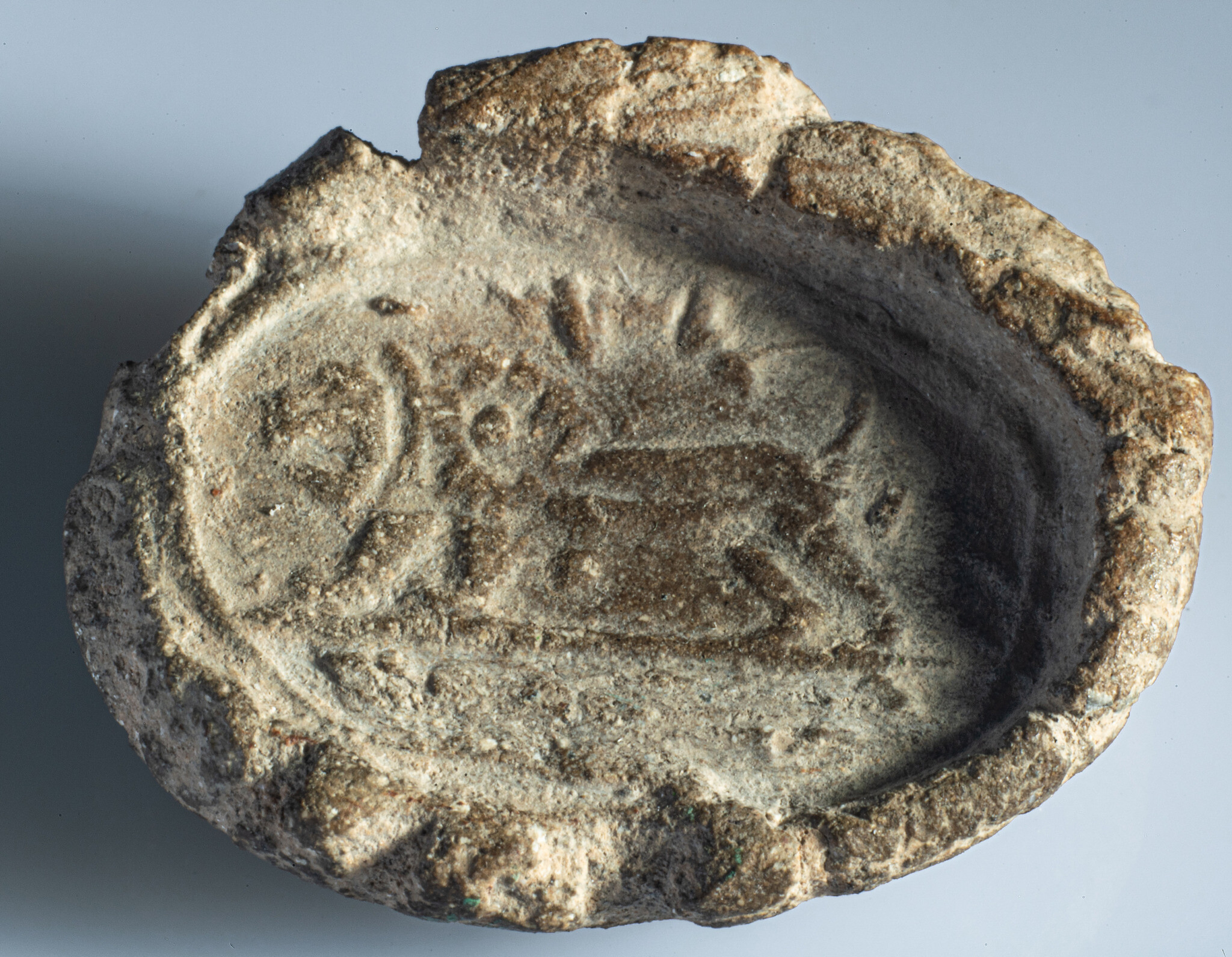
READ: “2,700 years ago, tiny clay piece sealed deal for Bible’s King Jeroboam II”
A seal impression that was purchased for a pittance decades ago — and thought a great forgery by its owner — ends up being verified as a rare second artifact containing the seal of the court of Jeroboam II. And the first one has gone missing.
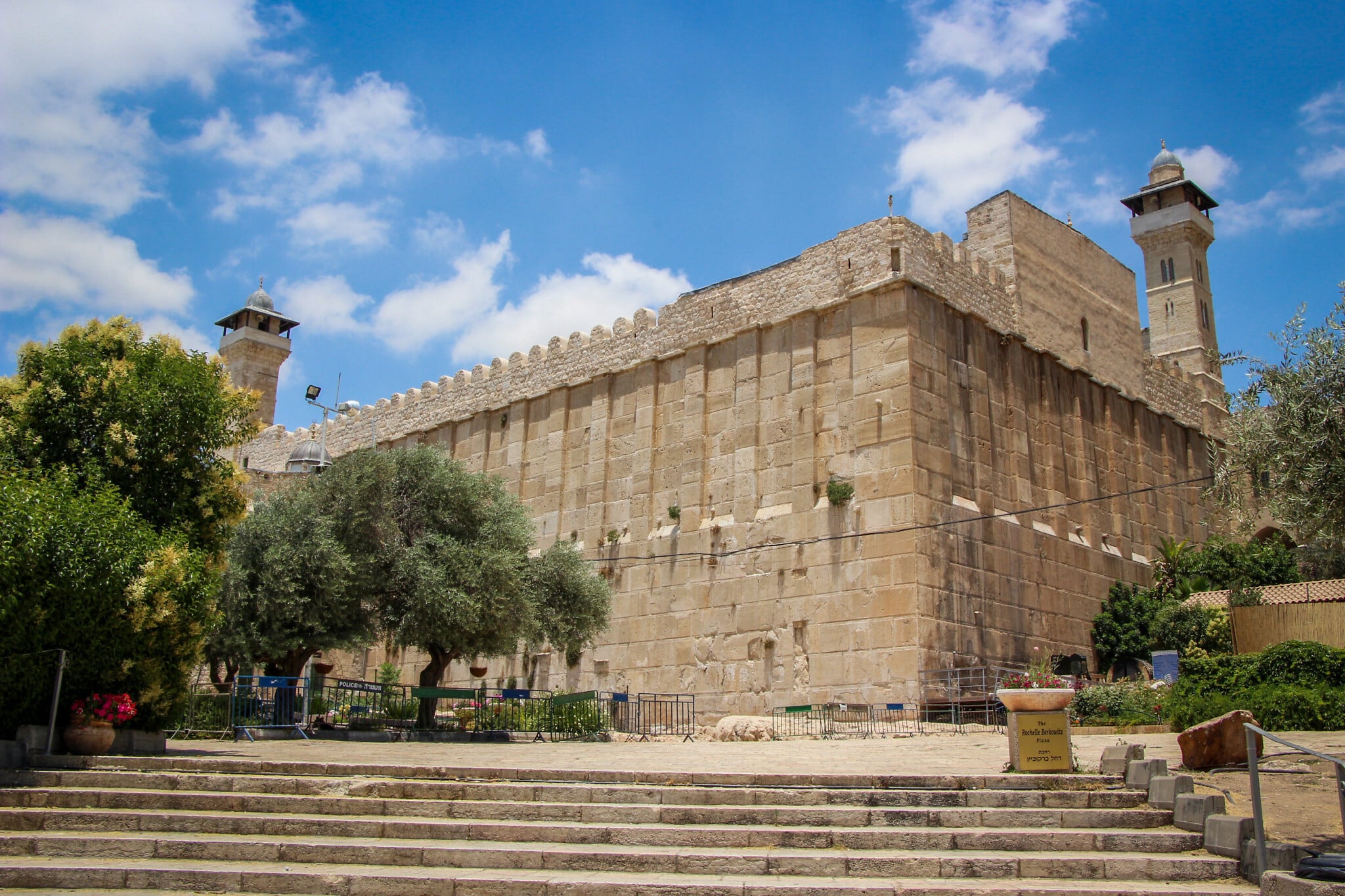
READ: “Purloined pottery from Tomb of Patriarchs gets 1st scientific study”
The story of how First Temple period pottery sherds were obtained from the Tomb of the Patriarchs in the 1980s is even more dramatic that the science backing up their “ancestry.”
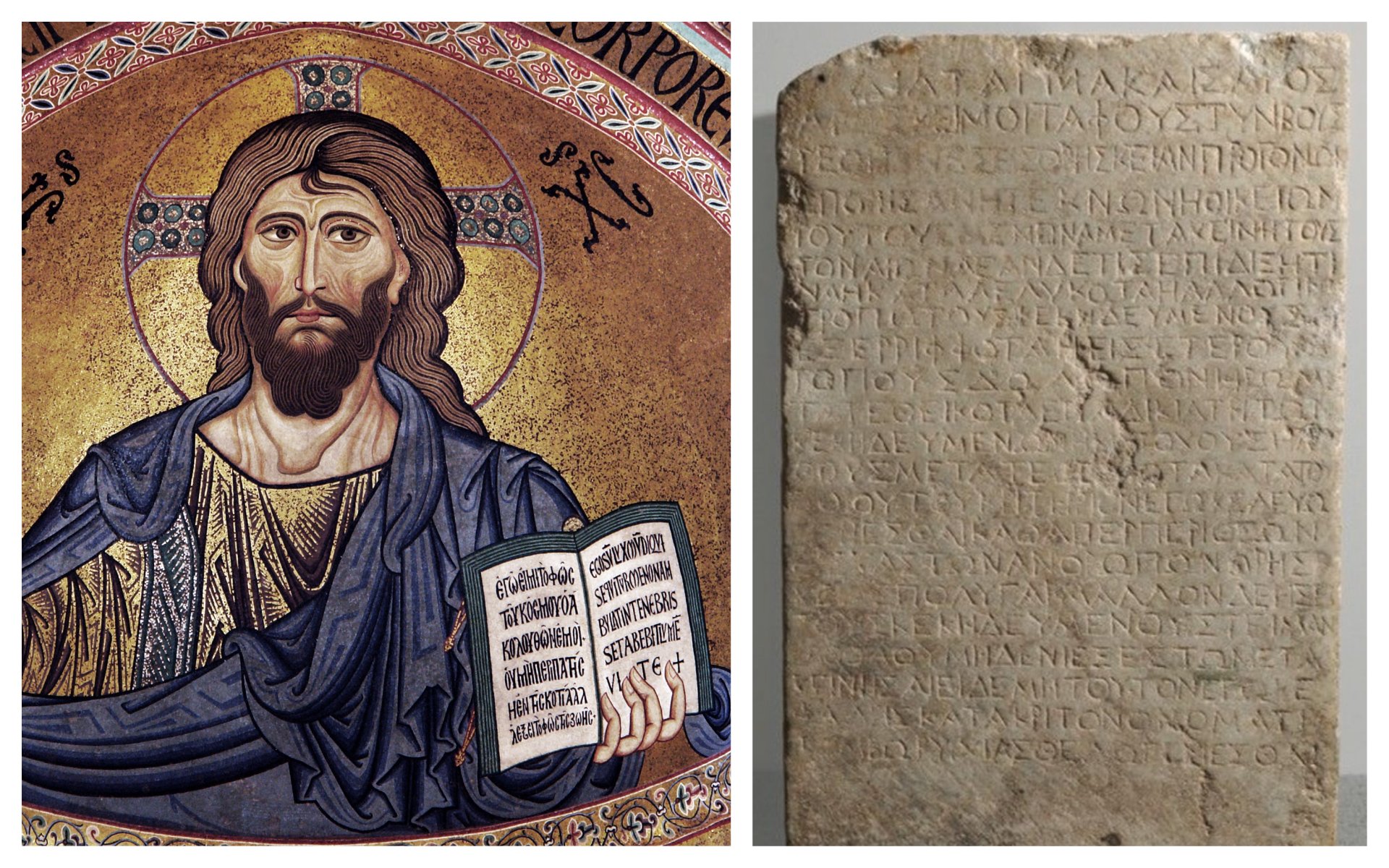
READ: “High-tech test shatters claim ancient inscription is 1st proof of Christianity”
The so-called Nazareth Inscription is a 22-line imperial Greek edict against grave desecration that some have claimed constitutes the oldest physical evidence of early Christianity since it came to light in 1925 Paris with no provenance. High-tech isotope analysis have identified the origin of the marble as the Greek island of Kos, not Nazareth.
2) Who wrote the Bible? And on what?
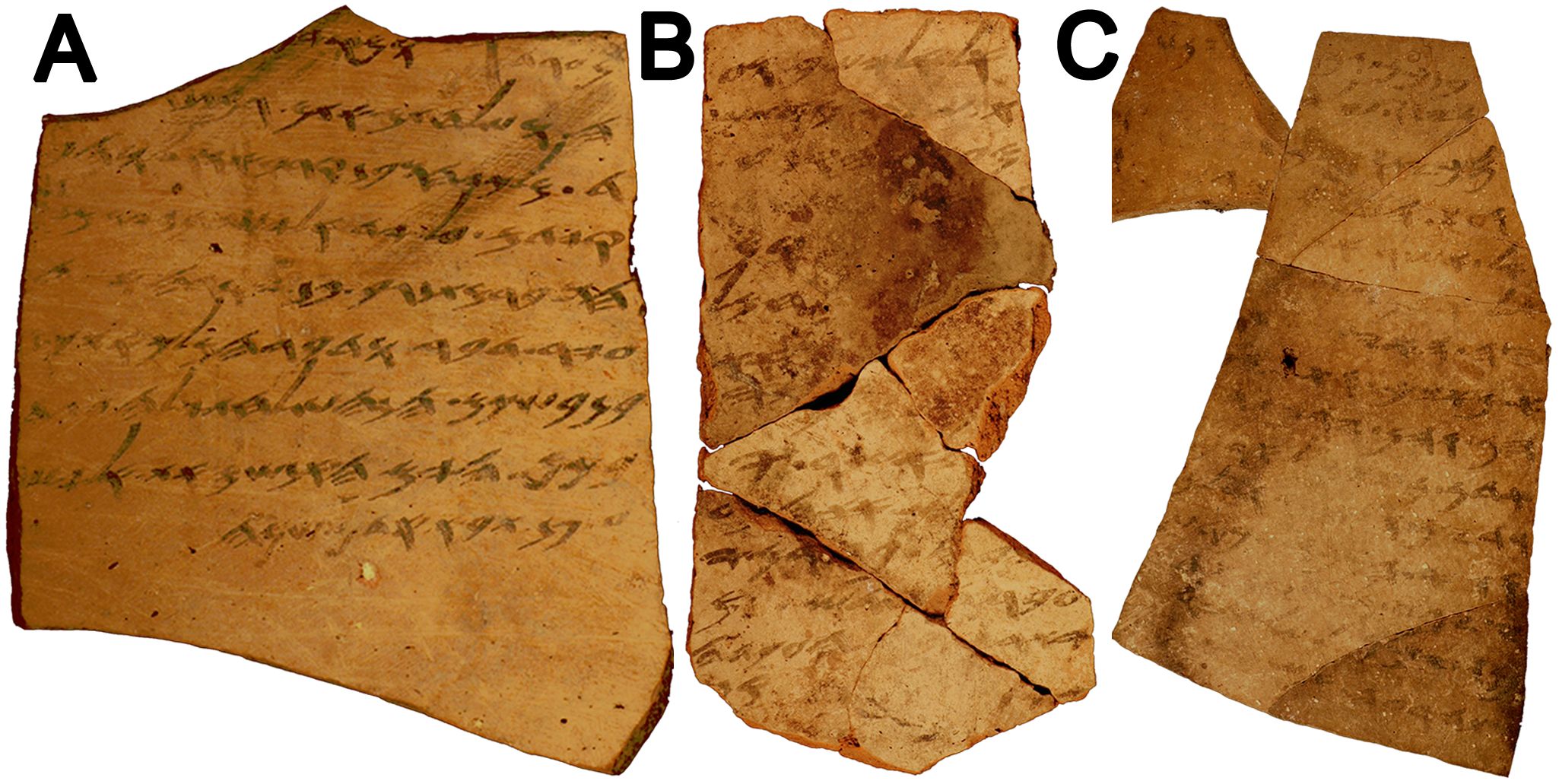
READ: “Police forensics join AI algorithms to track down who wrote the Bible, and when”
Old-fashioned police forensics analysis met high-tech computer algorithms in a new study of 2,500-year-old pottery sherds, in which Tel Aviv University researchers conclude that literacy was widespread enough for the fledgling People of the Book to have penned parts of the Bible in the 7th century BCE.
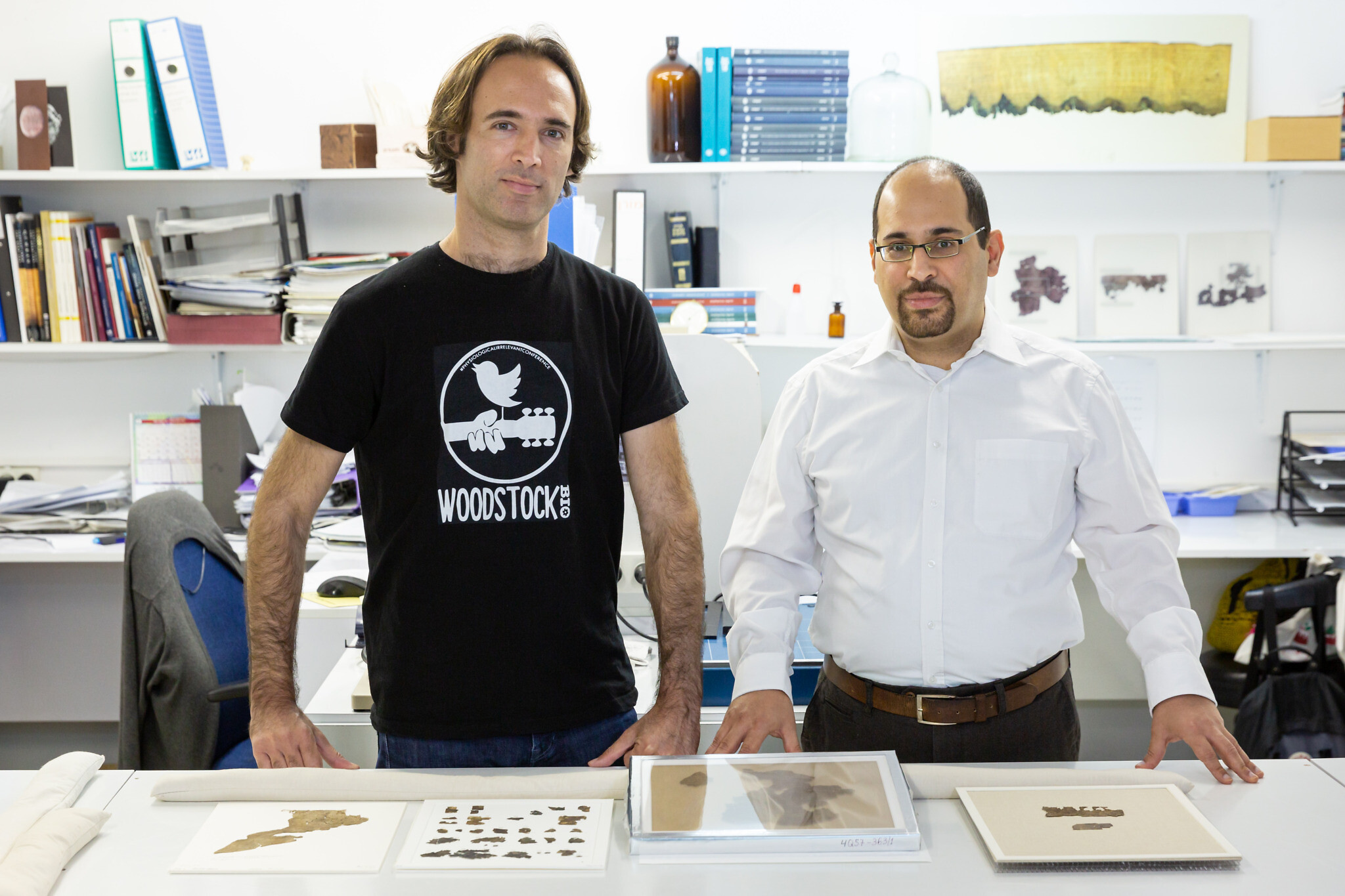
(Tadmit, Courtesy of Tel Aviv University)
READ: “Pioneering DNA study reveals not all Dead Sea Scrolls are from Dead Sea”
A seven-year interdisciplinary study of ancient animal DNA taken from 2,000-year-old Dead Sea Scroll fragments has provided researchers with new and surprising insight into the Jews and their theology on the cusp of the fall of the Second Temple. The breakthrough study reveals that the various scrolls from which the fragments come were written in different locations along the Dead Sea and, in some cases, even far away from it.
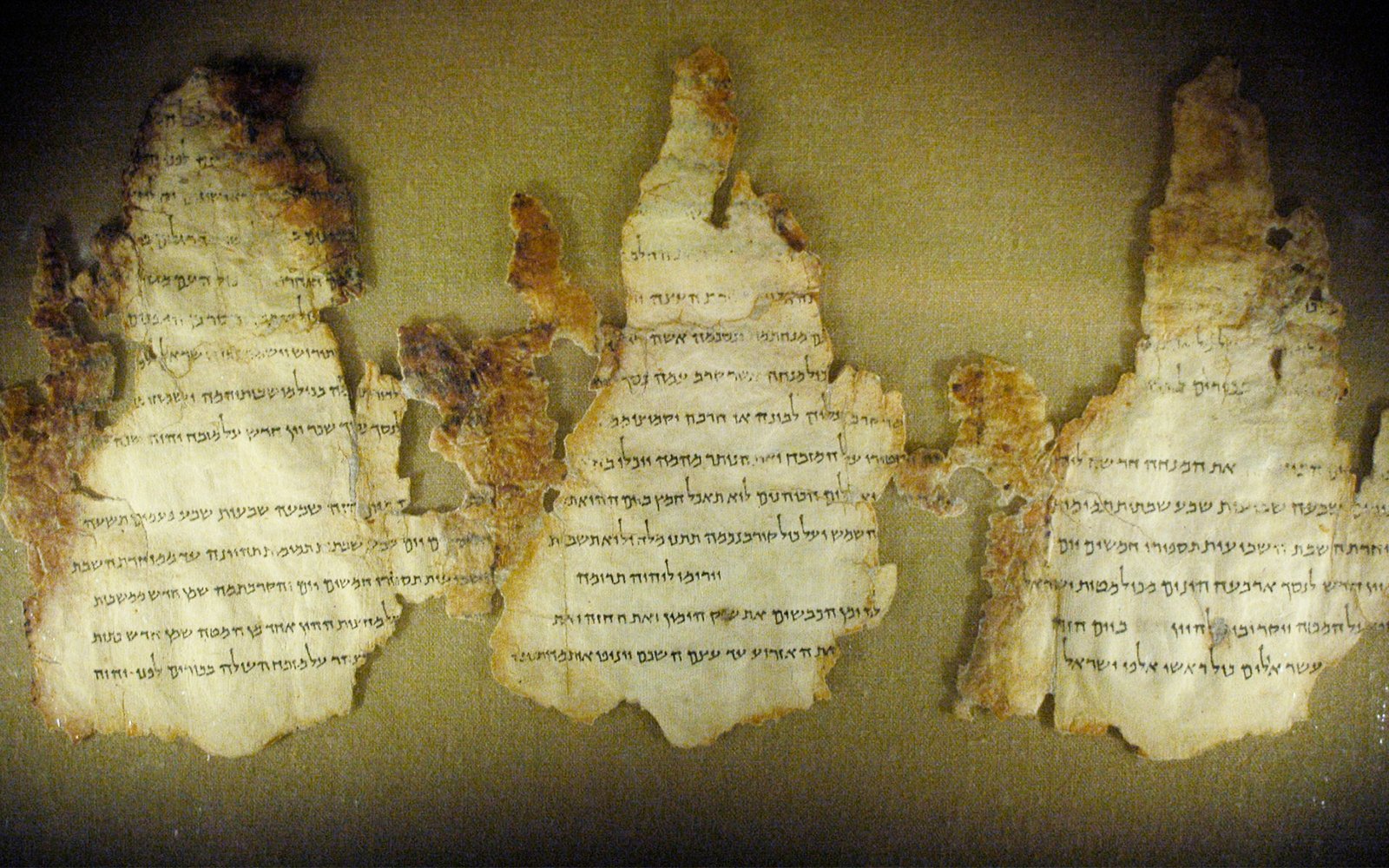
READ: “‘Shabbat’ revealed: UK’s ‘blank’ Dead Sea Scroll fragments yield a holy surprise”
A British university has discovered that “blank” pieces of leather parchment taken from the famed Qumran caves are not blank at all. Instead, they are now considered to be authentic Dead Sea Scroll fragments — the only ones in Britain.
3) ‘Pure sciences’ help archaeologists prove historical events
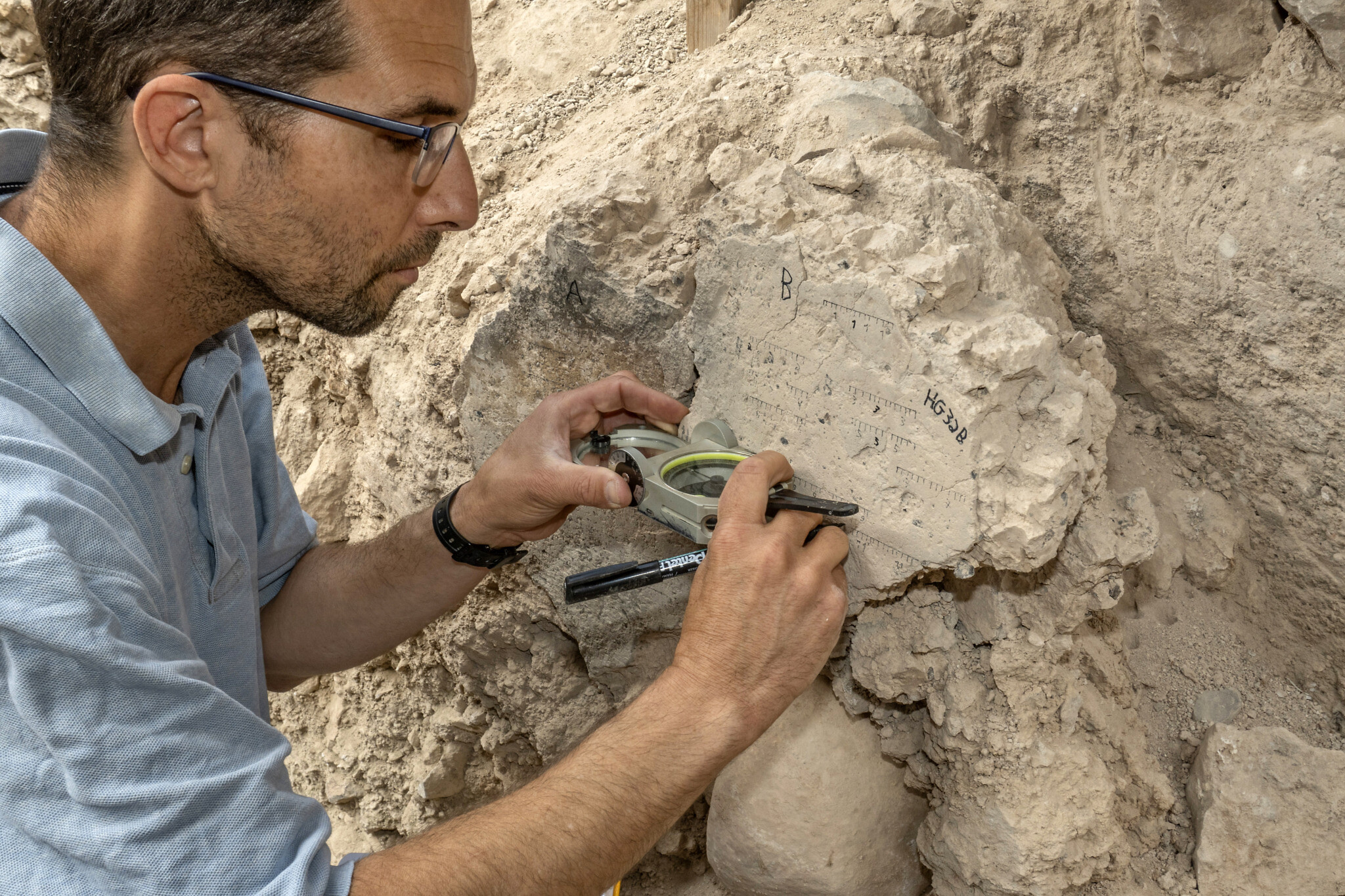
READ: “Burnt remains from 586 BCE Jerusalem may hold key to protecting planet“
The Bible and pure science converge in a new archaeomagnetism study of a large public structure that was razed to the ground on Tisha B’Av 586 BCE during the Babylonian conquest of Jerusalem. The resulting data significantly boosts geophysicists’ ability to understand the “Holy Grail” of Earth sciences — Earth’s ever-changing magnetic field.
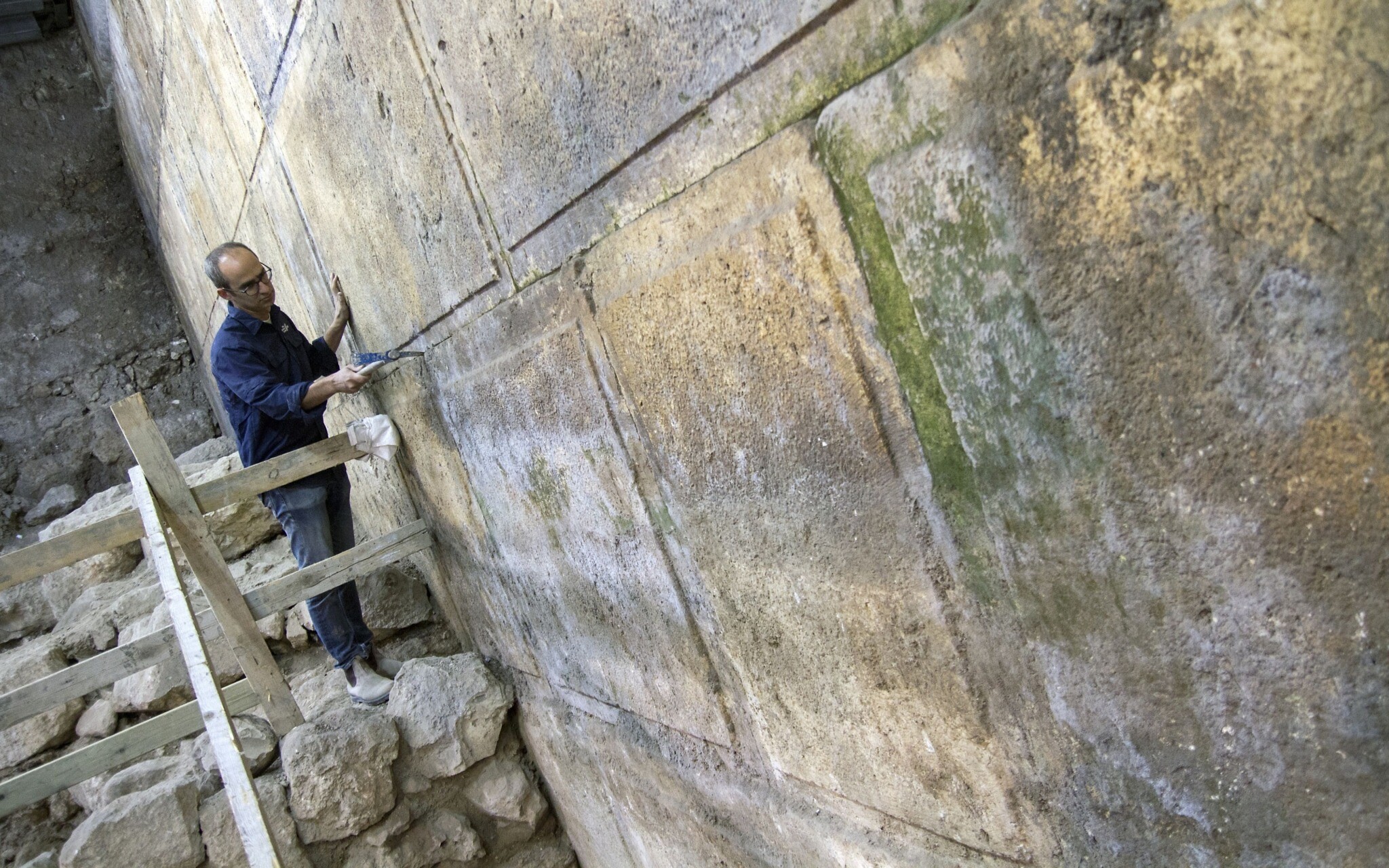
READ: “Scientists ‘set the clock’ for ancient Jerusalem, prove who built Temple bridge”
A revolutionary radiocarbon-dating technique can now securely pinpoint when monumental structures in Jerusalem’s Old City — including the famed Wilson’s Arch — were constructed. By meticulously collecting organic material in each excavated stratified layer and carbon-dating minuscule samples taken from ancient mortar, an interdisciplinary team from the Weizmann Institute and the Israel Antiquities Authority can now lay to rest abiding debates on when ancient Jerusalem structures were constructed. For a change, scientists are stepping out of the laboratory and into the field.
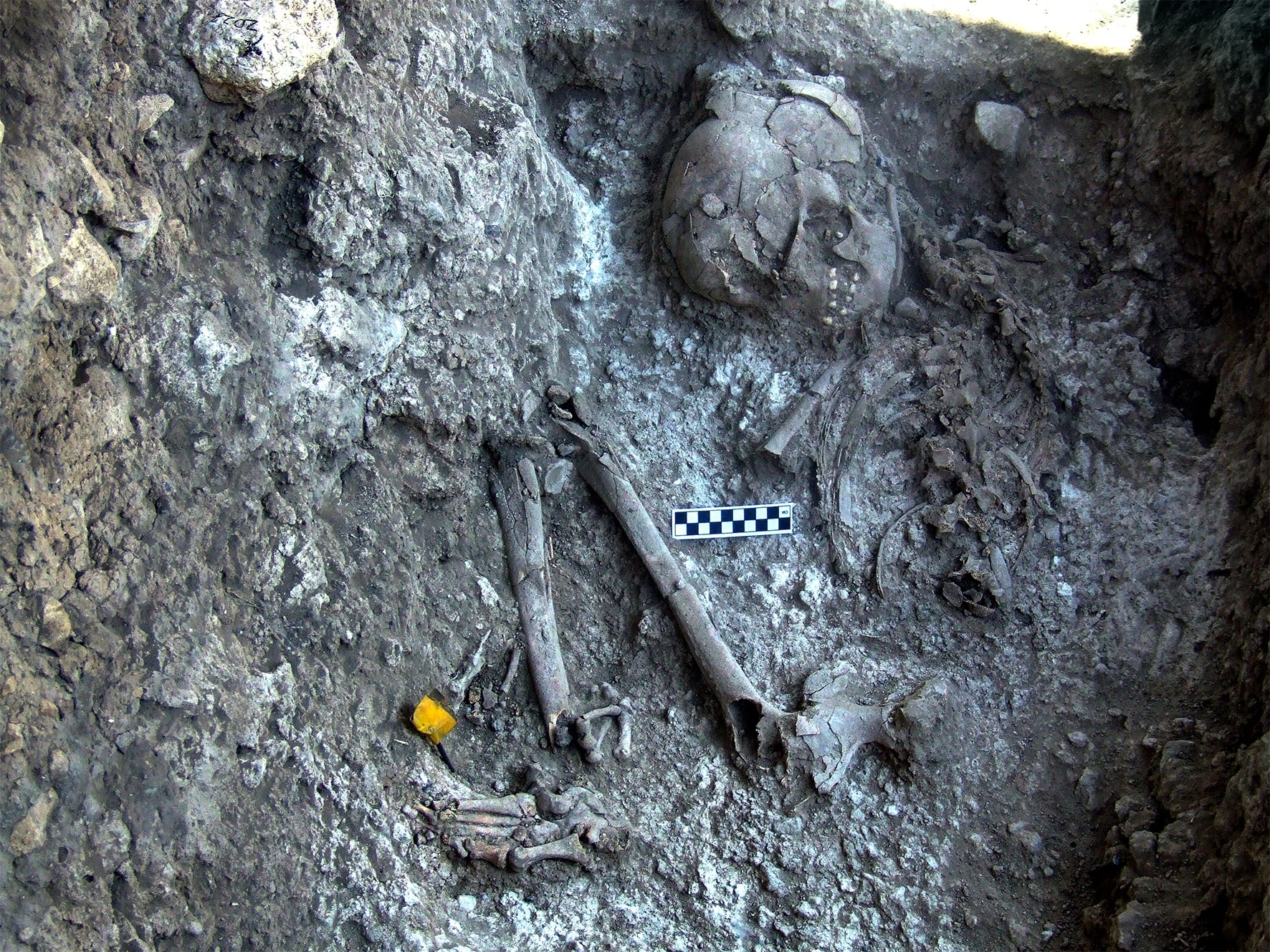
READ: “1st complete strontium isotope map of Israel tracks ancient human migration”
A team of Australian Earth scientists have completed the first comprehensive strontium isotope mapping of Israel. Strontium isotopes, found in most soil, eventually make their way to human and animal bones and teeth, where they serve as a “fingerprint” of the locations in which the organisms resided.
4) ‘Firsts’ from prehistory
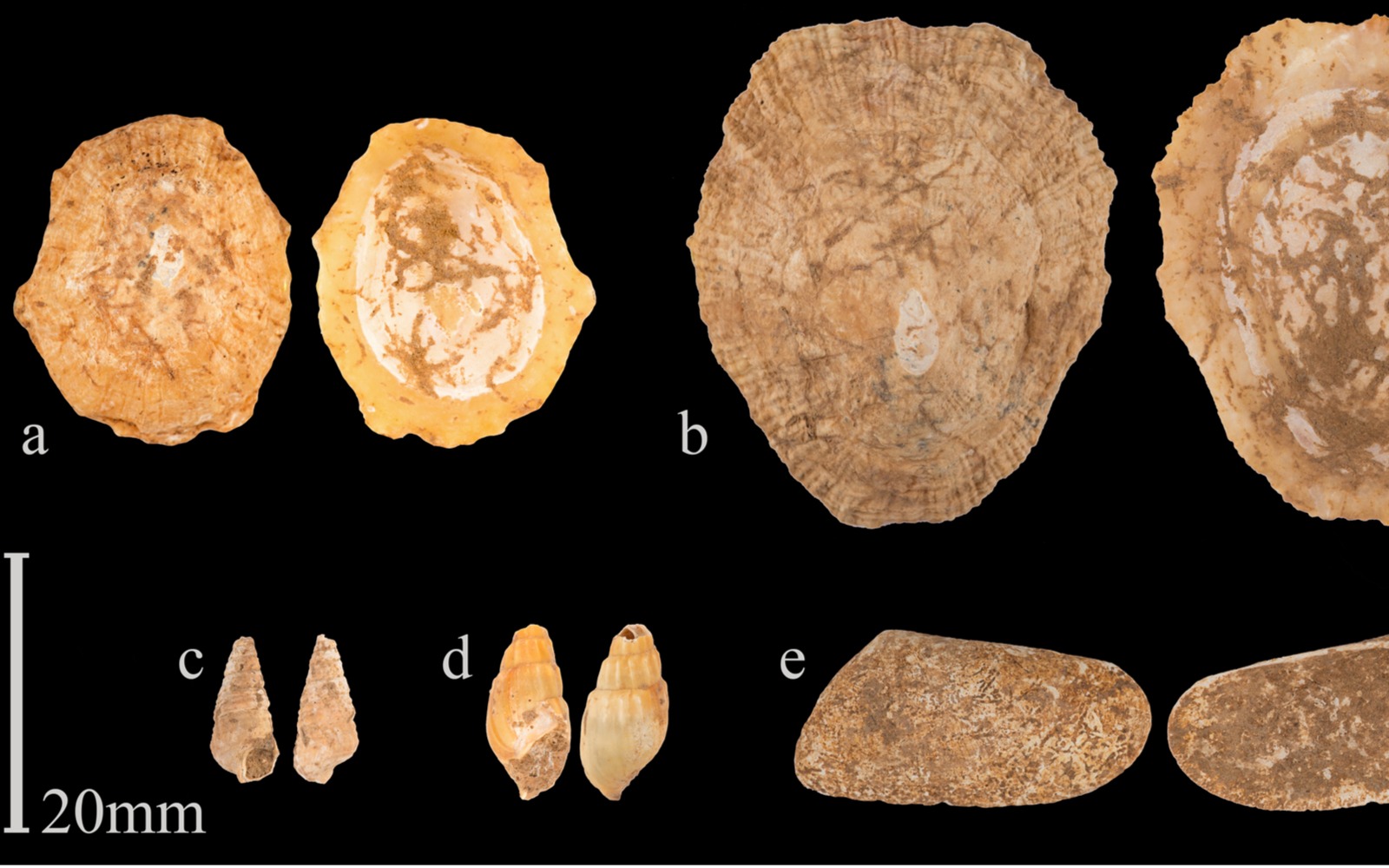
READ: “World’s 1st necklace? Prehistoric painted shells, once on twine, found in Israel”
Sometime around 160,000 to 120,000 years ago, early man began to string together painted shells and display them, according to a new international, interdisciplinary study published in the open-sourced PLOS One journal. The authors, a team of scientists led by Tel Aviv University’s Daniella E. Bar-Yosef Mayer and University of Haifa’s Iris Groman-Yaroslavski, performed “use-wear” experiments on bittersweet clam (Glycymeris) shell collections excavated in two northern Israel caves. They discovered that the naturally occurring holes in the bivalve shells showed proof of having been strung on flax twine, apparently to form early humans’ first necklaces.

READ: “‘Globalized’ early Bronze Age Levantines consumed exotic Asian nosh, study shows”
Proving a network of elusive Bronze Age trade routes is like pulling teeth for scholars. Taking that quite literally, the lead authors of a new scientific paper analyzed ancient Southern Levant dental tartar and uncovered a cornucopia of minuscule last suppers — the exotic ingredients of which shore up an increasingly recognized academic theory of a “globalized” 2nd millennium BCE Bronze Age.
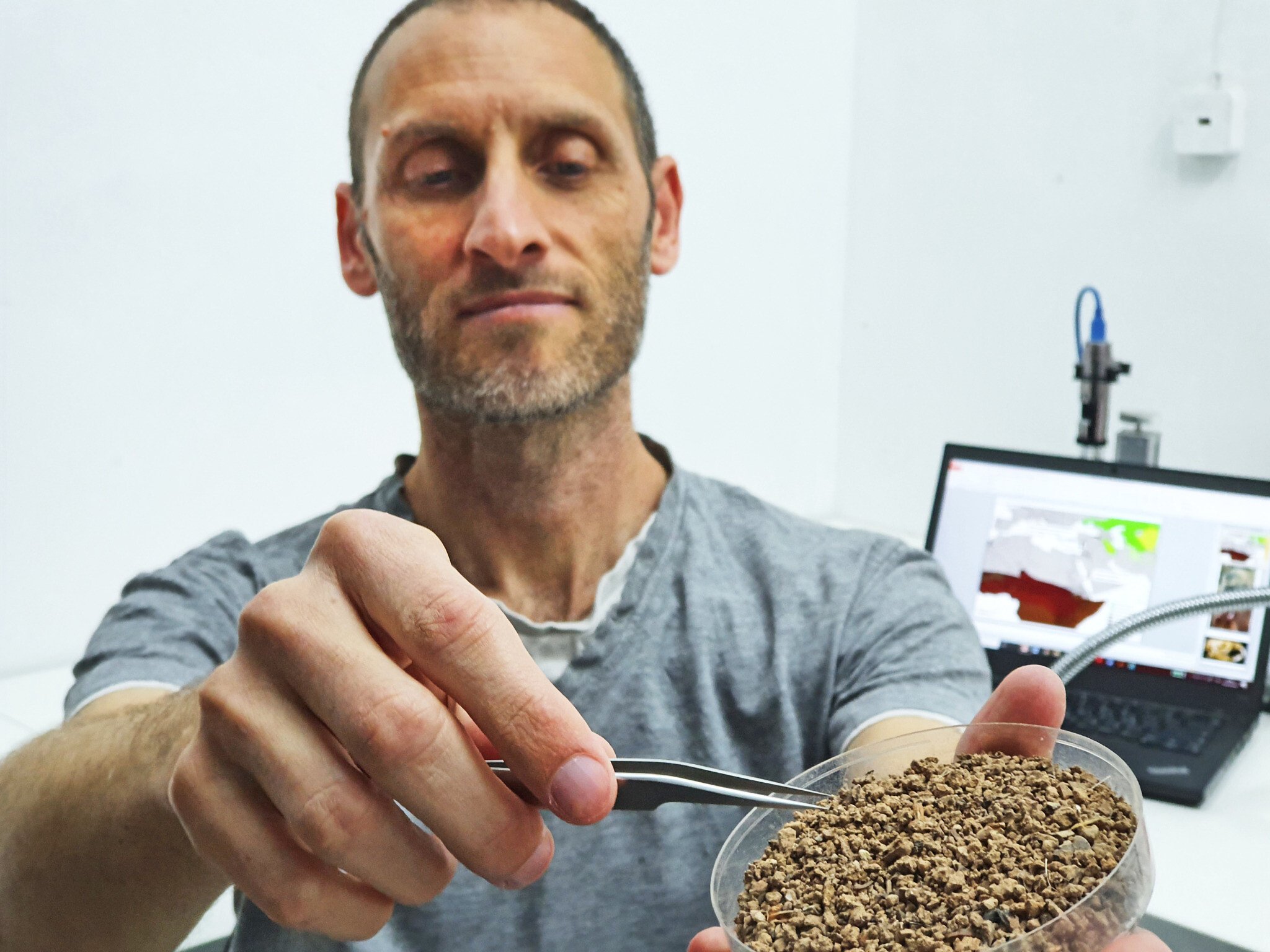
READ: “Fossils show 1st intrepid humans left Africa 200,000 years ago for an icy Israel”
Tiny rodent fossils found in a cave on Israel’s Mount Carmel could shift our understanding of human evolution, indicating that the first venturesome humans who migrated from Africa to Israel 200,000 years ago did so during an Ice Age.
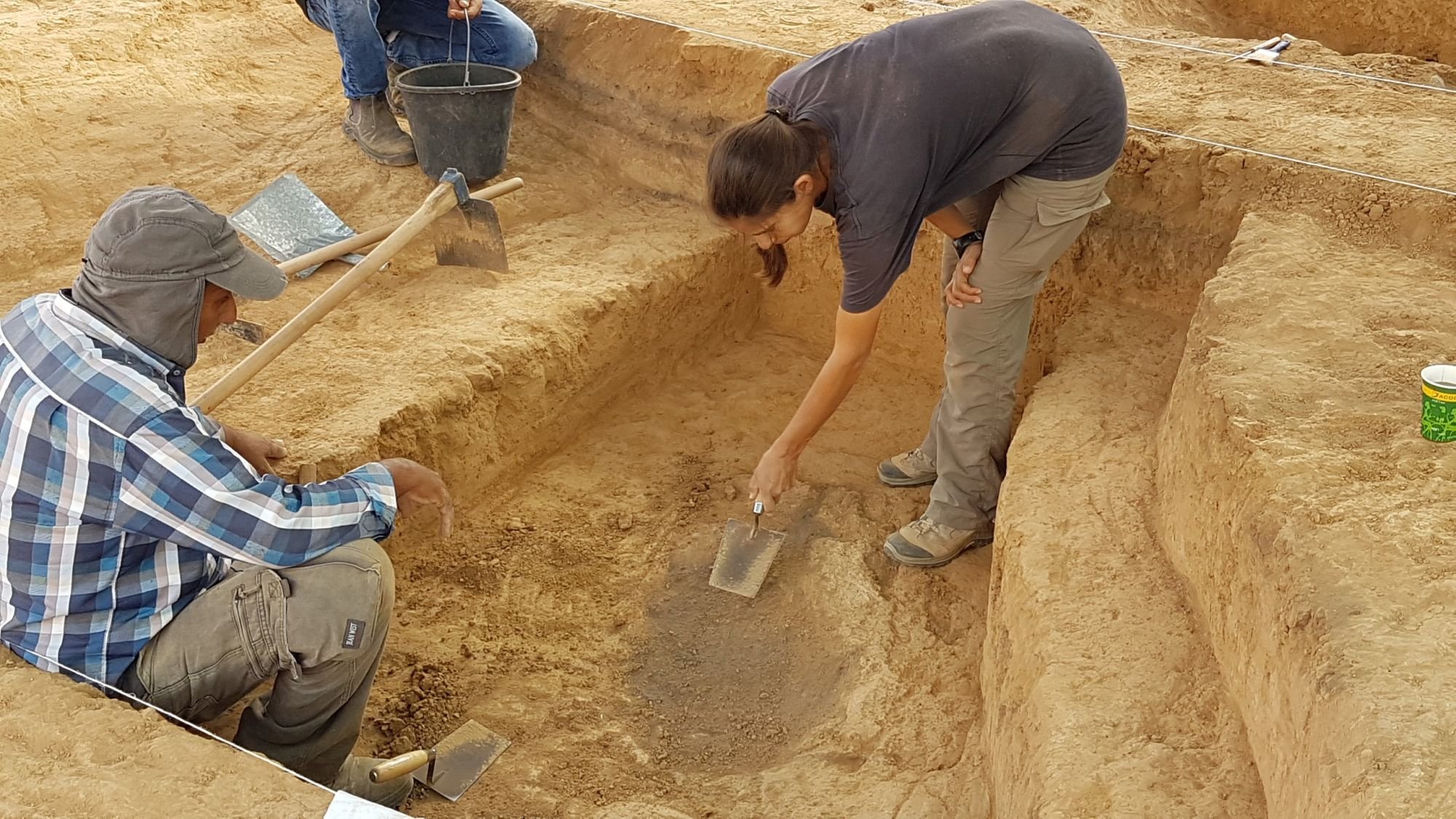
READ: “6,500-year-old metalworkers: Humanity’s 1st smelting furnaces found in Israel?”
A new archaeological study shows that even some 6,500 years ago, Israel was already a startup nation — complete with a metallurgy R&D hub in Beersheba. Salvage excavations in the Negev Desert capital in 2017 revealed 6,500-year-old copper smelting workshops using the earliest-known evidence of furnaces instead of small portable crucibles for metallurgy.
If you enjoy reading about archaeology, check out these Times of Israel Podcasts and have a listen:
A tour of the Tower of David with archaeologist Amit Re’em, plus an Arabic-language inscription that changes the dating on at least one of the citadel’s walls.
An in-depth discussion with Prof. Eric Cline on Megiddo’s early (very juicy) excavations.
Prof. David Ben-Shlomo on his excavations in ancient Hebron, and recent research on stolen pottery.
Archaeologist Yardenna Alexandre on what she’s seen while excavating in Jesus’s home town.
7-meters under Jerusalem’s Old City next to the Western Wall with archaeologist Dr. Barak Monnickendam-Givon.
Pnina Shor, the founding Curator and Head of the Dead Sea Scrolls unit in the Israel Antiquities Authority, for a DSS 101.
Excavating at biblical Shiloh: Dr. Scott Stripling on why he doesn’t expect to find the Ark of the Covenant.
Subscribe to The Times of Israel podcasts on iTunes, Soundcloud, TuneIn, Pocket Casts, Stitcher, PlayerFM or wherever you get your podcasts.










The Times of Israel Community.