

Police forensics join AI algorithms to track down who wrote the Bible, and when
An unprecedented Tel Aviv University study combines human handwriting know-how with cutting-edge computer science to analyze literacy of Judahites in 7th century BCE Arad
 Add ToI as a Preferred Source on Google
Deputy Editor Amanda Borschel-Dan is the host of The Times of Israel's Daily Briefing, What Matters Now and The Reel Schmooze podcasts, and heads up The Times of Israel's features.
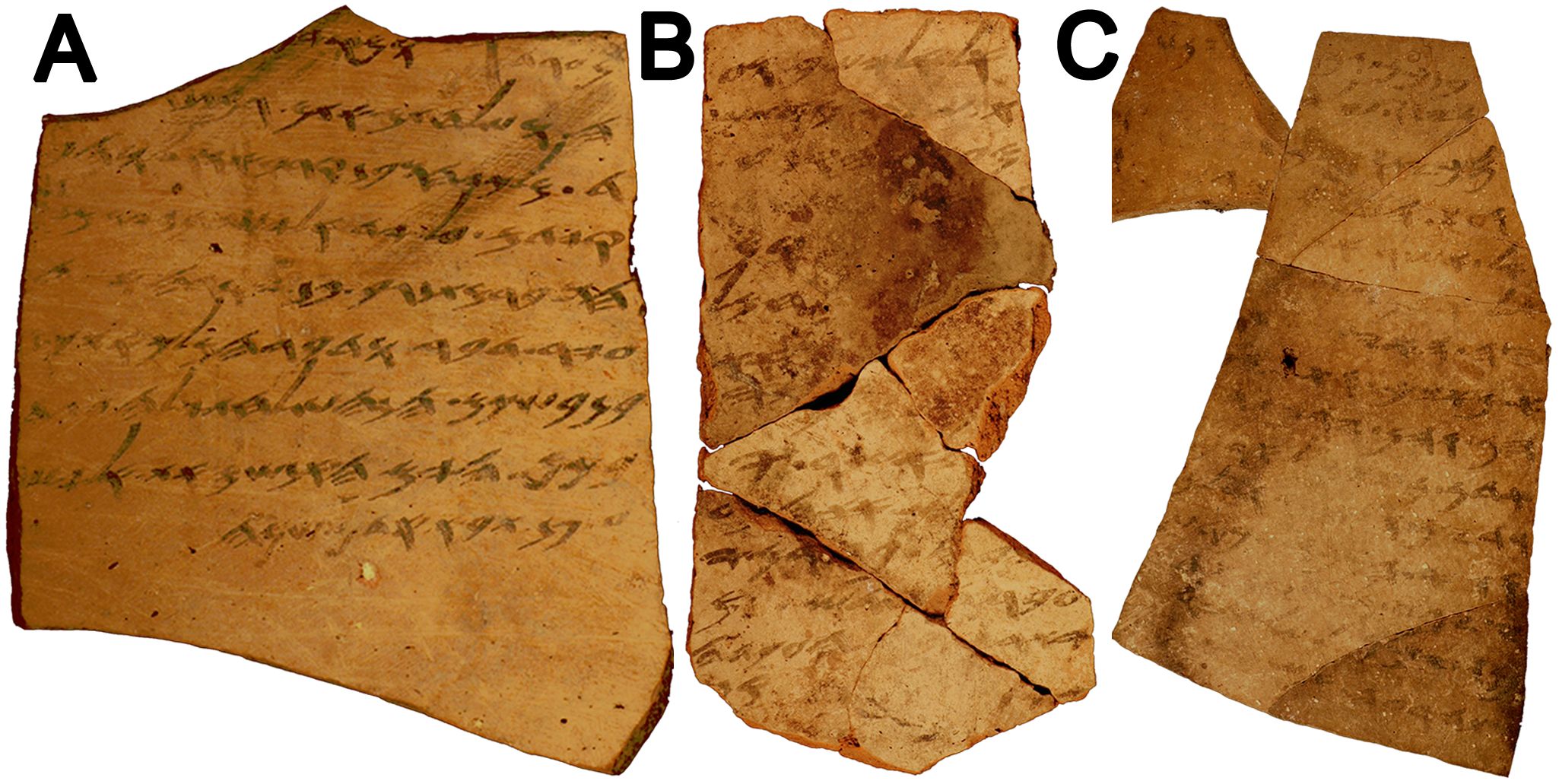
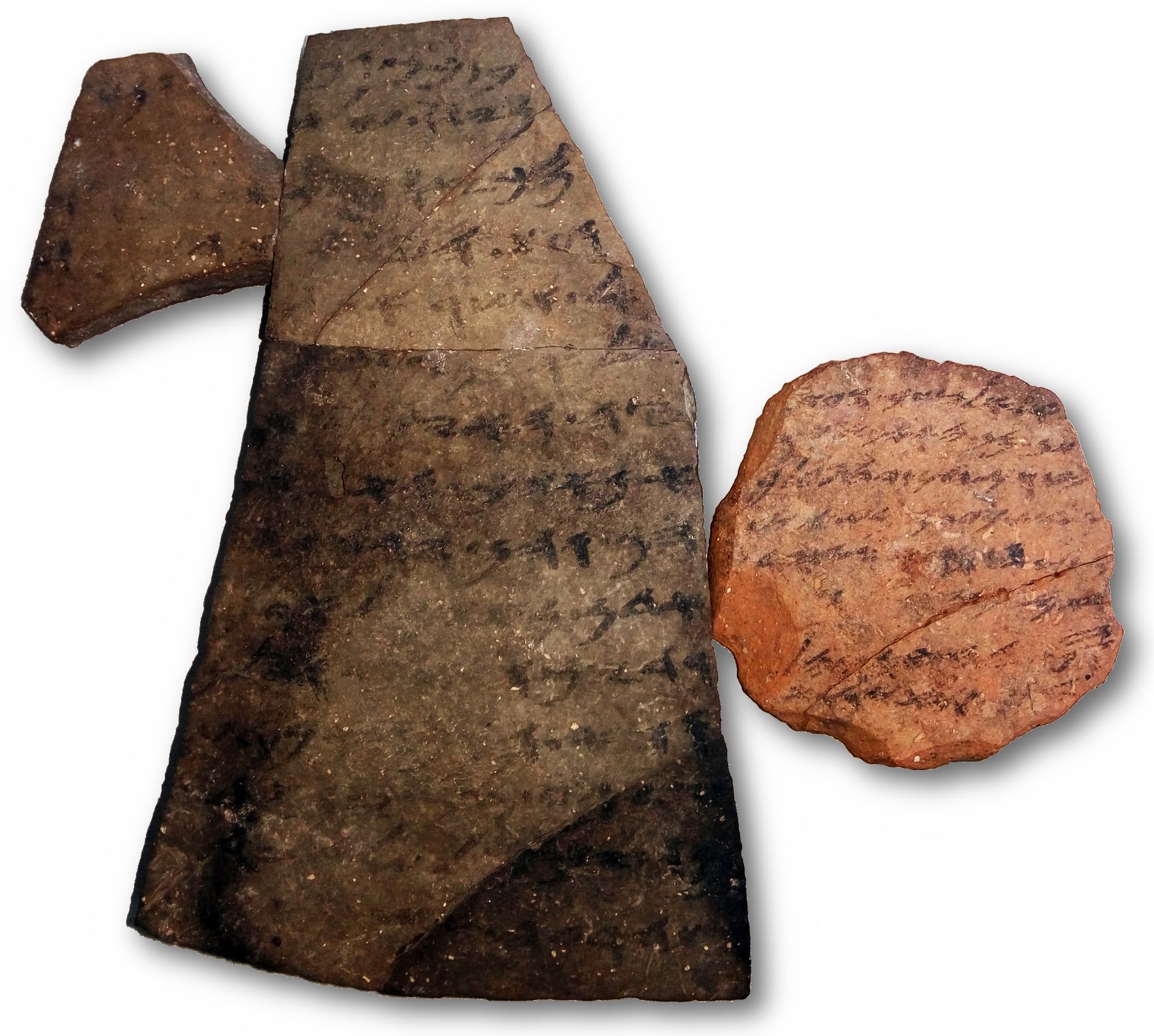
Old-fashioned police forensics analysis met hi-tech computer algorithms in a new study of 2,500-year-old pottery sherds, in which Tel Aviv University researchers conclude that literacy was widespread enough for the fledgling People of the Book to have penned parts of the Bible in the 7th century BCE.
“The high literacy rate detected within the small Arad stronghold… demonstrates widespread literacy in the late 7th century BCE Judahite military and administration apparatuses, with the ability to compose biblical texts during this period a possible by-product,” write the researchers.
This is the first study to combine forces between AI algorithms and human forensics know-how, the researchers note. The study, “Forensic document examination and algorithmic handwriting analysis of Judahite biblical period inscriptions reveal significant literacy level,” was published September 9 in the prestigious online PLOS journal.
The study combines high-resolution imaging methods and complex computer algorithms with trusted police handwriting analysis to prove that the examined 18 texts had no fewer than 12 different authors way back in circa 600 BCE.
A trove of some 100 ostraca — inscribed pottery sherds — were unearthed in a 1960s excavation of a small, remote military fortress at Tel Arad in the Negev. The sherds were used for everyday correspondence between military supply masters, and were mostly addressed to a person named Elyashiv, who is thought to be the quartermaster in the fortress.
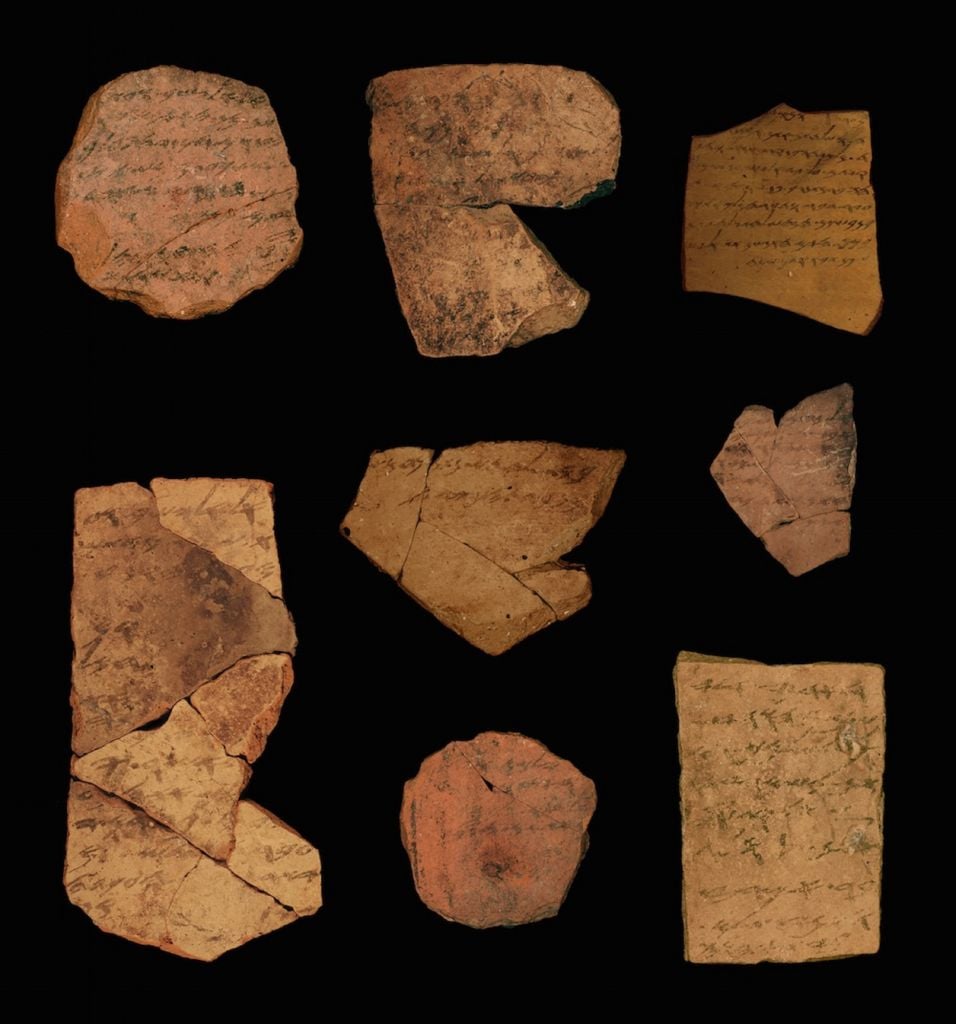
Unsurprisingly, most of the language deals with words centering around foodstuffs and shipment orders, but one inscription includes “the King of Judah” and another states, “the house of YHWH,” which the authors hypothesize refers to the Temple in Jerusalem.
While the stash has been studied in depth by scholars ever since its discovery, in 2017 new multispectral imaging techniques developed by a TAU team of applied mathematicians, archaeologists and physicists — co-directed by archaeology Prof. Israel Finkelstein and physics Prof. Eli Piasetzky — revealed new, additional ancient Paleo-Hebrew writing on previously “blank” sherds.
For this further research, now on the authorship of the sherds’ texts, the Tel Aviv University scientists called in the big guns: Forensic handwriting specialist Yana Gerber, who has served for 27 years in the Questioned Documents Laboratory of the Israel Police Division of Identification and Forensic Science, and in the police’s International Crime Investigations Unit.

“This study was very exciting, perhaps the most exciting in my professional career,” Gerber said in a press release. “These are ancient Hebrew inscriptions written in ink on shards of pottery, utilizing an alphabet that was previously unfamiliar to me. I studied the characteristics of the writing in order to analyze and compare the inscriptions, while benefitting from the skills and knowledge I acquired during my bachelor’s degree in classical archaeology and ancient Greek at Tel Aviv University.”
In addition to Gerber’s contributions, the team included two “enhanced writer identification algorithms,” which were also tested on the Arad ostraca. Whereas computer analysis only identified four to seven authors versus Gerber’s 12, according to the PLOS paper, there are no cases in which the forensic and algorithmic investigations came up with contradicting conclusions.
Who could have written the Bible, and when?
The basic research question asked by PLOS co-authors Dr. Arie Shaus, Shira Faigenbaum-Golovin, Dr. Barak Sober, Gerber, Piasetzky, and Finkelstein surrounds the longtime debate over when the Bible was written, specifically the books of Deuteronomy, Joshua, Judges, Samuel and Kings. There is a paucity of written texts following the 586 BCE Babylonian conquest, leading researchers to wonder if literacy really was widespread enough at the time to allow for the composition of the highly stylized sacred texts.
These ostraca, which date to a similar time period as the Babylonian conquest, illustrate that even at Tel Arad, a small military post on the southern border of the Kingdom of Judah that housed between 20 and 30 soldiers, there are solid indications of a multitude of scribes.
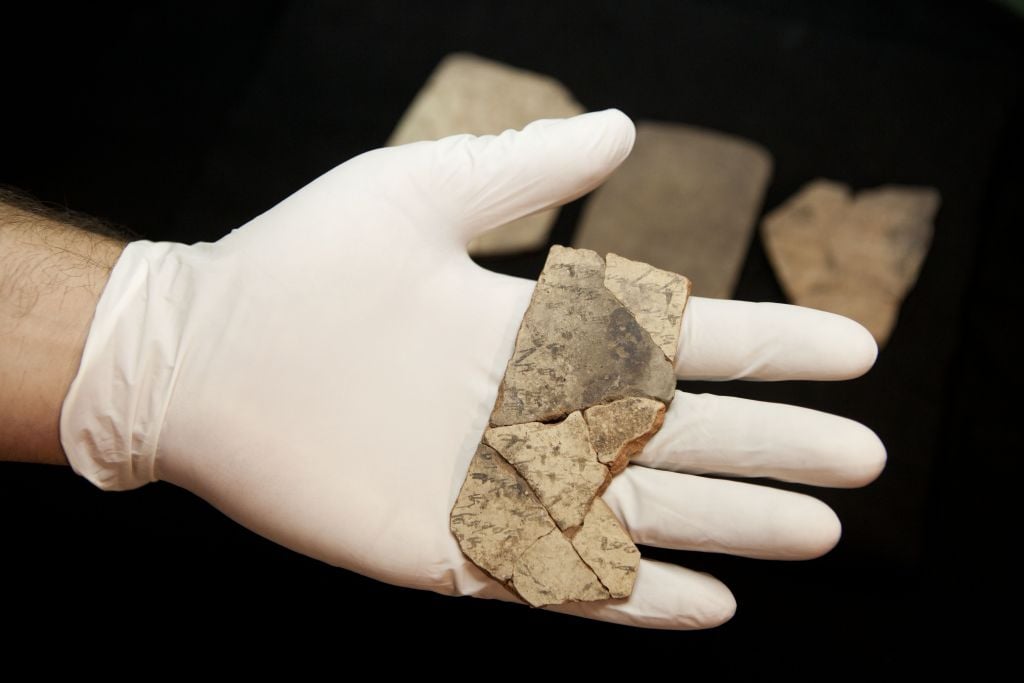
The Tel Arad ostraca are today housed in several locations, including a prominent display at the Israel Museum, the Eretz Israel Museum, the Sonia and Marco Nedler Institute of Archaeology of Tel Aviv University, and the Israel Antiquities Authority’s warehouses at Beit Shemesh, which all allowed Gerber access.
The new authorship information discerned by forensics specialist Gerber has already changed researchers’ perceptions of the correspondence.
“An expert in handwriting analysis knows not only how to spot the differences between writers more accurately, but in some cases may also arrive at the conclusion that several texts were actually written by a single person,” said lead author Shaus in a press release. After seeing Gerber’s conclusions, the team constructed a “flowchart of the correspondence concerning the military fortress – who wrote to whom and regarding what matter,” which sheds light on the Judahite army’s chain of command.
“For example, in the area of Arad, close to the border between the kingdoms of Judah and Edom, there was a military force whose soldiers are referred to as ‘Kittiyim’ in the inscriptions, most likely Greek mercenaries,” stated Shaus. “Someone, probably their Judahite commander or liaison officer, requested provisions for the Kittiyim unit. He writes to the quartermaster of the fortress in Arad ‘give the Kittiyim flour, bread, wine’ and so on. Now, thanks to the identification of the handwriting, we can say with high probability that there was not only one Judahite commander writing, but at least four different ones. It is conceivable that each time another officer was sent to join the patrol — they took turns.”
Likewise, according to the PLOS article, there are at least three writers among the 20-30 military personnel stationed at the remote Arad fortress. From this, and from the simple fact of 12 authors for 18 texts, co-author Sober extrapolates that there was a high per-capita density of literate officers.
“The commanding ranks and liaison officers at the outpost, and even the quartermaster Elyashiv and his deputy, Nahum, were literate. Someone had to teach them how to read and write, so we must assume the existence of an appropriate educational system in Judah at the end of the First Temple period,” said Sober.
He cautioned that he is not postulating that there was near-universal literacy, such as seen in contemporary Israeli society, but that “significant portions of the residents of the kingdom of Judah were literate.”
However, as the article states, “Widespread writing within the military, religious and civil bureaucracies hint at the existence of an appropriate educational system in Judah at the end of the First Temple period.”
Leading Israeli archaeologist Finkelstein said that while previous discussions of Judahite have consisted of “circular arguments” based on evidence of scribes found within the Bible, “We have shifted the discussion to an empirical perspective.”

“If in a remote place like Tel Arad there were, over a short period of time, a minimum of 12 authors of 18 inscriptions, out of the population of Judah — which is estimated to have been no more than 120,000 people. It means that literacy was not the exclusive domain of a handful of royal scribes in Jerusalem. The quartermaster from the Tel Arad outpost also had the ability to read and appreciate them,” Finkelstein said.
However, this literacy may have been short lived: The article states that “judging from archaeological data, the destruction of Jerusalem by Nebuchadnezzar in 586 BCE brought about decline if not cessation of this significant Hebrew literary activity in the southern highlands for the next four centuries.”
On the trail of a scribe
Even the earliest studies of the Arad ostraca pointed to different authorships. Somewhat amusingly, one well-known example sees a scribe mix-up the letters “peh” and “bet” on sherd Arad 28, and as a result a word for the Hebrew “soul” or “nefesh” was incorrectly written as what could be read as “nebbish” (Yiddish for a weak man). Other sherds did not include this letter switch and were presumably written by a different hand.
The 16 particular inscribed sherds were chosen because of their “relative clarity and potential for character reconstruction,” according to the PLOS article. Two of the sherds had inscriptions on both sides and so are counted as two texts each.

To get a 360-degree look at the 18 texts, Gerber said she delved into the microscopic details of the inscriptions written by these First Temple Judahites, “from routine issues such as orders concerning the movement of soldiers and the supply of wine, oil and flour, through correspondence with neighboring fortresses, to orders that reached the Tel Arad fortress from the high ranks of the Judahite military system.
“I had the feeling that time stood still and there was no gap of 2,600 years between the writers of the ostraca and ourselves,” said Gerber.
I had the feeling that the time stood still and there was no gap of 2,600 years between the writers of the ostraca and ourselves
Gerber explained that handwriting is made up of unconscious habit patterns that are unique to each person and is a sort-of “fingerprint” of the author. Clearly, not every single character written by the same person is identical, nor would a person copy the same text in an identical manner. “Thus, the forensic handwriting analysis aims at tracking features corresponding to specific individuals, and concluding whether a single or rather [multiple] different authors wrote the given documents.”
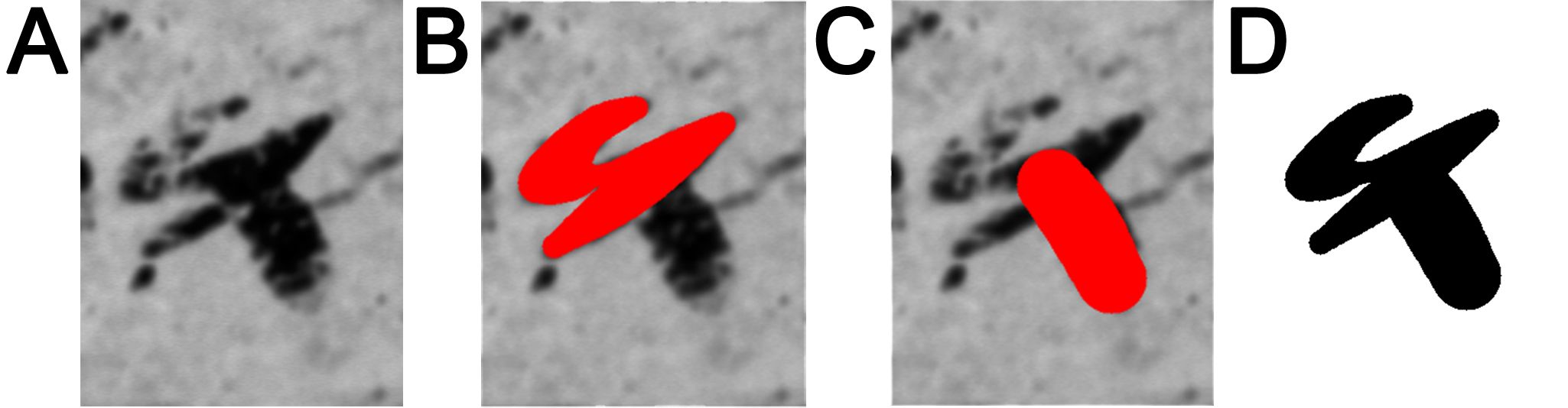
She said handwriting examination is divided into three processes: analysis, comparison, and evaluation. During the analysis, she conducts a holistic examination of each inscription individually and charts characteristic features, such as the spacing between letters, their proportions, and slant. In the comparison stage, she contrasts the “fingerprints” in several different handwritten texts.
“Consistent patterns, common for different inscriptions, are identified; i.e., the same combinations of letters, words, punctuation,” she said. In the final stage, Gerber evaluates “identicalness or distinctiveness” across the samples.
These same techniques are used today, in police investigations with potentially more dire consequences.
“It should be noted that according to an Israel Supreme Court ruling, a person can be convicted of a crime based on the opinion of a forensic handwriting expert,” said Gerber.









The Times of Israel Community.