

New direct Tel Aviv-Manila route set to spur tourism and trade ties with Philippines
Arkia to launch first nonstop flights between Tel Aviv and Manila on Jan. 3, 2027; Philippine ambassador says new route is springboard to free trade agreement with Israel
 Add ToI as a Preferred Source on Google
Sharon Wrobel is a tech reporter for The Times of Israel
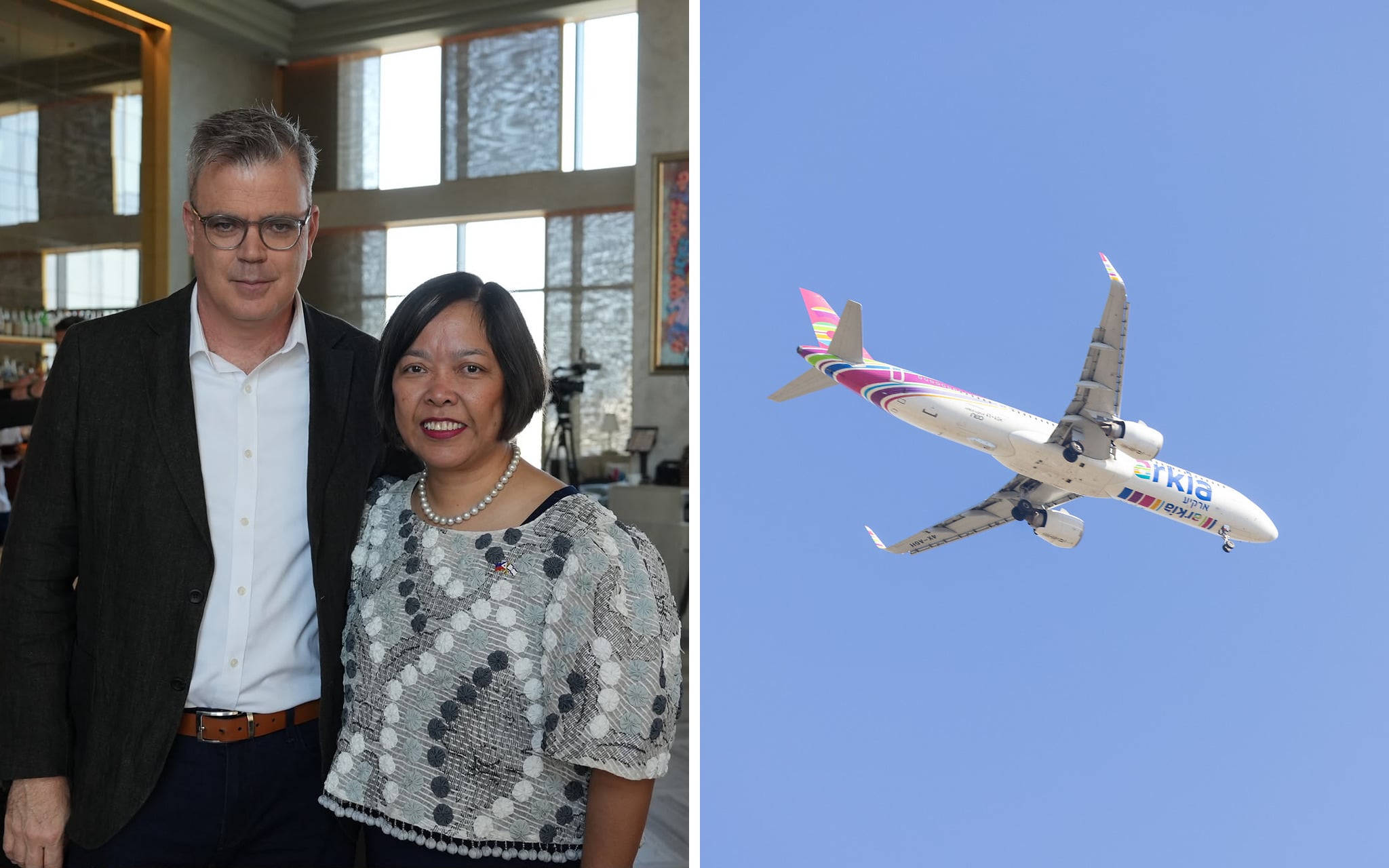
Arkia will become the first Israeli airline to launch direct flights to the Philippines in January, a move expected to catalyze tourism and economic ties as the two nations explore a potential future free trade agreement.
The new route to Manila’s Ninoy Aquino main international airport will commence on January 3, 2027, with one weekly direct flight departing on Sundays. The route will be operated using a wide-body Airbus A330 aircraft of GullivAir. One-way ticket prices will start at $750 for economy class seats and $1,800 for business class seats.
Earlier this year, El Al expressed the intention to launch direct flights to Manilla, but no firm start date has since been announced.
“The launch of the Manila route is another step in further deepening Arkia’s operations in the Far East,” Arkia CEO Oz Berlowitz said at a press conference in Tel Aviv on Tuesday. “Following New York, Thailand, Vietnam and Japan, we continue to expand the range of direct flight options from Israel.”
“The Philippines is a fascinating destination with significant tourism potential, alongside business, economic and diplomatic potential for deepening ties between Israel and the Philippines,” said Berlowitz.
This year, a total of 19,552 Israeli tourists visited the Philippines as of the end of August while more than 2,300 Filipino tourists traveled to Israel, according to preliminary data provided by the Philippine Tourism Ministry. Two-way tourist traffic reached about 21,852 during the period. At this pace, 2026 traffic is expected to surpass the record 23,955 tourists recorded for the whole of 2025.
Israel also employs a large number of Filipino workers as caregivers and domestic helpers, who often travel home to visit family.

“Israelis simply love the Far East and destinations that were once seen mainly as places for backpackers and young travelers have become much more accessible to a broader Israeli audience, thanks to organized tours, better tourism infrastructure and easier access,” said Eshet Tours CEO Gil Hahn. “Over the past year, we have seen a consistent jump in demand for organized trips to the Philippines, while Thailand remains the undisputed favorite.”
“A direct route to Manila could be a real game changer, making the country significantly more accessible and opening it up to many Israelis who until now may have considered it too complicated or too far away,” Hahn added.
Also speaking at the Arkia conference, Philippine Ambassador to Israel Aileen Mendiola said that the direct route to Manila will help unlock economic opportunities as the two countries explore ways to boost bilateral trade ties.
“One of my goals as an ambassador, aside from the direct flight, is that I want to start a discussion on a free trade agreement between Israel and the Philippines,” Mendiola said. “This flight will make that happen.”
Mendiola elaborated that trade between the two countries is mostly in the areas of semiconductors, electronics and aircraft parts. Total bilateral trade in 2025 was around $362.2 million.
“We want cargo to be full with products from both sides,” said Mendiola. “That’s why this direct flight is important, as I believe that if the volume and demand is there, then hopefully a free trade agreement can happen.”
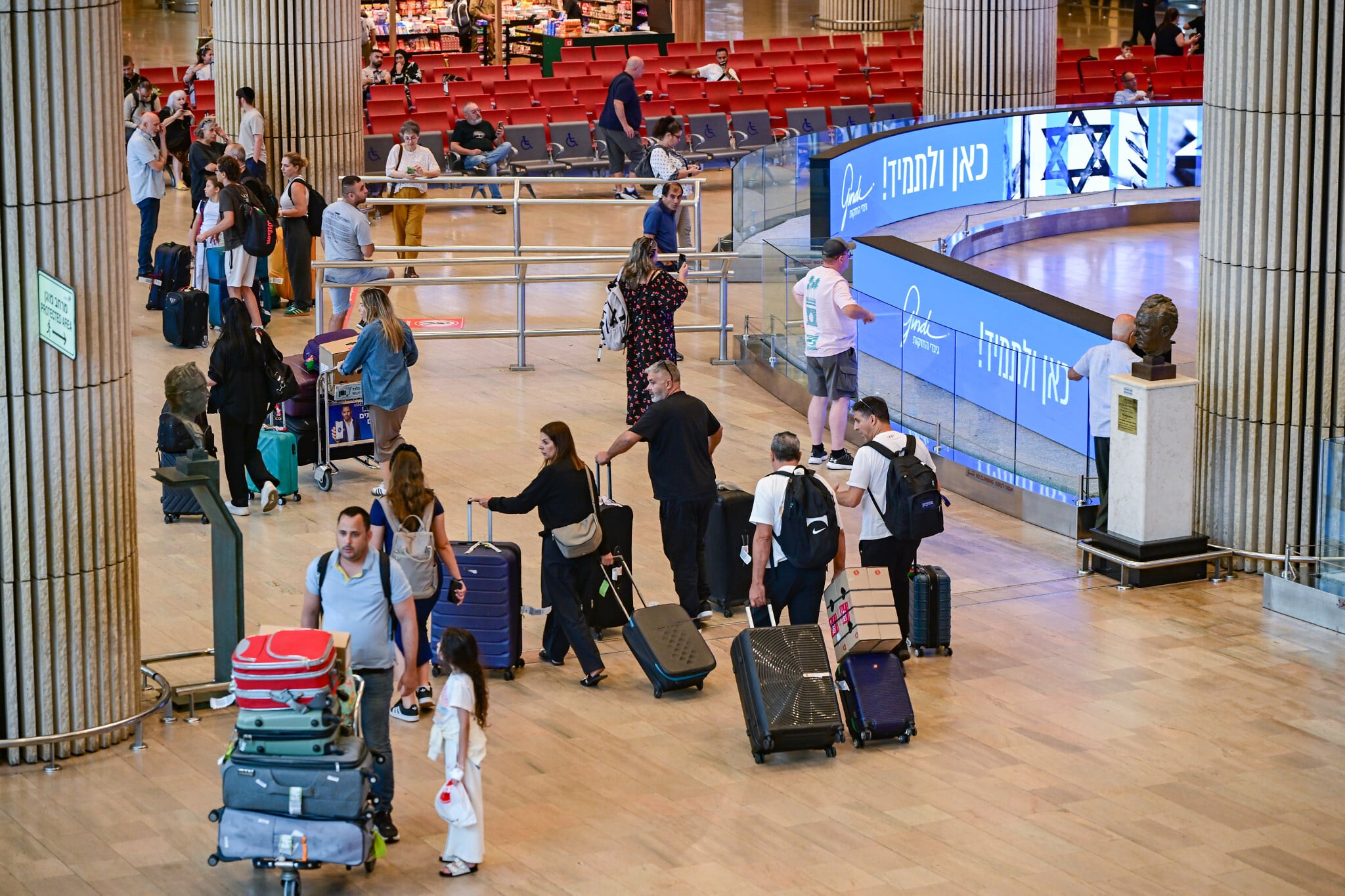
“Beyond that, the Philippines are a jumping board for Israeli companies to sell products to Southeast Asian countries because the Philippines are part of the Association for Southeast Asian Nations (ASEAN), and we have a network of free trade agreements,” Mendiola noted.
In July 2025, Economy Minister Nir Barkat visited the Philippines and held talks with his counterpart to deepen bilateral trade, investment, and technology ties. At the time, the intention to start discussions toward a free trade agreement was also announced. A free trade agreement would lower or eliminate tariffs on goods and reduce production costs.
Earlier this year, Israel and the Philippines discussed deeper bilateral trade and technology cooperation under the Pax Silica Initiative, with a focus on critical minerals, semiconductors, and innovation.








The Times of Israel Community.