

Israel opens first embassy in Slovenia’s capital, as thawing ties buck trend
Alpine nation was one of Israel’s harshest critics in Europe until new government flipped policy, but poll says closer ties to Jerusalem opposed by 56% of Slovenian public
 Add ToI as a Preferred Source on Google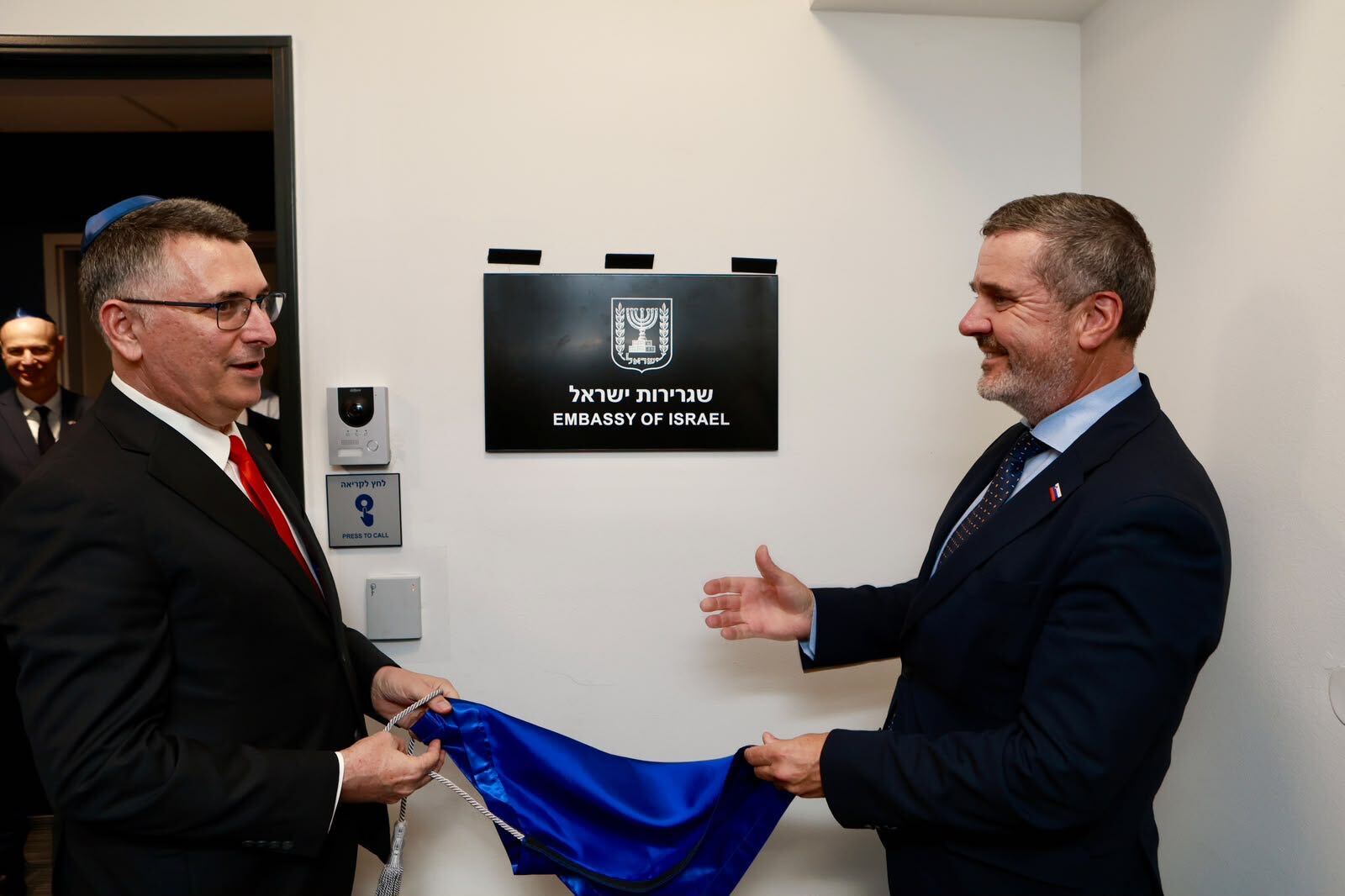
LJUBLJANA, Slovenia — A chill has set in between much of Europe and Israel recently over its policies toward Palestinians, but the Alpine nation of Slovenia is bucking the trend, as Israel opened its first embassy in the capital Ljubljana on Wednesday.
Under nationalist Prime Minister Janez Janša, Slovenia is launching a diplomatic reset of its relationship with Israel, which sent Foreign Minister Gideon Sa’ar to attend the opening ceremony.
It is an about-face from the policies of the previous center-left government, which had been one of the EU’s most critical voices on Israel’s military offensive in Gaza, which it described as “genocide.”
The offensive began after the Hamas-led October 7, 2023, massacre in southern Israel. Jerusalem has denied accusations of genocide, saying the war was aimed at eliminating the terror group that carried out the onslaught.
The embassy opening came a day after the United Kingdom and other European countries provoked Israeli fury by banning imports from settlements in the West Bank — the latest move by European governments grappling with growing international condemnation of Israeli policies toward Palestinians.
But in Slovenia, Jansa — who took office for the fourth time earlier this year, and who is often at loggerheads with the European Union — has instead received Israeli accolades for defying the EU over the West Bank settlements.
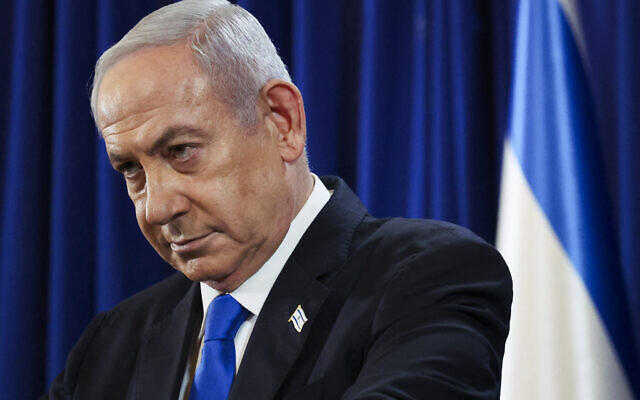
“Thank you PM Jansa for your courage and clarity amidst EU hypocrisy,” Prime Minister Benjamin Netanyahu posted on X late last month, after Slovenia vetoed an EU statement condemning the settlements.
Under Jansa, Slovenia has also reversed its own ban on imports from the settlements, lifted its arms embargo on Israel and scrapped entry bans on Netanyahu and two of his ministers.
Sa’ar, the foreign minister, inaugurated the embassy Wednesday during his first official visit to the country, with his ministry describing Jansa as a “friend of Israel.”
Jansa has said his government was “only normalizing Slovenia’s foreign policy and fixing the damage” caused by liberal ex-prime minister Robert Golob.
“To fulfil its priority of improving the well-being of Slovenians, the government will carry out pragmatic policies,” Jansa said in another post earlier.
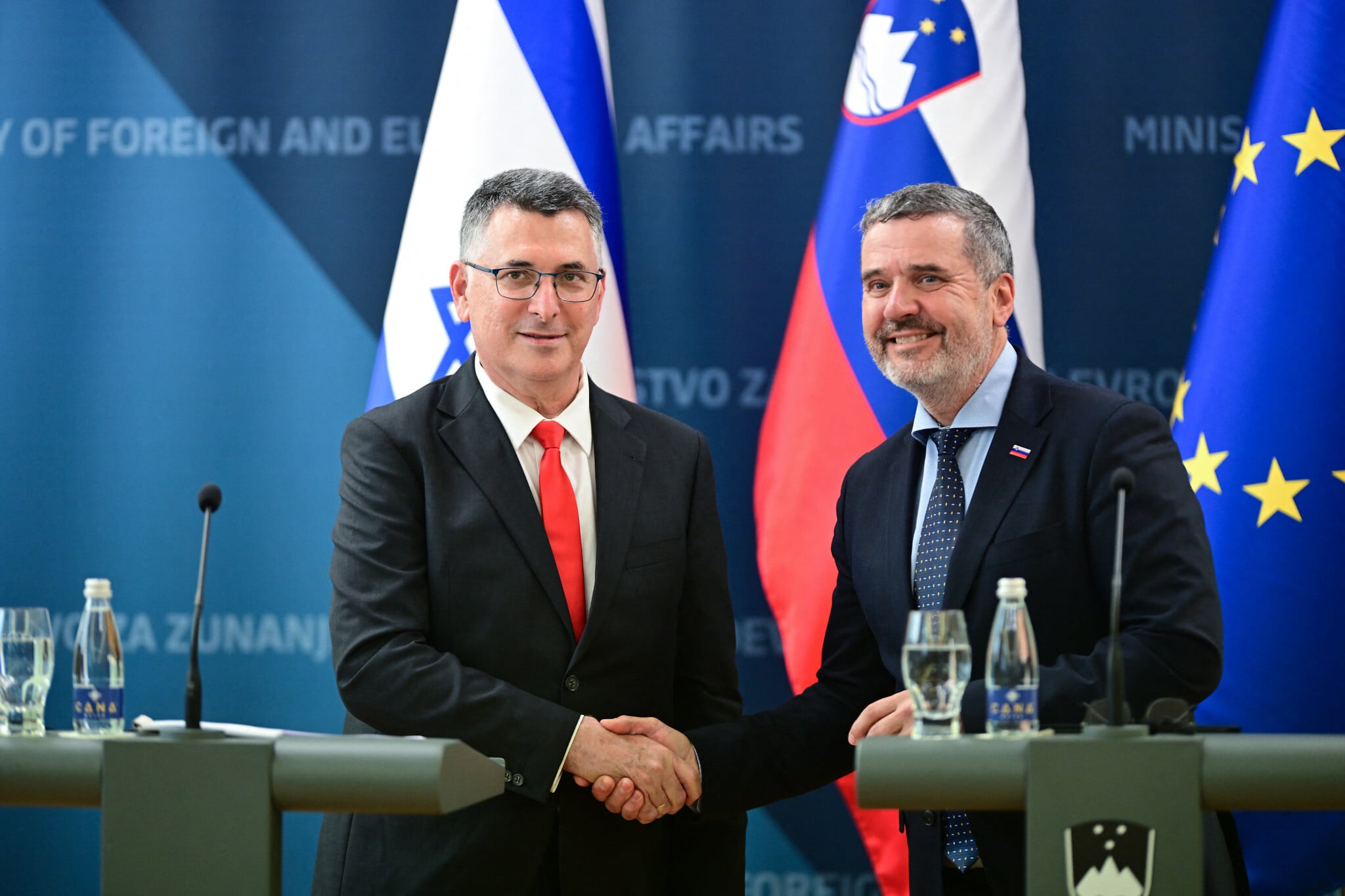
Speaking alongside Slovenian Foreign Minister Tone Kajzer on Wednesday afternoon, Sa’ar lauded Slovenia for “the friendship you have shown when it comes to Israel.”
“Slovenia… has stood and is standing with Israel when it matters,” Sa’ar told the press conference ahead of the inauguration. “Israel remembers its friends. As you have stood with us, we will stand with you.”
Protests and criticism
Not all Slovenians are on board, however.
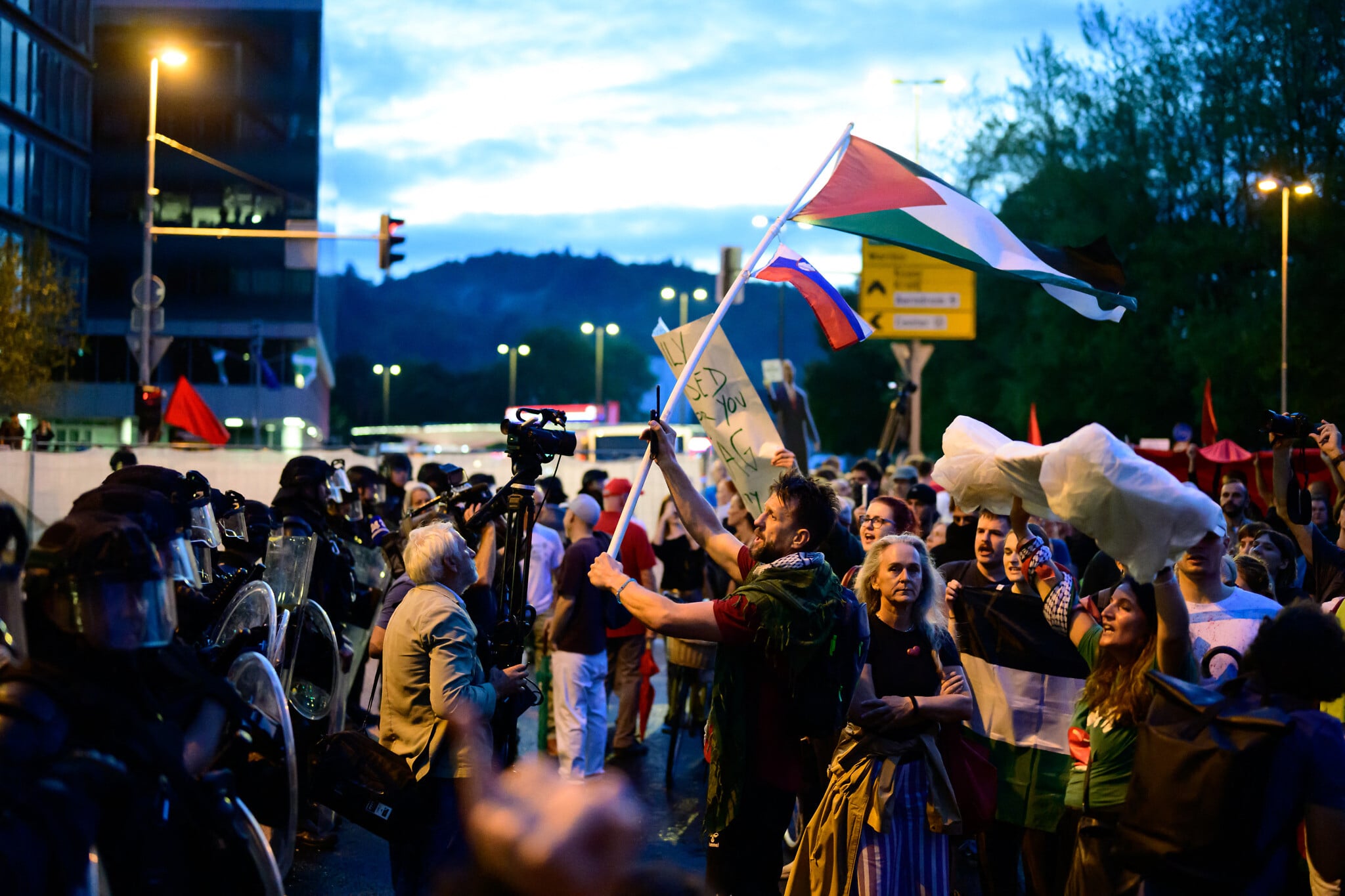
Thousands gathered under heavy police presence to march through central Ljubljana to pass the hotel where the opening inauguration took place.
Protesters were carrying banners that read “We stand together for peace and Palestine” and “Genocide is not self-defense.”
Urska Breznik, a 48-year-old art historian, said the Jansa administration was “a collaboration government.”
“This makes Slovenia look very bad,” another protester, 65-year-old pensioner Melina Sahernik, told AFP.
A poll conducted by the daily newspaper Delo in June found that 56 percent of Slovenians opposed closer ties with Israel, while 14% supported them.
Golob’s party has described the new embassy as “a return of the favor” for Israel’s alleged support of Jansa during the March election.
The last days of campaigning ahead of the March 22 vote were overshadowed by claims of foreign interference, with authorities probing whether Israeli company Black Cube was behind secretly recorded videos alleging graft in Golob’s government.
Jansa — who faced accusations that his party was linked to the videos — has admitted to having met a Black Cube official, but denied being behind the videos.
Daily Dnevnik’s columnist Darijan Kosir, in a weekend commentary, said Jansa was serving “as the US-Israel’s Trojan horse” in the EU, taking the place of Viktor Orban, Hungary’s long-time premier who lost the April elections.
Former president Danilo Turk told AFP that Slovenia has “become an instrument of Israeli policy.”
“This is a very uncomfortable situation,” said Turk, an International Law professor at Ljubljana University.







The Times of Israel Community.