

As settler violence surges, some ask whether Israel can’t crack down, or simply won’t
With attacks spreading across West Bank, locals and activists describe ‘vague’ orders, political pressure and systemic issues that result in troops punishing Palestinian victims rather than Israeli assailants
 Add ToI as a Preferred Source on Google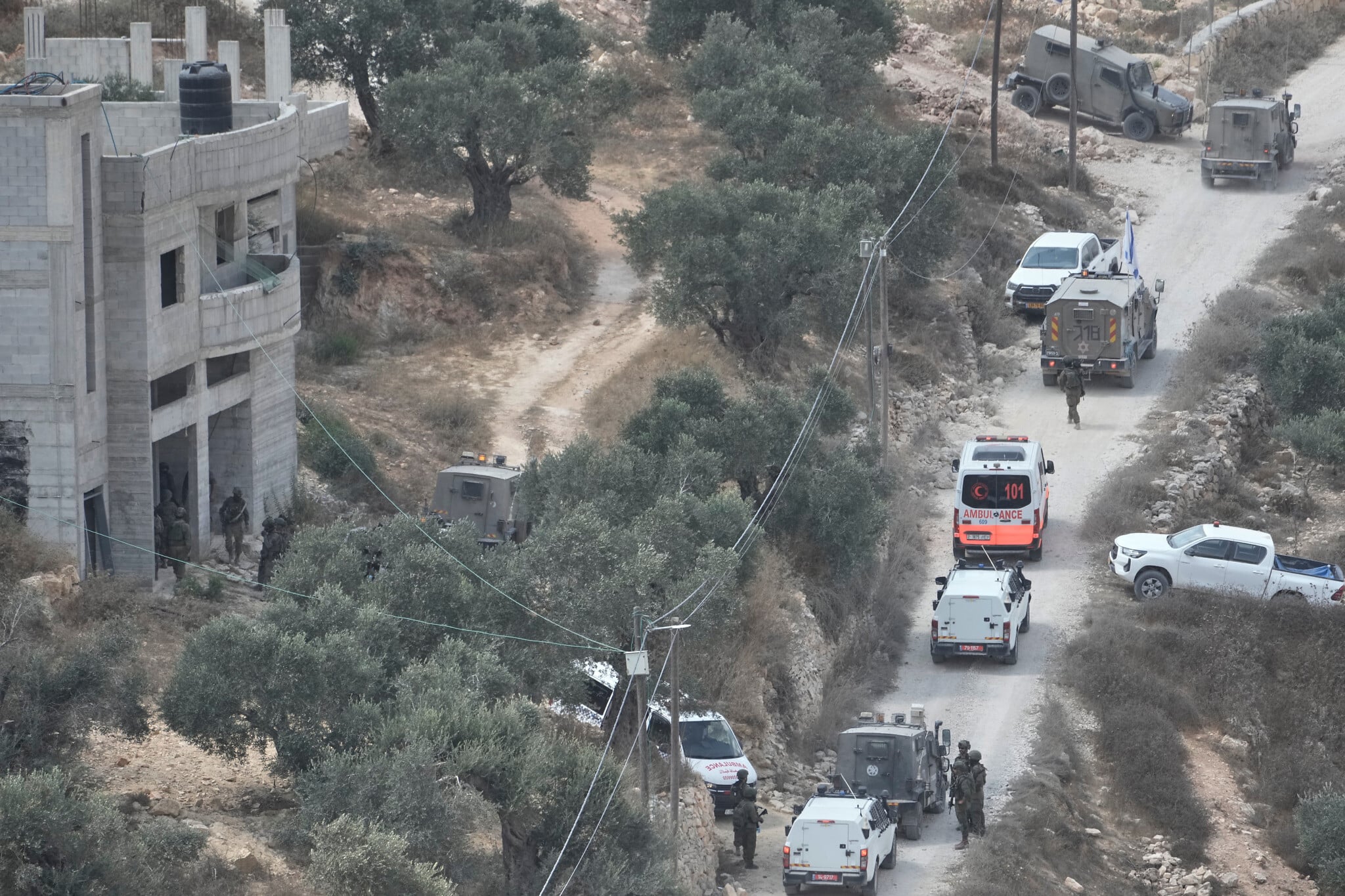
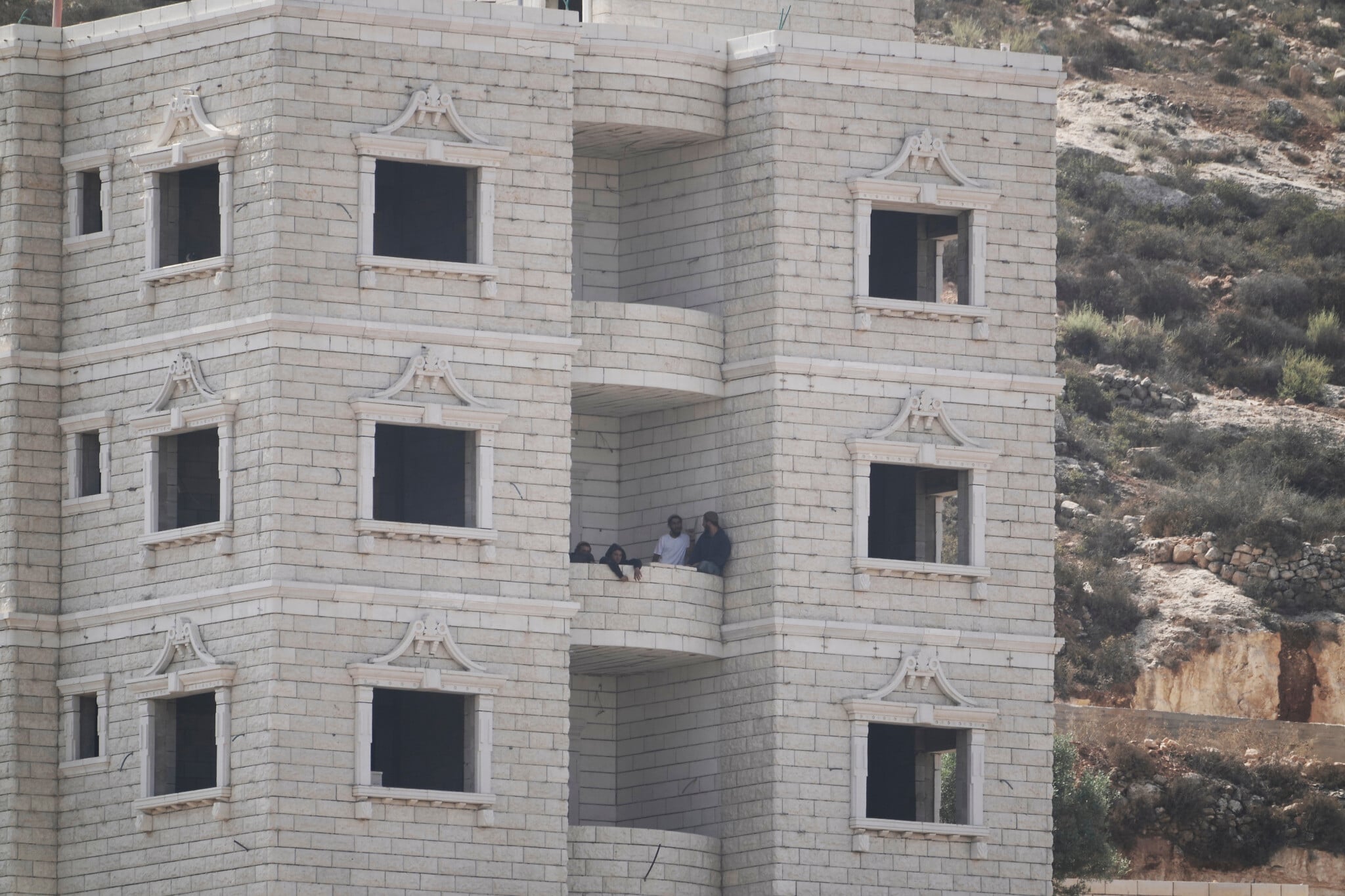
QUSRA, West Bank — When Luai Beiruti began building a home for his young family on the outskirts of the Palestinian village of Qusra in 2023, he imagined a place where they could live safely and comfortably. Three years later, the 29-year-old’s house still stands unfinished.
Construction initially stopped after Hamas’s October 7, 2023, attack plunged Israel and the region into war. But when Beiruti eventually tried to resume work, it wasn’t fighting on Israel’s borders that kept him from the building site. The threat was much closer to home: escalating violence by Israeli settlers.
Since October 7, settler extremists have repeatedly harassed residents of Qusra, and in recent weeks even besieged two homes with the families, including young children, trapped inside.
Late last month, they turned their attention to Beiruti’s under-construction house, assaulting him and other Palestinians working there. Though he appealed to Israeli authorities for help, the attack ended with Beiruti in cuffs rather than his assailants, who allegedly used the opportunity to ransack the unfinished home he is now barred from visiting.
What happened to Beiruti is one episode in a much broader surge in settler violence — and, according to Palestinians, experts and military officials, an increasingly systemic failure to stop it by the forces responsible for protecting the population.
On the day of the attack, August 29, Beiruti said he had brought seven workers to install and reinforce windows to keep thieves out. The house sits on the same hillside as the two homes that had been besieged, a case that drew intense international scrutiny and raised serious questions about the Israeli army’s lack of response to settler violence.
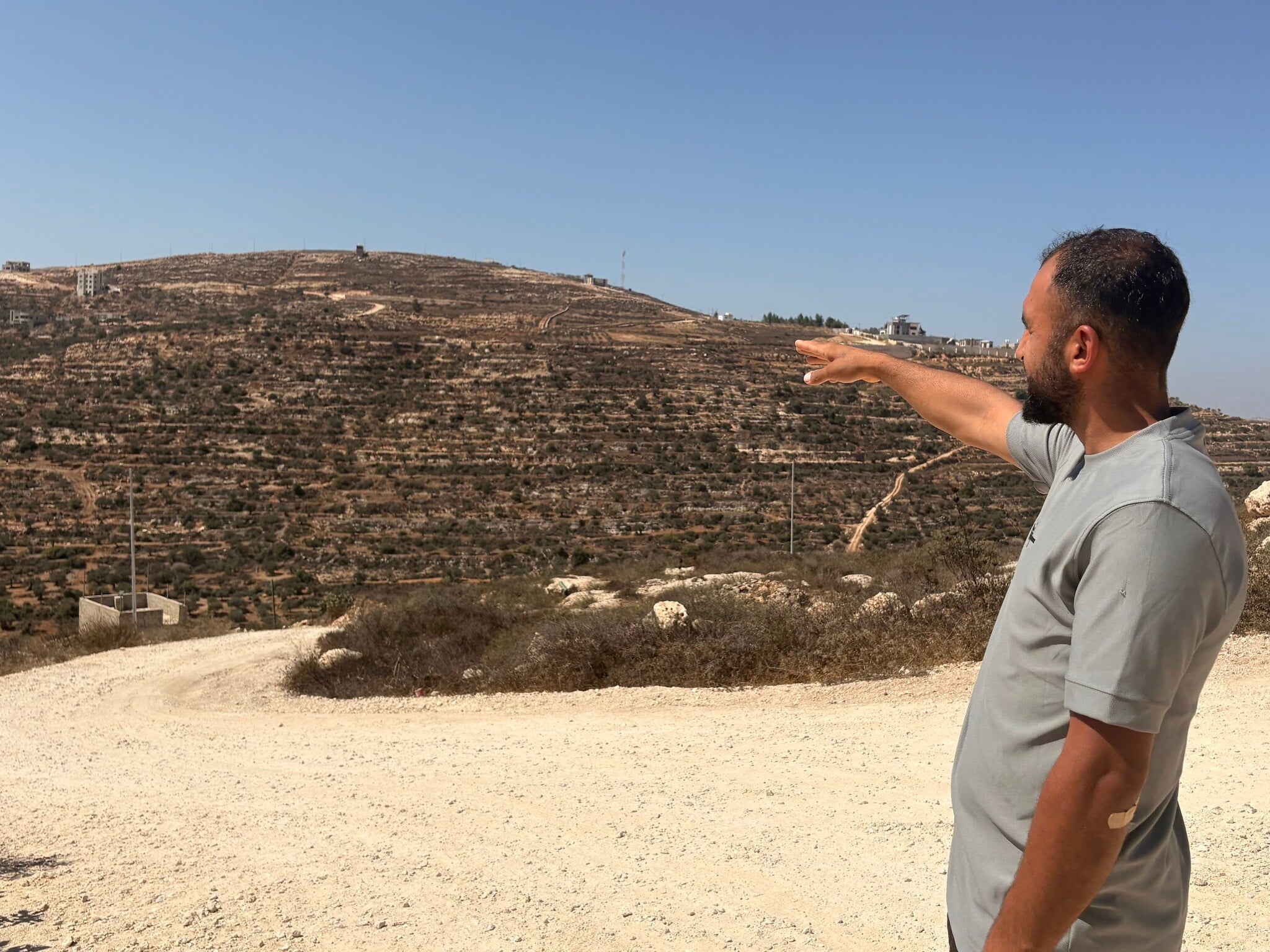
“I know settlers try to get in through [the windows] and steal things,” Beiruti told The Times of Israel last week from a nearby hilltop overlooking the construction site.
They had been working for only a few minutes when five young men, four of them masked, showed up, apparently from a nearby Israeli outpost. According to Beiruti, they began hurling stones at the Palestinians, entered the house, and started a “violent confrontation” before retreating to a nearby construction site.
Beiruti and the workers stayed inside the house, and he called the Israel Police, using his limited Hebrew to report the attack. But before help arrived, he said, the five assailants became dozens.
“Within 10 or 15 minutes, more groups arrived — 30 or 40 people,” also masked and throwing stones, he recalled. “Everywhere you looked, you saw settlers.”
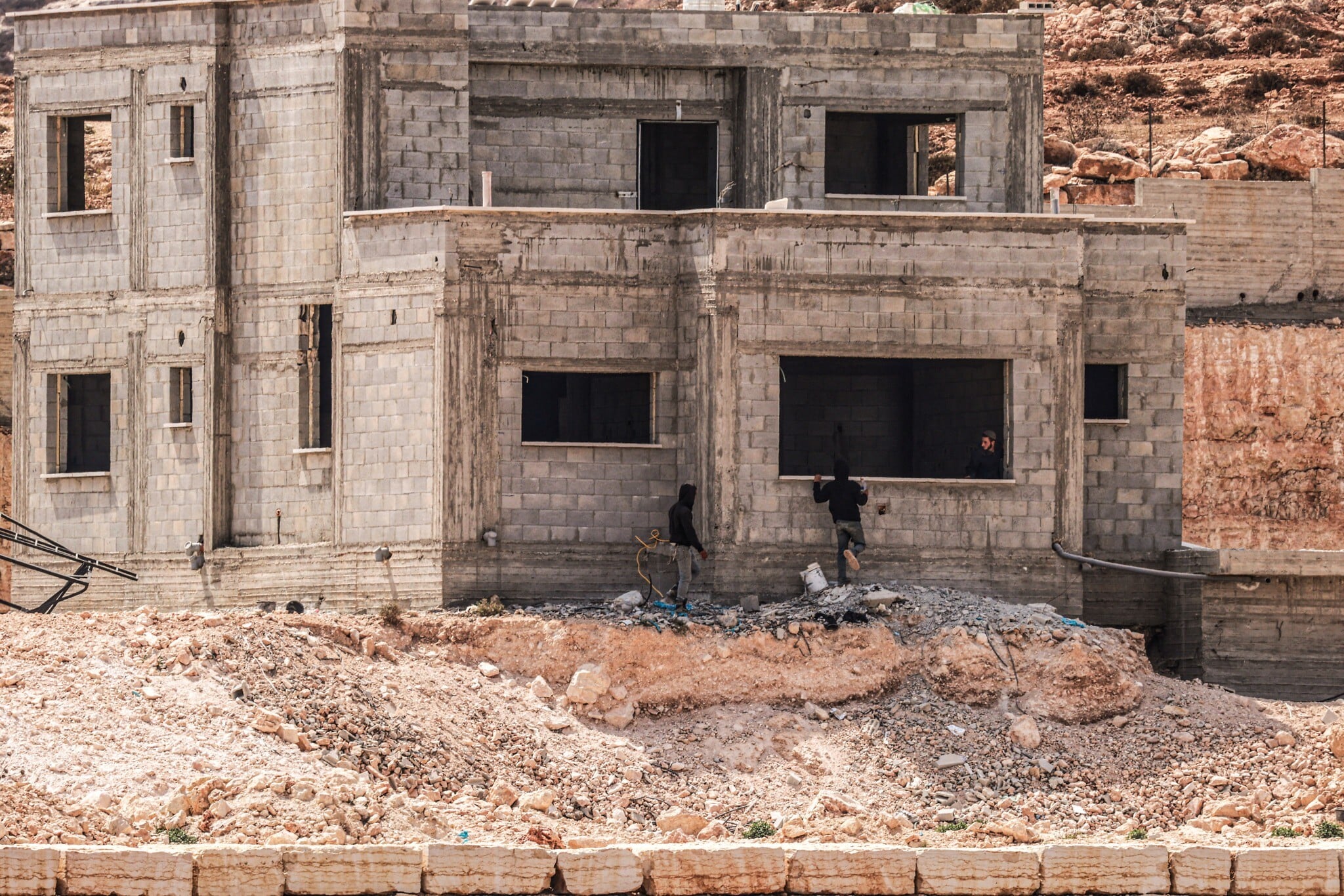
Some 40 to 50 minutes after the violence began, Beiruti said, eight IDF soldiers arrived in two jeeps. He tried to explain what was happening through a window, but the troops told him to stay inside.
“The settlers were throwing stones in front of the soldiers, and at first the soldiers did nothing,” said Beiruti, adding that he and several workers were hit by the stones.
Then, he said, the soldiers fired tear gas in an attempt to disperse the crowd of settlers. As the gas filled the unfinished house, Beiruti and his workers fled to the roof to escape the fumes. Below, some settlers entered the house through its open windows.
From the roof, Beiruti said, he saw soldiers speaking with some of the settlers. The troops then ordered the Palestinians downstairs.
Footage of a settler attack on the home of Luai Beiruti in the West Bank village of Qusra, August 29, 2026. (Courtesy)
“The soldiers handcuffed us, confiscated our phones and blindfolded all of us,” he said. “I told them that I owned the house and was working in my own home. They told us to be quiet and that no one should speak.”
The reversal — the Palestinians who had called authorities for help ending up in custody — is one that Palestinians and activists say has become increasingly familiar during settler attacks across the West Bank. Israeli forces dispatched to restore order, they say, frequently end up restricting, dispersing or detaining Palestinians, even when settlers are accused of initiating the violence.
For nearly two hours, Beiruti said, the men were moved from room to room inside his own unfinished house, “all while handcuffed and unable to see anything.”
Eventually, a soldier called out: “Who is Luai?”
Beiruti identified himself.
“You’re not allowed to come to this house,” the soldier told him.
Beiruti protested that it was his own home that he himself was constructing.
“The army is responsible for this area, and you’re not allowed to come to your house,” the soldier replied, threatening that he would be arrested and his home would be demolished if he returned, according to Beiruti.
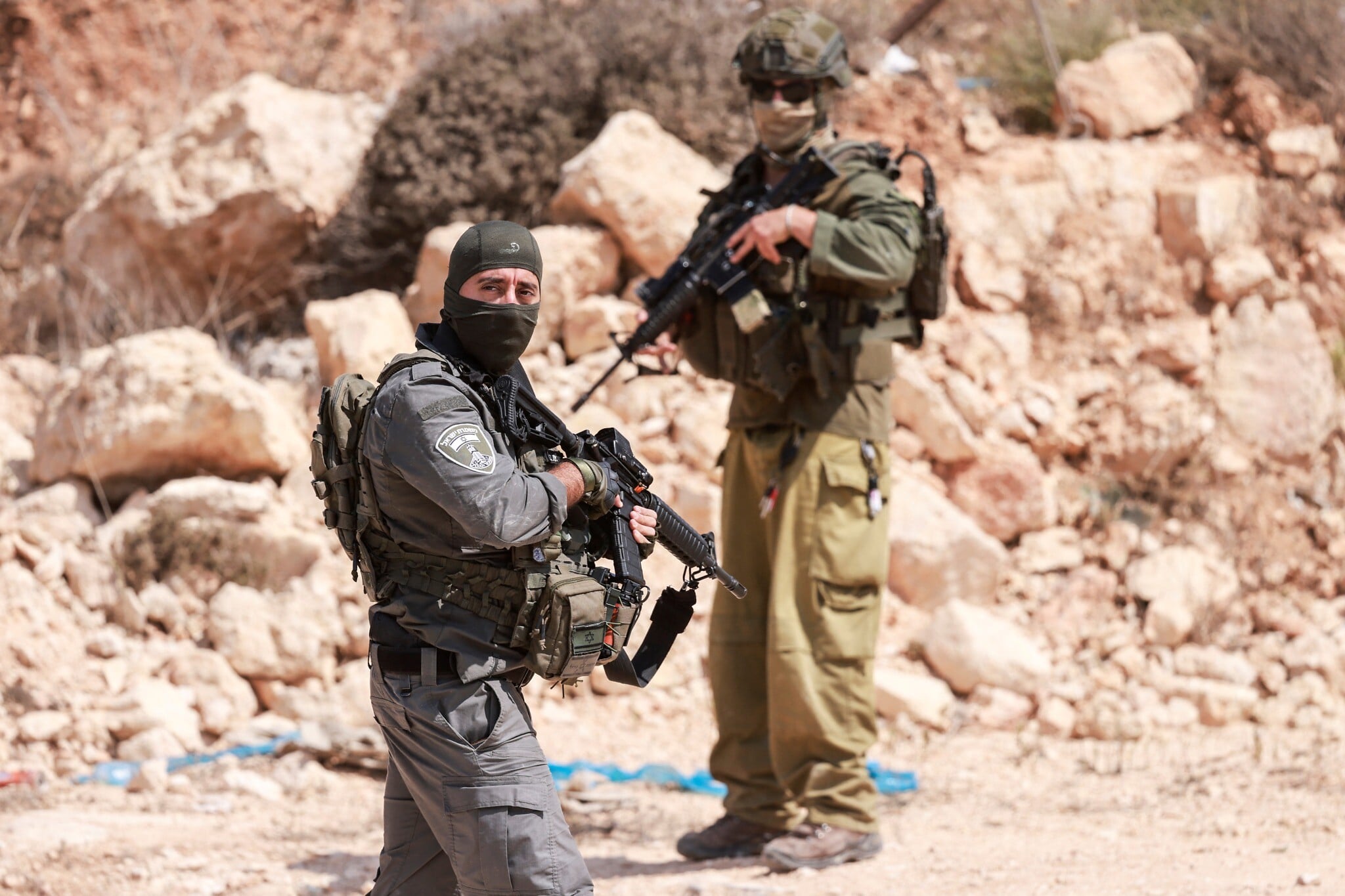
Another half-hour passed before the soldiers loaded the group of Palestinians into military vehicles and drove them roughly 7 kilometers (4.3 miles) away, dropping them near the village of Duma.
“They told us, ‘Count to 60, and then you can free yourselves,’” Beiruti said.
The men waited, freed themselves and flagged down a passing vehicle to take them home.
Beiruti does not know what effort, if any, the army made to disperse the settlers during the incident. He later heard from witnesses that settlers had entered his home while he was in IDF detention, stealing supplies and equipment.
The army did not reply to requests for comment.
In the days since, Beiruti has not been able to return to his property, both out of fear of another settler attack and because of the soldier’s warning.
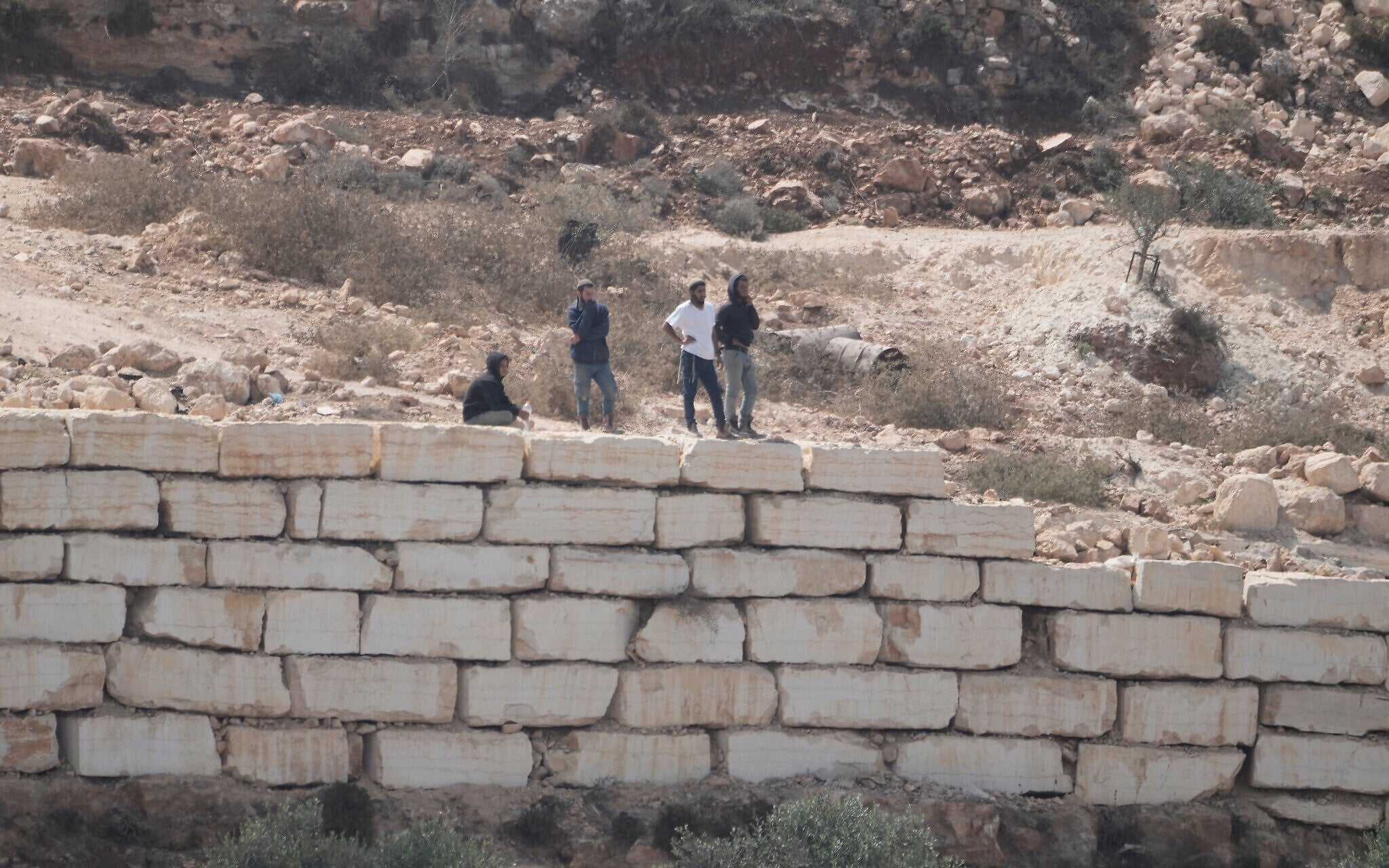
Beiruti was far from the only resident of Qusra targeted that day. Dozens of settlers rampaged through the village and surrounding area, attacking residents and taking over another home while a family was still inside.
Beiruti photographed some of his attackers without face coverings, identifying a handful of them from previous confrontations, and handed the evidence over to police.
Only four suspects have been arrested in relation to the August 29 Qusra attacks, though it is unclear if any of them were involved in the incident at Beiruti’s home. Several vehicles allegedly used by the settlers have also been seized.
“The joint investigative team of police and the Shin Bet continues efforts to gather evidence and take testimony in order to find and arrest everyone who took part in the grave incident,” police said Tuesday.
Settler violence surges and spreads
Settler violence long predates October 7, but attacks have surged since the war began. Palestinians and activists say IDF troops responsible for maintaining security in the West Bank have increasingly failed to intervene, at times even appearing to side with the attackers.
The number of attacks by settlers against Palestinians and Israeli security forces in the West Bank rose by 27 percent in 2025 compared to 2024, according to data from the IDF and Shin Bet security agency.
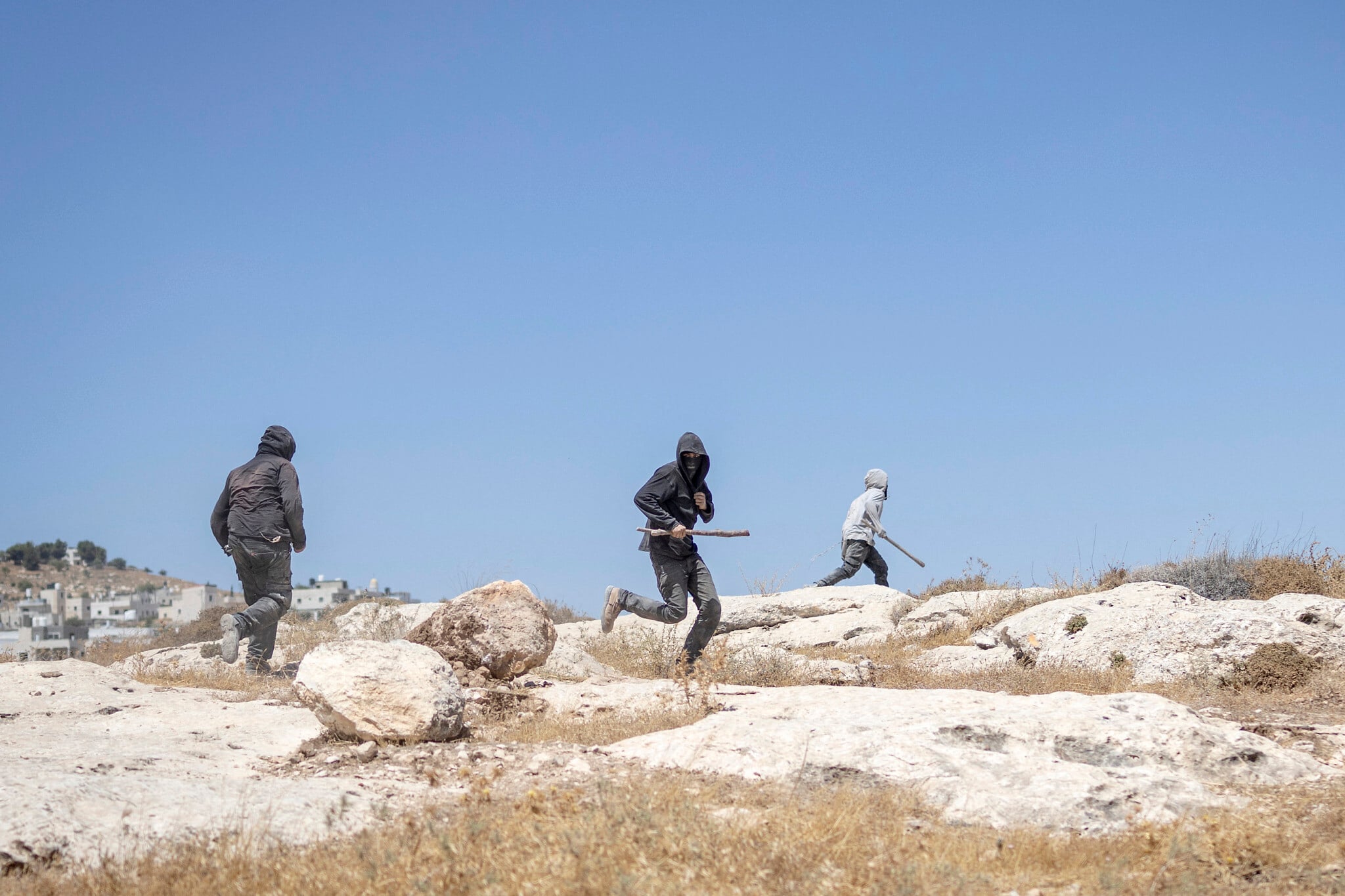
The uptick in violent incidents has accompanied an unprecedented expansion of settlement activity across the West Bank, with hundreds of illegal outposts and farms being established across the territory, some with the support of local Israeli authorities and the tacit approval of the military.
In the first half of 2026 alone, serious incidents of “nationalistic crime” by extremist Jewish settlers surged 63% from the same period last year, according to figures from the Israeli security establishment.
Officials at the IDF’s Central Command, responsible for the West Bank and Jordan Valley, have acknowledged a sense of failure over their inability to curb the growing violence.
The surge has also increasingly spilled into Palestinian-controlled areas where settlers were once a far less common presence. In the past, Israeli settlement activity has been confined to Area C, where Israel has both military and civilian control under the Oslo Accords.
According to Beiruti, settlers began entering Qusra and other parts of Area B — which is under Palestinian Authority civil control — more frequently after the war broke out.
“Before October 7, they weren’t in Area B; they were in Area C,” he said.
Data collected by the Israeli Yesh Din rights group suggests the shift extends well beyond Qusra. The organization, which tracks settler violence, reported last month that 62.6% of the acts of violence against Palestinians it recorded in 2026 took place in Area A, which is under full PA civil and security control, or Area B.
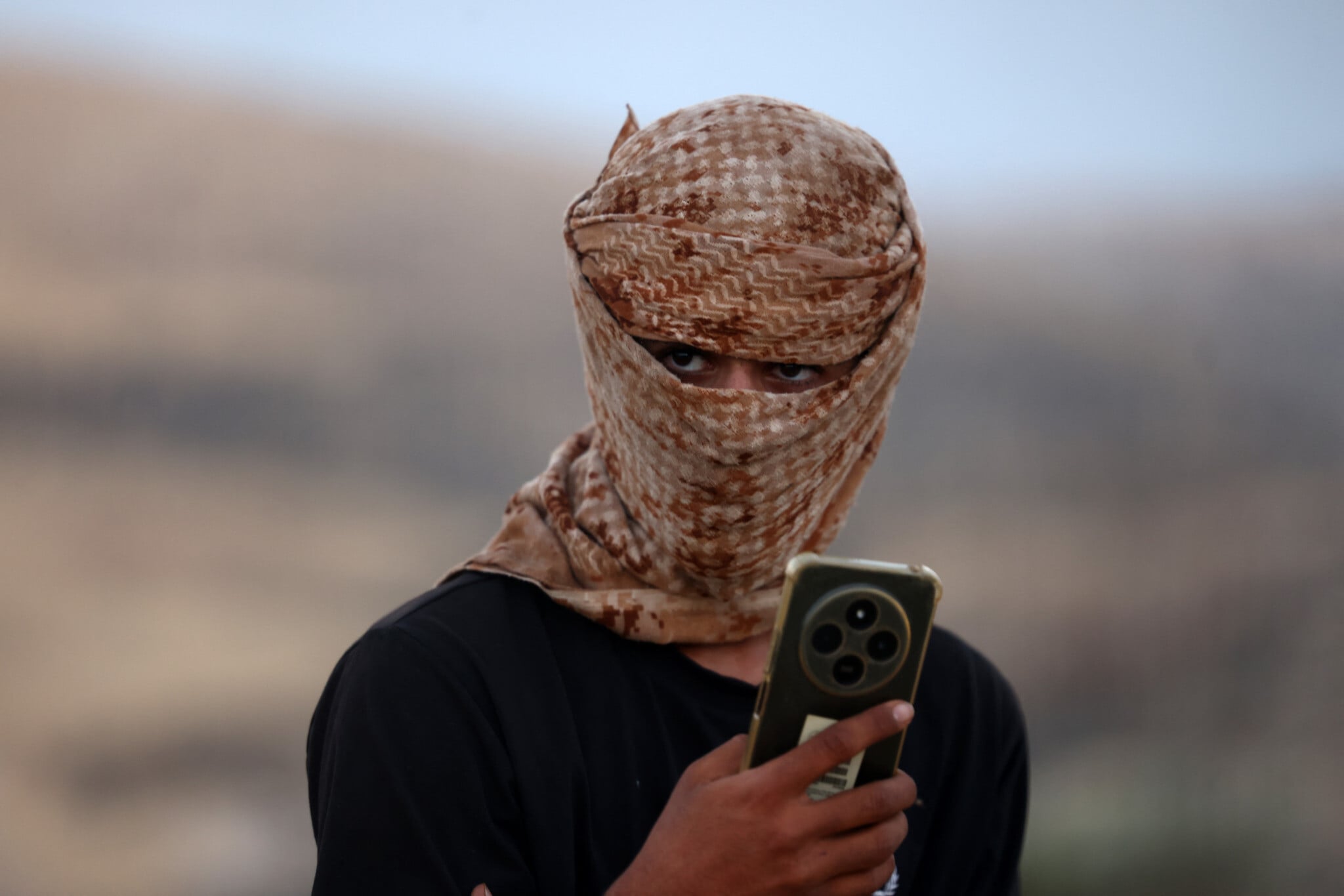
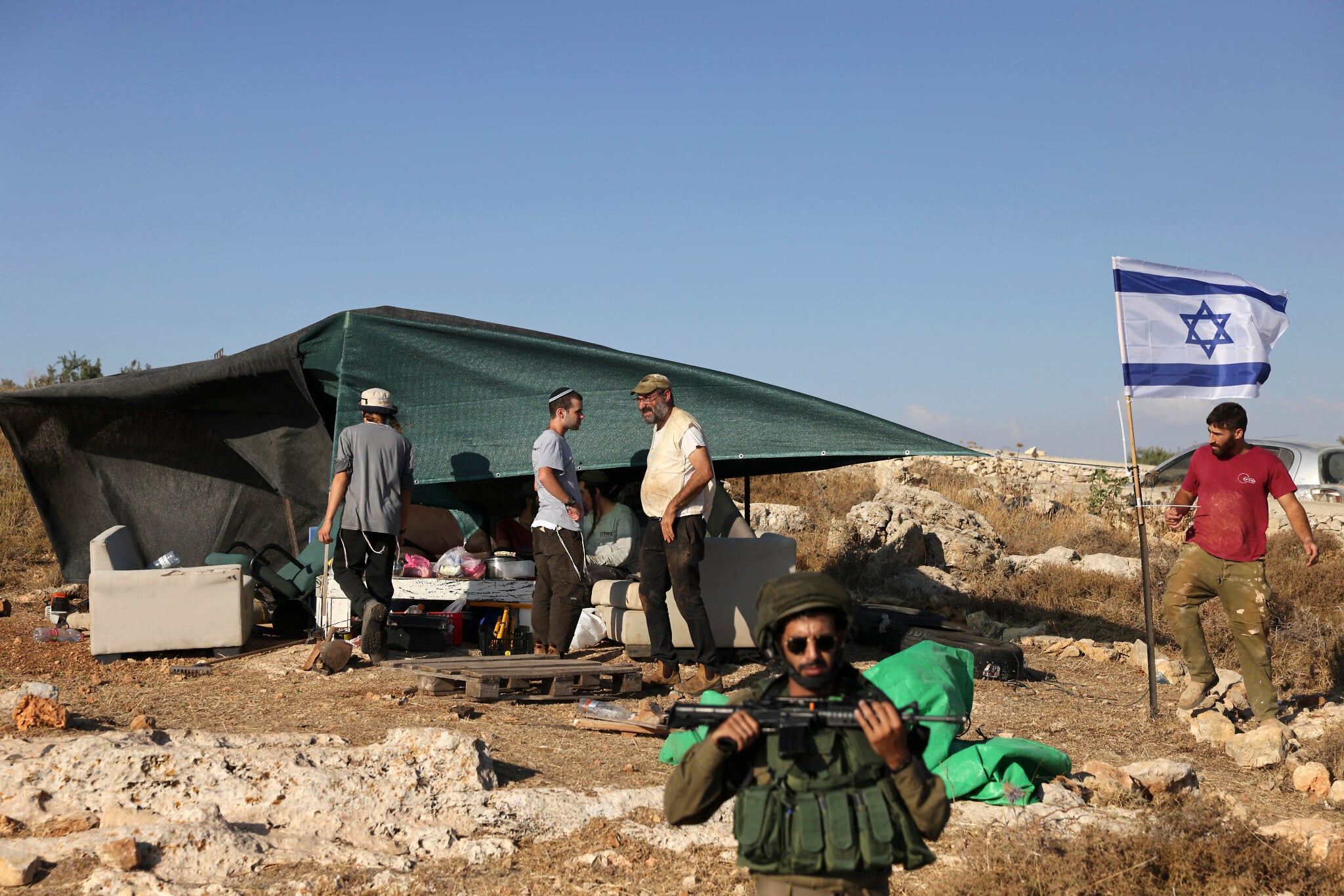
Israeli security officials attribute much of the violence to a relatively small group of extremists, many of them based in illegal outposts across the West Bank.
The military and Shin Bet believe some 300 Jewish extremists, many of them youth delinquents, are involved in attacks on Palestinians and Israeli security forces, including 70 considered the “hardcore” fanatics responsible for the most severe violence.
Most of the 300 live in illegal outposts across the West Bank, according to Israeli defense officials, though as many as half are technically registered as living in towns and cities in Israel proper.
A failure to protect
In the recent Qusra attack, as in many instances of settler violence, Israeli forces were dispatched to restore order.
IDF troops and Border Police officers are now “stationed permanently until further notice” in Qusra and the nearby village of Jalud, a military official said.
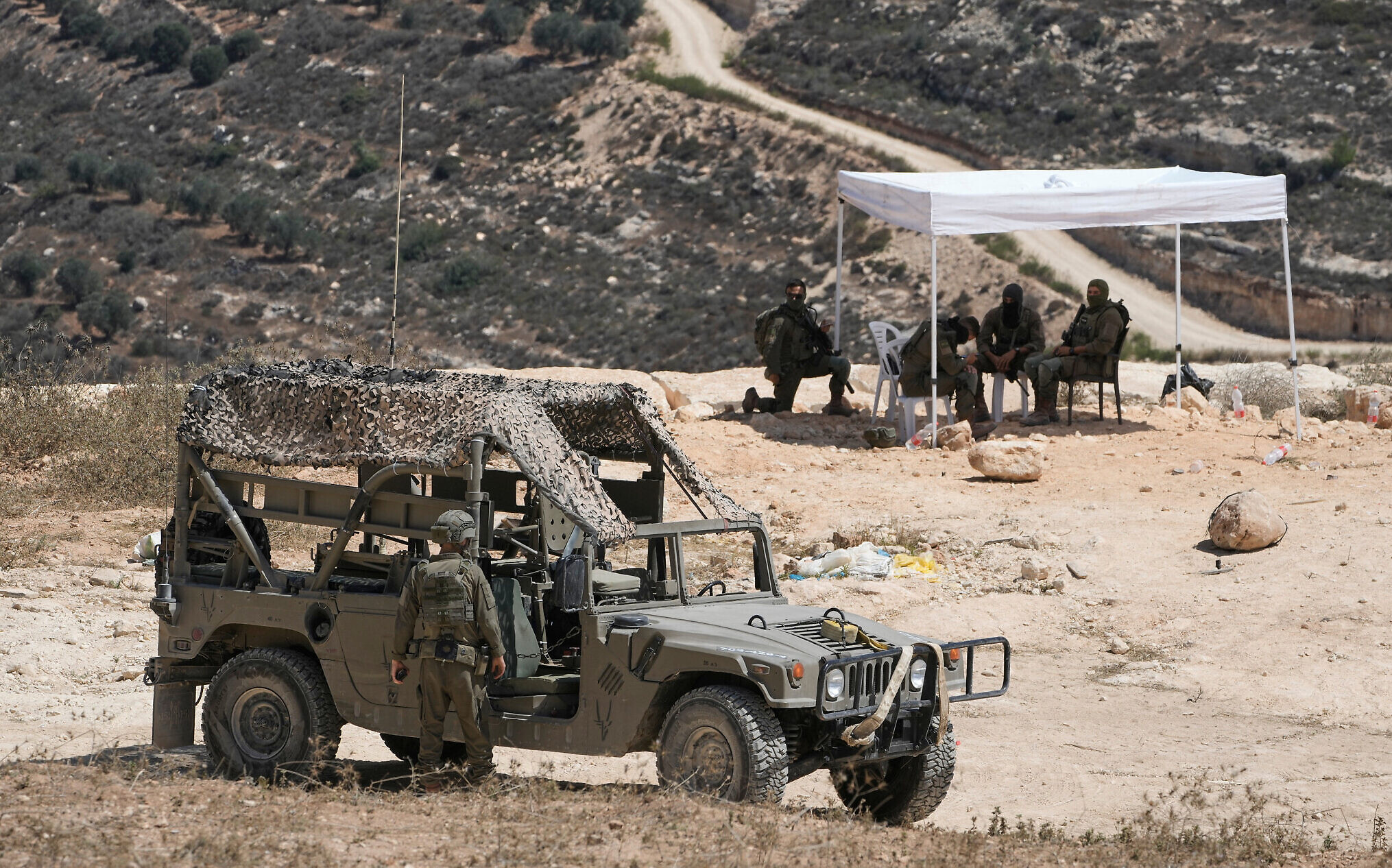
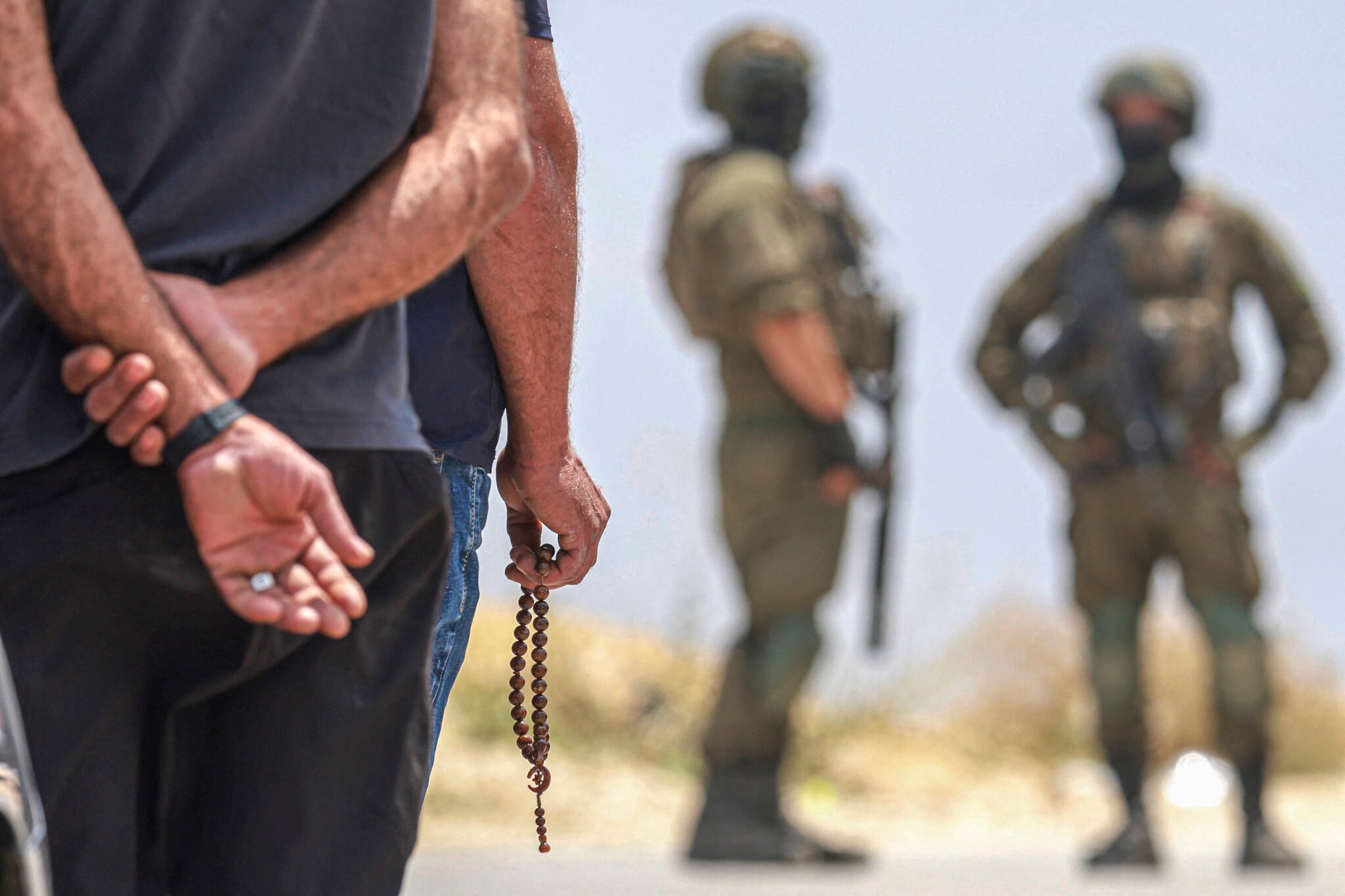
Yet Palestinians in the area say the presence of Israeli forces has done little to protect them, claiming troops often side with settlers regardless of who initiated the violence.
“The army comes to protect the settlers,” Beiruti claimed. “The army declared the area a closed military zone — but it’s a closed military zone for the [Palestinian] homeowners, not for the settlers who… come here. They drive around in front of the army, while we’re not allowed [to come].”
The Times of Israel reached out repeatedly to the military’s spokesperson unit to gain a better understanding of the issue from the army’s perspective, but received no on-the-record response.
According to Roni Pelli, head of Yesh Din’s legal department, a likely cause of the uneven response is a lack of clear orders in the IDF’s chain of command to soldiers on the ground, who are liable to operate according to a baked-in view of Palestinians as primarily a threat to Israelis.
Troops are officially tasked with maintaining “public order,” which Pelli described as “vague.”
“The main mission of the soldiers… when they’re in the West Bank is to protect Jewish residents and to prevent terror attacks,” she said.
But under international law and according to Israel’s Supreme Court, West Bank Palestinians are entitled to protection by the IDF, which is an occupying power and thus obligated to provide for the needs of a civilian population under its control.
According to David Kretzmer, professor emeritus of international law at the Hebrew University of Jerusalem, both the Hague Regulations and the Fourth Geneva Convention require an occupying power to protect the lives, property and rights of the population in an area it controls. The Hague Regulations specifically require the military command to maintain public order and safety, while the Geneva Convention obligates the occupying power to protect civilians from acts or threats of violence.
“The legal position is 100% clear, and nobody’s ever really denied this,” Kretzmer said. “There’s no legal defense against the lack of law enforcement by the army and the police.”
Soldiers are legally permitted — and in some cases required — to intervene to prevent violent attacks, regardless of nationality.
In practice, however, the military has acknowledged treating violence by Israelis and Palestinians differently. Central Command chief Maj. Gen. Avi Bluth reportedly said in May that the IDF applies different engagement policies against Israeli and Palestinian stone-throwers in the West Bank, characterizing stone-throwing by Palestinians as terror, while arguing against soldiers using lethal force when the perpetrators are Jews.
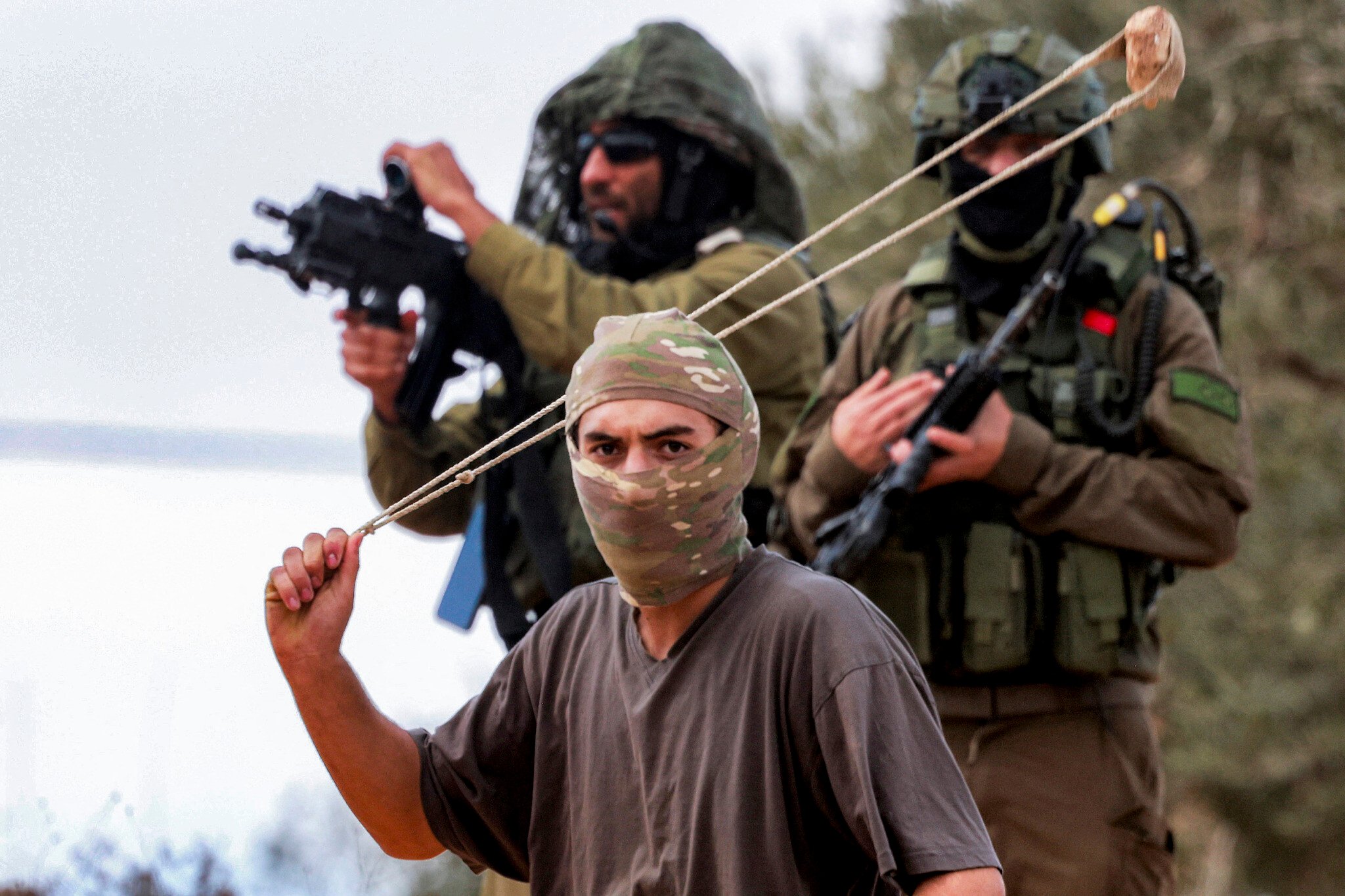
In general, the military prefers not to deal with enforcement actions against Israelis at all, instead leaving that to police. In reality though, police rarely have the manpower to respond to incidents in the West Bank, especially in real time.
Soldier-settlers
But while the army is able to send troops to deal with violence, those that arrive on the scene first are often the least motivated to act against settlers.
Military officials have noted that some soldiers on active duty in the West Bank are themselves settlers, who may be more reluctant to deal with violent settlers.
Close ties can also develop between soldiers and the settler communities they are tasked with policing, officials say.
The army also relies on regional defense reserve units — known by the Hebrew acronym “Hagmar” — which are made up of local settlers, who may have close personal links to the attackers, or participate in attacks themselves.
Dozens of Hagmar soldiers have been dismissed in the past year for various violations, including attacks on Palestinians.
The reluctance extends up the chain of command, especially given the government’s opposition to enforcement measures against settlers accused of violence.
Critics have speculated that senior IDF officers concerned about their careers are hesitant to take action against Israeli assailants that may end up putting them in the crosshairs of powerful politicians.
In early August, Defense Minister Israel Katz announced that he would be replacing Bluth amid pressure from right-wing figures who criticized the general for speaking out against settler hooliganism and Jewish terrorism in the West Bank. Far-right figures alleged that he was soft on Palestinian terror while unfairly targeting settlers.
Katz and other senior members of Prime Minister Benjamin Netanyahu’s government have openly celebrated steps to reduce restrictions or enforcement against Jewish extremists.
The defense minister boasted in July about having ceased signing off on administrative detention orders against Jewish suspects, while significantly increasing the use of the draconian tool — which allows for a suspect to be held without charge — against Arab suspects.
“I canceled on my own initiative all administrative detention orders against settlers in the West Bank,” Katz said during a Likud campaign event in the Ariel settlement. “Why didn’t I sign against settlers? Because it’s not terror activity.”
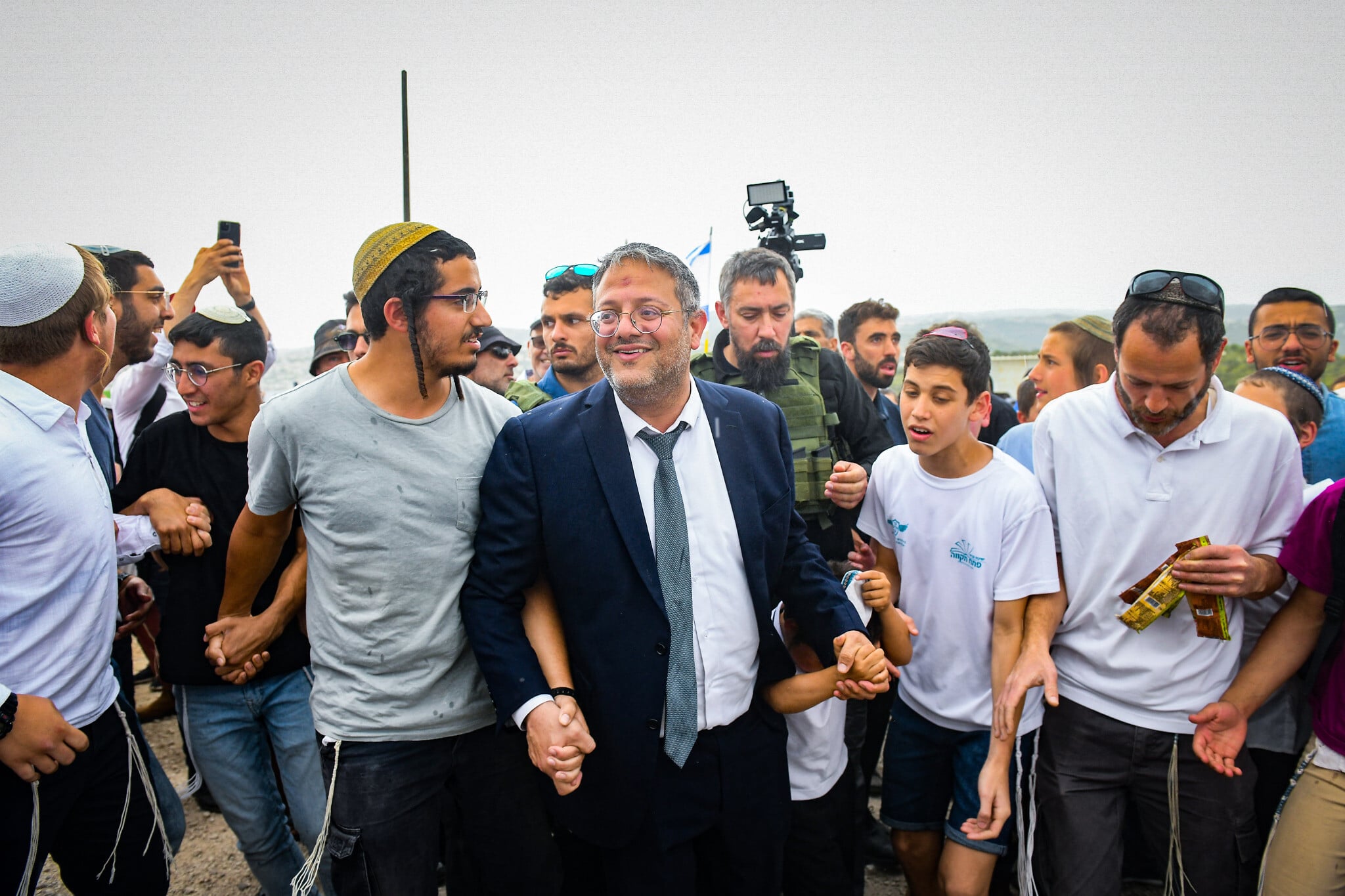
In November, far-right National Security Minister Itamar Ben Gvir reportedly said he was “proud” that police had decreased their arrests of settlers, following a report by Channel 12 exposing the dramatic decline in the number of investigations opened into violent incidents.
“I’m proud that the Judea and Samaria District Police have stopped harassing the ‘hilltop youth,'” Channel 12 quoted Ben Gvir as saying, referring to extremist young settlers who live largely in illegal West Bank farming outposts.
Broken telephone
Aside from a lack of motivation, the army’s inability to respond to settler terror is also a byproduct of its broader priorities in the West Bank, where the IDF is focused on thwarting Palestinian terror and guarding Israeli settlements. IDF troops are generally not stationed outside Palestinian towns and villages to protect them from violent Israelis.
As a result, when settlers raid a Palestinian town, Israeli forces can take time to arrive. By then, the attackers have often fled, leaving troops to confront the local Palestinian population instead.
Palestinians and activists say bureaucratic hurdles can also slow the process before troops are even dispatched.
According to Yesh Din, simply contacting Israeli first responders during an attack can be a formidable task for West Bank Palestinians.

Before October 7, Palestinians, activists and aid workers could turn to several designated military and Civil Administration channels for urgent assistance in the West Bank. According to Yesh Din, that system effectively ceased operating after the war began, leaving no officially designated, publicly accessible body responsible for responding to emergency calls around the clock.
Palestinians “cannot contact the army, and cannot give information about things that are going on on the ground,” said Pelli.
Yesh Din petitioned the High Court of Justice over the issue in October, demanding that the military establish an official, round-the-clock contact for Palestinians requiring urgent intervention and publish the relevant contact information in Hebrew and Arabic.
Currently, without a dedicated military emergency contact, Palestinians seeking immediate assistance during settler attacks are often left to call the Israeli police.
While police are primarily responsible for enforcing the law against Israeli civilians in the West Bank, they are not responsible for maintaining public order and protecting Palestinians.
According to Yesh Din, police often relay reports of ongoing attacks to the military forces responsible for the area — inserting another step between the initial call for help and the dispatch of troops and further delaying the arrival of first responders.
The obstacles can continue even after an attack is over. Filing a complaint against settler assailants can present another hurdle for Palestinians.
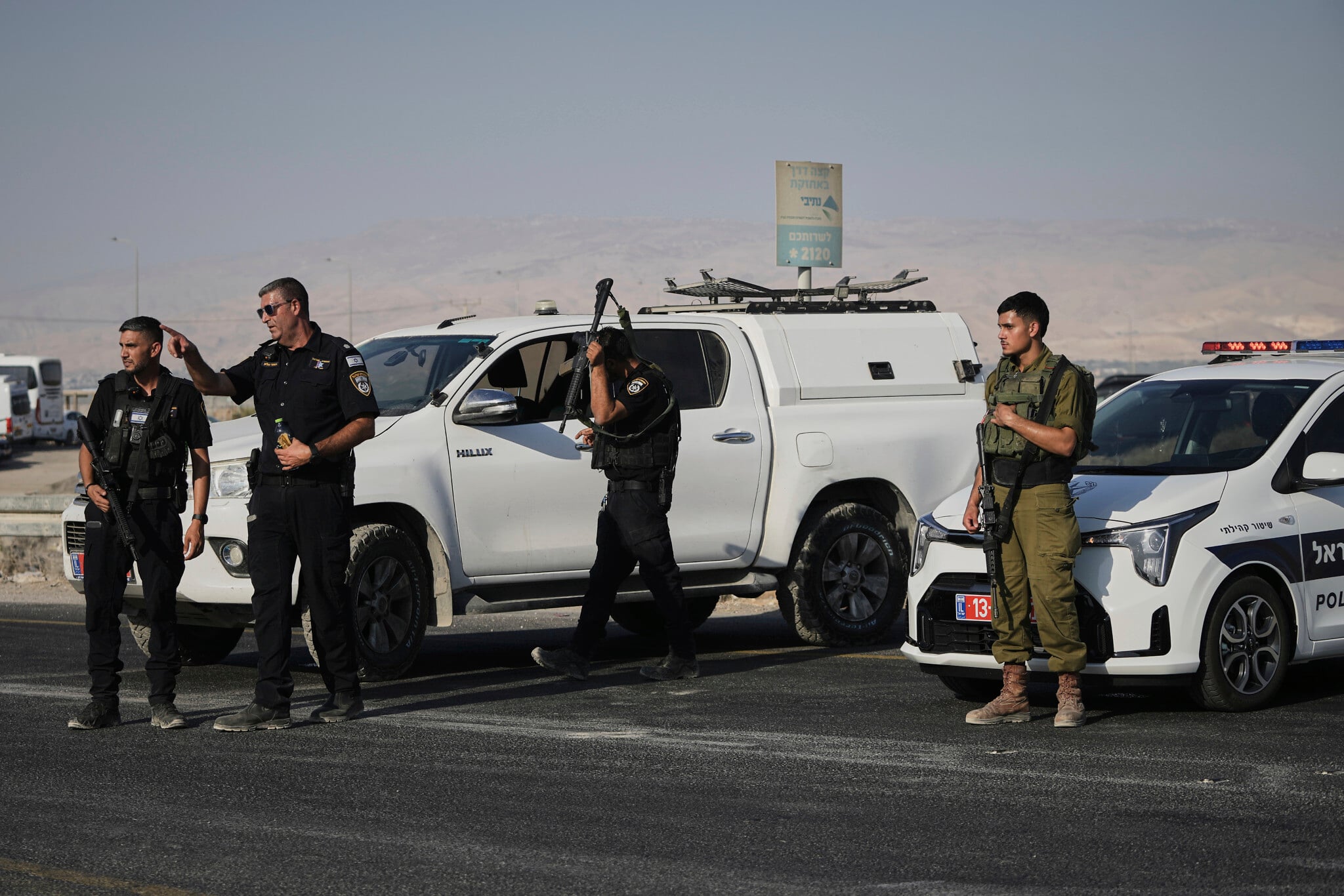
“All the police stations in the West Bank, except for the one in Hebron… are inside settlements, which means Palestinians cannot go in,” Pelli explained. Palestinians must instead wait for a police escort in order to enter, a process that can take hours. Even once they reach the station, finding a police officer who speaks Arabic can prove difficult since, according to Pelli, “there are almost none.”
Police did not respond to a request for comment.
And even for those who manage to file a complaint, an indictment is rare.
According to Yesh Din, 93.6% of the investigation files it monitored between 2005 and 2025 were closed without indictment, while just 3% led to full or partial convictions.
Pressure cooker
Senior defense officials have increasingly warned that unchecked settler violence risks fueling a broader escalation in the West Bank. Yet senior political leaders have at times downplayed the trend.
IDF Chief of Staff Lt. Gen. Eyal Zamir has condemned settler violence as “unacceptable actions” and warned that Israel’s failure to curb the trend risks undermining the military’s ability to manage other fronts.
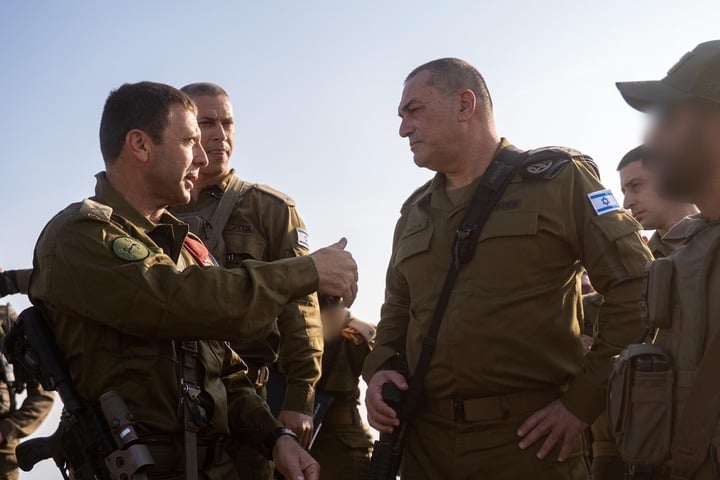
The army has on several occasions dispatched extra troops to the West Bank in response to outbreaks of settler violence, albeit to little discernible effect.
Bluth has similarly warned of the potential consequences in the West Bank itself.
“There has been a significant decline in the scale of [Palestinian] terrorism over the past two years, but there is one match that could ignite everything in an instant – nationalist crime,” he was quoted two weeks ago by Channel 12 as telling Prime Minister Benjamin Netanyahu and other senior officials.
Netanyahu reportedly responded by asking Zamir what the military would do if the West Bank erupted and what plan it had in place for a spike in Palestinian terror, without directly addressing Bluth’s warning about settler extremism.
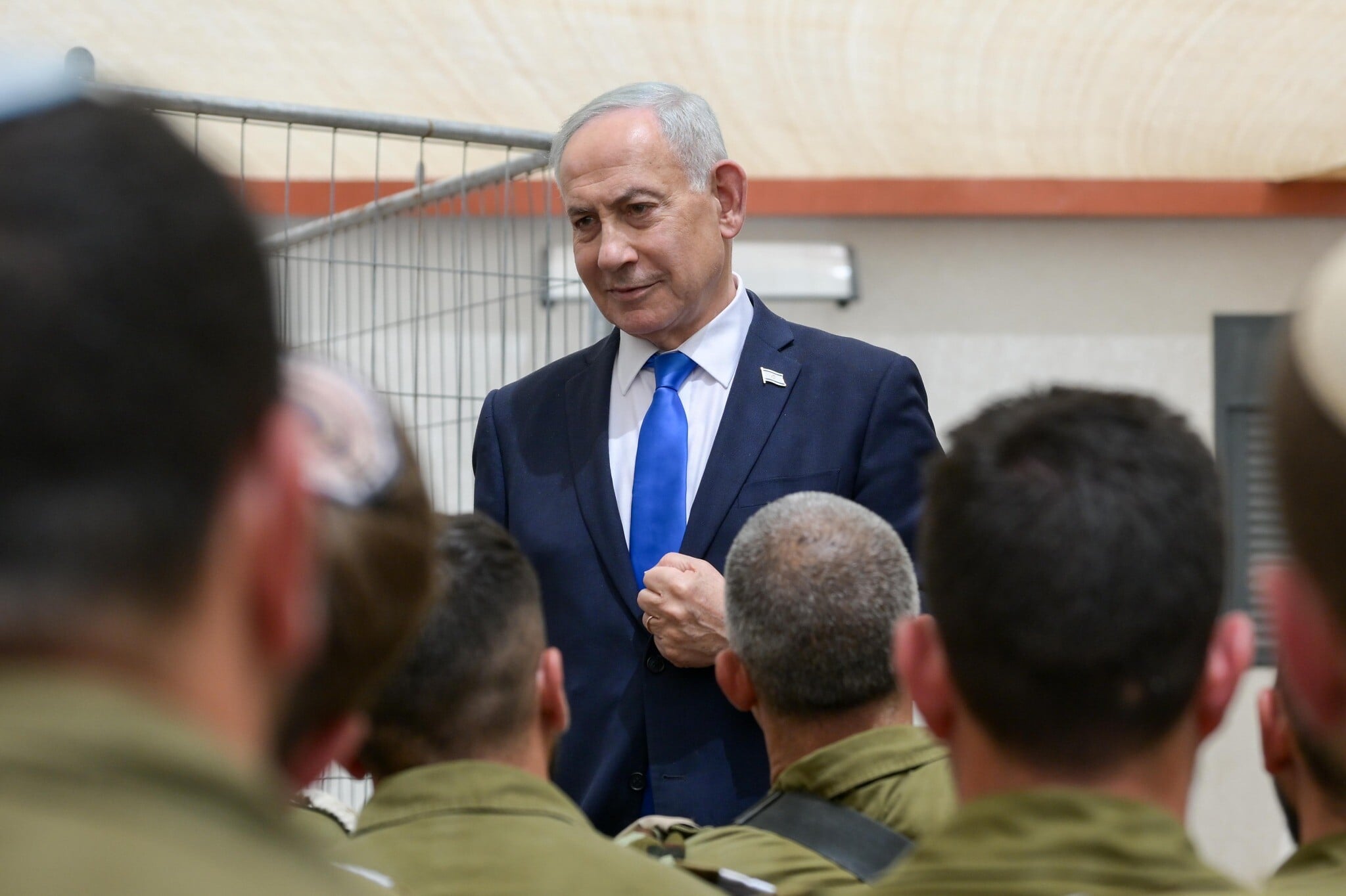
When Netanyahu addressed settler violence publicly a week later, he described it as the work of a “handful of rioters” who were “causing a huge injustice to the law-abiding settler public, hindering the IDF in fulfilling its missions, and harming Israel’s standing in the world.”
Neither Katz’s or Netanyahu’s offices responded to requests for comment.
Despite his apparent attempts to minimize the issue, Netanyahu seemingly caved to US pressure to crack down on violent settlers this week, ordering some illegal outposts in the West Bank dismantled.
אירוע חריג במהלך ביקורו של שגריר ארה"ב בתורמסעיא: האקבי תיעד הגעת מתנחלים סמוך לבית המשפחה הפלסטינית שבו ביקר.
נוכחים בביקור ל-N12: השגריר הבטיח לשלוח את הסרטון באופן אישי לטראמפ, כדי להציג בפניו את ניסיונות השיבוש של הביקור על ידי המתנחלים@mmagadli pic.twitter.com/I7z6PzN7ga
— החדשות – N12 (@N12News) September 5, 2026
Pressure, though, has continued to ratchet up. On Tuesday, UK Foreign Secretary Ed Miliband announced a series of punishing sanctions, excoriating Israel for its tolerance of settler violence and sharpening London’s stance against Israeli activity in the West Bank.
“The British government agrees that there is ethnic cleansing of Palestinians in areas of the West Bank — perpetrated by settler terrorists,” Miliband said in a watershed address to parliament. “And all too often the Israeli government has turned a blind eye to this and worse, members of it have made statements and taken actions to support the forced displacement of Palestinians.”
Two days earlier, Israel’s High Court lambasted the IDF, police and Katz for failing to tackle the violence.
“This is a completely unacceptable phenomenon that stands in contrast to the basic values and moral principles of the State of Israel as a Jewish and democratic state, and in contrast to the principles of liberty, fairness, and justice of Jewish heritage and the [biblical] prophets of Israel,” the court said in a decision signed by Supreme Court President Isaac Amit and justices Alex Stein and Yechiel Kasher.
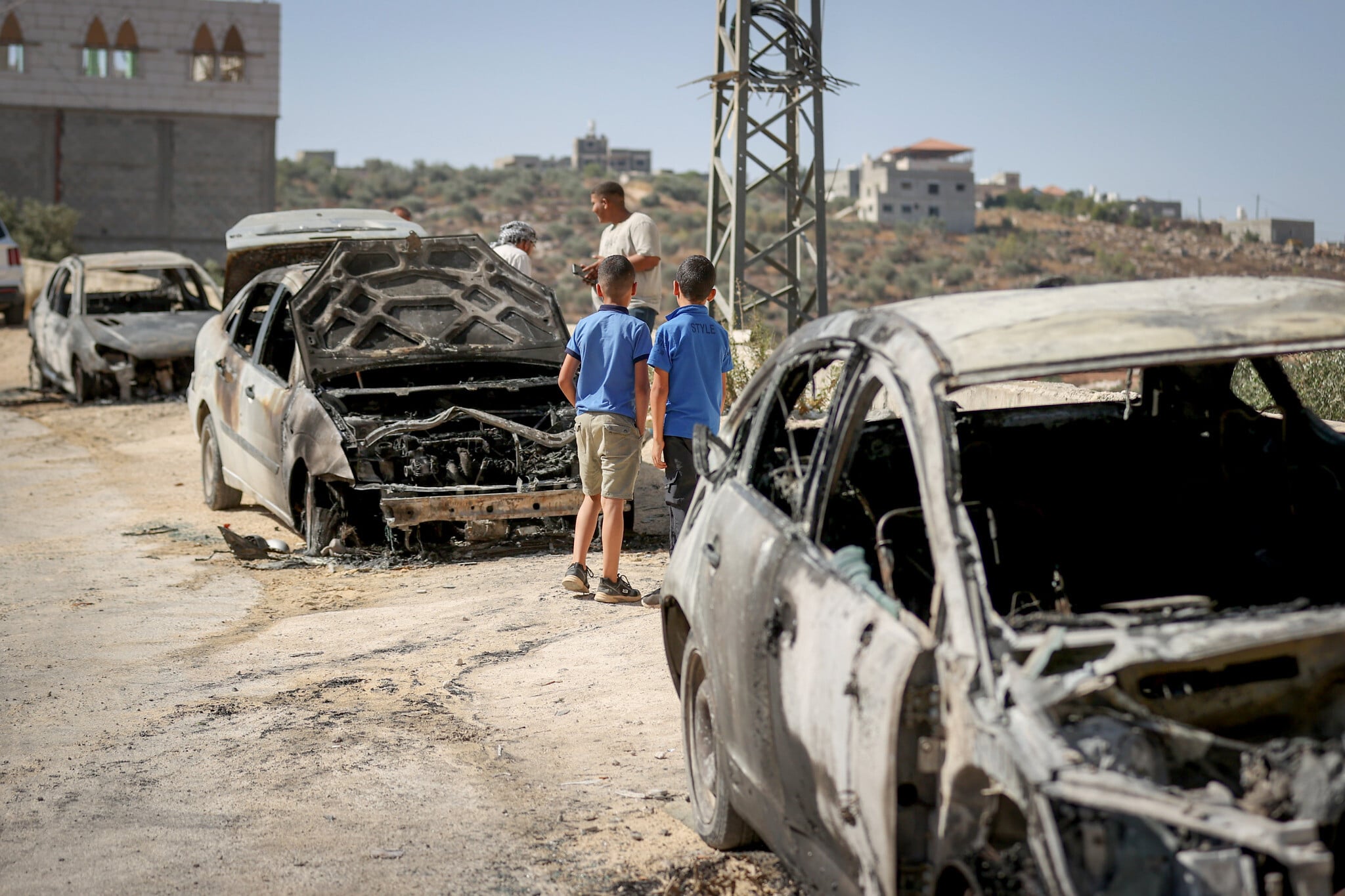
The court was responding to a case brought by residents of three buildings in the West Bank Palestinian village of Jalud whose homes had been seized by violent settlers in July.
The judges gave the IDF and police 14 days to enable the residents’ safe return home, and ordered them to provide the Palestinians with protection when they return.
About a kilometer away from the Jalud buildings, Beiruti’s house still sits unfinished. From a distance, he waits for the day he too can safely return, bringing his family with him to their new home.
“Right now, I live in my father’s house with my brother and my parents, along with my wife and children,” he said. “I’m afraid, but I won’t lose hope. God willing, I’ll finish the house and live in it.”









The Times of Israel Community.