

This New Year, let’s start to restore the Israel that is a light unto the nations
We shouldn’t need Ed Miliband — way off with some parts of his critique but spot on with others — to remind us that indulging deadly settler violence against Palestinian civilians is shameful

 Add ToI as a Preferred Source on Google
David Horovitz is the founding editor of The Times of Israel. He is the author of "Still Life with Bombers" (2004) and "A Little Too Close to God" (2000), and co-author of "Shalom Friend: The Life and Legacy of Yitzhak Rabin" (1996). He previously edited The Jerusalem Post (2004-2011) and The Jerusalem Report (1998-2004).
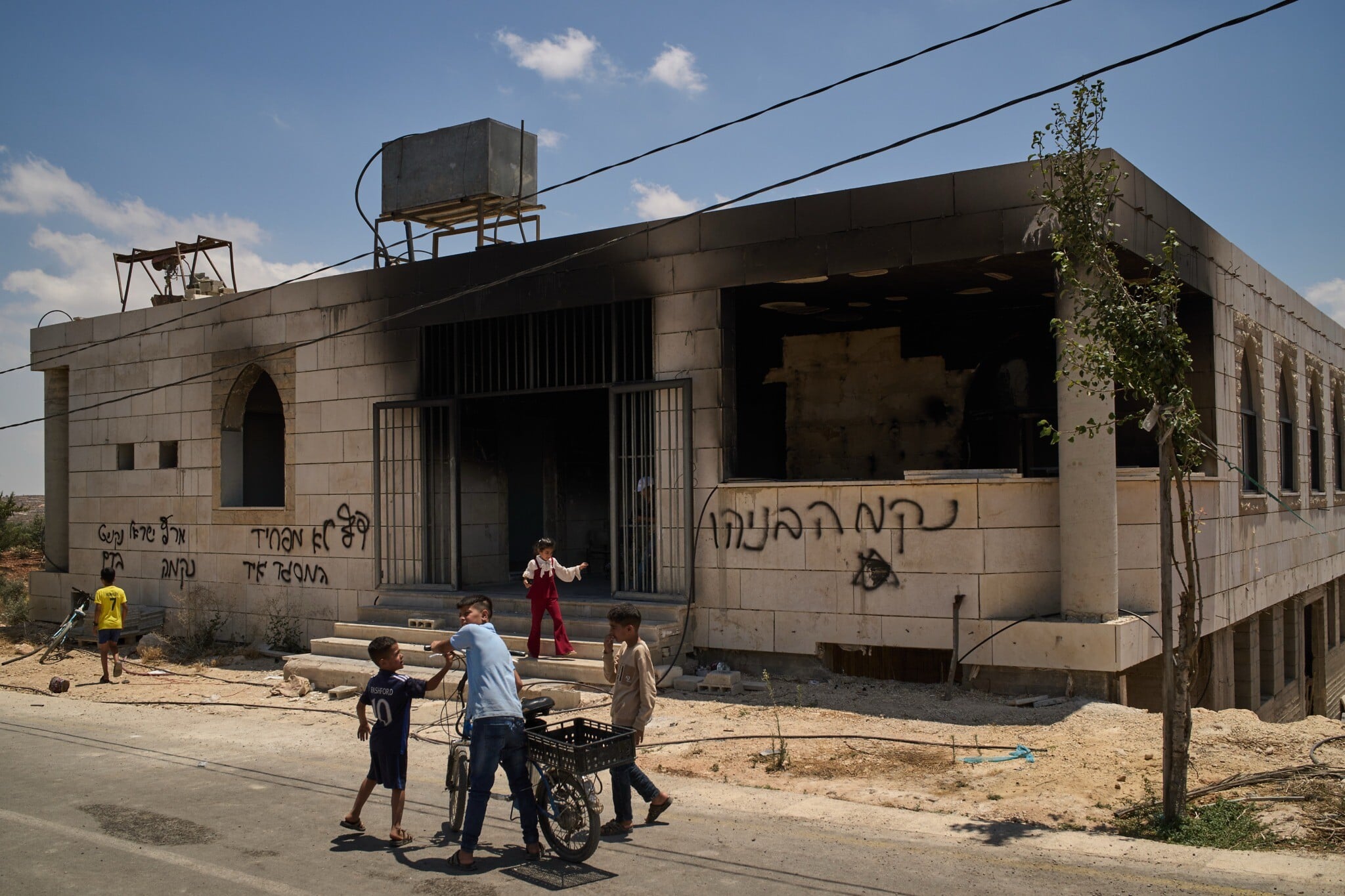
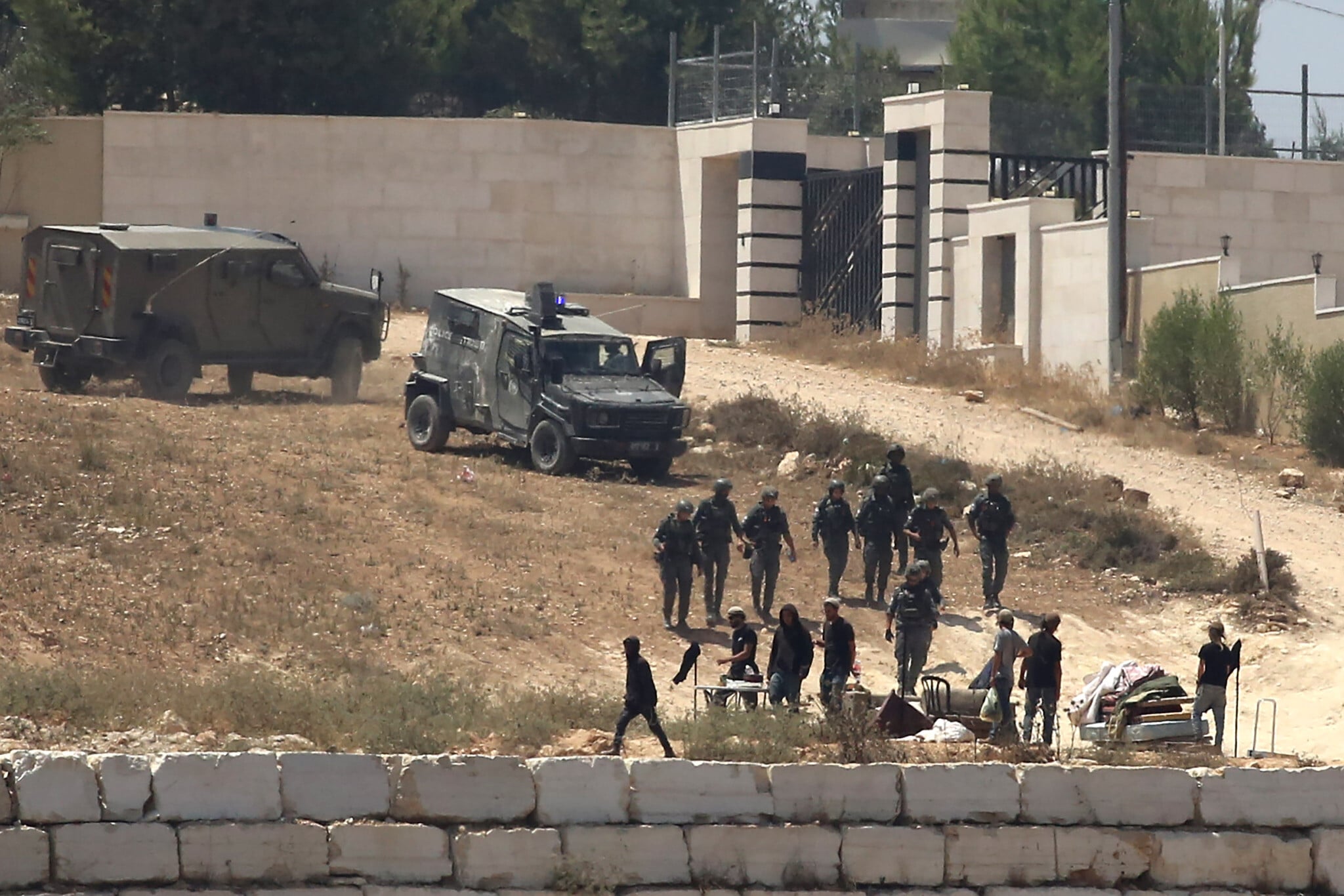
Brazen and unchecked, premeditated violence by Jewish extremists against Palestinian civilians in the West Bank has surged in recent years. There were reportedly 660 serious incidents of “nationalistic crime” committed by extremist settlers in the first half of 2026, with six fatalities — a 63% rise on the 405 incidents in the first six months of 2025, when there were no deaths.
The mainstream settlement leadership, by choosing to remain largely silent in the face of these relentless attacks, has allowed the entire settlement enterprise to be tainted by them.
The Israel Defense Forces, under unprecedented strain amid three years of multi-front war since the Hamas invasion and massacre of October 7, 2023, has proved incapable of thwarting the violence, and, despite clear messaging from its upper echelons, often does not appear to be trying particularly hard to do so — a stance that increasingly undermines the IDF sovereign obligations in the West Bank and corrodes its standing at home and abroad.
The hard-right government of Benjamin Netanyahu, far from prioritizing the imperative to prevent what at times has become deadly Jewish terrorism, has downplayed it — as the work of “a handful of kids,” “not from the West Bank,” “from broken homes,” according to the prime minister himself, a disingenuous mischaracterization that shames all of Israel. Far-right minister Bezalel Smotrich explicitly encourages “voluntary emigration” of West Bank Palestinians; his far-right colleague/rival Itamar Ben Gvir, who used to openly advocate the expulsion of all Arabs, has overseen a huge rise in gun licenses and guns at settlements.
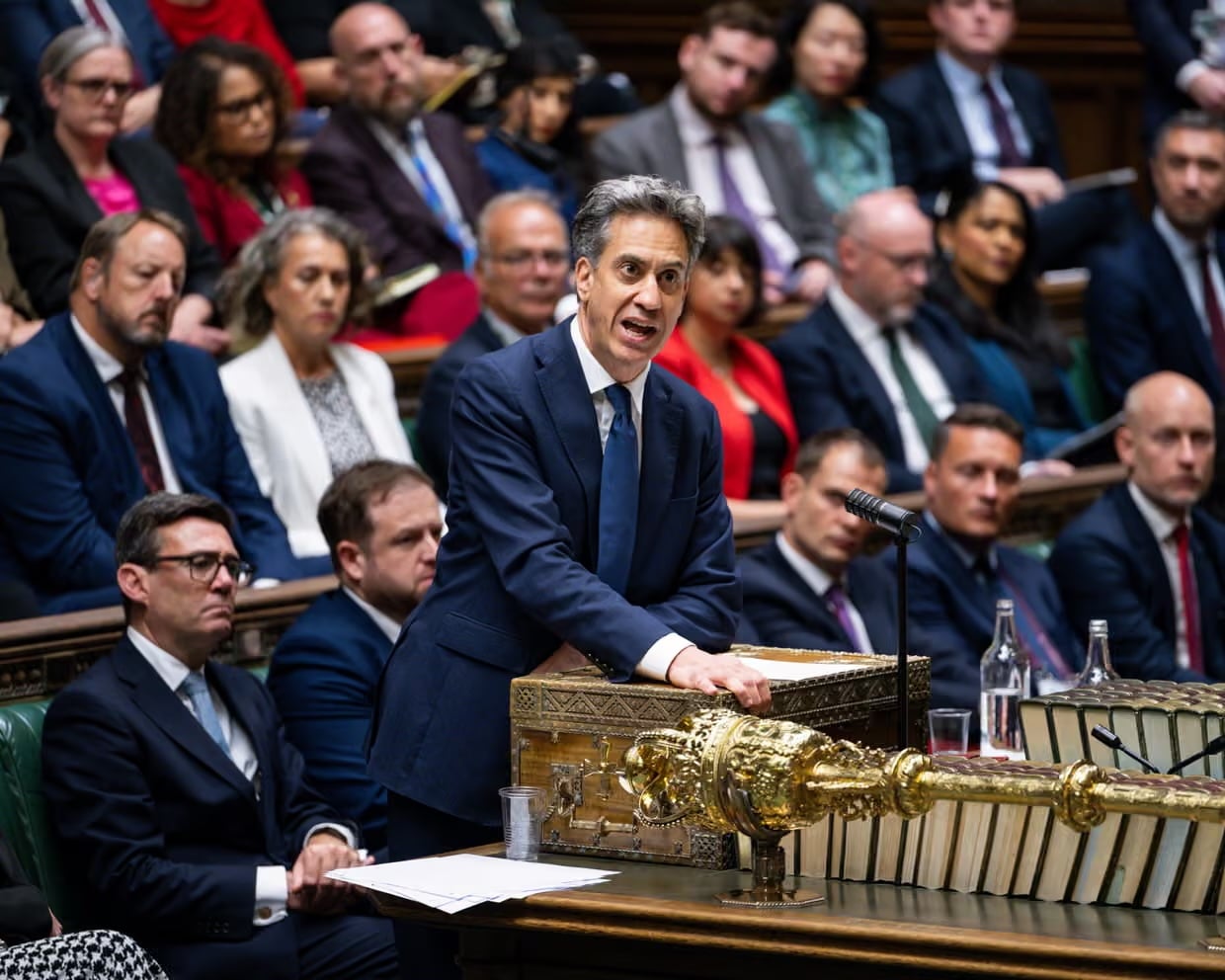
On Tuesday, the diplomatic and practical consequences of tolerating settler violence came home to roost, when British Foreign Secretary Ed Miliband accused “settler terrorists” of government-indulged “ethnic cleansing” in the West Bank, declared that the UK, France and Canada would cease all dealings with settlements, set out punitive sanctions for any entity interacting with settlements, and designated Israel’s entire West Bank presence as “unlawful occupation.”
The new iteration of Britain’s Labour government came into office after Keir Starmer’s ouster in July looking to toughen its opposition to the Netanyahu government, with Prime Minister Andy Burnham declaring that his predecessor “didn’t get it right” on Gaza. It had initially intended to focus its West Bank ire on the Netanyahu coalition’s moves to expand the E1 settlement area to the east of Jerusalem, which would separate the northern and southern West Bank, preventing a potential contiguous Palestinian state. But Miliband’s blistering speech instead highlighted the strategic settler attacks on Palestinian civilians as the more blatant and resonant symbol of unconscionable behavior by Israel.
Parts of Miliband’s speech showcased the widespread global misrepresentation of what has unfolded since October 7 — the refusal to internalize that Hamas sought and seeks to destroy Israel; that its invasion and massacre were widely supported among Gazans and, especially, West Bank Palestinians; the reasonable assessment that, had Iran and Hezbollah piled on, Israel might not be here today; the Iranian regime’s unstinting determination to ensure we are not here for much longer.
Many Israelis, perhaps even most, seek the very two-state solution that Miliband presented as the strategic underpinning of his toughened policies regarding the West Bank. Many Israelis see a separation from the Palestinians, with the searing cost of relinquishing parts of biblical Israel, as the only way to maintain a majority-Jewish and democratic Israel. But they also recognize, as he plainly chooses not to, that withdrawing from captured territory in the cause of peace backfired murderously in the Second Intifada and still more catastrophically with the Hamas invasion, and are disinclined right now to risk national suicide by attempting it again.
Nonetheless, the Israeli government response, in the shape of Foreign Minister Gideon Sa’ar’s dismissal of all Britain’s criticisms as skewed and unfounded, lumps together matters where Israel has legitimate, vital concerns — notably over the genuine obstacles to peacemaking — with those where the Netanyahu coalition is manifestly at fault and is subverting Israel’s interests, as it continues to do by tolerating concerted violence against Palestinian civilians.
Miliband will surely have sought to assess, when writing and timing his speech, whether it would be more likely to bolster the Netanyahu government he denounced, by rallying outraged Israelis to the defense of the prime minister, or speed its departure from office, by emphasizing Israel’s growing pariah status and fracturing international alliances.
In fact, it will likely have merely strengthened Israelis in whichever of the pro- or anti-Netanyahu camps they already sit, and will largely recede from the headlines, at least until the sanctions begin to have practical impact. But it does underline, again, how fateful are the elections now just seven weeks away.
***
There is genuinely no knowing who, if anyone, will come out on top on October 27.
This is partly because the polls are broadly unreliable — you simply cannot claim to predict an election outcome by polling barely 500 people, when a handful of actual votes can determine whether a party clears or falls below the 3.25 electoral threshold, sending 4 seats one way or another across the political divide, and potentially crowning or dooming the rival blocs.
And it is partly because seven weeks is an absurdly long time in Israeli politics. Anyone remember the almighty hoo-ha about Ben Gvir allegedly finding the Altalena, reigniting the Sephardic-Ashkenazi divide? I mean, it did… but that was all soooo two weeks ago.
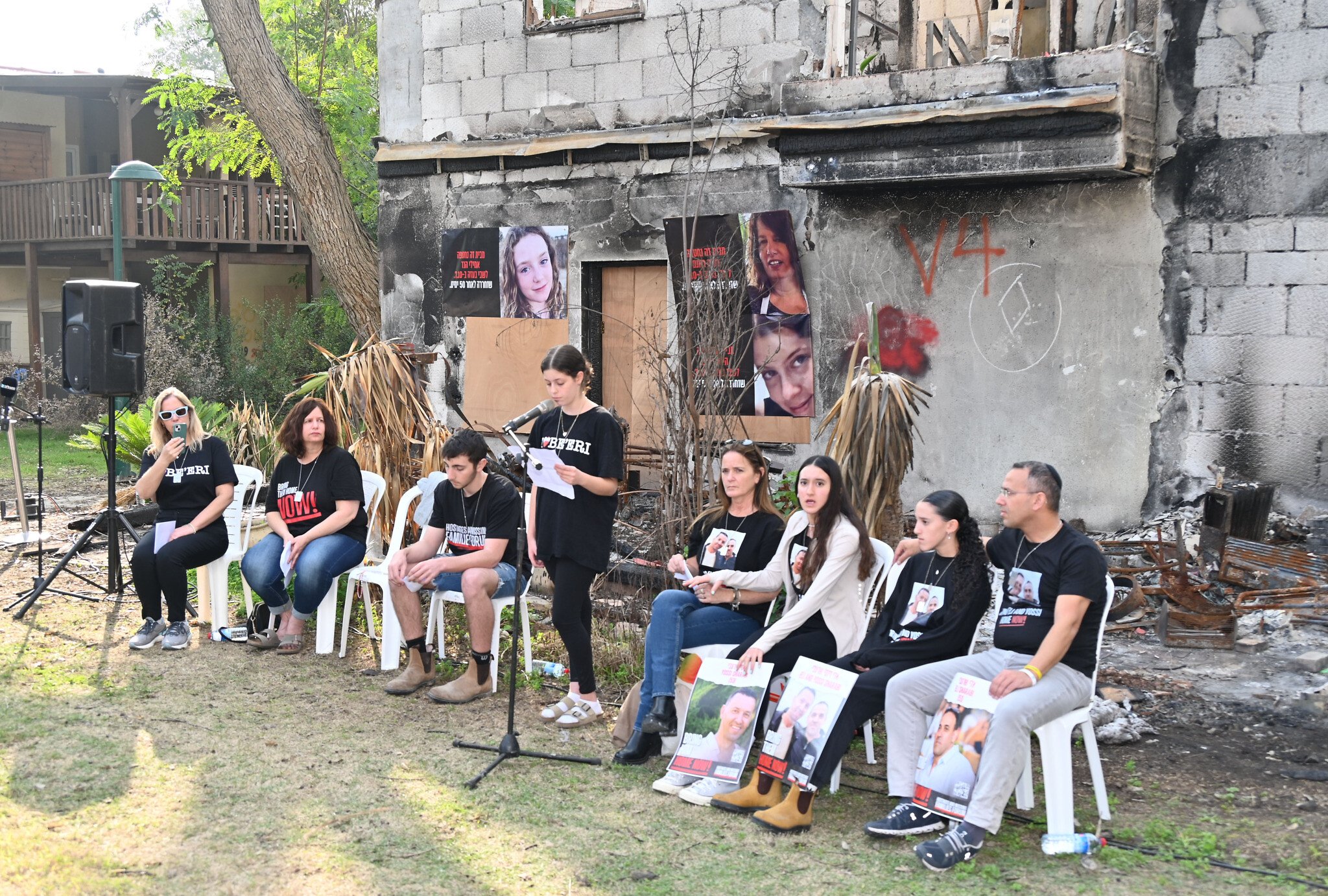
What is not fading away, however, is October 7 and the failure of the Israeli political and military leadership to prevent it.
Quite the contrary — it is front and center of the election battleground, with Netanyahu attempting more frantically than ever to deflect blame.
He claims he knew Hamas was not deterred and would have scrambled the IDF to prevent the invasion if only the security chiefs had woken and warned him hours before, when, he says, “all the signs” of the looming attack were there. He claims the generals deliberately chose not to wake him, because they feared he’d overreact and actually trigger a Hamas onslaught. By contrast, they’ve said they tried to warn him for years that his policy of letting Qatar fund Gaza was strengthening the Hamas war machine, that Hamas was emboldened by the rift in Israel over his judicial overhaul legislation, and that they did alert his office to suspicious activity three hours before Hamas attacked, even though they did not assess that a major assault was imminent.
Resurrected and fresh allegations hotly disputed by Netanyahu suggest he failed to act rapidly and effectively when he was finally woken up at 6:30 a.m. with the first Hamas attacks, taking anything up to three hours to make the 60-kilometer journey to IDF HQ, not so much as speaking to the IDF chief until 9:45 a.m., and neglecting to order the full mobilization of the IDF until shortly before 10 a.m.
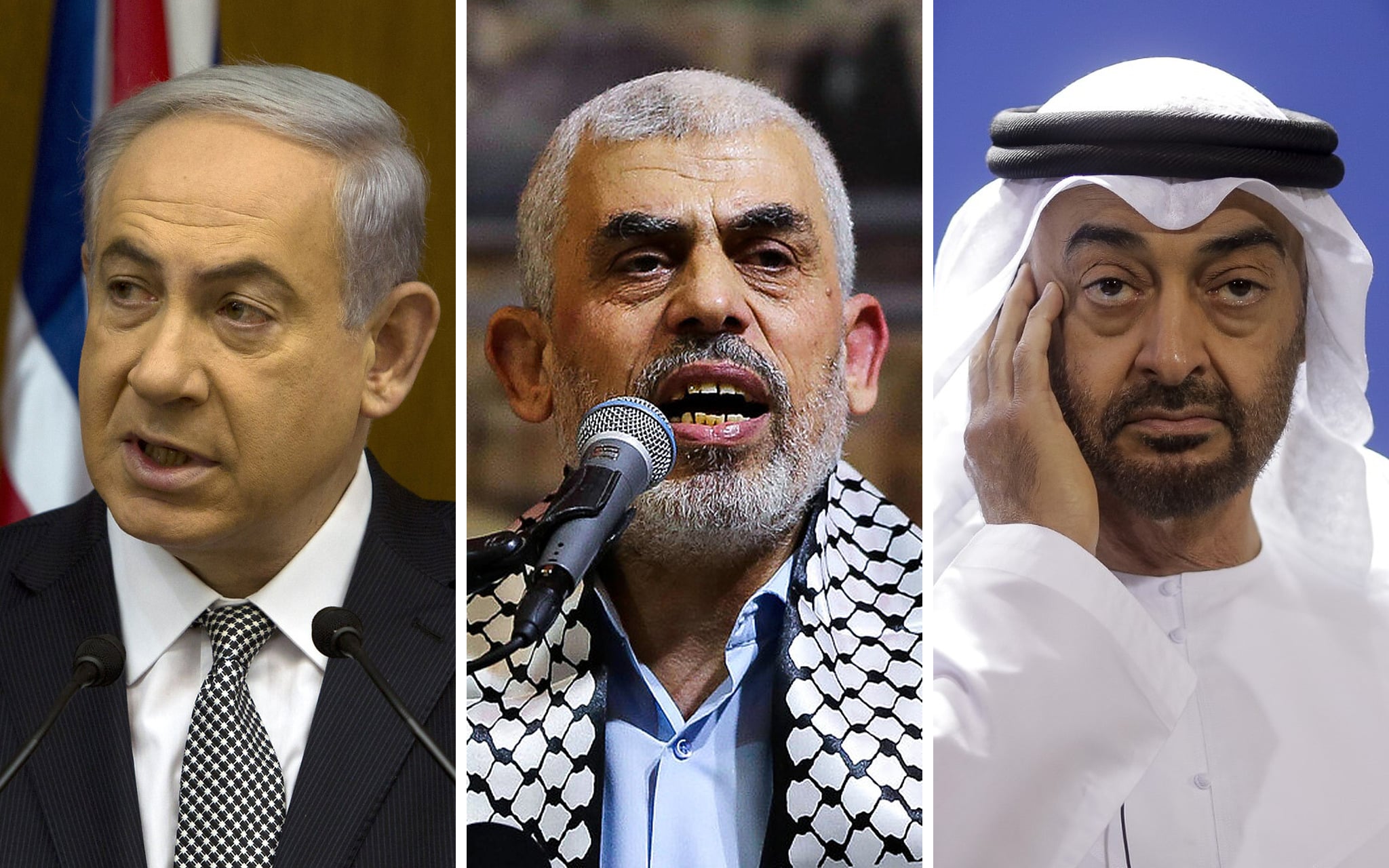
This week, it was claimed that Emirati President Mohamed bin Zayed told Netanyahu in a phone call 10 days before October 7 that Hamas was planning a major offensive, and the prime minister failed even to pass the alert on to the security chiefs, and further details emerged of a previously reported Egyptian warning. Netanyahu denies all this.
His wife, meanwhile, peddles a false conspiracy theory that has Democrats party leader and former IDF deputy chief Yair Golan knowing ahead of time that Hamas was going to attack — implying by extension that other senior security figures had advance knowledge, an outrageous claim that has been quite widely disseminated.
There is, of course, one way to penetrate the conflicting narratives, get to the truth of what went so horrifically wrong, and best ensure it not happen again — the independent, powerhouse state commission of inquiry that Netanyahu has steadfastly refused to establish for three long years. At some point, when you block the emergence of the truth, you start to lose the benefit of the doubt.
***
As we enter the Rosh Hashanah period, with Israel in the throes of electioneering at home and widely loathed abroad, and with its relationship with the Jewish diaspora complex and often fraught, the road ahead is unlikely to be smooth. Diaspora Jews are facing vicious antisemitism, clothed in the ostensible legitimacy of anti-Zionism, and Israel is failing itself and Jews worldwide when it falls below its own moral standards, as it is doing in the West Bank.
We don’t need — or shouldn’t need — Ed Miliband to tell us when our actions or inactions are untenable. We owe it to ourselves to make sure that Israelis are not doing to others what we cannot abide being done to us. And we must not allow our all-too potent enemies to drive a wedge between the Jewish state and the Jewish people wherever they may be.
These are fateful times, indeed, but the essential elements of a thriving Israel, an Israel we can be proud to live in, identify with and support, are still here. We remain a resilient, creative and patriotic people, prepared to do everything to ensure this country survives and flourishes. We have many would-be leaders genuinely committed to the national interest, and more than capable of advancing it. There are alliances that can be rebuilt, and others that can be forged, locally and worldwide.

And we know that Israel simply cannot be allowed to fail — for the sake of those who live here now and those who may want and need to live here in the future.
Wherever you are reading this, at this most resonant time in the Jewish calendar, let us recommit to building the best Israel possible, with intolerance marginalized and extremism confronted. A restored, renewed Israel, with the responsible mainstream, the Zionist mainstream, determinedly revitalizing a strong, honorable, flourishing, Jewish and democratic state — a light unto the nations.
—
This Editor’s Note was sent out earlier Wednesday in ToI’s weekly update email to members of the Times of Israel Community. To receive these Editor’s Notes as they’re released, join the ToI Community here.










The Times of Israel Community.