

Some 20,000 immigrated to Israel since last Rosh Hashanah as Western aliyah rises
Ministry says French immigration rose 65% and US arrivals jumped 15%, but overall numbers down as Russian immigration continues to plummet
 Add ToI as a Preferred Source on Google
Zev Stub is the Times of Israel's Diaspora Affairs correspondent.

Some 20,000 new immigrants arrived in Israel over the past 12 months, the Immigration and Absorption Ministry said Monday ahead of the Rosh Hashanah holiday that marks the Jewish New Year.
The ministry declined to provide a more exact figure, with a spokesperson saying the final number was still subject to change. If it holds, the number provided for the Hebrew year 5786 — which included data from September 23, 2025 through September 3, 2026 — is a decline of about six percent from the 21,244 that arrived in the previous year. It is also the lowest annual number since the Covid pandemic in 2020-2021, and barring that period, the lowest number in over a decade.
Immigration — aliyah in Hebrew — actually increased from most Western countries, but was countered by a sharp decline in Russian immigrants. Some 5,685 immigrants arrived from Russia in the past year, compared to 9,282 in 2024-2025 and 19,407 in 2023-2024. That decline was expected, as Russian immigration spiked sharply after the country declared war on Ukraine in 2022, and has been leveling out ever since.
The ministry argued that the rising numbers arriving from Western countries showed that rising antisemitism throughout the world, alongside growth in Zionist fervor and Jewish identity following the October 7, 2023, Hamas attacks, were leading more Jews to move their lives to Israel.
Aliyah from France rose 65% to 4,364, up from 2,649 a year earlier. Immigration from the United States rose 15% to 3,333, while that from the UK reached a 40-year high of 975.
Additionally, 797 immigrants came from Ukraine, 491 from Belarus, 440 from Canada, 247 from Australia, 243 from Argentina, 241 from Georgia, 210 from South Africa, 210 from Germany, and 200 from Brazil.

Among the new immigrants, 35% are aged 18-35 and 24% are under 18. Another 18% are aged 36-50; 9% are aged 51-60; 5% are aged 61-65; and 10% are aged 66 and over.
“Especially in a complex and challenging year, the choice to immigrate to Israel and build a future here is a strong Zionist and national statement,” Immigration and Absorption Minister Ofir Sofer said. “The trend of immigration from Western countries is expected to strengthen, and this is a national opportunity that the State of Israel cannot afford to miss.”
The immigration growth comes even as Israelis continue to leave the country in record numbers. Nearly 50,000 Israelis left the country for more than 12 months for the third year in a row in 2025, according to a report published last month by researchers at Tel Aviv University, based on data from the Central Bureau of Statistics.
The report argued that Israel’s prolonged military conflict and internal political strife have contributed to elevated emigration that could threaten the country’s long-term strategic interests.
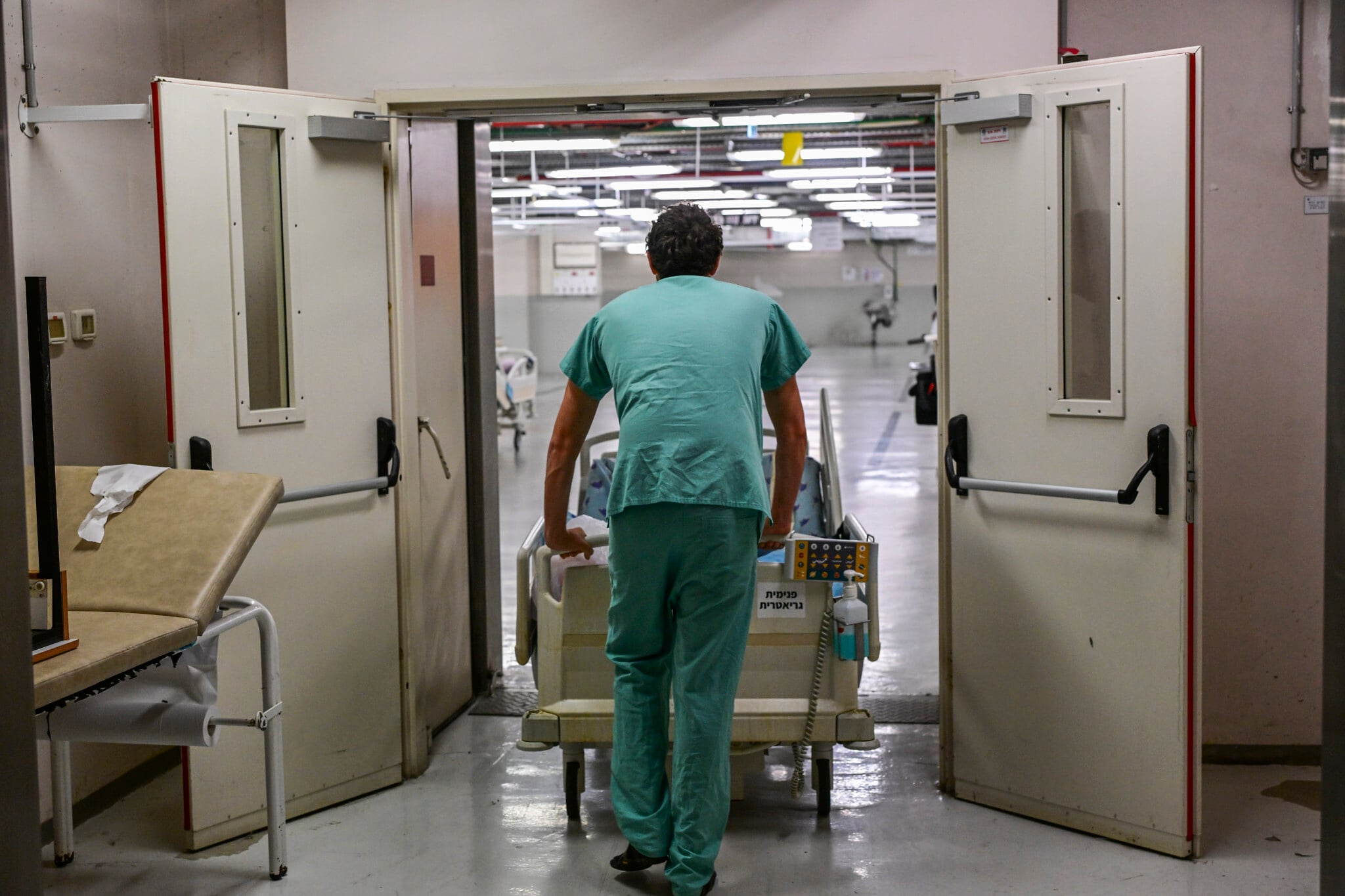
The Immigration and Absorption Ministry has launched a number of new initiatives recently to promote successful immigration, including plans to integrate immigrants into the Israeli labor market. During the past year, 414 doctors from around the world immigrated to Israel, helping ease the manpower shortage in the field as some 1,370 Israeli physicians left the country over the last three years.
The two oldest immigrants who immigrated to Israel this year are 102 years old – one from Russia and the other from France. The youngest immigrant is a two-week-old toddler, who came to Israel with his family from Mexico.
Tel Aviv was the most popular city for new arrivals, with 2,762 new immigrants. That was followed by Netanya (2,224), Jerusalem (2,134), Haifa (1,504), Ra’anana (1,042), Bat Yam (957), Ashdod (846), Beit Shemesh (680), Ashkelon (534) and Rishon Lezion (450).
Interest in future immigration is also on the rise, the ministry said, with more than 28,000 Jews around the world opening aliyah files through the Jewish Agency. France saw a 32% increase in new aliyah files, while the United States saw a 17% increase, the United Kingdom saw a 68% increase, Canada saw an 11% increase, and Australia saw a jump of 90% in immigration files.










The Times of Israel Community.