

1,370 doctors left Israel over past 3 years, research finds, the equivalent of a hospital
Tel Aviv University researchers document extensive brain drain in 2023-2025, with a fivefold increase over previous decade in annual departures of physicians who haven’t returned
 Add ToI as a Preferred Source on Google
Reporter at The Times of Israel
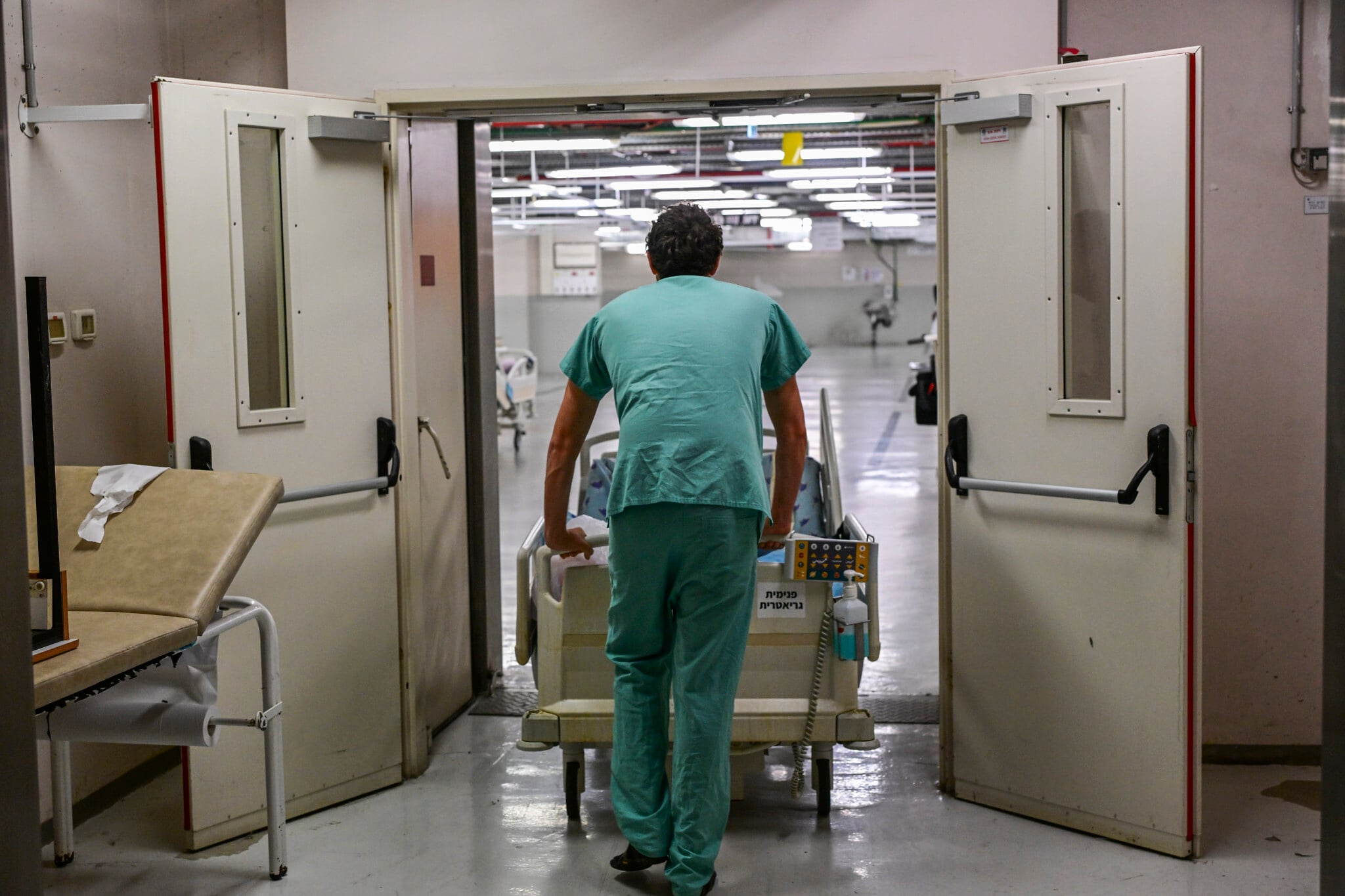
Some 1,370 Israeli physicians have left the country for at least 12 months between 2023 and 2025, according to a new Tel Aviv University study, raising the alarm over the deepening brain drain in the nation’s healthcare system.
Over the three-year period, the number is nearly double the 705 physicians who relocated abroad between 2013 and 2015.
The researchers recorded 416 departures in 2023, 530 in 2024, and an initial estimate of 419 in 2025. The total number of departures over these three years exceeds the entire medical staff of major facilities like Shaare Zedek Medical Center, Soroka Medical Center, or Shamir Medical Center, the researchers said.
Even after accounting for Israeli physicians who returned home after spending time abroad, the net loss reached 509 doctors between 2023 and 2024 alone. This annual net loss of approximately 255 doctors is nearly five times the average net loss of 54 doctors per year recorded between 2010 and 2019.
The researchers pointed out that a year spent abroad does not automatically mean permanent emigration. Many doctors travel for fellowships, research or training. However, the sharp rise in long-term stays abroad is a concerning indicator, the researchers said.
Prof. Itai Ater, Prof. Nittai Bergman and PhD candidate Doron Zamir conducted the study, using cross-referenced population registry, education data, and medical licensing files provided by the Central Bureau of Statistics.
“Since 2023, the State of Israel has been losing its best people,” said Ater. “All of us have family members waiting for surgery or other medical care. The departure of nearly 1,400 doctors translates directly into longer wait times, less effective medical care, and ultimately severe harm to our quality of life.”

The researchers didn’t link the departures to political circumstances, but 2023 is the year in which the government embarked on a highly divisive judicial overhaul legislative push that sparked major backlash.
Veteran doctors taking flight
The researchers noted a growing proportion of experienced physicians leaving the country. Over 20 percent of those who relocated between 2023 and 2025 were aged 45 or older, representing 281 veteran doctors. A decade ago, senior physicians made up only 14% of departing doctors.
The exodus spans all medical fields, led by pediatricians, ophthalmologists, dermatologists, and ear, nose and throat specialists; 6.2% of all Israeli practitioners in these categories left the country.
Surgeons followed at 6%, intensive care and emergency physicians at 4.7%, gynecologists at 4%, internists and supportive specialties at 3.9%, psychiatrists at 3.2%, and family doctors at 2%.
Among working ophthalmologists, dermatologists and ENT doctors under the age of 60, 9.4% left the country, along with 8.8% of surgeons and 6.4% of pediatricians in the same age bracket.
The Tel Aviv district saw the largest decline, losing 429 doctors, or 7.4% of its physicians under age 60, followed by the central district with 290, Haifa with 190, Jerusalem with 132, and the south with 125.
Since a larger share of the departing doctors are experienced veterans, their relocation is far less likely to be driven by temporary training needs, and their absence could severely damage healthcare quality and the training of future doctors.
“If this trend continues, heaven forbid, there is growing concern of irreversible damage to Israel’s resilience,” Ater said.










The Times of Israel Community.