

Bold details characterize deaf photographers’ work
‘Hearing the Photograph,’ an exhibit currently showing in Jerusalem, allows viewers to see more deeply
- See more Times of Israel on Google - add us as a Preferred Source
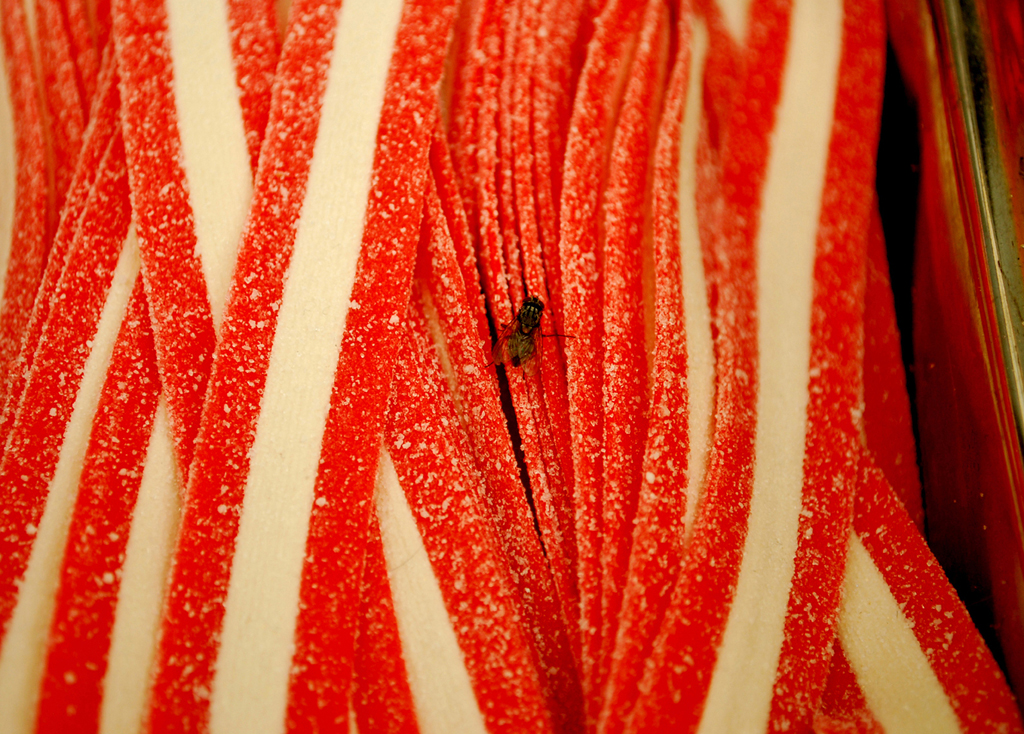
When a photographer is unable to hear, the eye that looks through the viewfinder is different as well.
“Hearing the Photograph,” an exhibition at the David Yellin Academic College of Education, showcases the work of deaf and hard-of-hearing Israeli photographers whose inability to hear helps shape their perspective.
“On one hand, you enjoy the photographs and the high quality, and on the other hand, you start to think and discover they can see something we cannot see because we hear,” said Eyal Bloch, the co-founder of the college’s Institute of Education for Sustainability and Social Entrepreneurship, which oversees the social-art gallery displaying the work. “It’s a point of view. Because of their lack of hearing, they see more things.”
The gallery has several exhibitions a year and seeks out art that is visually appealing and also includes a social message, serving not only to display but to educate.
Dalit Avnon, a featured photographer and one of the exhibition’s organizers, spoke with a group of students about her work.
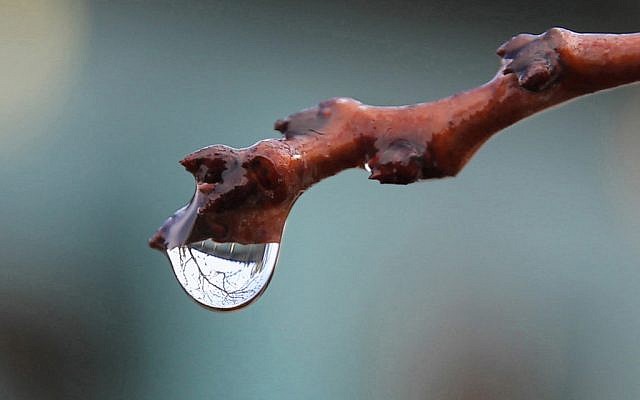
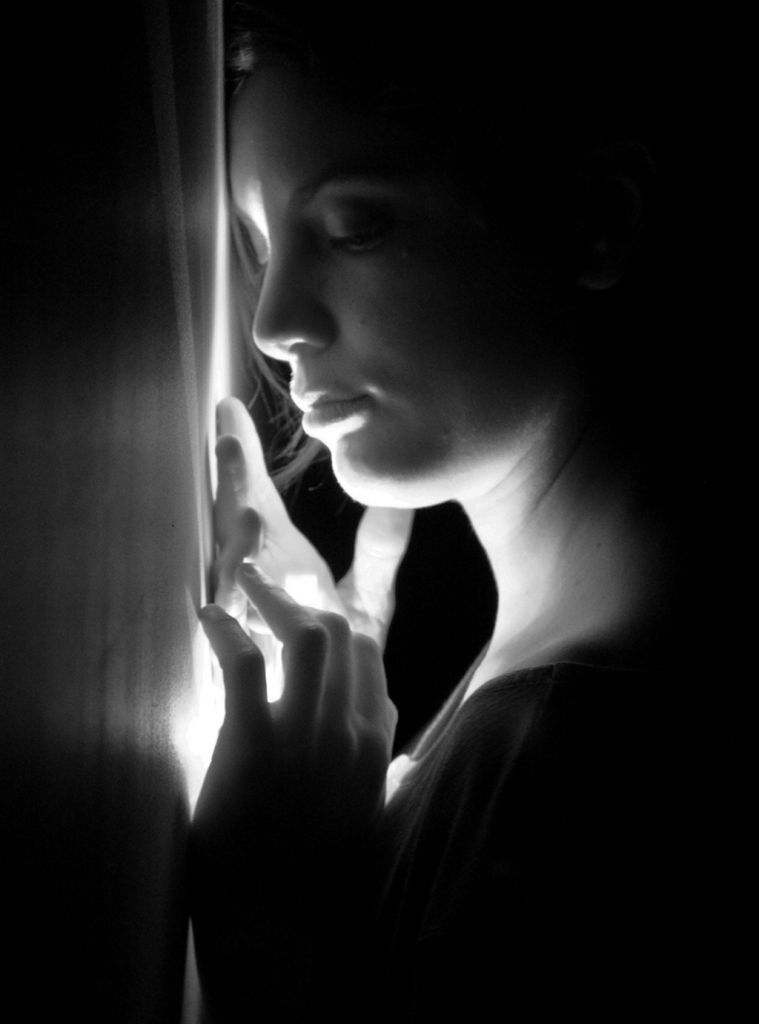
“The identifying marks of many deaf and hard-of-hearing artists are the use of bold and contrasting colors, contrasting textures and emphasis on facial features, especially eyes, mouth, ears and hands,” Avnon said in an email.

Avnon, who was born and raised in Jerusalem and currently lives in Mevasseret Zion just outside the capital, is a graphic designer who works with both photos and videos. She currently works as a research assistant at the University of Haifa’s Sign Language Research Laboratory and teaches sign language.
“Deaf photographers tend to use their vision to make up for the loss of their hearing,” she said. “They are accurate and they look at things deeply. They give attention to little details that others may tend to overlook. This is a result of the fact that deaf people use their eyes not just to see, but also to listen. This grants them a special perspective in the visual arts.”
The Institute for the Advancement of Deaf Persons in Israel was also involved with planning the exhibition.
The exhibition is being showcased in Building D at the David Yellin College. It is free to view and is open from 8:00 to 16:00. It will be on display until Passover.
-
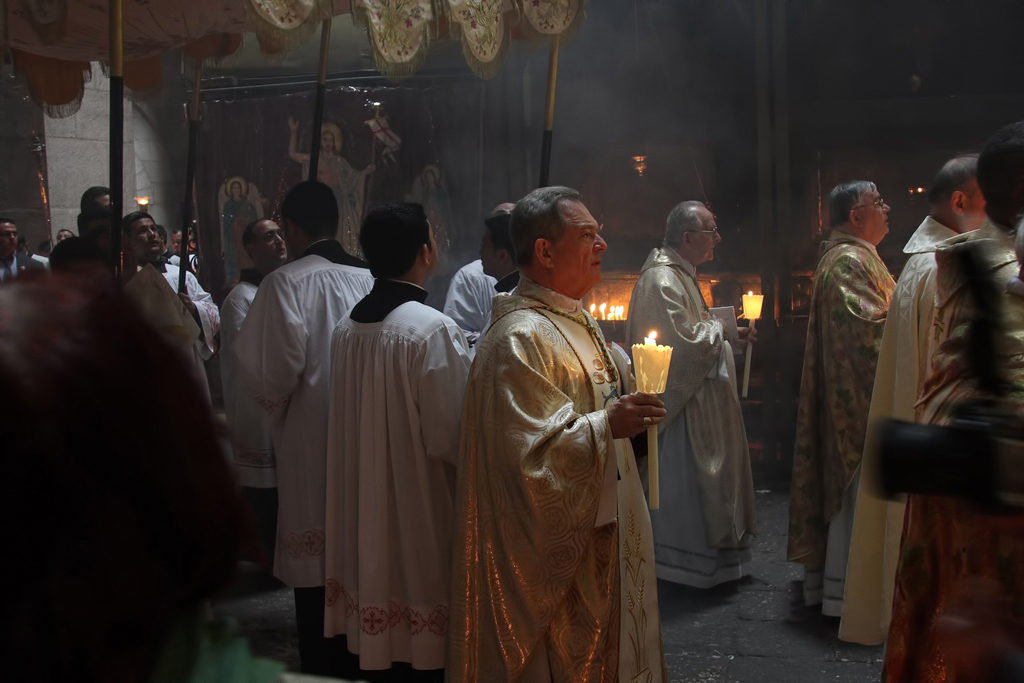
- Photo by Stanislav (Courtesy)
-
- Photo by Elad Cohen (Courtesy)
-

- Photo by Edith Kliger (Courtesy)

-

- Photo by Herzel Dos (Courtesy)










The Times of Israel Community.