

Countdown to a ‘douze’-y of a Eurovision celebration
Now that the Gaza flareup is over, Tel Aviv is pulling out all the stops for the international song contest, aiming to hit just the right note for its many visitors
Jessica Steinberg, The Times of Israel's culture and lifestyles editor, covers the Sabra scene from south to north and back to the center
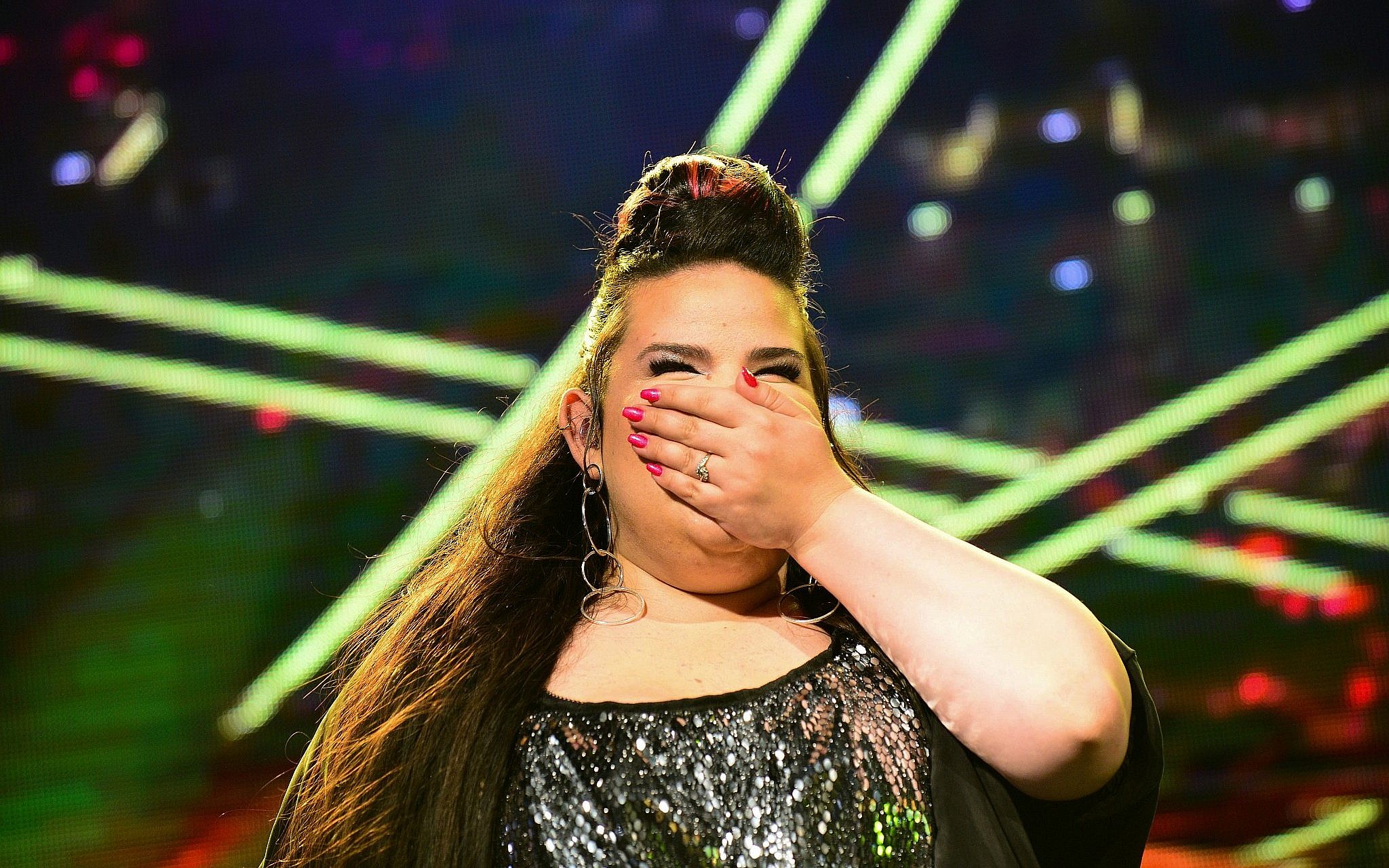
Now that the escalation of rocket fire from Gaza is apparently over, Israel is tuning up to host the Eurovision Song Contest for the third time, an honor it won when Netta Barzilai triumphed last year with her song “Toy.”
For those who want to know the ins and outs of this 62-year-old competition, the Eurovision website offers a full listing of the rules, regulations and history, as well as downloads of this year’s song entries.
Tel Aviv, the host city for this year’s event, has been preparing for months, making a whole song and dance of it with activities, tours, swag, Hebrew lessons, and even an entire village for the occasion. The goal: to score douze points — 12 points, or the maximum each country can award a song entry — among the many expected visitors.
With the first semifinal set for May 14 (followed by the second semifinal two days later and the final on May 18), here are nine ideas for Eurovision prep, starting right now, so that when the time comes you don’t have to play it by ear but can be there with bells on.
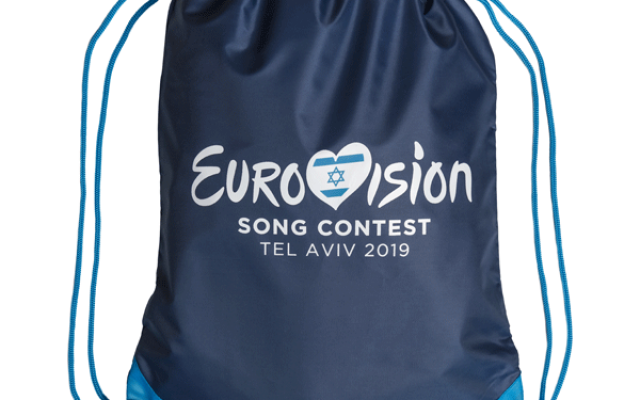
1) Dress for the event with some Eurovision 2019 swag, already being sold at certain locations in Tel Aviv. There are shirts, tank tops, hats, bags, even socks, ranging in price from NIS 20 for keychains to NIS 120 for T-shirts. The merchandise is currently available at the visitor’s center near the Jaffa Clock Tower, at 46 Samuel Herbert, and in the Dizengoff Center.
2) Memorize some facts and figures.
Can you name all the Israeli singers and songs that won in Eurovisions past? Answer: Izhar Cohen and Alphabeta (1978) for “A-Ba-Ni-Bi”; Milk and Honey (1979) for “Hallelujah”; Dana International (1998) for “Diva”; and Netta Barzilai (2018) with “Toy.”
What was the first Israeli song sung in Arabic? The 2009 entry, with Arab Israeli singer Mira Awad and Israeli-Jewish singer Achinoam Nini. Israel didn’t participate in 1980 and 1984 because the song contest was held on Israel’s Memorial Day. Finally, get this: The 1979 Eurovision winning song, “Hallelujah,” was chosen during a historic week for Israel that began with the signing of peace treaty with Egypt. Any wonder that Israel’s entry won that year?
3) Hum the tunes. You can download this year’s competing songs from the Eurovision website, available for free through Spotify and Apple Music. This is event is, at least partly, about the music.
4) March to the beat of your own drummer — or those of the tour guides at Rainbow Tour TLV, who specialize in Eurovision trivia and are offering alternative walks through the city.
Tel A-Diva is a Eurovision-focused, interactive walking tour of Tel Aviv that shows how Israeli society was changed by the song contest and how events in Israeli history made their way into the blue-and-white entries. The two-hour tours include song, dance, free drinks and snacks (during the daytime tours) and discounts in bars (for the nighttime tours), and cost NIS 100 (about $28).
The Rainbow Tour guides are Eurovision geeks, including Yael Dinur, a Jerusalemite-turned-Tel Avivian and passionate lover of everything Eurovision. Her favorite Israeli Eurovision entry was Ofra Haza singing “Chai” in 1983 in Germany, which came in second (Dinur says she should have won), and she pulls out all kinds of arcane details, such as the fact that Hebrew has been one of the most successful languages in the history of the competition (only English and French have won more) and that Arabic has barely been heard (just twice, from Morocco in 1980 and from Israel in 2009). The third time will be this year with Italy’s Mahmood.
5) Mull the shattering of a social taboo with a tour of “Bereshit: Dana International, The Exhibit.” Originally part of the Israel Design Season in Holon, the exhibit takes a closer look at Dana International, a transgender singer who won the 1998 Eurovision for Israel and changed the way Israeli and the global society viewed transgender people.
The exhibit displays fashion items and outfits from Dana International’s appearances, including the feathered dress designed by Galit Levi that Dana wore when she won the 1998 Eurovision and the dress designed by Jean-Paul Gaultier that she wore for her celebratory performance after winning.
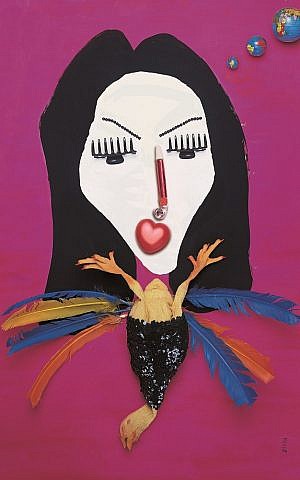
Other memorabilia displayed includes the draft of the song “Diva,” gold records, home videos documenting her travels around the world, photo shoots and fashion productions from her private collection, and works by Israeli artists and designers who have been inspired by Dana International. May 3-18, Hangar 24, Tel Aviv Port, free entry.
6) Learn the local language.
Worried you won’t have enough Hebrew to get around town? There will be a daily ulpan — Hebrew language class — at 5 p.m. in Eurovision Village for visitors to learn important terms, like, “How much does this cost?” “Please turn on the meter!” (that’s for cab drivers), and Netta’s exclamation, Kapara aleichem! upon hearing that she had won Eurovision last year.
7) Wet your whistle with a bottle of Milk & Honey’s limited edition Levantine Gin, with a label designed by Tel Aviv artist Pierre Kleinhouse to celebrate Eurovision.
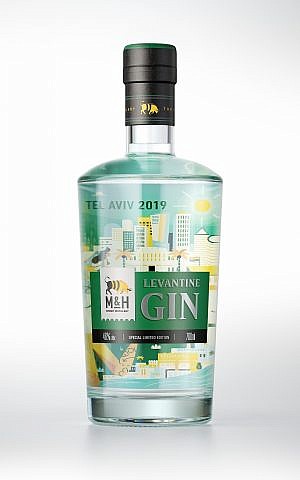
The 100% pure malted barley gin is mashed in-house, with tones of juniper, hyssop, lemon peel, orange, chamomile, verbena, cinnamon and black pepper. It’s available at local Tel Aviv liquor stores and at the M&H Distillery visitor’s center, which will be hosting tasting tours throughout Eurovision week.
8) Shabbat dinner, held on Friday evenings, is a cultural staple of Israeli life for both religious and secular Jews. Family and friends gather for a homemade meal, to relax around the table and catch up on their lives.
Before the Eurovision final event on Saturday night, May 18, visitors can experience an Israeli Shabbat meal on Friday night, courtesy of the City of Tel Aviv-Jaffa in collaboration with the communal eating app Eatwith.
The Shabbat Dinner project will match tourists with local host families for a dive into some experiential tourism. Visitors can choose a Shabbat dinner with a host family; a Proud Shabbat Dinner at which Eatwith and the city’s LGBTQ Center pairs guests with an LGBTQ-friendly Shabbat dinner; or a Shabbat dinner at one of the communal potluck meals hosted at community centers around the city.
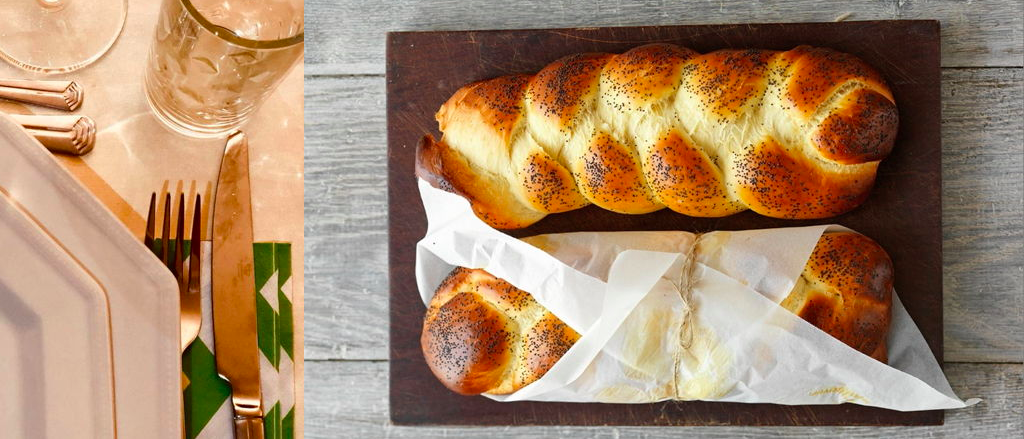
Guests will be charged a courtesy fee of NIS 50 in order to secure their place; all proceeds go to the hosts. Guest registration is open online.
9) The Betzavta organization has a community of 1,000 families, couples and roommates throughout Israel who will invite Eurovision visitors for a casual dinner so they can find out more about Israel and Israelis.
Visitors need to fill out a short form providing basic information about their trip and a little about themselves. That information helps Betzavta find the perfect Israeli match for them.







The Times of Israel Community.